
Information
tl;dr
What’s the quick verdict?
“Mikey and Nicky” is a deliberately paced character study that explores the complexities of friendship, loyalty, and betrayal, all through the lens of a single night. While it thrives on its dialogue-driven interactions and rich subtext, it may not resonate with viewers seeking conventional thrills.
Who will like this in one line?
Fans of intimate, character-focused storytelling that prioritizes nuanced performances over traditional plot mechanics will find much to appreciate here.
What’s the basic setup and mood?
What is the basic setup without spoilers?
Set against the backdrop of a tense night in Philadelphia, “Mikey and Nicky” revolves around the intricate relationship between two friends caught in a web of desperation and paranoia. Neither character is wholly likable, making their interplay all the more fascinating as the film delves deep into themes of trust and survival. The narrative subtly unravels their past while highlighting the emotional stakes of the present, shrouding the characters in a palpable sense of urgency.
What tone and emotions should I expect?
The tone balances dark humor and melancholy with moments of stark realism, creating a claustrophobic atmosphere that permeates the film. Expect emotions to oscillate between fear and laughter, with the weight of impending doom lurking just beneath the surface. The film’s pacing, slow and deliberate, allows for an intimate exploration of its characters, making viewers question their motivations and the nature of their bond.
When did this come out and how should I watch it?
When was it released and why does that matter?
Originally released in the mid-1970s, “Mikey and Nicky” has endured as a poignant examination of friendship against the backdrop of an unchanging urban landscape. The release during this era underscores a gritty realism that resonates particularly in the context of the American film movement that pushed boundaries of narrative and character depth. Understanding its historical context enhances appreciation of its raw authenticity, especially as modern films often mask such intimacy with special effects and heightened drama.
What runtime or version should I pick?
The film’s runtime is a lean 107 minutes, making it a compact yet impactful watch. While there’s only one version to choose from, the uncut edition maintains the original pacing and nuance, essential for fully engaging with the layered interactions between Mikey and Nicky. Watching it without distractions is key, as the film’s power lies in its ability to draw you into the characters’ fraught emotional landscape.
Does Mikey and Nicky’s story and pacing hold up?
Is the plot compelling or mostly a character study?
“Mikey and Nicky” eschews conventional plotting for a deeply immersive character study that exposes the frailty of human connections. The narrative isn’t a traditional arc with clear resolutions or escalating action; rather, it mimics the ebb and flow of a tense, uncertain night. This choice allows viewers to become invested in the psychological landscapes of the protagonists. The film deftly intertwines their past traumas with present fears, creating a tapestry rich with emotional resonance, where the beats of their story hinge not on outward events but on their inner reflections and verbal sparring. This approach serves as a reflection of real-life complexities, where not every conflict leads to a satisfactory conclusion. While it might frustrate viewers seeking a more driven plot, it ultimately rewards those who savor the subtleties of interpersonal dynamics.
Does the pacing support the tension or slow things down?
The pacing of “Mikey and Nicky” is a double-edged sword. On one hand, it supports the rising tension integral to the characters’ psychological unraveling; on the other, it can test the patience of an audience accustomed to faster, more action-oriented narratives. The deliberate tempo mirrors the claustrophobic intensity of the night, accentuating the paranoia and desperation felt by both characters. Long pauses and drawn-out conversations invite viewers to immerse themselves in the characters’ emotional turmoil, yet may also risk alienating those who prefer a more kinetic cinematic experience. The film’s tension is less about overt danger and more about the subtle dread that creeps in through moments of silence and hesitation, crafting an atmosphere that feels suffocating and suffused with dread.
Are the performances and characters convincing?
How do the leads perform and interact?
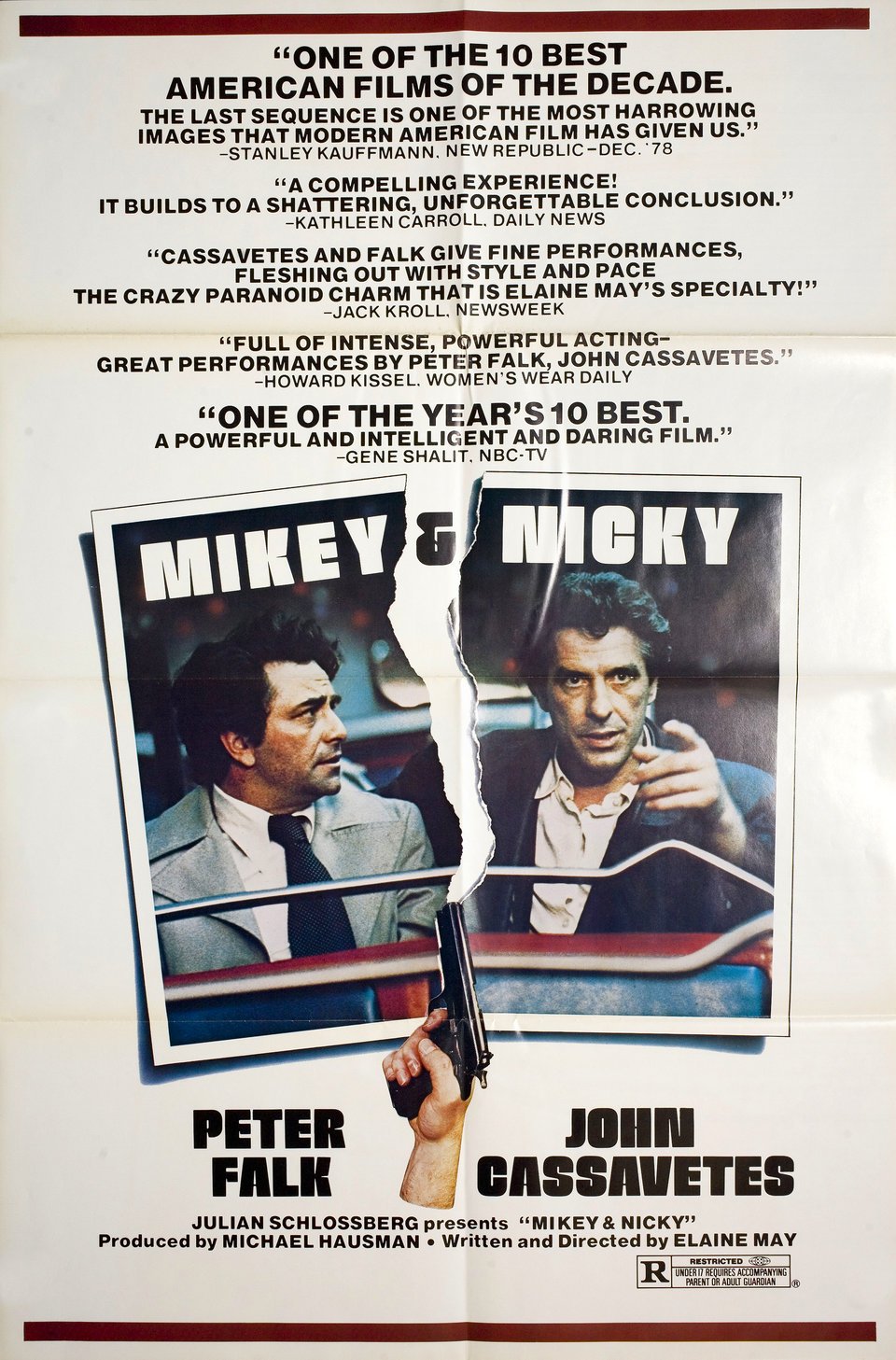
The performances of John Cassavetes and Peter Falk as Mikey and Nicky are nothing short of mesmerizing. Their chemistry radiates authenticity; their fast-paced banter crackles with tension, underscoring the complexity of their relationship. Cassavetes’ portrayal of Mikey reflects a man on the edge, teetering between vulnerability and bravado, while Falk’s Nicky is both hyperbolic and deeply flawed—a tragicomic figure trapped in his own machinations. The interplay between them balances humor and despair, allowing the audience to oscillate between empathy and exasperation. Their interactions carry the weight of unspoken history and unresolved issues, rendering them profoundly relatable despite their moral ambiguities. This dynamic elevates the film, highlighting how friendship can be as confounding as it is comforting.
Do supporting characters add depth or feel expendable?
The supporting characters in “Mikey and Nicky,” while fewer in number, serve a crucial purpose in enriching the main narrative rather than feeling like mere plot devices. They oscillate between antagonists and allies, each interaction echoing the themes of loyalty and betrayal. There’s a palpable sense that every character reflects a fragment of Nicky and Mikey’s internal struggles, adding layers to the central duo’s dilemma. However, some characters may seem less fleshed out in comparison to the leads, appearing almost as caricatures rather than fully realized individuals. This approach doesn’t detract significantly from the story; it reinforces the notion that in moments of crisis, relationships often reveal their true colors, and the ephemeral nature of these interactions speaks to the crux of the narrative.
How does the direction and filmmaking affect the experience?
What does the director’s approach bring to the film?
Elaine May’s direction enshrines the film’s tone of urgency and intimacy. Her unflinching view of the characters’ vulnerabilities underscores the multifaceted nature of human ties. May embraces improvisational techniques that blur the lines between scripted dialogue and spontaneous interaction, resulting in scenes that feel lived-in and palpable. This method resonates deeply, allowing raw emotions to surface without artifice. The director’s keen understanding of the relationship’s dynamics imbues the film with a lingering sense of realism, forcing audiences to confront the uncomfortable truths lurking beneath the surface of friendship. However, this dedication to an organic, almost chaotic narrative flow risks leaving some viewers feeling unmoored, reflecting the tumultuous nature of Mikey and Nicky’s bond.
How are the cinematography, editing, and production choices?
The cinematography, marked by dimly lit streets and close-quartered shots, enhances the sense of claustrophobia that envelops the story. The intimate framing often traps the characters within the confines of their choices, visually mirroring their emotional states. The grainy texture of the film recalls a bygone era and adds to its authenticity, redolent of a gritty urban landscape. Meanwhile, the editing maintains a rhythm that reflects the oscillation of tension and release; longer takes allow for unbroken exchanges, enhancing immersion. While some transitions might feel jarring—mirroring the disjointed nature of real-life conversations—this stylistic choice ultimately resonates with the film’s exploration of interpersonal chaos. The production design supports the narrative, as stark, utilitarian settings evoke a sense of starkness, underscoring the larger existential fears that grip the characters. Overall, every aesthetic choice collaborates cohesively with the film’s thematic essence, cultivating a visceral viewing experience.
What moments stand out without spoiling anything?
Which scenes are most memorable and why?
Several moments in “Mikey and Nicky” linger long after the credits roll, each encapsulating the film’s intense exploration of trust and betrayal. One standout scene occurs when Mikey, cornered by impending danger, grapples with vulnerability while trying to maintain a façade of bravado. Here, the intricate dance of dialogue and silence manifests the tension that defines their relationship. Another striking moment involves a sudden shift in tone when the duo reminisces about the past, revealing hidden tenderness amid their fraught exchanges. These instances serve as emotional pivots, fleshing out the characters’ complexities and painting a vivid picture of their shared history.
The film’s strength lies in its ability to weave humor and sadness seamlessly. A particularly sharp exchange where they playfully jab at each other’s flaws showcases not only their deep-seated camaraderie but also highlights the fragility of their bond. Each memorable scene punctuates the narrative, making it not merely a sequence of events but a rich tapestry of their emotional landscape.
Are there moments that might divide viewers?
While the film’s rawness and intensity may resonate with some, certain moments could alienate others. The prolonged sequences of dialogue, particularly those steeped in subtext and ambiguity, may leave some viewers frustrated. These passages, though rich in nuance, risk feeling indulgent or slow to those who favor a more linear storytelling approach. Additionally, Mikey and Nicky’s moral grayness—where boundaries between right and wrong blur—might evoke a sense of discomfort. For audiences who prefer clear-cut heroes and villains, the characters’ morally complex decisions could come off as divisive, complicating their emotional engagement with the narrative.
What are the main strengths and weaknesses?
What are the film’s biggest strengths?
The core strength of “Mikey and Nicky” lies in its rich character study, driven by its piercing dialogue and the performances of Cassavetes and Falk. The authenticity in their interactions speaks to the film’s exploration of friendship, with its intricacies laid bare for viewers to contemplate. This authenticity is bolstered by Elaine May’s direction, which captures the essence of real communication, including the pauses and misunderstandings that define relationships. Complementing this is the film’s cinematography, which adopts a gritty realism that enhances the emotional stakes. The deliberate pacing, while potentially polarizing, cultivates a tension that allows the audience to sit with the discomfort of the characters, further immersing them in the narrative.
What are the clearest weaknesses or frustrations?
On the flip side, the film’s pacing may frustrate some viewers, as it traverses long stretches of dialogue that can feel meandering. While this can amplify the film’s tension, it risks disengagement for those expecting more dynamic storytelling. Furthermore, the film occasionally leans too heavily into its characters’ flaws without offering enough redeeming qualities, making it difficult for audiences to fully invest in their journeys. This lack of clear moral guidance can leave viewers questioning their empathy for the characters, leading to an emotional disconnect that undermines some of the film’s deeper themes.
Who is this really for?
Which viewers are most likely to enjoy it?
“Mikey and Nicky” will likely resonate with fans of character-driven dramas and psychological thrillers who appreciate nuanced storytelling. Viewers who savor layered performances and detailed dialogue will find much to admire in Cassavetes and Falk’s dynamically flawed characters. Those enchanted by the art of conversation in film, who can appreciate the slow burn of tension and emotional stakes, are in for a rewarding experience. Furthermore, audiences interested in the complexities of friendship and loyalty, particularly when steeped in moral ambiguity, will find themselves engaged by the thoughtful examination of these themes.
Which viewers should probably skip it?
Conversely, those who thrive on fast-paced narratives filled with clear resolutions and overt action may want to steer clear of this film. If you prefer straightforward storytelling with distinct heroes and villains, the moral ambiguities of “Mikey and Nicky” could prove frustrating. Additionally, viewers seeking high-octane thrills or dynamic plot twists might find the film’s introspective nature lacking. Its deliberate pacing and focus on dialogue over action might not cater to those looking for immediate gratification in their cinematic experiences.
Is it worth watching now or rewatching later?
Should you watch Mikey and Nicky now?
Watching “Mikey and Nicky” now can be a revealing experience, especially for those looking to immerse themselves in a textured portrayal of friendship under pressure. The film’s themes of paranoia and loyalty resonate even in today’s world, offering a mirror to modern relational dynamics, particularly in the context of trust and betrayal. Its slow-burn pacing demands an audience willing to engage thoughtfully with the characters’ dialogues, making it less suitable for casual viewing but highly rewarding for those ready to reflect. If you’re interested in films that prioritize depth over spectacle, “Mikey and Nicky” provides rich discussions on moral ambiguity and the complexities of human behavior that can speak to our contemporary lives.
Does it hold up on repeat viewings?
On a second or third viewing, “Mikey and Nicky” becomes even more rewarding. Its intricate dialogues reveal layers not immediately apparent upon first watch. The nuances in Cassavetes and Falk’s performances gain depth as you begin to appreciate the subtleties in their interactions—every pause, every sarcastic quip becomes laden with meaning. The film’s exploration of unresolved conflicts between the two characters surfaces additional emotional beats that might have been missed initially. However, it’s important to note that rewatching requires a willingness to embrace its pacing; what may feel stagnant at first is, on further engagement, a richly woven narrative tapestry that reflects the real-life complexities of relationships.
FAQs
Is Mikey and Nicky hard to follow?
For viewers accustomed to straightforward plots, “Mikey and Nicky” might present a challenge. Its meandering dialogue and reliance on subtext create a narrative that unfolds in a deliberately disorienting manner. Characters often engage in circular conversations that reflect their distress rather than progress the plot, immersing the audience in a night filled with emotional turbulence. However, this complexity is by design, inviting viewers to focus on the shading of character dynamics rather than a clear-cut storyline. Those who appreciate unconventional storytelling will find the film engaging, while others may struggle with its ambiguity.
Is the film violent or suitable for younger viewers?
While “Mikey and Nicky” contains moments of psychological tension, it is not overtly violent in a traditional sense. The film’s intensity derives from emotional stakes rather than graphic imagery. Scenes of confrontation may evoke a sense of dread and urgency, but they are grounded in the relational turmoil between the characters rather than gratuitous violence. However, due to the film’s mature themes—including betrayal, moral ambiguity, and adult language—it may not be suitable for younger viewers. Parents should consider these elements when deciding if it’s appropriate for their children or younger audiences who may not be ready to engage with the film’s darker undertones.