
Information
tl;dr
Quick verdict in one line
“Miss Stevens” offers a bittersweet exploration of mentorship and youth, buoyed by strong performances but occasionally stumbles with pacing.
Who will most enjoy this film
Those drawn to character-driven narratives about personal growth and emotional complexity will find resonance here. Fans of indie cinema and coming-of-age stories will appreciate the tender moments threaded throughout the film, while viewers with an interest in the intricacies of teacher-student dynamics will find much to unpack.
Does the story hold up and is the pacing right?
How the teacher-chaperone road trip shapes the momentum
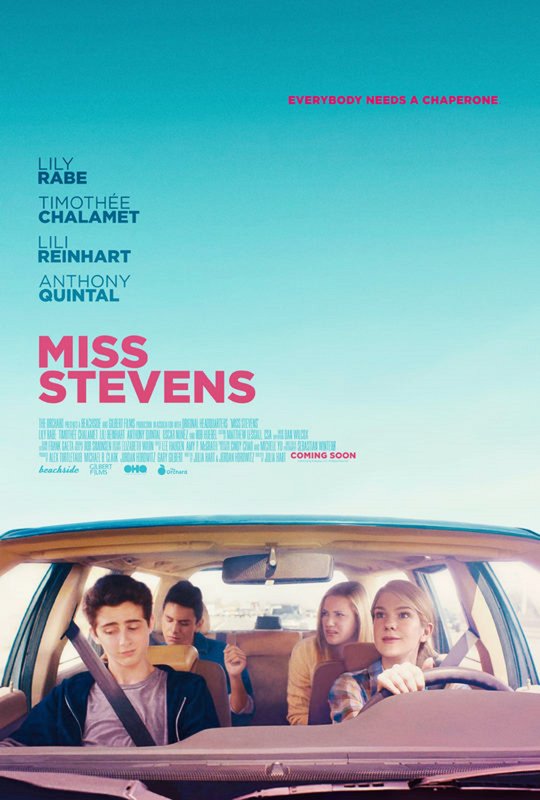
The road trip serves as a crucial catalyst for both character development and thematic exploration, encapsulating the feelings of uncertainty and growth pervasive in adolescence. Each stop along the way is not just a geographical relocation but a layering of experiences that pushes our protagonists closer together, allowing their vulnerabilities to surface. This setup effectively cultivates an atmosphere ripe for revelations, both personal and relational, making the journey as significant as the destination.
Are there slow stretches or rushed moments
While the film excels in establishing its emotional core, it does wrestle with pacing inconsistencies. Some segments slip into quieter stretches that linger perhaps a bit too long, occasionally threatening to break the narrative flow. Conversely, key emotional beats sometimes rush in with a surprising quickness, particularly in moments that feel deserving of deeper exploration. This uneven pacing can disrupt the viewer’s engagement and detracts from the film’s overall rhythm, leaving several poignant moments feeling underdeveloped.
Are the performances believable and memorable?
Juliet Lewis and key supporting turns
Juliet Lewis delivers a layered and nuanced performance that embodies the film’s central conflict. Her experiences inform the grounded perspective she brings as a teacher navigating her own uncertainties while guiding her students. The supporting characters, particularly the students, add depth to the narrative; each brings unique challenges and aspirations that highlight the complexities of youth, allowing the film to explore various facets of adolescence. However, the intensity of Lewis’s portrayal sometimes overshadows these supporting roles, which can lead to an imbalance in emotional weight.
Which characters feel fully realized and which do not
The film’s strength lies in its focus on Lewis’s character and one or two of the students, who resonate as vividly drawn individuals. The exploration of their struggles feels authentic, allowing the audience to connect deeply with their journeys. However, other characters linger in the background, lacking the same degree of development. This disparity leads to a feeling of unevenness, where some arcs flourish while others feel incomplete, diminishing the film’s overall impact and complicating the viewer’s investment in the ensemble as a whole.
How well does the director handle tone and execution?
Visual style, staging, and directorial choices
The film benefits from a thoughtful directorial approach that mixes naturalism with an observational style, catering to the film’s intimate narrative. The use of handheld cameras adds an element of authenticity, as if we are living alongside the characters during their formative journeys. Compositionally, the framing often captures characters in isolation or juxtaposes their interactions with wide shots of their surroundings, reinforcing both their emotional states and the overwhelming weight of their physical environments. Unfortunately, there are moments where the direction feels overly reliant on conventional tropes, hindering some genuine emotional crescendos. The director navigates these tonal shifts with some success, but the film occasionally stumbles into sentimentality instead of earning its emotional highs.
Does the movie balance comedy and drama successfully
“Miss Stevens” finds a commendable rhythm in its blend of comedy and drama, yet it’s not without its pitfalls. The sharp wit often sparks laughter, grounding the characters in relatable, everyday scenarios. However, as the narrative delves deeper into heavier emotional territory, the tonal shifts can feel abrupt. The film teeters on the edge of successfully balancing the levity of adolescent folly with the weighty realities of personal crises. While some comedic moments feel organic and serve to lighten the narrative, others seem strategically placed to alleviate tension, losing authenticity in the process. The filmmakers occasionally overlook the fine line between humor and emotional gravity, leading to uneven transitions that could disorient the viewer.
Is it funny, sad, or something in between?
Where the humor lands and what kind of laughs to expect
The humor in “Miss Stevens” is characterized by a mix of light-hearted banter and awkward, relatable situations typical of adolescent experiences. The laughs often spring from character-driven moments, highlighting the absurdity of their situations rather than punchlines that aim to elicit guffaws. This approach makes the comedy feel more grounded and less forced, which suits the overall tone of the film. However, while audiences may find themselves chuckling at points, the humor does not always engage with the deeper themes in the narrative, creating a somewhat dissonant effect where the laughs may feel momentarily distracting rather than integrated into the overarching story.
Emotional beats that stick or feel forced
Emotional highs in “Miss Stevens” generally resonate due to the authenticity of the performances, particularly Lewis’s portrayal of a teacher striving to connect with her students. Although certain moments are crafted with care, delivering genuine emotion, others feel rushed or contrived. The emotional weight varies; some scenes land powerfully, particularly those that grapple with self-discovery and vulnerability among the younger characters. Conversely, a few pivotal moments come off as underdeveloped, leaving viewers to wonder if the film had earned the right to elicit tears. Consequently, this inconsistency can evoke frustration for those seeking a more cohesive emotional journey.
What are the biggest strengths and weaknesses?
Clear strengths that make it worth watching
The primary strength of “Miss Stevens” lies in its character exploration and the authenticity of its central themes surrounding growth and mentorship. The relatable script, coupled with a solid performance from Lewis and the ensemble, captures the tumult of adolescence in a manner that feels both poignant and genuine. The film skillfully highlights the evolving dynamic between educator and student, prompting reflections on the impact of mentorship that resonate with viewers. Its candid treatment of personal challenges aligns well with contemporary coming-of-age storytelling, establishing “Miss Stevens” as a noteworthy entry within the genre.
Major weaknesses that could make you skip it
Despite its strengths, the film suffers from inconsistent pacing and tonal shifts that may frustrate some viewers. Certain sequences drag on longer than necessary, while others abruptly cut short, depriving crucial feelings of the attention they deserve. Additionally, the uneven character development prevents a full investment in the ensemble cast, leaving some arcs feeling inconsequential. This imbalance can diminish emotional resonance, potentially isolating viewers who crave deeper connections with every character. For those seeking a tightly woven narrative that fully maximizes every emotional beat, “Miss Stevens” may fail to meet expectations.
Who is Miss Stevens really for?
Audience types, age ranges, and mood-based recommendations
“Miss Stevens” caters primarily to viewers who grapple with the nuances of growing up and the complexities of relationships—both platonic and mentor-student. The film speaks to young adults navigating their own paths, particularly high schoolers and college students who may find reflections of their struggles in the characters. Mature audiences who appreciate indie films with poignant character studies will likely resonate with its themes. This film works best for those in a contemplative mood, wanting to dive into a story that balances light-hearted moments with sobering realities. It invites viewers to laugh, reflect, and empathize, making it a good fit for intimate viewings or quiet nights in.
Similar films or shows fans might prefer
Fans of “Miss Stevens” might enjoy titles like “The Edge of Seventeen,” which similarly portrays the turmoil of adolescence through sharp writing and relatable humor. “Lady Bird” offers a nuanced examination of the mother-daughter relationship against the backdrop of high school life, echoing the film’s exploration of personal growth and mentorship. Those interested in the dynamics of teacher-student relationships may find “Dead Poets Society” compelling, given its weighty exploration of influence and inspiration. Each of these films presents a unique take on youth and its accompanying struggles, enriching the viewing experience for those captivated by “Miss Stevens.”
Is it worth watching now and is it worth rewatching later?
Recommendation for first-time viewing
For a first-time viewer, “Miss Stevens” is a worthwhile watch, particularly if one is in the mood for an intimate character study. The blend of humor and emotional depth allows audiences to engage with the narrative on multiple levels. Juliet Lewis’s engaging performance serves as a touchstone for those seeking authenticity and relatability in characters. While it may have pacing issues, the rewards that come from its insights into mentorship and personal growth generally outweigh these shortcomings. The film encourages viewers to reflect on their own experiences of adolescence, making it relevant even amid its quirks.
Rewatch value and long-term appeal
Rewatching “Miss Stevens” could unveil layers previously overlooked, particularly in character dynamics and the subtlety of the script. However, its appeal might wane for those who prefer a tighter narrative. Once the initial emotional notes have been struck, the uneven pacing may challenge sustained interest for subsequent viewings. Long-term, the film holds a niche charm—especially for those fond of indie cinema—but it may not become a go-to favorite. Its nuanced performances and relatable themes provide a compelling reason to revisit, even if exact emotional peaks might not hit the same way a second time around.
Practical details: release, runtime, cast and where to watch
Miss Stevens (2016): runtime, year, and notable festival or awards
Released in 2016, “Miss Stevens” has a runtime of 83 minutes. While it may not boast an extensive array of festival accolades, it did receive recognition on the festival circuit, particularly for its intimate storytelling and strong performances. Emphasizing character rather than spectacle, the film is a fine example of contemporary independent cinema that values personal narrative over broad appeal. Its straightforward approach allows it to shine in a landscape filled with cinematic excess.
Miss Stevens where to watch and streaming or rental tips
As of now, “Miss Stevens” can be found on various streaming platforms, but its availability can fluctuate. It’s wise to check major streaming services such as Amazon Prime and Hulu, as these often rotate their indie film offerings. For those preferring physical media, it’s available for rental through platforms like Google Play or Vudu. Keeping an eye out for periodic indie film collections might also unearth opportunities for viewing, making it accessible to those searching for something unique in an otherwise commercial landscape.
FAQs
Is Miss Stevens appropriate for teenagers and families?
“Miss Stevens” occupies a nuanced space in the landscape of coming-of-age films that often grapples with mature themes, such as self-discovery and personal relationships, making it more suited for older teens than younger audiences. While the film does contain humor and some relatable teenage experiences, it also delves into complex emotional territories that may exceed the comfort levels of younger viewers. Families might find it suitable for high school-aged children, but parents should be mindful of the film’s introspective moments that address topics like uncertainty in career paths and the pressures of adolescence. Thus, while it’s not entirely off-limits for teenagers, guidance and context will enhance its value for younger viewers.
What happens in the ending and is it explained clearly?
The ending of “Miss Stevens” offers a resolution that aligns with the film’s reflective tone but may leave some viewers wanting more clarity. The culmination of character arcs feels true to the film’s exploration of mentorship without offering neat conclusions, allowing for an open-ended interpretation of personal growth. This ambiguity, however, can lead to frustrations; there’s a thread of emotional resolution, yet certain character trajectories feel unresolved. This choice resonates with the theme of adolescence—where all journeys don’t reach a tidy conclusion—yet could leave viewers seeking more definitive closure, particularly in how relationships evolve post-trip.
Who stars in Miss Stevens and are any performances award-worthy?
Juliet Lewis takes center stage as Miss Stevens, portraying a character that feels both richly layered and relatable. Her performance captures the tumult of being a young educator, grappling with her own aspirations while trying to guide her students through their formative years. The chemistry she builds with her young co-stars, particularly Ana Dela Cruz and Timothée Chalamet, effectively elevates their performances and brings depth to their vulnerabilities. While none of the performances are strictly award-winning, they resonate with authenticity and conviction, making them memorable within the indie film context. Lewis’s portrayal, in particular, showcases a nuanced understanding of her character, allowing for moments of genuine connection and insight that deserve recognition.
What do critics say about Miss Stevens and where can I see scores?
Critics have provided a varied response to “Miss Stevens,” often praising its heartfelt performances and the authenticity of its storytelling while expressing concerns about pacing and emotional depth. Many reviewers appreciate the film’s exploration of the often overlooked dynamics in teacher-student relationships, noting its relatability and emotional candor. However, some critiques highlight that the film falls short in fully developing its ensemble cast, leaving certain arcs feeling underexplored. For a comprehensive look at its critical reception, platforms like Rotten Tomatoes and Metacritic aggregate scores and reviews, providing insight into how it has been received since its release.
Is Miss Stevens based on a true story or inspired by real events?
While “Miss Stevens” is not a direct adaptation of a specific true story, it draws upon universal themes relevant to both educators and students alike. The narrative reflects experiences that many within the educational field can relate to, capturing the essence of mentorship, the pressures faced by youth, and the inherent complexities of interpersonal relationships. Stemming from real-life dynamics, the film provides a lens into the challenges of connecting with young people in a meaningful way, although it does so through the lens of fiction rather than documentary realism. This thematic authenticity contributes to its emotional resonance, echoing the collective experiences of those navigating the often turbulent waters of adolescence.
Where can I find the Miss Stevens trailer?
The trailer for “Miss Stevens” serves as an excellent introduction to the film’s blend of humor and poignant exploration of youth. It can typically be found on popular video sharing platforms like YouTube, where various channels feature trailers for indie films. Additionally, checking the film’s official social media pages or the websites of streaming platforms that house it can lead to the trailer as well. For viewers looking to get a feel for the film’s tone before diving in, watching the trailer is highly recommended, as it encapsulates much of the film’s spirit while showcasing the dynamism of its characters.