
Information
tl;dr
Quick verdict — should you watch it?
Absolutely. “Toy Story” stands as a cornerstone of animated storytelling, deftly blending humor, heart, and a surprisingly profound exploration of relationships.
One-sentence reasons for the recommendation
Its innovative animation set a new standard in cinema while its narrative captures the complex emotions of childhood, nostalgia, and friendship, making it resonate with audiences of all ages.
Who will enjoy it most
Families, animation enthusiasts, and anyone grappling with the bittersweet nature of growing up will find something deeply relatable and enjoyable here.
Does the story work and does the pacing hold up?
How the core premise and themes land without spoilers
At its heart, “Toy Story” deftly tackles the themes of identity and belonging, posing the question of what it means to be “alive.” These existential musings are cleverly intertwined with the simple yet profound experiences of childhood, appealing to both children and adults. The narrative’s exploration of jealousy, loyalty, and the inevitability of growing up is refreshing, rendering it a film that invites introspection even as it entertains.
Where the film feels brisk and where it slows
The pacing largely serves the narrative well, particularly in the first act, where the introduction of Woody and Buzz Lightyear is snappy and engaging. However, as the story ventures into its emotional climax, the pacing occasionally falters, leaning into sentimentality that, while poignant, can feel stretched thin. Yet, the film rebounds with clever plot twists that maintain engagement toward the finale.
Does the emotional core feel earned or forced?
The emotional weight of “Toy Story” feels meticulously earned rather than forced. Key moments, such as the evolving relationship between Woody and Buzz, unfold organically and never strike as manipulative. The film respectfully navigates its characters’ fears and ambitions, allowing viewers to invest their feelings genuinely, making its emotional conclusions resonate.
Are the characters and voice performances convincing?
Lead performances and what they bring to the characters
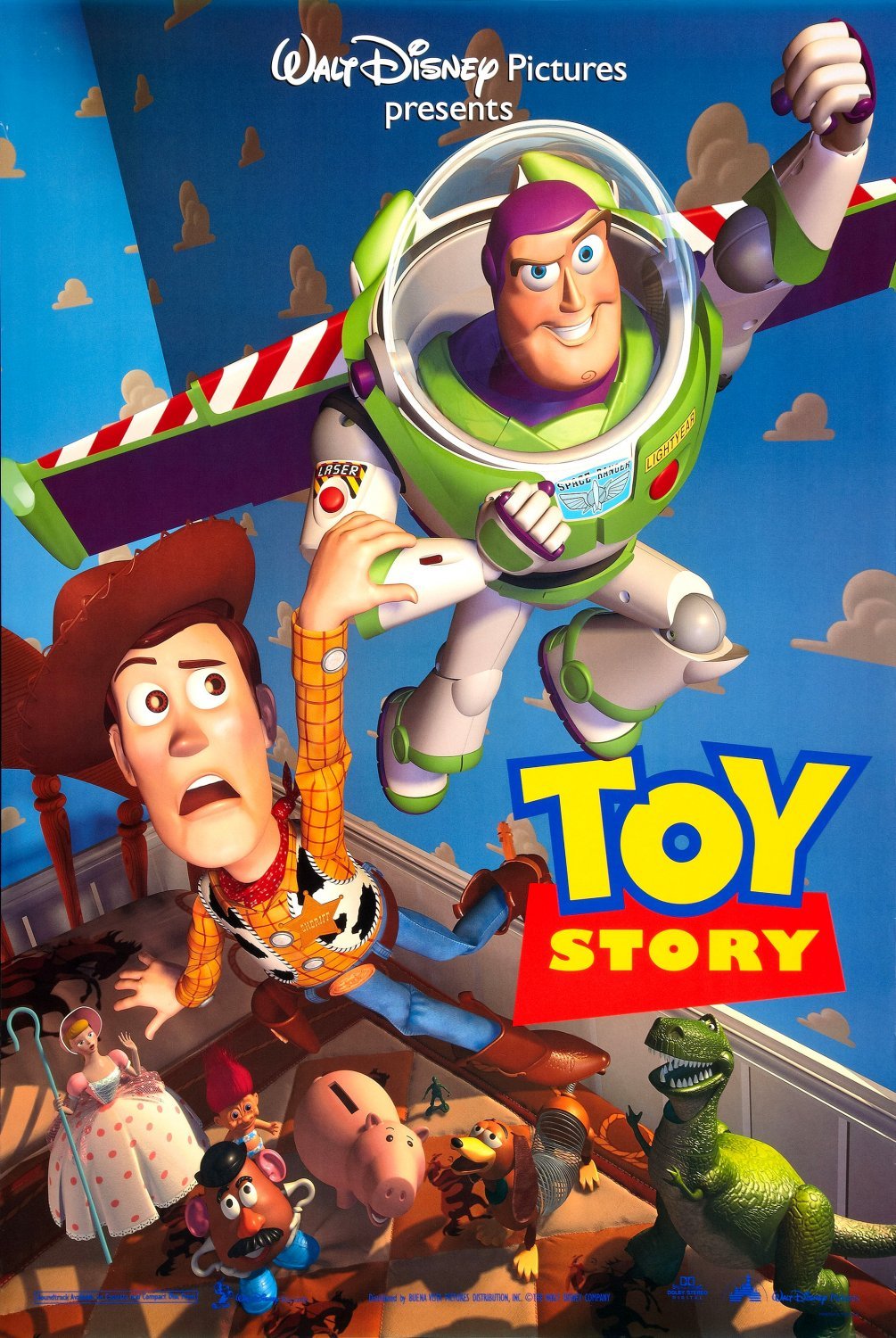
Tom Hanks and Tim Allen define Woody and Buzz Lightyear with performances that breathe life into their characters. Hanks brings a warmth and leadership quality to Woody that makes his jealousy and insecurities all the more relatable, while Allen infuses Buzz with a mix of bravado and naivete that makes his journey from arrogance to camaraderie a joy to watch. Their chemistry forms the backbone of the narrative, grounding it in genuine emotion.
Supporting cast and memorable moments
The supporting characters, from the neurotic Mr. Potato Head to the adorable Rex, provide both comic relief and poignant moments of connection. Each performance adds a distinct layer, enhancing the richness of the toy community. Memorable scenes, such as the siege on Sid’s house, create both tension and laughter, showcasing the delicate balance between humor and genuine stakes that the film masterfully maintains.
Do the characters grow or feel one-note?
Growth is a clear thread running through the character arcs in “Toy Story.” Woody’s journey from jealousy to acceptance is nuanced and believable, mirroring Buzz’s evolution from a self-assured toy to a trusted friend. Their development feels profound, demonstrating that the film refuses to settle for simplistic portrayals. Even minor characters exhibit growth, contributing to a richly textured narrative that celebrates not just friendship but the necessity of change and maturity.
Does the direction and overall execution succeed?
Visual style, animation quality, and world building
“Toy Story” set a new benchmark in animation with its groundbreaking visual style and meticulous attention to detail. The Pixar team’s innovative use of computer-generated imagery not only redefined the medium but also imbued the toys with a vibrant authenticity that captivates viewers. Each setting, from the cozy confines of Andy’s room to the chaotic landscape of Sid’s backyard, serves not just as a backdrop but as an active participant in the narrative. The juxtaposition of familiar domestic spaces with imaginative toy-centered adventures creates an engaging world where the boundaries of reality and fantasy blur, enhancing the viewer’s investment in the story.
Tone, humor, and how well the film balances heart and jokes
The film expertly balances humor with heartfelt moments, a tightrope walk that many animated features struggle to navigate. The witty dialogue and clever visual gags cater to children while carrying layers of subtext that resonate with adults. Woody and Buzz’s playful banter conceals deeper themes of friendship and identity, allowing the humor to land authentically rather than feeling tacked on. Each comedic moment serves a dual purpose; they entertain while also reinforcing the emotional stakes involved. This delicate equilibrium is one of the film’s greatest achievements, ensuring it doesn’t allow sentimentality to overwhelm the narrative.
Music, editing, and other craft elements that stand out
Randy Newman’s score intricately complements the film’s emotional landscape, with songs like “You’ve Got a Friend in Me” weaving seamlessly into the narrative fabric. The music matches the film’s comedic beats and emotional highs, enhancing both moments of levity and poignancy. Editing is crisp, maintaining a brisk pace that allows the unfolding drama to breathe without feeling rushed or drawn out. The cohesiveness of these craft elements underscores the care taken in production, creating an immersive experience that lingers long after the credits roll.
What are the main strengths and weaknesses?
Key strengths that make the film enjoyable
At its core, “Toy Story” succeeds as a multifaceted exploration of timeless themes through the lens of childhood innocence. Its ability to evoke genuine emotion while maintaining a laugh-out-loud humor is a significant strength. The voice performances from Hanks and Allen elevate the film, providing depth to their characterizations. Strong world-building and narrative ingenuity make it engaging for both children and adults, ensuring that its messages about friendship, loyalty, and self-acceptance resonate across generations.
Notable weaknesses or elements that may bother viewers
While the film shines in numerous areas, some may find its reliance on nostalgia somewhat heavy-handed. For younger viewers who lack the same attachment to the themes of growing up, certain emotional beats might feel distant or contrived. The pacing dips during certain emotional sequences, risking alienating those who prefer a steadier rhythm throughout. Additionally, some character types—like the somewhat one-dimensional portrayal of Sid—could feel cliché, failing to challenge viewers in the way the main characters do.
Small things fans love versus fair criticisms
Fans often cling to the small details, such as the clever use of toys as instruments of storytelling, which serve to establish a rich, immersive atmosphere. These touches can elicit a sense of warmth and nostalgia, making them easily forgivable. However, fair criticisms arise with regard to the more formulaic aspects of the plot, which can feel predictable to seasoned viewers. While the film’s strengths far outweigh these weaknesses, they do invite discussion on the balance between innovation and familiarity in narrative structure.
Who is this really for?
Best audience types (kids, families, animation fans, adults)
“Toy Story” is crafted to resonate with audiences of all ages, effectively appealing to children, families, and dedicated animation aficionados. Its unique perspective on childhood experiences, paired with universal themes, ensures that kids find joy in the visual spectacle while adult viewers are drawn to its emotional depth and clever humor. Animation fans can appreciate the groundbreaking craftsmanship and storytelling that laid the groundwork for future animated films.
Who might skip it or be disappointed
Viewers seeking a straightforward plot may find themselves underwhelmed. Those uninterested in exploring themes of friendship, loyalty, or identity might miss the nuanced emotional threads that give the film its lasting impact. Additionally, audiences averse to animated films altogether could dismiss it simply due to genre bias, missing the masterful storytelling that transcends medium-specific confines.
How different age groups experience it differently
Children likely engage with “Toy Story” through its humor and action, reveling in the vibrant characters and their antics. In contrast, adults may find themselves reflecting on the deeper implications of childhood and nostalgia—moments that the younger audience may overlook. Critically, older audiences are likely to relate emotionally to Woody and Buzz’s struggles as metaphors for their own experiences, adding layers of meaning that enrich repeat viewings. This disparity in perception emphasizes the film’s multi-generational appeal, solidifying its status as a classic that invites revisiting.
Is it worth rewatching and does it hold up today?
Elements that reward repeat viewings
“Toy Story” invites repeated viewings, not simply for its nostalgia but for the layered nuances within its storytelling. Every revisit unveils fresh details in character dynamics and situational humor that may have eluded younger audiences. Observing Woody’s complex blend of leadership and insecurity, or Buzz’s journey toward self-awareness, offers new dimensions to their character arcs. Furthermore, the film’s clever visual storytelling rewards viewers—each frame harbors visual gags and subtle references that deepen the experience. The emotional beats resonate more profoundly with each viewing, especially as audiences grow and their own life experiences shift, allowing a deeper connection to its core themes.
Any dated aspects or moments that age poorly
While “Toy Story” remains largely timeless in message and execution, certain aspects feel a touch dated, primarily in its portrayal of gender roles and character stereotypes. Character representations, particularly in side characters like Barbie and some of the male toys, can come across as simplistic or clichéd in today’s context. Additionally, the animation, while groundbreaking for its time, may seem less sophisticated by contemporary standards, which could detract from the viewing experience for those accustomed to today’s hyper-realistic CGI. However, these elements don’t heavily detract from the overall charm; rather, they evoke a sense of history in both animation and storytelling.
Nostalgia factor versus new viewer experience
The nostalgia factor is undeniably strong, particularly for adults who grew up with the film. This emotional connection often enhances the viewing experience, as revisiting the film can trigger fond memories of childhood. For new viewers, however, while the narrative holds enough universal appeal, some may not relate as directly to its themes. The exploration of jealousy, self-discovery, and friendship could feel less resonant for those without the context of growing up alongside these characters. Yet, the balance of humor and heartfelt moments provides an engaging experience for newcomers, ensuring “Toy Story” remains accessible regardless of age or nostalgic ties.
How does this compare to the sequels and other Pixar films?
How it sets up or differs from Toy Story 2 and later entries
“Toy Story” lays a robust foundation for its sequels, establishing character dynamics and thematic explorations that the later films intricately build upon. Where the original focuses on identity and the struggles of toys amidst their changing world, “Toy Story 2” escalates these themes by diving deeper into the fear of abandonment. This growth in narrative complexity showcases Pixar’s ability to evolve its characters—maintaining their core essence while introducing new dilemmas. Each subsequent installment amplifies the stakes and emotional depth, culminating in a rich tapestry that reflects the characters’ maturity paralleling the audience’s experiences.
Where it sits in Pixar’s evolution as a studio
As the inaugural feature from Pixar, “Toy Story” serves not only as a revolutionary moment in animation but also as a cornerstone for the studio’s ethos of storytelling. Its success established Pixar as a leading force in animated cinema, stressing the importance of emotional warmth and character development over mere spectacle. The film’s legacy seems evident in later works, such as “Inside Out” and “Coco,” where emotion-driven narratives take precedence. In this sense, “Toy Story” doesn’t just hold historical significance; it embodies Pixar’s ongoing commitment to crafting meaningful stories that resonate with audiences, making it a touchstone in the larger narrative of animated filmmaking.
Should you start here or watch another Pixar entry first?
Starting with “Toy Story” is undoubtedly advisable for newcomers to Pixar’s oeuvre, as it encapsulates the studio’s spirit in a landmark way. The film introduces the fundamental themes that will recur throughout Pixar’s catalog: growth, friendship, and the complexity of emotions tied to childhood. Watching it first allows new viewers to appreciate its pioneering nature and narrative breakthroughs before exploring subsequent works that expand upon these thematic foundations. While watching a more recent Pixar film might be visually striking, “Toy Story” offers an essential perspective on how animated storytelling can deftly juggle humor and emotion.
Any content warnings or age suitability to know before watching?
Brief notes on scary or emotional scenes
The film contains several moments that could be unsettling for very young viewers, notably scenes involving the character Sid and his misdeeds toward toys. His portrayal conveys an eerie sense of danger, especially when toys come to life in distressing situations. Additionally, emotional scenes—such as moments of jealousy between Woody and Buzz, or the heart-wrenching implications of toys being forgotten—carry an emotional weight that may resonate deeply, especially for children grappling with their own feelings of insecurity or abandonment.
Language, mild peril, and family-friendliness
“Toy Story” remains largely family-friendly, featuring only mild peril and minimal language that might raise concerns for parents. A few mild scatological jokes and some slightly intense confrontations among toys serve as the film’s only edge. These elements are handled with care, ensuring they remain suitable for the young audience while still engaging adults. The overall tone stays light-hearted, focusing predominantly on friendship and collaboration, making it a safe choice for family movie nights.
Recommended minimum viewing age and parent tips
For parents considering if their children are ready for “Toy Story,” a recommended minimum viewing age would be around four or five years old. At this age, children can likely appreciate the humor and messages without becoming overly frightened by the more intense moments. It may be beneficial for parents to watch alongside younger viewers, allowing them to contextualize certain emotional themes or unsettling scenes. Encouraging discussions about emotions or character choices can enrich the experience, fostering a deeper understanding of the film’s messages while keeping the viewing enjoyable.
Where can you watch Toy Story and how long is it?
Typical streaming and rental options (where to look)
“Toy Story” is widely accessible across various platforms, making it easy for new generations of viewers to experience this iconic film. It’s primarily available for streaming on Disney Plus, reflecting the company’s ownership of the Pixar catalogue. For those who prefer not to subscribe, rental options abound on popular services like Amazon Prime Video, Google Play, and YouTube. Physical copies remain an option, with DVDs and Blu-rays featuring extras that appeal to die-hard fans and collectors. It’s worth checking local streaming offerings as availability may vary by region, but rest assured, the film’s enduring popularity ensures it’s part of most content libraries.
Runtime and best viewing format (HD, rewatching on TV)
Clocking in at a brisk 81 minutes, “Toy Story” is efficiently paced—the film doesn’t waste time while still delivering a complete narrative arc. This compact runtime makes it a perfect choice for families with young children whose attention spans might wane during longer features. For optimal viewing, the film shines in High Definition; the clarity accentuates the vibrant animation and detail that initially captivated audiences in the 90s. Rewatching on a larger screen, especially in HD, can reveal nuances in character expressions and background details that enhance the viewing experience, making it feel fresh even after multiple viewings.
Original release year and whether a remaster matters
Released in 1995, “Toy Story” isn’t just a product of its time but a pivotal moment in cinematic history. The film’s impact resonates not only as the first entirely computer-generated feature but also as a cultural touchstone. Since the original release, there have been remastered versions that improve visual fidelity and occasionally offer enhanced soundscapes. While the remastering is a boon for audiophiles and visual purists, the heart of “Toy Story” remains intact regardless of the format. Its timeless themes and character-driven storytelling ensure that its emotional punch, which transcends production techniques, persists powerfully across generations.
FAQs
Is Toy Story appropriate for very young kids?
Generally, “Toy Story” suits children aged four and older, featuring themes and humor that resonate with younger viewers. The film’s gentle exploration of identity, friendship, and emotional struggles unfolds in an engaging manner without heavy emotional baggage. However, some scenes involving the character Sid may be unsettling due to his treatment of toys, which could frighten or confuse especially sensitive children. Parental discretion is advisable for very young viewers, as a managed introduction to the film could foster understanding and discussion about the emotional undertones present within its charming narrative.
Is Toy Story available on Disney Plus or other services?
Yes, “Toy Story” is prominently featured on Disney Plus, making it accessible to subscribers who wish to revisit it or introduce it to new viewers. Its presence on this platform is fitting, given that Disney acquired Pixar, further solidifying its importance in the animated film canon. Other streaming services like Amazon Prime and Google Play do offer rental options, providing flexible viewing for those not committed to a subscription. As viewing habits continue to shift, the film’s availability reflects its enduring relevance in popular culture.
How does Toy Story compare to Toy Story 2?
While both films explore growth and friendship, “Toy Story 2” takes thematic depth to new heights. The original introduces the conflict stemming from jealousy and identity, but the sequel delves into themes of abandonment and the inevitability of change, amplifying the emotional stakes. It enriches the emotional landscape by raising questions about purpose and belonging that resonate with both children and adults. The character development in “Toy Story 2” is notably more profound, particularly Woody’s journey toward acceptance of his own worth beyond being a beloved toy. Collectively, the sequels enhance and complicate the themes established in the original, demonstrating Pixar’s commitment to storytelling that evolves alongside its audience.
What do people say about Toy Story on Reddit?
Discussions on Reddit paint “Toy Story” as not only a beloved childhood classic but also a film that elicits intense nostalgia among adult viewers. Various threads reveal a rich tapestry of personal anecdotes highlighting how the film shaped many viewers’ relationships with toys and influenced their perceptions of childhood. Fans often analyze its themes of friendship and insecurity, dissecting character motivations and the narrative’s emotional depth. Those often celebrate its humor while reflecting on how it lines up with their own experiences of growing up, illustrating the film’s lasting impact and relevance across diverse age groups.
Where can I find Toy Story reviews and ratings like Rotten Tomatoes?
“Toy Story” boasts a warm reception on review aggregator sites like Rotten Tomatoes, where it holds a near-perfect score, reflecting the overwhelming critical and audience acclaim. For those interested in in-depth reviews, sites like IMDb, Metacritic, and Letterboxd provide user ratings and critiques that can enhance understanding of the film’s multifaceted appeal. Exploring these reviews offers insight into how “Toy Story” resonates across different demographics and generations, allowing viewers to engage further with the film’s legacy.
Is there a short review essay or deeper analysis worth reading?
For readers seeking a deeper dive, several essays and articles dissect “Toy Story” with a critical lens. Websites like Medium and various film journals often host analyses that explore its innovative storytelling, animation techniques, and thematic richness. One notable essay examines its contribution to the evolution of animated cinema and its reflection on childhood experiences, discussing how it paved the way for modern animated narratives. Exploring such content not only enriches the viewing experience but opens conversations about the film’s cultural significance and artistic achievements—a worthwhile endeavor for any avid fan.