
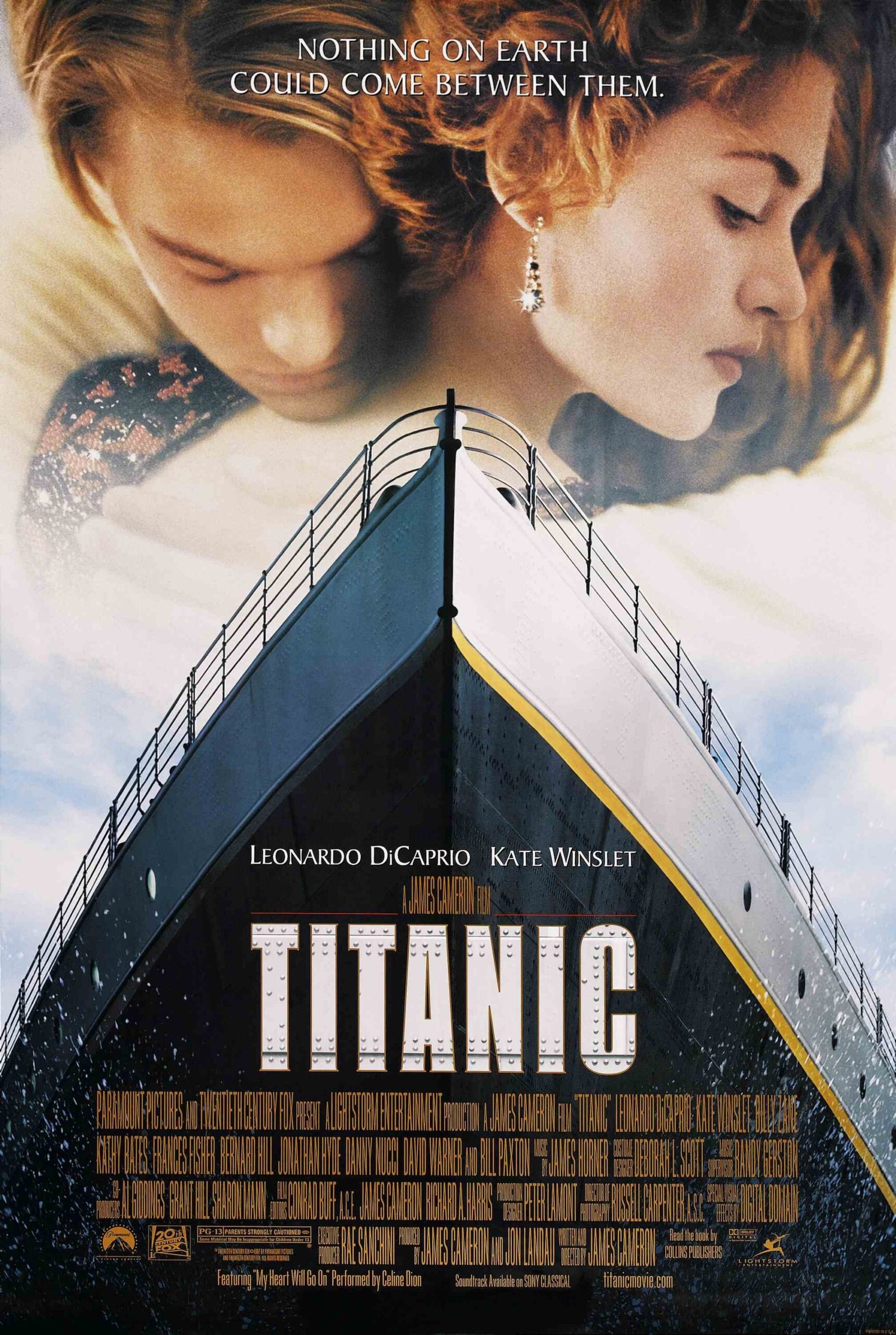

Information
TL;DR
Quick verdict — is it worth your time?
James Cameron’s Titanic remains an enduring cinematic masterpiece that seamlessly blends romance and disaster. Its exploration of love amidst tragedy continues to resonate deeply with audiences. Whether you’re revisiting the film or watching it for the first time, its rich visual storytelling and powerful performances warrant every moment of your attention.
One-line takeaways for rewatchers and newcomers
- For newcomers: Prepare for an emotional rollercoaster that captures the grandeur of true love intertwined with historical calamity.
- For rewatchers: Revel in the nostalgia of iconic scenes while noticing nuances in character dynamics you may have missed before.
So what’s the setup here?
Time, place, and tone without spoiling the plot
Set against the ill-fated voyage of the RMS Titanic in 1912, the movie immerses viewers in a world of opulence and stark class divides. The tone oscillates between grand romanticism and impending doom, effectively heightening the stakes through its lush cinematography and haunting score. The film isn’t merely a retelling of a historical event; it captures the zeitgeist of an era laden with ambition and anticipation, all while foreshadowing a catastrophic endpoint.
The central relationship and the stakes
At the heart of Titanic is the romantic connection between Jack Dawson and Rose DeWitt Bukater, two souls from diverging social strata. Their love story unfolds within the chaos of class disparity, societal expectations, and an impending disaster. The stakes aren’t just personal; they reflect a broader commentary on human experience—an exploration of freedom, identity, and the endurance of love against insurmountable odds. This relationship not only serves as the emotional anchor but also enhances the film’s thematic depth.
Does the story and pacing hold up after all these years?
Where the romance and disaster mix well
The interplay between tender moments and the looming disaster creates a captivating rhythm. James Cameron expertly balances Jack and Rose’s burgeoning love with the historical accuracy of the Titanic’s fate. Iconic scenes, like the famous “I’m flying” moment on the ship’s bow, are equally poignant against the backdrop of the ship’s tragic end. The juxtaposition of passion and tragedy amplifies the emotional impact, making the plot’s progression feel inevitable and deeply affecting.
When the movie slows down and why it still works
Though some segments of the film slow down, this pacing proves essential to character development. The quieter moments allow audiences to immerse themselves in the characters’ inner lives and the societal pressures that shape them. Conversations about dreams and desires are critical to forming a connection not just with the characters but with the overarching themes of hope and despair. These slower moments pave the way for a richer narrative experience, ensuring that by the time disaster strikes, viewers are acutely aware of what is at stake.
As Titanic continues to make waves in film discussions, its balance of romance and tragedy affirms its place in cinematic history. The film’s enduring legacy speaks to both the art of storytelling and the universal appeal of love, making it as relevant today as it was at its release. So dive back into this timeless tale — the sea of emotions awaits.
Are the performances convincing?
DiCaprio and Winslet — chemistry and emotional range
Few films have managed to etch their lead performances into the annals of cinematic history like Titanic. Leonardo DiCaprio and Kate Winslet deliver performances that transcend mere acting; they embody their characters, Jack and Rose, with an intensity that is both intoxicating and heartbreaking. Their chemistry is palpable; moments of joy illuminate their first encounters, and the tension of their love story deepens as external pressures mount.
DiCaprio’s nuanced portrayal of Jack Dawson showcases a blend of youthful optimism and raw vulnerability, allowing viewers to believe wholeheartedly in his dream to escape class constraints through love. Winslet’s Rose DeWitt Bukater is a multifaceted character who oscillates between fear and courage, embodying a struggle for autonomy that resonates even in today’s socio-political landscape.
Both actors delve deep into emotional reservoirs, navigating the complexities of a love blossoming against the backdrop of impending disaster. The interactions between them evoke genuine laughter, tears, and ultimately a sense of tragedy, underlining the stakes of their relationship. Their performances, even after decades, continue to resonate with audiences, demonstrating a rich emotional range that sets them apart in romantic cinema.
Supporting cast and small moments that matter
While DiCaprio and Winslet take center stage, the supporting cast adds intricate layers to Titanic. Characters like Bill Paxton as the modern-day treasure hunter searching for the ship’s remnants and Frances Fisher as the constrained yet conflicted Ruth DeWitt Bukater infuse the narrative with small moments that serve to ground the larger themes of love and loss.
Characters such as Thomas Andrews, the ship’s builder, played by Victor Garber, and the antagonist Caledon ‘Cal’ Hockley, portrayed by Billy Zane, contribute to the film’s texture. Their nuanced portrayals elevate the stakes for the primary love story.
These seemingly minor roles accumulate into a larger commentary on class divide and societal expectations, proving how important it is for a film to balance its emotional highs with grounded performances. The chemistry within the ensemble shines in these small yet pivotal moments—every look exchanged or fleeting reaction accentuates the film’s dramatic tension.
Do the visuals still impress?
Scale, production design, and the big set pieces
From the majestic opening shot gliding over the ocean to the breathtaking recreation of the ill-fated ship, Titanic remains a visual masterpiece. The grandeur of the ship itself, complete with meticulously crafted interiors—from the lavish first-class dining room to the cramped quarters of steerage—showcases the incredible attention to detail that James Cameron demanded from his team.
The production design brings an almost tangible reality to the film, immersing audiences into the world of 1912. The iconic moments—like the romantic scene at the front of the ship—capitalize on the scale of the set pieces. The sheer visual spectacle of the iceberg collision scene, with its blend of practical effects and CGI, still demands awe.
Cameron’s vision translated into reality is not simply for visual impact; it directs emotional responses by immersing audiences in a world full of beauty that is destined for destruction. The tension between opulence and tragedy adds layers to the experience, serving as a constant reminder of what stands to be lost.
Cinematography choices that sell the emotion
Cinematographer Russell Carpenter’s work captures the essence of the narrative through his symbolic framing and masterful use of lighting and shadows. The sweeping shots of the ship juxtaposed with deeply intimate close-ups evoke a sense of loneliness within the crowd, a recurring theme throughout the film.
The choices made in color grading heighten emotional resonance; warm hues during moments of love contrast sharply with cold blues during the disaster, signalling the dramatic shift in tone as the narrative unfolds. Furthermore, the use of water as a character—sometimes serene, sometimes chaotic—further amplifies emotional stakes.
Cameron’s use of camera angles, whether it’s the upward tilt that reveals the ship’s enormity or extreme close-ups that capture fleeting emotions, adds to the immersive experience. These creative decisions are not merely aesthetic; they calculate the rhythm of the story, propelling audiences deeper into the emotional core of Jack and Rose’s epic journey.
How does the music land?
The score’s role in the emotion
James Horner’s score for Titanic weaves through the fabric of the film, enhancing emotional beats while remaining unobtrusive. Each swell of the orchestra punctuates moments of joy and heartbreak, guiding viewers through the rollercoaster of Jack and Rose’s relationship.
The music’s strategic placement within scenes complements the visual storytelling, creating an emotional landscape that propels viewer engagement. As the tension escalates, the score shifts from gentle motifs to more dramatic crescendos, aligning with the characters’ rising stakes. It underscores pivotal moments—their first meeting, the frantic dash to safety—deepening audience emotional investment.
Horner’s score serves as an additional character: the sorrowful strings evoke a lingering sense of loss, while the triumphant brass celebrates fleeting happiness. This soundscape plays a crucial role in bridging the narrative’s emotional highs and lows, making it an indispensable part of the film’s success.
That famous song — why it’s more than a gimmick
Celine Dion’s “My Heart Will Go On” is arguably one of the most recognizable songs in cinematic history, but its enduring appeal lies beyond commercial success. The song encapsulates the film’s themes of eternal love and loss, expertly resonating with audiences long after the credits roll.
The craftsmanship in the song lies in its lyrical depth, reflecting the emotions experienced by Jack and Rose. It serves as a poignant reminder of their love story’s temporality, resonating with universal themes of longing and memory. Rather than feeling like an opportunistic gimmick, it enhances the story, acting as a haunting echo of their relationship.
The placement of “My Heart Will Go On” at the film’s climax underlines the emotional stakes and cements its status as more than mere song; it’s the thematic heartbeat of Titanic itself. The song adds another layer to the experience, one that lingers in the hearts of audiences, reinforcing that love can endure, even through tragedy.
In conclusion, James Cameron’s Titanic remains a towering achievement not just because of its box office success or technological advancements, but because of its deep emotional resonance that continues to captivate and inspire.
Titanic Review – Article
What works — the good stuff
Emotional beats that stick with you
The enduring legacy of “Titanic” lies in its ability to evoke profound emotional responses. From the moment Rose steps into the frame, her struggles and aspirations resonate on multiple levels. The romance between Jack and Rose, in all its splendor and tragedy, creates a narrative that stays with you long after the credits roll. The film masterfully juxtaposes fleeting joy against the grim backdrop of impending disaster, accentuating themes of love, loss, and resilience. Each heartbeat shared between the characters feels like a poignant moment in the tempest of their fate, delivering a visceral experience that speaks to the viewer’s empathy.
Technical achievements that earn the spectacle
The technical prowess of “Titanic” is nothing short of spectacular. James Cameron’s direction seamlessly integrates innovative visual effects with authentic set design, making the titular ship a character in its own right. The cinematography beautifully captures grandeur, from sweeping shots of the ocean to intimate close-ups that focus on the characters’ emotions. The meticulous attention to historical detail not only grounds the story but enhances its visual appeal, breathing life into the bygone era. Coupled with a haunting score by James Horner, the film becomes a sensory journey that not only tells a story but immerses the audience in a fully realized world.
Why people keep recommending it
What makes “Titanic” a persistent topic of conversation is its timeless narrative and artistry. The film transcends the constraints of its genre, appealing to a broad spectrum of audiences who find something deeply relatable within its frames. People recommend it not merely for its spectacle, but for the way it captures human experience. Themes of social stratification, love amidst chaos, and the triumph of the human spirit resonate with viewers across generations. A movie that bridges cultural gaps and connects diverse audiences is one that deserves to be remembered and revisited.
Standout moments (no spoilers)
The show-stopping sequences you’ll remember
“Titanic” is replete with iconic moments that have etched themselves into cinematic history. From Jack and Rose’s euphoric “I’m flying” scene atop the ship to the harrowing sequence of the iceberg collision, each scene stands out for its emotional gravity and visual flair. The sinking of the ship, wrought with chaos and panic, serves as a haunting reminder of the fragility of life. These moments are not mere plot points; they are orchestrated crescendos that create a rich tapestry of experience, blending action and drama with lyrical beauty.
Quiet, character-first scenes that hit hardest
It’s often in the quieter moments where “Titanic” shines brightest. The intimate conversations between Jack and Rose reveal the essence of their characters’ dreams and fears. The film takes time to explore themes of class disparity, with scenes like Rose’s dinner with her fiancé and his family serving as poignant critiques of societal expectations. These slower-paced sequences allow audiences to invest emotionally in the characters, fostering a connection that makes the eventual tragedy feel even more impactful. By focusing on character development, “Titanic” transforms from a simple disaster narrative into a profound exploration of human relationships.
Who will love Titanic and who might skip it?
Perfect for fans of big, emotional epics and classic romance
“Titanic” is a must-see for anybody who revels in grandiose storytelling and heartfelt romance. Fans of epics that gracefully weave historical context with intimate human experiences will find themselves enraptured by the film’s sweeping narrative. If you cherish films that indulge in emotional depth and grand themes of love and sacrifice, “Titanic” provides an experience that is not only entertaining but also enriching. The film’s impact is amplified by its ability to resonate with the viewer on a personal level, offering insights into love’s enduring power amid tragedy.
Might feel long or melodramatic if you prefer lean thrillers
While many celebrate “Titanic” for its lengthy runtime and dramatic arcs, others might find it less appealing. For viewers who prefer tightly woven plots or succinct storytelling, the film may feel overly drawn out or melodramatic. The pacing allows for character development, but it could be disorienting for those used to lean thrillers where every second counts. Individuals who seek fast-paced narratives filled with suspense might find themselves checking their watches instead of soaking in the emotional landscape Cameron has crafted.
In closing, “Titanic” is a cinematic achievement that resonates with time-honored themes of love and loss while showcasing technical marvels. With a mix of emotional depth and grand spectacle, it’s easy to see why it has become a cultural touchstone. As audiences eagerly anticipate revisiting this classic, the conversation around its layered storytelling and iconic moments will undoubtedly continue for generations to come. The resonance of “Titanic” is a testament to the timeless nature of storytelling itself.
Titanic Review – Article
FAQs
Is Titanic worth rewatching?
Absolutely, Titanic stands as a cinematic monument, making it a prime candidate for rewatching. Its combination of romance, historical tragedy, and groundbreaking filmmaking ensures it continues to resonate, even more than 25 years after its initial release. Each revisit reveals new layers, whether it’s the poignant performances of Leonardo DiCaprio and Kate Winslet or the stunning visual effects that brought the ill-fated ship to life.
The emotional depth embedded in the characters’ arcs, paired with James Cameron’s masterful direction, prompts viewers to reflect on themes of love, sacrifice, and social class—themes that remain relevant. The film’s infamous conclusion hits differently with each viewing, serving as a bittersweet reminder of the fragility of life.
Moreover, the film’s rich production design, costumes, and score elevate it beyond mere entertainment into the realm of art, making it essential viewing for true film enthusiasts. Whether you’re connecting with Rose’s fierce independence or Jack’s earnest ambition, rewatching Titanic offers a fresh lens on storytelling that reaffirms its legendary status in cinema history.
Where can I watch Titanic (1997)?
As one of cinema’s most celebrated films, Titanic is readily available across multiple platforms. You can find it on popular streaming services such as Amazon Prime Video and Hulu. It’s often available for rental or purchase through platforms like iTunes, Google Play, and Vudu.
Cable television occasionally airs the film, and it’s also common for it to be featured in film festivals or special event screenings, especially around anniversary dates. For those who prefer a physical copy, Blu-ray and DVD versions are easily accessible.
Regardless of which method you choose, experiencing Titanic remains a captivating journey that invites both old fans and new viewers to savor its timeless tale of love and loss.