
Information
Information
The Wolf of Wall Street Review – Article
TL;DR
Quick verdict
The teaser trailer for The Wolf of Wall Street masterfully sets the stage for a wild cinematic journey packed with excess, greed, and moral ambiguity. Directed by Martin Scorsese, the film promises an exhilarating ride through the highs and lows of Wall Street in the late 1980s and 90s.
One-line take: watch, skip, or rewatch?
Watch it if you’re ready for an unapologetic exploration of capitalism gone awry, complete with dark humor and an electric performance by Leonardo DiCaprio.
What’s the vibe here?
Energy level and tone
From the first frame, the The Wolf of Wall Street teaser trailer radiates an infectious frenetic energy that epitomizes the chaotic world it seeks to portray. Dynamic editing, rapid-fire cuts, and an upbeat soundtrack fuse together to create an ambiance brimming with an aggressive, almost manic sense of urgency. Scorsese’s signature style shines through in the carefully curated visuals that juxtapose luxurious excess with the grim realities of financial ambition.
Is it funny, aggressive, or both?
The excitement in the trailer is laced with dark humor, presenting Wall Street’s sordid lifestyle as both a spectacle and a satire. It balances moments of outrageousness with sharp comedic timing, providing a glimpse of the absurdity surrounding wealth and ambition. The contrasting tones—frenetic highs and sobering lows—fuel this hypnotic blend, making it both amusing and aggressive.
How wild should you expect it to be?
Expect a wild rollercoaster ride, rife with debauchery and moral complexities. The teaser hints at over-the-top parties and unspeakable excess, showcasing not just the euphoria of financial success, but also its inevitable fall. If Scorsese’s track record is any indication, viewers should brace themselves for an unfiltered look at what happens when ambition collides with human decadence.
What’s The Wolf of Wall Street about? (no spoilers)
The basic setup in plain terms
The Wolf of Wall Street dives into the life of Jordan Belfort, a stockbroker whose meteoric rise to the top of Wall Street leads to a lifestyle of extreme hedonism and corruption. As Belfort navigates his newfound wealth and power, he becomes embroiled in a world of fraud, greed, and moral decay, ultimately prompting a reckoning with the consequences of his actions.
Release year, director, and why it matters
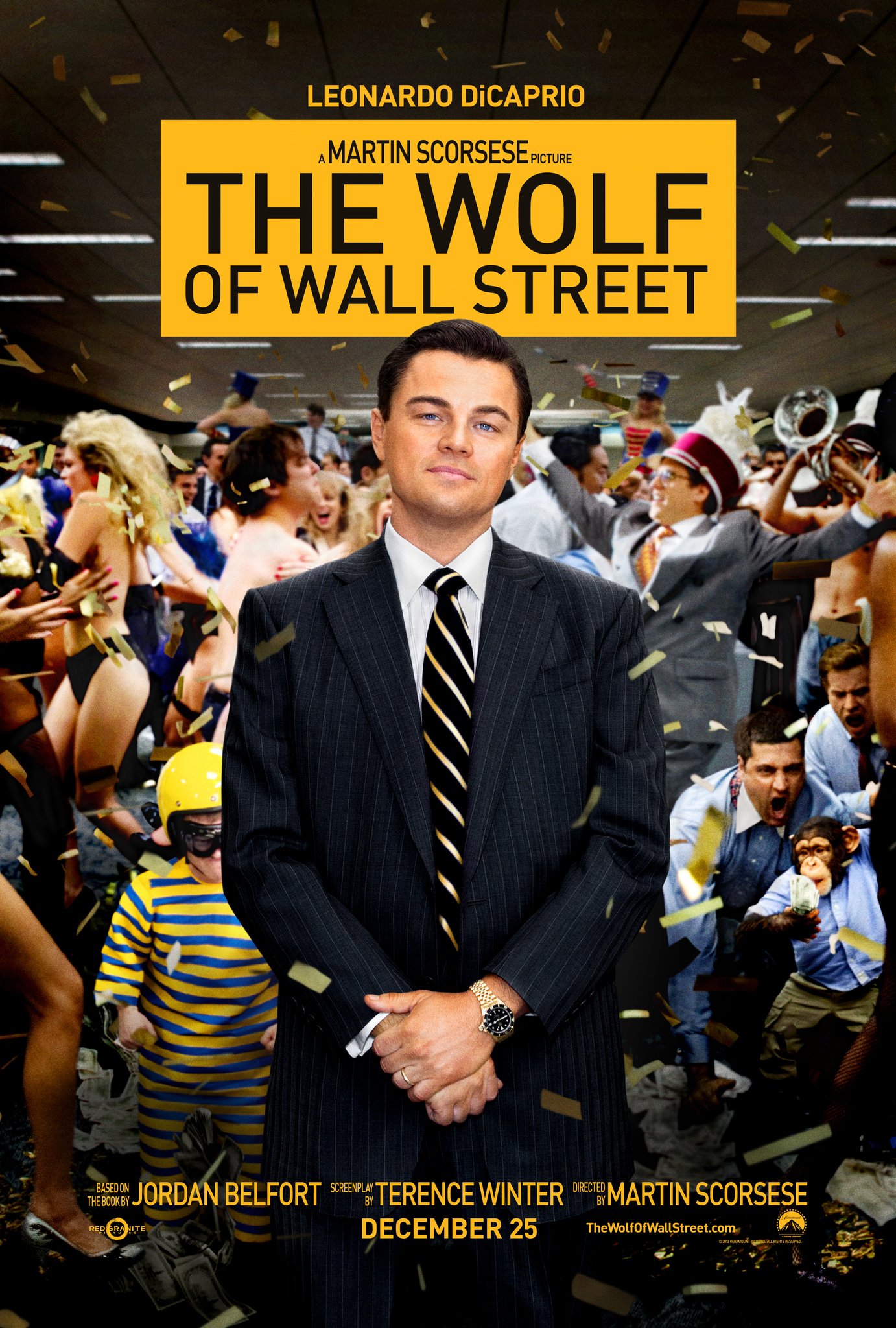
Released in 2013, The Wolf of Wall Street marks another monumental collaboration between legendary director Martin Scorsese and lead actor Leonardo DiCaprio. Scorsese’s direction infuses the film with a vibrant pace and relentless energy that echoes his previous works, yet explores new thematic depths related to ambition and the dark side of the American Dream. This partnership setup has not only led to multiple award nominations but has also continued the conversation around morality in modern storytelling.
Who the main players are
Leonardo DiCaprio stars as the ambitious and morally ambiguous Jordan Belfort, a performance that has been widely regarded as one of his career bests. Joining him are a stellar ensemble cast including Jonah Hill as Belfort’s confidant, Margot Robbie as his ambitious wife, and Matthew McConaughey in a memorable supporting role. The ensemble not only adds layers to the narrative but also showcases various perspectives on wealth, ethics, and ambition.
With a masterful trailer breaking down the chaotic journey of The Wolf of Wall Street, it’s clear that this film stands as a monument to both Scorsese’s cinematic vision and the modern ethos of excess. The adaptation of Jordan Belfort’s wild life, the stellar cast, and the sharp direction can only mean one thing: The Wolf of Wall Street is poised to leave an indelible mark on the film landscape for years to come.
The Wolf of Wall Street Review – Article
Does the story and pacing hold up?
How the film moves across its runtime
Running at nearly three hours, “The Wolf of Wall Street” demands attention from the opening scene, immediately immersing viewers into the chaotic world of Jordan Belfort. The film’s frenetic pace reflects the unrelenting nature of Belfort’s lifestyle; it’s a rollercoaster of excess and moral ambiguity that hardly allows for a moment’s respite. Scorsese has crafted a narrative structure filled with sharp cuts, dizzying montages, and spectacularly staged debauchery, compelling audiences to keep up with the whirlwind.
Moments that speed things up or slow them down
The film oscillates between high-octane sequences—like the iconic boat scene, where a drug-fueled, chaotic atmosphere reigns—and quieter moments that invite introspection, such as Belfort’s interactions with his wife. These moments serve crucial purposes; the manic scenes amplify excitement, while the slower exchanges provide a glimpse into the soured personal relationships intertwined with Belfort’s professional life. The contrast effectively heightens the stakes, making the viewer acutely aware of the havoc that wealth and addiction can wreak on a life.
Is the length justified?
Many might question if such an expansive runtime is warranted, but for Scorsese, length serves a purpose. It allows ample space for the characters’ development and the showcasing of their extreme lifestyles. The elaborate character arcs, particularly Belfort’s descent into moral decay, become more poignant when completely fleshed out. Each drawn-out moment feeds into the film’s pointed critique of capitalism and excess, ultimately making the lengthy experience not only justifiable but also essential.
Are the performances convincing?
Leonardo DiCaprio: what he does with the role
DiCaprio fully inhabits Jordan Belfort, embodying not just the charm but also the moral turpitude that defines the character. His performance is both electric and disarming, balancing charisma with a darker undertone that surfaces as the narrative unfolds. DiCaprio skillfully navigates through moments of comedy and drama, capturing the internal conflict of a man torn between ambition and ethics. It’s more than just a performance; it feels like an excavation of the man who truly existed beneath the surface of the public persona.
Best supporting turns and chemistry
The supporting cast shines just as brightly. Margot Robbie as Naomi Lapaglia adds depth, creating a dynamic filled with sexual tension and compassion, showcasing the duality of love and exploitation. Jonah Hill, in perhaps his most surprising role, complements DiCaprio with a portrayal of Donnie Azoff that’s both hilarious and sinister. The chemistry among the cast elevates the film’s tumultuous atmosphere, amplifying the disasters that befall Belfort and his inner circle.
Any performance that surprises or distracts
While most performances are noteworthy, some choices may leave audiences divided. For instance, Rob Reiner, playing Belfort’s father, injects humor but could feel slightly out of place amidst the surrounding chaos. Although not a poor performance, it walks a fine line between levity and distraction, occasionally drawing focus from the more critical characters at play. However, it’s a minor hiccup in an otherwise stellar ensemble.
What works — the good stuff
Sharp writing and memorable lines
The screenplay is a cornerstone of “The Wolf of Wall Street,” packed with biting wit and brutally honest commentary. Lines like “I’m not even fucking mad” have become cultural touchstones, encapsulating the impossible thrill of unrestrained excess. Terence Winter’s sharp dialogue and monologues provide an intoxicating rhythm, pulling viewers deeper into the chaos of Belfort’s life and the world around him.
Direction and visual energy
Scorsese’s direction is a visual feast; each frame bursts with energy that mirrors the foreign allure of high finance and societal excess. The film is indulgent, yet each lavish party scene and poignant revelation feels deeply intentional rather than merely excessive. Scorsese harnesses a style reminiscent of his previous work while pushing boundaries, crafting visceral moments that illustrate the highs and lows of a contemporary Faustian tale.
Music, editing, and the film’s rhythm
The eclectic soundtrack punctuates the film’s sweeping narrative, using popular songs to underscore both honesty and kitsch, revealing layers of character and emotion. The editing, impeccable throughout, enhances the story’s pulsating rhythm, bringing a feverish tempo that’s poignant during chaotic sequences and smooth during more reflective moments. Together, these elements create a seamless flow that mirrors Belfort’s dizzying rise and fall.
Where the satire actually lands
Crucially, the film’s satire resonates, calling into question the moral compass of its characters and, by extension, society itself. Scorsese critiques not just Belfort’s lifestyle but the very system that allows such moral depravity to flourish. The glorification of wealth is laced with dark humor, and by allowing audiences to revel in the chaos and then reflect on it, he instills a sense of duality: pleasure intertwined with shame. This effective satire ensures viewers leave with more than just entertainment, but with resilience to reconsider their perceptions of success.
As we analyze “The Wolf of Wall Street,” it becomes clear that its intricate storytelling, riveting performances, and powerful visual style establish it as a modern classic. The movie’s ability to weave humor with despair provides a sharp commentary, ensuring it resonates with audiences long after the credits roll. With its exploration of ambition balanced on the edge of morality, the film raises questions of responsibility and consequence in modern society.
Ultimately, “The Wolf of Wall Street” triumphs not only as a cinematic spectacle but as an enduring reflection of human desire and its sometimes destructive path. It positions itself as a cautionary tale, suggesting that while the siren call of success can be intoxicating, it often leads to irreversible downfall. The film’s audacity, both in storytelling and stylistic choices, may help it secure its place in film history as one of Scorsese’s most audacious statements on contemporary American culture.
# The Wolf of Wall Street Review - Article

## What might bother you

### Moral gray areas and rooting for unlikeable people

Martin Scorsese’s "The Wolf of Wall Street" unapologetically thrusts audiences into the chaotic life of Jordan Belfort, a man who embodies greed and excess. As we navigate his rise and eventual fall, we're often left questioning where our empathy should lie. The film does little to sanitize Belfort's morally bankrupt actions. Instead, it challenges viewers to confront their feelings about a protagonist who exploits others for his gain. Many might find themselves torn, laughing at Belfort's audacious antics one moment, only to recoil at the implications of his choices the next. This moral ambiguity isn’t merely a narrative device; it forces an uncomfortable introspection about our own fascination with wealth and power.

### Graphic content and triggers to watch for

The film’s unapologetic approach extends to its graphic content, laden with nudity, drug use, and scenes that graphically depict unethical behavior. From blistering party sequences to the violent consequences of excess, it’s an immersive experience that can be overwhelming. Viewers sensitive to substance abuse, sexual content, or unethical behavior might find certain scenes triggering. Scorsese doesn’t shy away from showing the dark side of his characters’ lifestyle, raising valid concerns about the impact of wealth on morality. If you're considering a viewing, it’s essential to be prepared for a visceral ride that lays bare the hedonism and destruction accompanying rampant capitalism.

### Repetition or scenes that overstay their welcome

Clocking in at over three hours, "The Wolf of Wall Street" is expansive and relentless, sometimes to its detriment. Certain scenes, particularly those featuring lavish parties or drug-fueled escapades, can start to blur together. While the film shines in its ability to mesmerize with its pacing and energy, some may find particular sequences overstaying their welcome. This repetition could lead to viewer fatigue, making it challenging to maintain engagement throughout its lengthy runtime. Though some might argue this repetitiveness echoes the mind-numbing cycle of excess, others could see it as a flaw in narrative economy.

## Standout moments (no spoilers)

### Scenes you’ll keep thinking about

One of the most iconic moments comes when Belfort takes a ride home while heavily under the influence of drugs, resulting in a hilariously chaotic sequence that borders on surrealism. It’s a tension between humor and horror that encapsulates the film’s exhilarating yet terrifying depiction of indulgence. Similarly, the film's first public offering sequence doubles as a masterclass in chaos; the sheer energy and frenetic pace you'll witness will linger long after the credits roll. These moments are not just for shock value; they resonate deeply with the film's core themes of ambition and moral decay.

### Best set pieces and comedic beats

Scorsese is a maestro of installing humor amid even the most chaotic scenes. The titular character’s epic sales pitches are both absurd and surprisingly efficient, becoming showcases for DiCaprio’s electrifying performance. The absurdity peaks when Belfort and his crew engage in extreme antics that result in laugh-out-loud moments, seamlessly intertwining comedy with commentary on the bloated egos of Wall Street. The juxtaposition of smart writing and dedicated performances makes these moments unforgettable.

### A line, shot, or moment that defines the film

In a landscape filled with memorable quotes, the line "The question isn’t whether you’re a good person or a bad person, it’s whether you’re a rich person or a poor person" encapsulates the ethos of the film. The delivery, layered with confidence and arrogance, is not only a reflection of Belfort’s worldview but also a commentary on broader societal values. This line encapsulates the film's exploration of the moral vacuity of wealth, resonating long after the film's end.

## Is The Wolf of Wall Street worth a rewatch and who is it for?

### Who will love it, who might not

"The Wolf of Wall Street" is tailored for those who revel in character studies wrapped in raw, unfiltered storytelling. Fans of Scorsese’s earlier works—particularly "Goodfellas" and "Casino"—will likely appreciate the stylistic elements. However, its unabashed exploration of immoral behavior and uncomfortable truths might alienate viewers who prefer clear-cut narratives with redeemable characters. If you’re willing to venture into a gray morality and extravagant lifestyles, this film is an experience waiting to engross you.

### Rewatch value and what you notice on repeat viewings

Rewatching "The Wolf of Wall Street" reveals layers and nuances often overlooked in the initial viewing. As the absurdity of Belfort's life unravels, subtle details emerge that hint at characters’ true motivations and the consequences of unbridled ambition. With each viewing, the multifaceted performances, especially DiCaprio’s commitment to capturing Belfort’s charm and depravity, become more apparent, providing a richer understanding of the climactic emotional beats. New viewers might puzzle over initial plot threads, but repeat watches allow for deeper connections to characters and the story’s broader implications.

### Is it dated or still fresh?

Released in 2013, "The Wolf of Wall Street" remains startlingly relevant, speaking to the persistent themes of greed, ambition, and moral dilemmas faced in today's society. The commentary on financial excess resonates amid modern discussions about wealth inequality and corporate ethics. The film’s exploration of flawed characters continues to find relevance, proving that Scorsese’s portrayal of unfiltered ambition is as fresh as ever in today’s cultural climate. Rather than feeling dated, the film offers an unsettling glimpse at the lengths one might go to attain success, making it a timeless watch for new audiences.

"The Wolf of Wall Street" isn’t merely a recount of one man's rise and fall; it's a provocative exploration of society's obsession with wealth. Its audacious tale of morality offers something for everyone, from unforgettable moments to complex character studies. This film might not be for everyone, but for those ready to dive into the wild ride, it's an exhilarating journey worth taking.
The Wolf of Wall Street Review – Article
Practical details and where to watch
Runtime, rating, and release year
“The Wolf of Wall Street,” directed by Martin Scorsese, runs for approximately 180 minutes. It carries an R rating due to its explicit content, which encompasses themes of drug use, sexual situations, and coarse language. Released back in December 2013, the film remains a pivotal work in Scorsese’s filmography, showcasing his unique storytelling paired with Leonardo DiCaprio’s electrifying performance as the notorious Jordan Belfort.
Where to stream or rent right now
Currently, “The Wolf of Wall Street” is readily available on multiple streaming services. You can find it on platforms like HBO Max, Amazon Prime Video, and Hulu, providing various options for viewers to access the film at their convenience. If you’re interested in renting, services like Google Play Movies or Apple iTunes also provide rental options.
Trailer and quick viewing tips
The official trailer for “The Wolf of Wall Street” was released by Paramount Pictures in September 2013. You can watch the trailer here. This teaser adeptly teases the film’s audacious visuals and frenetic pace, setting the stage for a story that thrives on excess and moral ambiguity.
When viewing the trailer, pay close attention to its visual tone. The cinematography is characterized by vibrant colors, quick cuts, and dynamic camera movements, all serving to mirror the chaotic and hedonistic lifestyle of its characters. Furthermore, the use of fast-paced music enhances the sense of urgency, reflecting both the highs and lows of Belfort’s rise and fall.
FAQs
Is The Wolf of Wall Street based on a true story?
Yes, “The Wolf of Wall Street” is based on the memoir of the same name written by Jordan Belfort, who recounts his career as a stockbroker and the excesses that led to his eventual fall from grace. The film dramatizes his life, focusing particularly on Belfort’s rise to power on Wall Street and subsequent legal battles, all while immersing viewers in a world of wealth and moral corruption.
What is the age rating and why?
The film carries an R rating primarily for its explicit content. Viewers can expect graphic depictions of drug use, frequent sexual content, and strong language throughout the runtime. This level of intensity not only enhances the narrative’s realism but also serves to comment on the hedonism prevalent in the world Belfort inhabited.
How did critics react (Rotten Tomatoes, Guardian, Reddit chatter)?
Critics responded to “The Wolf of Wall Street” with a mix of acclaim and critique. On Rotten Tomatoes, it boasts an impressive score of approximately 79%, with many praising Scorsese’s direction and DiCaprio’s performance. The Guardian lauded the film as a sharp critique of capitalism, though some felt the depiction of debauchery could overshadow its darker commentary. Discussions on platforms like Reddit show a split among viewers: some appreciate its audacity, while others grapple with the celebratory tone at the heart of such unethical behavior.
Where can I watch The Wolf of Wall Street now?
As previously mentioned, “The Wolf of Wall Street” is available for streaming on HBO Max, Amazon Prime Video, and Hulu. It can also be rented on several platforms, making it highly accessible for those looking to explore Scorsese’s provocative portrayal of Wall Street culture.
What happened to Jordan Belfort after the events in the film?
After serving 22 months in federal prison, Jordan Belfort returned to society and found a new calling. He became a motivational speaker and author, sharing lessons from his past mistakes. Belfort has used his experiences to educate others about ethical business practices and the pitfalls of greed, providing an ironic twist to his legacy.
Are there content warnings for sex, drugs, or language?
Absolutely. “The Wolf of Wall Street” contains explicit scenes of drug use, sexual activities, and pervasive foul language. These elements are integral to the narrative and serve to illustrate the excesses of the finance world during the 1990s, contributing to its almost documentary-like authenticity regarding Belfort’s lifestyle. Viewers should tread carefully, as the film’s unfiltered depiction of debauchery might not sit well with everyone.