
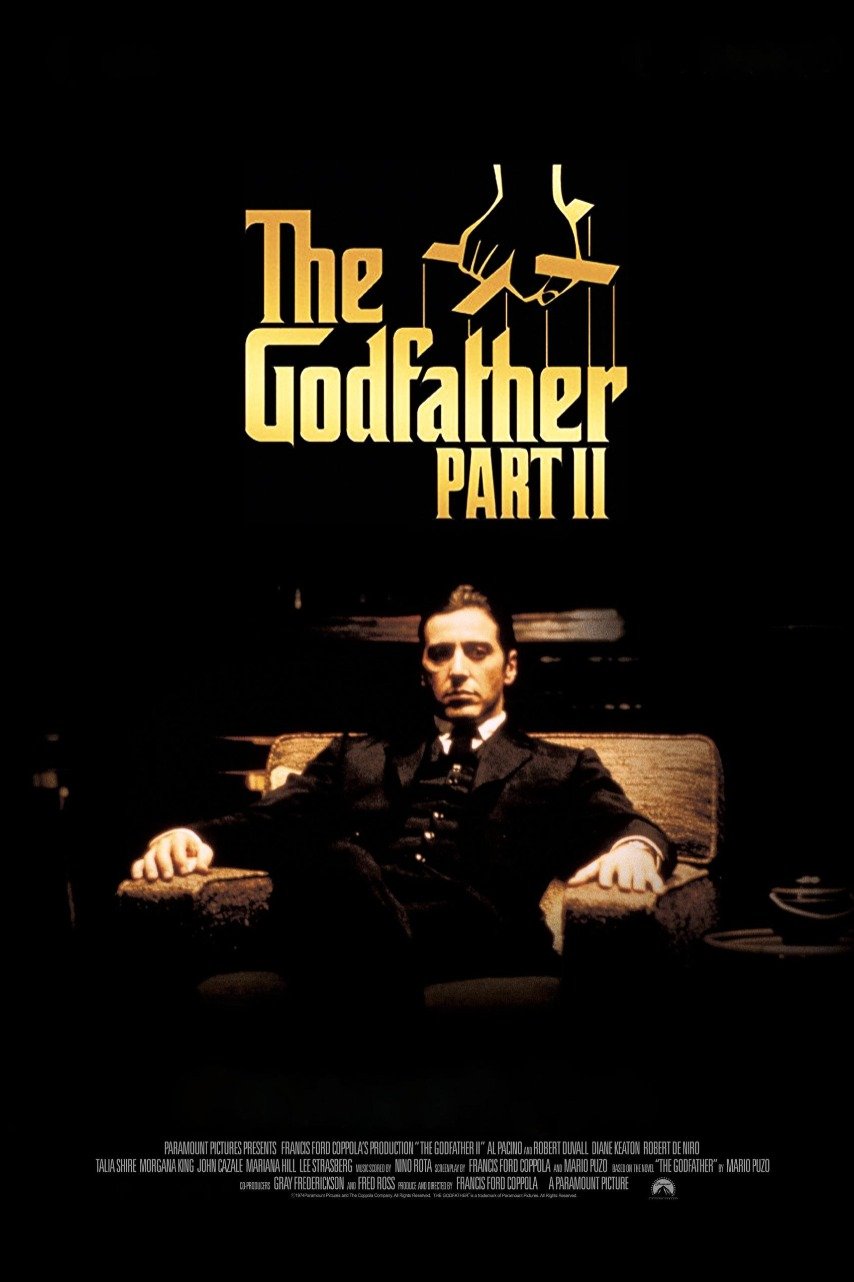

Information
TL;DR
One-line verdict you can trust
“The Godfather Part II is a masterclass in storytelling that intertwines family legacy and ruthless ambition, proving that sequels can not only match but elevate their predecessors.”
Quick yes/no: who should watch and who should skip
Yes for anyone who appreciates nuanced character development, intricate storytelling, and the moral complexities of crime. Skip if you’re seeking light entertainment or fast-paced action without depth.
What kind of movie is this — family epic or gangster saga?
Tone, mood, and emotional range
The tone of “The Godfather Part II” oscillates between grave solemnity and intense familial loyalty, creating a rich tapestry of emotional stakes. It invites viewers into a world where the shadows of crime loom large, yet familial bonds maintain their critical importance. While the atmosphere can feel oppressive at times, it also serves as a vessel for profound emotional exploration. Scenes threaded with tension and dread are juxtaposed with moments of human connection, capturing the complex emotional landscape that defines the saga of the Corleone family.
How the film balances intimate family drama and crime
What sets this film apart is its ability to balance its overarching crime narrative with intimate family drama. Family interactions resonate with authenticity, humanizing characters often seen through a lens of power and violence. The film constantly juxtaposes Michael Corleone’s rise to dominance with the familial sacrifices and betrayals that punctuate his ascent. This duality creates a gripping narrative that is as compelling for its emotional depths as for its brutal depictions of power struggles. Viewers are left to consider how ambition can consume not just a man, but an entire family, making the stakes feel incredibly high and personal.
What is The Godfather Part II about (no spoilers)?
The basic setup in one short paragraph
In “The Godfather Part II,” the narrative unfolds across two timelines, tracing Michael Corleone’s efforts to expand his burgeoning empire following the assassination of his father, Vito Corleone, while simultaneously delving into Vito’s origins as a young immigrant. This juxtaposition not only highlights the parallels in their journeys but also stresses the cyclical nature of power, loss, and the often painful sacrifices made in the name of family.
Why the dual-timeline structure matters
The dual-timeline structure serves a critical purpose beyond its storytelling appeal; it reflects the nuances of legacy and identity. By contrasting Michael’s ruthless ambition with Vito’s humble beginnings, the film fosters a deeper understanding of how generational trauma shapes individuals and families. Each time period is not just a separate narrative thread; rather, they resonate with and inform one another, allowing viewers to see how the seeds of ambition and devastation are sown across generations. This thoughtful construction invites viewers to ponder the impact of choices and the haunting specter of one’s past, consolidating the film’s status as more than mere gangster saga.
Trailer Section
The recently released “The Godfather Part II” teaser trailer, unveiled by Paramount Pictures, reignited excitement among fans of the franchise. This tantalizing glimpse into the film’s world was dropped online on — check your favorite video platform linking to the official trailer — and showcases both aesthetic beauty and emotional complexity, drawing viewers back into the enchanting yet turbulent universe of the Corleone family.
Visually, the trailer impresses with its lush cinematography, which captures both grandiose and intimate settings, mirroring the film’s dual focus. Shot compositions wield significant symbolism, such as close-up shots of familial interactions set against vast, foreboding landscapes. This technique sets the mood for the unfolding drama, evoking a sense of impending doom alongside the warmth that family ties can bring.
Character and/or antagonist analysis
Returning characters from the original film, such as Al Pacino’s Michael and Robert De Niro’s Vito, hint at emotional and moral complexity as they navigate a world filled with danger and betrayal. The trailer teases conflicts centered on personal ambition, loyalty, and the weight of expectation. New characters introduced suggest fresh dynamics, intensifying the tension surrounding Michael’s decisions and the lengths he will go to secure his family’s legacy.
Thematic deep dive
In comparison to its predecessor, the tone of “The Godfather Part II” is darker and more reflective, diving into the moral quagmire surrounding power and legacy. Themes of isolation and familial discord underscore Michael’s transformation from a reluctant participant to a calculating leader, contrasting sharply with Vito’s earlier efforts to stay protectively involved with his family. This thematic richness feels resonant not only within the Godfather franchise but also with parallels drawn from classic literature and modern cinema, solidifying the film’s place within the pantheon of cinematic storytelling.
Fan theories & speculation section
Theory #1: Michael’s ultimate betrayal
Fans are speculating that Michael’s rise may not be as solid as it appears. There’s a theory that hints at significant betrayals looming within his closest circle. Who among his allies may be secretly conspiring against him, possibly leading to a tragic twist?
Theory #2: The true fate of Vito Corleone
Many are revisiting Vito Corleone’s early path to power, wondering if his known future will be inextricably linked to Michael’s decisions later. With the exploration of Vito’s past, there are theories about how his ambitions — which seem innocent in the trailer — may harbor darker outcomes.
Franchise / genre implications
As the sequel to one of the most critically acclaimed films of all time, the expectations for “The Godfather Part II” are staggeringly high. Its confirmed release date has set the stage for an abundance of anticipation among fans who are eager to see if it captures that same blend of charisma and moral complexity. The continuation of this iconic franchise carries significant weight, as any misstep could risk tarnishing the legacy of a cinematic masterpiece.
Release date & expectations
While the exact release date remains to be firmly established, indicating a promising window for fall screenings, industry buzz has been palpable. With considerable fanfare, early reviews suggest the film is primed to captivate both new audiences and long-time devotees of the franchise. Anticipation runs high as die-hard fans discuss the potential need to revisit the original before diving back into this extensive saga.
Strong final verdict
“The Godfather Part II” has the potential to not only uphold the legacy of its predecessor but to explore deeper themes that resonate across generations. If it successfully marries character depth with engaging storytelling, it may well define a new paradigm for sequels within the genre. Expecting a film that steps out of the shadow of its acclaimed predecessor is no small task, but if anyone can achieve that, it’s this iconic pairing of directors and storytelling. Prepare for a cinematic experience that promises to leave an indelible mark long after the credits roll.
What works — the good stuff
Acting that carries the film
In The Godfather Part II, the acting transcends mere performance and becomes a vital storytelling tool. Al Pacino’s portrayal of Michael Corleone deepens from the stoic, almost reluctant leader we saw in the first film to a more complex, ruthless figure wrestling with the repercussions of his choices. His nuanced delivery captures both the cold calculation and the weight of his familial obligations.
Robert De Niro’s depiction of a young Vito Corleone is equally powerful. De Niro channels an unbreakable spirit, showcasing Vito’s transformation from an impoverished immigrant to a formidable crime lord. The way he embodies Vito’s loneliness amidst power speaks volumes about his understanding of character depth. Their performances bring an emotional gravity that transforms the film into a haunting exploration of legacy and moral decay.
Story and structure: why the pacing mostly holds up
The structure of The Godfather Part II is ambitious, weaving two narratives — one following Michael’s consolidation of power, and the other chronicling Vito’s rise in early 20th-century New York. The film’s pacing, brisk yet deliberate, often works in its favor. Each scene feels carefully constructed, unfolding like a multi-layered puzzle.
Director Francis Ford Coppola expertly juxtaposes these timelines, allowing viewers to find thematic parallels between Michael and Vito. The tension between the past and present enhances the emotional stakes; Michael’s current struggles echo the sacrifices Vito made, making the film’s slow-burning moments feel impactful rather than tedious.
Visuals, sound, and Nino Rota’s score impact
Visually, The Godfather Part II is a masterclass in mood and atmosphere. Coppola’s meticulous attention to detail creates a richly textured world that immerses viewers in the gritty reality of organized crime. The cinematography — with its dimly lit interiors and sweeping exterior shots capturing the essence of 1970s New York — amplifies the themes of power and isolation.
A crucial element is Nino Rota’s haunting score, which serves as a character in its own right. The music underscores key moments, imbuing scenes with a sense of foreboding or nostalgia. Rota’s melodies resonate long after the credits roll, creating a lasting emotional connection that amplifies both the drama and the darker themes at play.
Where it drags or feels uneven
Slow stretches and dense plotting to watch for
Though The Godfather Part II is celebrated for its depth, it does have its slow stretches. The film’s intricate plotting can sometimes lead to moments where the narrative feels bogged down. Viewers may find themselves grappling with heavy dialogue or lengthy expository scenes that require focused attention.
While rewarding for those who are invested, casual viewers may struggle with the density, leading to potential disengagement. An awareness of these pacing issues can prepare audiences for the film’s more meditative scenes while appreciating the craftsmanship behind them.
Minor characters or scenes that don’t land
Not every character has the same impact as Vito and Michael, and some minor narratives feel underdeveloped. Characters like Fredo, portrayed by John Cazale, are pivotal but occasionally overshadowed by the larger arcs of their arcs, which can diminish their significance in the broader narrative.
Some scenes, especially those involving minor characters, may come off as superfluous or lacking the weight needed to resonate fully. While they contribute to the film’s dense tapestry, these moments can feel disjointed and serve as a reminder of how much the film juggles.
Standout moments (no spoilers)
Scenes people still talk about
Certain scenes from The Godfather Part II have etched themselves into cinematic history. The tense confrontation between Michael and Fredo at the lake house is nearly iconic, encapsulating themes of betrayal and disillusionment. Likewise, the haunting scenes showcasing Vito’s rise are equally memorable, delivering powerful moments that resonate with the sense of American ambition tainted by moral ambiguity.
These landmark sequences illustrate the film’s ability to balance personal conflict against the backdrop of larger themes, making it a timeless piece that still sparks conversation.
Emotional beats that stick with you
The emotional weight of The Godfather Part II is felt long after the credits roll. In particular, the film explores loss, familial ties, and the price of power in a way that feels intimate yet monumental. These themes manifest in Michael’s increasing isolation, a poignant reminder of what is sacrificed in the pursuit of ambition.
Coppola crafts moments of reflection that invite viewers to ponder the costs of loyalty and the implications of revenge. Such emotional beats linger, encouraging a deeper investigation of one’s own values and connections, leaving an indelible mark that defines the film’s lasting impact.
Who shines in the cast?
Lead performances worth watching closely
The tapestry of talent in The Godfather Part II is woven with strands of rich, complex performances that leave a lasting impression. Al Pacino, reprising his iconic role as Michael Corleone, continues to delve deeper into the character’s psyche. His portrayal of a cold, calculating man ensnared by the weight of power is hauntingly beautiful. Pacino’s subtle shifts in demeanor reflect Michael’s increasing isolation and moral decay, and each scene is packed with palpable tension that captures the audience’s attention.
Equally riveting is Robert De Niro, whose turn as the young Vito Corleone serves as a masterclass in early character formation. With minimal dialogue, De Niro conveys a wealth of emotion simply through body language and an intense gaze. His ability to articulate Vito’s transformation from an immigrant with humble beginnings to a formidable mob boss is mesmerizing. Their intertwining narratives set up a riveting duality that speaks volumes about legacy, identity, and power dynamics.
Supporting players and breakthrough turns
The supporting cast bolsters the film with noteworthy performances. Diane Keaton returns as Kay Adams, bringing depth to the role of Michael’s increasingly estranged wife, who grapples with her husband’s moral compromises. Keaton’s ability to evoke empathy while representing the collateral damage of Michael’s choices is striking.
Then there’s Robert Duvall as Tom Hagen, who provides the steady moral compass amid the swirling chaos. Duvall’s nuanced performance reveals the conflicts that arise from being close to unyielding power while yearning for integrity.
Also deserving of recognition are the breakthrough performances from the younger actors, such as John Marley and Lee Strasberg, who add layers of complexity to their respective characters, further enriching the film’s world. The ensemble seamlessly weaves their individual arcs into the larger narrative, showcasing an extraordinary depth of acting talent.
Is The Godfather Part II better than The Godfather?
What it improves on compared with the first film
The Godfather Part II arguably enhances the original by deepening the exploration of themes like power, betrayal, and the American Dream’s darker aspects. By oscillating between Vito’s rise and Michael’s downfall, the sequel crafts a narrative that emphasizes the cyclical nature of violence and corruption, enriching the saga’s moral landscape.
The film’s dual timeline structure cleverly juxtaposes the burgeoning power of Vito with Michael’s moral decline, inviting viewers to reflect on how their choices shape their destinies. This thematic boldness allows Part II to delve into the psychological portrait of its characters, offering a more textured and layered storytelling approach.
Cinematically, the sequel elevates its visual style. The use of lighting, shadows, and framing in key scenes enhances the narrative’s emotional stakes, creating a visually compelling experience that complements the deep character studies.
Why some fans still prefer the original
Despite its many strengths, some fans remain loyal to The Godfather. The first film’s tight, cohesive structure and iconic moments can evoke nostalgia that sometimes overshadows the sequel’s complexity. It captures the essence of family ties and loyalty, qualities that resonate strongly with audiences.
Additionally, The Godfather introduces a broader spectrum of mob culture and family drama, establishing more profound emotional stakes that many fans feel anchor the franchise. The allure of the original film’s straightforward narrative arc and unforgettable lines adds to its timeless appeal, making it a hard act to follow.
Is it worth rewatching and how to watch it
Rewatch value and what you notice on repeat viewings
The Godfather Part II invites multiple viewings, and it’s in those returns that the film reveals its layers. Each subsequent watch unveils nuances in character development and symbolism that may have been overlooked the first time. The contrasts between Michael’s and Vito’s trajectories become more pronounced, allowing viewers to reflect on the impact of choices and the weight of legacy.
You begin to notice the intricate foreshadowing woven into the narrative. Subtle interactions and seemingly minor details gain more significance, transforming into critical pieces of the overarching puzzle. The thematic richness of the film—how ambition can twist affection into something dark—is something one can only fully appreciate with repeated exposure.
Best way to watch (one sitting, focus points)
For a full impact experience, dedicating a single sitting to The Godfather Part II is ideal. This allows the viewer to immerse themselves in its complex narrative without distractions. Focus on key scenes—such as the pivotal moments of Michael’s decisions that turn him from a reluctant participant in the family business to its ruthless architect. Pay attention to Vito’s early life scenes, which provide profound context to Michael’s choices.
The power of the film’s thematic exploration lies in its skillful crafting of tension and moral ambiguity, so being fully present will heighten your appreciation for its cinematic craftsmanship. Prepare for a journey through power dynamics, familial ties, and the ultimate question of what one is willing to sacrifice for ambition and control.
The Godfather Part II isn’t just a film that deserves to be watched—it’s one that calls for engagement and contemplation. And as you progress through its intricate layers, each revisitation becomes a deeper dive into its emotional and philosophical depths.
Final take — who should watch this now?
The ideal viewer and viewing mood
“The Godfather Part II” stands as a cinematic milestone, a film that invites audiences not just to watch but to immerse themselves in its intricacies. This film is tailor-made for those who appreciate character-driven narratives and the careful craftsmanship of storytelling. If you’re in the mood for something more than just passive viewing, if you’re prepared to unpack themes of power, betrayal, and legacy, then this movie is your perfect companion.
True film enthusiasts will find a wealth of emotion embedded in its sprawling narrative. Watch this if you’re ready to explore the complexities of human nature and moral dilemmas amidst grandiose cinematic storytelling. Ideal viewing conditions? Consider a quiet night, with dim lighting and perhaps a glass of red wine, to enhance the immersive experience.
When this might not be the right pick
On the other hand, “The Godfather Part II” might not resonate well with viewers who seek fast-paced action or straightforward plots. If you’re more inclined toward contemporary blockbusters that prioritize spectacle over substance, this film can feel slow and dense. Those who thrive on rapid plot developments or flashy visuals may find themselves wrestling with the film’s languid pacing and nuanced character arcs. It requires patience and engagement; a casual viewing environment might not do it justice.
FAQs
Is The Godfather Part II on Rotten Tomatoes a classic and how’s the score?
Yes, “The Godfather Part II” is widely regarded as a classic, earning a formidable score on Rotten Tomatoes, which hovers around the 97% mark. This score reflects both critical acclaim and audience appreciation, cementing its status as not just a sequel but as a standalone triumph in its own right. Viewers and critics alike recognize its artistry, storytelling depth, and outstanding performances, making it a cornerstone of American cinema.
What did Roger Ebert and major critics say about The Godfather Part II?
Roger Ebert delivered an insightful assessment of “The Godfather Part II,” noting its ambition to expand the mythos established in the first film. He remarked that it captures a fatalistic essence, artfully showcasing the dual narratives of Vito Corleone and his son Michael. Major critics have hailed it for its audacity and complexity, often declaring it one of the greatest sequels ever made. With dense storytelling and rich character development, it’s been praised for interweaving personal and political struggles, creating a resonant commentary on power’s corruptive influence.
Who’s in the cast of The Godfather Part II?
The cast features notable returning players and remarkable new faces. Al Pacino reprises his role as Michael Corleone, delivering a chilling performance that showcases his character’s descent into ruthless leadership. Robert De Niro appears as the young Vito Corleone, an iconic performance that deftly connects the two eras. Other noteworthy cast members include Diane Keaton as Kay Adams, Robert Duvall as Tom Hagen, and John Marley reprising his role as Jack Woltz. These actors bring depth and gravitas to their roles, enhancing the film’s already rich narrative tapestry.
How long is The Godfather Part II and does the runtime feel long?
Clocking in at 202 minutes for the original cut and 220 minutes for the extended edition, “The Godfather Part II” is undeniably lengthy. However, the runtime does not feel excessive; it’s a testament to the film’s engrossing narrative and rich character development. Each scene serves a purpose, contributing to the overarching themes of power, family loyalty, and the cost of ambition, ensuring that the viewer remains engaged throughout.
Is The Godfather Part II better than The Godfather?
This debate often resurfaces among film aficionados. Many consider “The Godfather Part II” superior due to its ambitious narrative structure, where two timelines juxtapose Vito and Michael’s lives. The film expands upon the themes introduced in its predecessor, delving deeper into the consequences of power and the cyclical nature of violence. While both films are remarkable in their own rights, “Part II” is often lauded as a profound examination of the American Dream and the destructive path of its pursuit.
Where can I watch The Godfather Part II now?
“The Godfather Part II” is available for streaming on platforms such as Amazon Prime Video, Paramount+, and Hulu, among others. Physical Blu-ray and DVD versions are also widely available for those who prefer a tangible collection. For newcomers or those revisiting the film, these platforms provide excellent access, ensuring this classic remains easy to appreciate in today’s viewing landscape.
As we await future cinematic endeavors and enjoy the rich legacy of films like “The Godfather Part II,” one thing is clear: this film endures not just as entertainment, but as a cultural touchstone, reminding us of the complexities of power and family bonds.