
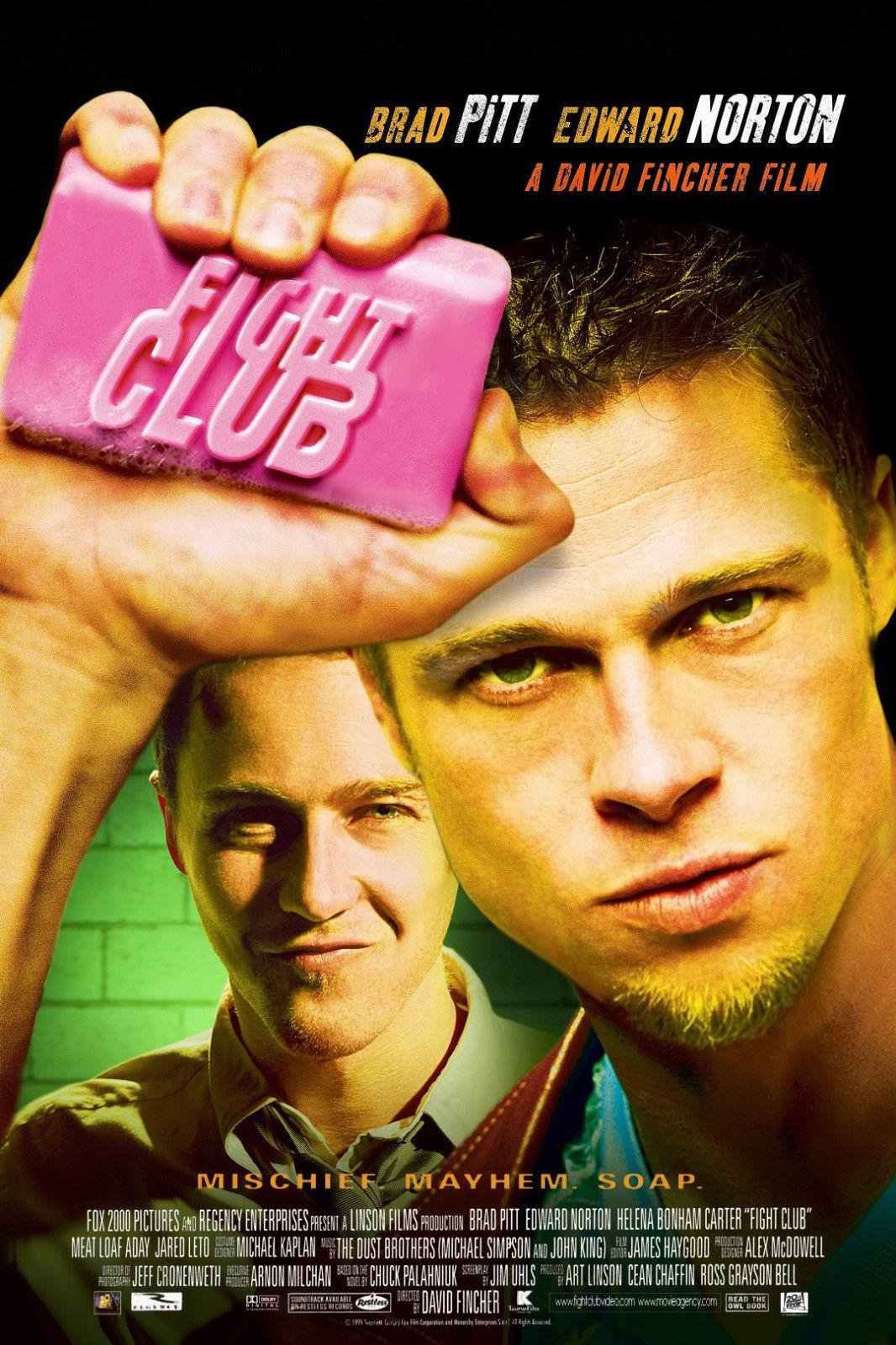

Information
TL;DR
Quick verdict in one line
“Fight Club” immerses viewers in a chaotic exploration of identity and societal disillusionment, masterfully merging psychology with anarchistic action.
Short recommendation — watch, skip, or rewatch?
Definitely watch or rewatch. This film continues to resonate, offering layers that unfold with each viewing.
Vibe check — what kind of movie is this?
Tone, energy, and the overall feel
“Fight Club” operates in a world that vibrates with frenetic energy and nihilistic undertones. The film pulsates with discord—a jarring juxtaposition of dark philosophy and explosive action. It’s both intimate and grand, weaving personal turmoil into wider societal critiques. The visuals complement this energy, with a grainy aesthetic that translates the rawness of the characters’ emotions. The cinematography plays a pivotal role in creating an immersive experience that hooks you immediately.
Is it dark, funny, violent, or all of the above?
This film is unapologetically all of the above. It deftly balances incisive humor with brutality, creating a unique tapestry that challenges viewers to confront uncomfortable truths. The violence is visceral and unsettling, yet it’s laced with moments of black comedy that keep the tone dynamic. In “Fight Club,” laughter often masks deeper pain, throwing audiences into a whirlwind of emotions as they navigate the complex narrative. It’s this unpredictable blend that makes the film feel alive and thought-provoking.
What’s it actually about? (No spoilers)
The basic setup and emotional stakes without plot reveals
At its core, “Fight Club” explores a man’s struggle against the suffocating embrace of a consumer-driven society. He grapples with his own identity and the weight of societal expectations, finding an escape in underground fight clubs that promise a release from mundane existence. The emotional stakes heighten as he delves deeper into this subculture, challenging his perceptions of masculinity, connection, and purpose. Each punch thrown serves as both a cathartic release and a reflection of inner turmoil.
What to expect from the themes and mood
Expect a tumultuous ride through themes of existentialism, identity, and disillusionment. The film challenges the status quo, posing questions about materialism and self-worth. As the mood shifts from brooding introspection to adrenaline-fueled chaos, audiences will find themselves questioning the very fabric of social norms. The exploration of violence as a tool for reclaiming agency is not just provocative; it’s a mirror reflecting the fragmentation of modern life. Dark and contemplative, the film’s mood promises to linger well beyond its runtime, urging viewers to reevaluate their own lives in the process.
The trailer for “Fight Club,” directed by David Fincher, was released on September 14, 1999, and instantly captured the attention of film enthusiasts and critics alike. The teaser offers a glimpse into the chaotic world of underground combat that serves as both a backdrop and metaphor for deeper societal critiques. The film remains a staple in discussions about modern masculinity, capitalism, and identity.
You can watch the official “Fight Club” trailer here.
The Good Stuff — what really works
Acting: who stands out and why
In “Fight Club,” the performances are as gritty and unapologetic as the film’s themes. Edward Norton portrays the unreliable narrator, channeling internal conflict and societal frustration that resonate with audiences. His chameleon-like transformation throughout the film showcases a wide emotional range, particularly in scenes where he wrestles with his duality and identity crisis. Brad Pitt’s Tyler Durden is magnetic, representing raw, primal masculinity with an anarchistic edge. Pitt’s charm coupled with his unsettling unpredictability creates a dynamic contrast to Norton’s restrained character. Helena Bonham Carter as Marla Singer adds a haunting complexity, embodying the chaos that disrupts both men’s lives. Together, they create a striking triad that grapples with the film’s core themes of disillusionment and rebellion.
Story and pacing: where it clicks
Fincher’s narrative structure masterfully intertwines moments of high-octane action with contemplative pauses that delve deep into the psyche. The pacing is intentional, allowing viewers to absorb the nuanced critiques while being propelled through visceral combat sequences. Fractured timelines enhance the storytelling, echoing the protagonist’s fractured identity and amplifying the film’s tension. What might initially appear chaotic slowly reveals a meticulously crafted plot, where every twist enhances the sense of a brewing revolution against conformity and materialism. Ultimately, it’s the balance of frenetic energy with introspective moments that keeps the audience engaged.
Visuals and direction: memorable stylistic choices
David Fincher’s signature visual aesthetics come to life in “Fight Club.” The film’s murky color palette complements its themes of despair and consumerism. Grainy cinematography and dim lighting establish an atmosphere of unease, inviting viewers to immerse themselves in the disillusionment of urban existence. Fincher’s use of slow-motion combined with jarring cuts during fight scenes creates an almost dystopian portrayal of violence that feels both grotesque and exhilarating. Iconic symbolism is rife throughout—like the repeated images of a bar of soap—each contributing to the narrative’s exploration of self-destruction and rebirth. The stylistic choices don’t just serve the story; they become an integral part of its DNA.
Music and sound: how the soundtrack backs the mood
The sound design in “Fight Club” is as aggressive as its characters. The score, composed by the Dust Brothers, pulsates with a mix of electronic beats and industrial sounds that evoke a sense of urban chaos and raw energy. The music complements the film’s tone, enhancing moments of tension and introspection alike. Iconic tracks perfectly frame key scenes, allowing the soundtrack to become a character in its own right—where some scores fade into the background, here, they resonate powerfully. The auditory experience amplifies the film’s sensory overload, making the viewer’s journey feel all-encompassing and visceral.
Emotional impact: what you’ll leave feeling
“Fight Club” leaves a lingering ambiguity, forcing viewers to confront uncomfortable truths about their lives. After the credits roll, one is left grappling with questions about identity, freedom, and consumer culture. The chaotic dynamics between the characters resonate with a sense of alienation that many people experience in modern society. Viewers emerge not just entertained, but reflective and perhaps questioning their own roles in a system that often promotes conformity over individuality. It’s an emotional rollercoaster that prompts you to examine your beliefs and the societal constructs that dictate them.
The Rough Edges — what might bother you
Problematic themes or tonal stumbles
While many praise “Fight Club” for its commentary on toxic masculinity and consumerism, others critique its portrayal of violence and nihilism. The film’s glorification of fighting as a form of liberation raises questions about its underlying messages. Some argue that its commentary can easily be misinterpreted as a call to arms for those disillusioned by societal norms. The tonal shifts can feel disjointed, leaving certain audiences unsure about the film’s ultimate stance—does it celebrate or critique the anarchistic impulses it portrays?
Moments that feel dated or heavy-handed
Certain aspects of “Fight Club” may come across as dated to contemporary viewers. Its relentless critique of capitalism may resonate differently in an era where new forms of consumerism emerge daily. Some scenes could feel overly exaggerated, risking the emotional weight built up throughout the film. The dialogue echoes with the urgency of late ’90s angst, but some phrases or notions might elicit eye rolls today, appearing as relics of a different time rather than sharp criticisms of current societal issues.
Who shines on screen?
Edward Norton, Brad Pitt, Helena Bonham Carter — quick notes on performances
Edward Norton masterfully captures the essence of internal conflict, delivering a nuanced portrayal of a man fractured by modern life’s demands. His descent into chaos alongside Brad Pitt, whose charismatic yet chaotic Tyler Durden embodies rebellion, creates an electrifying dynamic. Helena Bonham Carter’s Marla Singer intertwines vulnerability and defiance, forming an intriguing counterpoint to the male-driven narrative. Each performance stands out remarkably, heightening the film’s complex emotional layers.
Supporting cast and character chemistry
The supporting cast, including Meat Loaf’s iconic portrayal of Robert Paulson, adds to the film’s depth. The chemistry between characters fosters a tangible sense of camaraderie that is essential to the narrative’s impact. Relationships formed in the raw environment of the fight club serve to highlight the film’s central themes of connection, disconnection, and the search for meaning. Each character, no matter how minor, contributes to the film’s compelling critique of masculinity and identity.
“Fight Club” remains a riveting exploration of rebellion against societal constructs, balancing unsettling themes with unforgettable performances. While the film may divide opinions, its enduring legacy as a cultural touchstone cannot be denied. As audiences prepare for the film’s re-examinations in contemporary contexts, the themes of identity, chaos, and the fight for authenticity provide a rich tapestry that invites new interpretations. Whatever your take, it’s a film that encourages reflection long after the credits roll, proving that sometimes, you must fight for your own understanding of freedom and identity.
Standout moments
Scenes that stick with you long after the credits
“Fight Club” has consistently delivered moments that linger in the minds of viewers. Each scene is crafted not just for shock value but to provoke deeper thought. From the visceral imagery of underground fights to the haunting flashbacks that shape the warped psyche of the Narrator, the film captures the essence of discontent with unchecked consumer culture.
One pivotal moment that resonates powerfully is the iconic view of our unnamed protagonist, perfectly in silhouette, surrounded by chaos, moving between clarity and confusion. With its sharp editing and striking visuals, we find ourselves questioning our own realities alongside him. This scene encapsulates the film’s raw energy while also serving as a commentary on masculinity and identity.
A few beats to look forward to — vague but tempting
Even in the teaser trailer, echoes of nostalgia and tension preview moments fleetingly, hinting at the emotional and philosophical battleground to come. The sounds of muffled punches and shouts give way to eerie silence, crafting a tension that underscores each shot.
Fans can expect psychological twists that will once again dismantle their perceptions of heroism and villainy. Cleverly placed callbacks to earlier scenes that juxtapose tranquility with ensuing chaos promise to surprise audiences. Even die-hard fans who think they know every line may find fresh insights hidden within the blurred lines of friendship and rivalry that define the film’s core.
Does Fight Club hold up today?
Cultural legacy and why people still talk about it
Over two decades since its release, “Fight Club” remains a cultural touchstone, its narrative meshed with discussions surrounding nihilism, consumerism, and toxic masculinity. The film’s sharp critique of material culture and societal norms resonates strongly in today’s social climate, where many grapple with identity amid rampant commercialization.
Its dialogue, especially the memorable lines about the mundane realities of life, have morphed into mantras echoed across social media platforms. The enduring presence of these themes reveals how effectively “Fight Club” captures the anxieties of not only its own era but also our current one, fostering ongoing debates and analyses regarding masculinity and mental health.
How modern viewers might read it differently
While the film’s initial reception elicited varied responses, current viewers are likely to approach it through a prism shaped by contemporary discussions on mental health and societal expectations. The character of Tyler Durden, once lauded as an anti-hero, may evoke different reactions today. Some may find his philosophy alluring, while others could interpret it as dangerously manipulative.
Furthermore, themes of violence might be scrutinized under a sharper lens, leading viewers to grapple with whether the film glorifies or critiques its chaotic motifs. This evolution in interpretation underscores how societal changes can alter the lens through which we view classic narratives. “Fight Club” invites a multifaceted dialogue that encourages us to reflect on our own complicity within a consumer-driven society.
Is it worth rewatching?
Layers and details you’ll notice the second time
On a rewatch, “Fight Club” reveals its intricate storytelling and clever foreshadowing that go unnoticed the first time. Subtle visual clues, such as the recurring imagery of soap and the minimalist aesthetics of various settings, deepen the experience. The frenzied editing style, when viewed again, highlights the psychological fragmentation of the Narrator, allowing viewers to appreciate the craftsmanship involved in building tension and paranoia.
Key scenes take on new meanings. The progression from mundane corporate life to visceral rebellion unfolds with layers of symbolism that can only be fully appreciated with prior knowledge of the plot’s twists. The film’s sound design and score, infused with static and dissonance, gain additional significance upon rewatching — each auditory cue feels like a pulse within the fabric of the story, enhancing its emotional weight.
Who should rewatch and why
“Fight Club” holds a special allure for various audiences. First-time viewers seeking to understand the film’s complexities might find it challenging; however, revisiting it with an analytical mindset will enrich their appreciation of its artistic execution.
Long-time fans of David Fincher’s work should also consider a rewatch, as it offers an opportunity to see how styles and themes have matured in his subsequent films. Those studying cinema or cultural critique will find endless annotations ripe for analysis in its layered storytelling and challenging themes.
In an age where narratives of self-discovery and rebellion continue to thrive, “Fight Club” becomes more than just a movie; it transforms into a touchstone for discussions about identity, society, and personal freedom. Rewatching can yield deeper insights and brighten themes that initially appear chaotic, revealing a work that is both thought-provoking and highly relevant today.
Who is this movie for?
Best audience match: tastes and tolerance levels
“Fight Club” is not just a film; it’s a visceral experience. Its audience thrives on introspection, dark humor, and a dash of anarchic philosophy. If you appreciate films that challenge societal norms and provoke thought, this film is essential viewing. It’s tailored to those who find beauty in chaos, see art as a medium for self-exploration and existential confrontation, and can handle a hefty dose of nihilism. The film’s meticulously layered storytelling marries a biting critique of consumerism with an exploration of male identity, making it appealing to anyone drawn to complex, morally ambiguous narratives. Fans of David Fincher’s work will also find the film’s meticulous craftsmanship enticing, as his signature style works in synergy with the chaotic themes.
However, it’s important to notice that “Fight Club” isn’t for everyone. If you’re uncomfortable with graphic violence, psychological turmoil, or the portrayal of toxic masculinity, you might want to tread carefully. The film’s relentless critique of society can come off as harsh, especially for viewers who favor light-hearted storytelling or uplifting narratives. If your movie nights lean towards feel-good rom-coms or family-friendly adventures, this film may serve as an unwelcome shock to your system.
Who should skip it
Those who prefer conventional storytelling with neat resolutions or films that leave them feeling hopeful and validated should likely skip “Fight Club.” Viewers with low tolerance for violent and disturbing imagery may also want to pass. The film’s overtly bleak worldview and its intense psychological themes can be heavy, even alienating, for certain audiences. Furthermore, if you’re seeking a straightforward narrative without deeper philosophical inquiries, the intricacies of “Fight Club” might leave you confused or dissatisfied.
For filmgoers who recoil at the notion of questioning their values or the ethics of societal norms, “Fight Club” could feel like a disorienting trip down an unsettling rabbit hole. It’s an invitation to confront, rather than escape, your shadow self; not everyone may be ready for such a challenge.
FAQs
Is Fight Club based on a book?
Yes, “Fight Club” is based on the 1996 novel by Chuck Palahniuk. The book serves as the foundation for the film’s narrative, capturing its essence while allowing for some adaptations in tone and character development. The transition from page to screen melds Palahniuk’s darkly meticulous prose with Fincher’s visual storytelling, yielding a haunting yet powerful commentary on identity and consumer culture.
Why was Fight Club controversial when it came out?
When it premiered in 1999, “Fight Club” sparked significant discourse for its unabashed exploration of masculinity, violence, and anti-establishment sentiments. The film’s portrayal of fight clubs as both a cathartic release and a dangerous form of escapism raised eyebrows, leading some critics to label it as dangerously provocative. The media response included concern over whether the film might inspire real-life violence or contribute to harmful ideas about masculinity. Its subversive take on societal norms ignited fierce debates, making it a cultural lightning rod.
Does Fight Club have a big twist?
Absolutely. At its core, “Fight Club” is well-known for its shocking twist, challenging the audience’s perception of reality throughout the narrative. The reveal of Tyler Durden’s true nature dramatically re-contextualizes everything that has been presented, prompting viewers to reflect on the nature of identity and self-destruction. This twist has become one of the most iconic moments in cinema, prompting discussions and analyses long after the film’s release.
Where can I watch Fight Club (streaming or rental)?
“Fight Club” is available for streaming on various platforms, including HBO Max and Amazon Prime Video, depending on your region. You can also find it for rental on platforms like Google Play, YouTube, and Apple iTunes. Given its cult status, many film sites and libraries may also offer it as part of their collections, making it accessible for anyone wishing to explore its iconic themes.
What do people say about Fight Club on Reddit or Letterboxd?
On platforms like Reddit and Letterboxd, “Fight Club” generates a wealth of commentary, ranging from enthusiastic praise to critical examination. Fans often dissect its themes of existential angst, masculinity, and consumerism, sharing insightful observations about the film’s unparalleled adherence to its darker motifs. Discussers frequently highlight the masterful direction of David Fincher, the complexities of its characters, and the film’s cultural impact. Others posit theories about narrative nuances, hinting at subtext that may not be immediately apparent upon first viewing. Contrastingly, some users critique its controversial portrayal of violence and masculinity, showcasing the film’s polarizing effect in modern discourse.
How faithful is the movie to the director’s vision or the source material?
David Fincher’s “Fight Club” remains largely faithful to Chuck Palahniuk’s original narrative, but with certain stylistic flourishes that clearly mark Fincher’s artistic vision. The film preserves the book’s biting sarcasm and grit but enhances it with striking visual metaphors and a darker atmosphere. Some character arcs and themes are ramped up or slightly altered for cinematic effect, which some purists might observe as deviations. However, the essence of its critique of consumer culture, identity crises, and existential despair remains intact, solidifying it as a compelling adaptation that honors its source material while also standing on its own.
By intertwining theatrical expression with profound inquiry, “Fight Club” secures its position as a must-watch film for those willing to grapple with its weighty themes.