
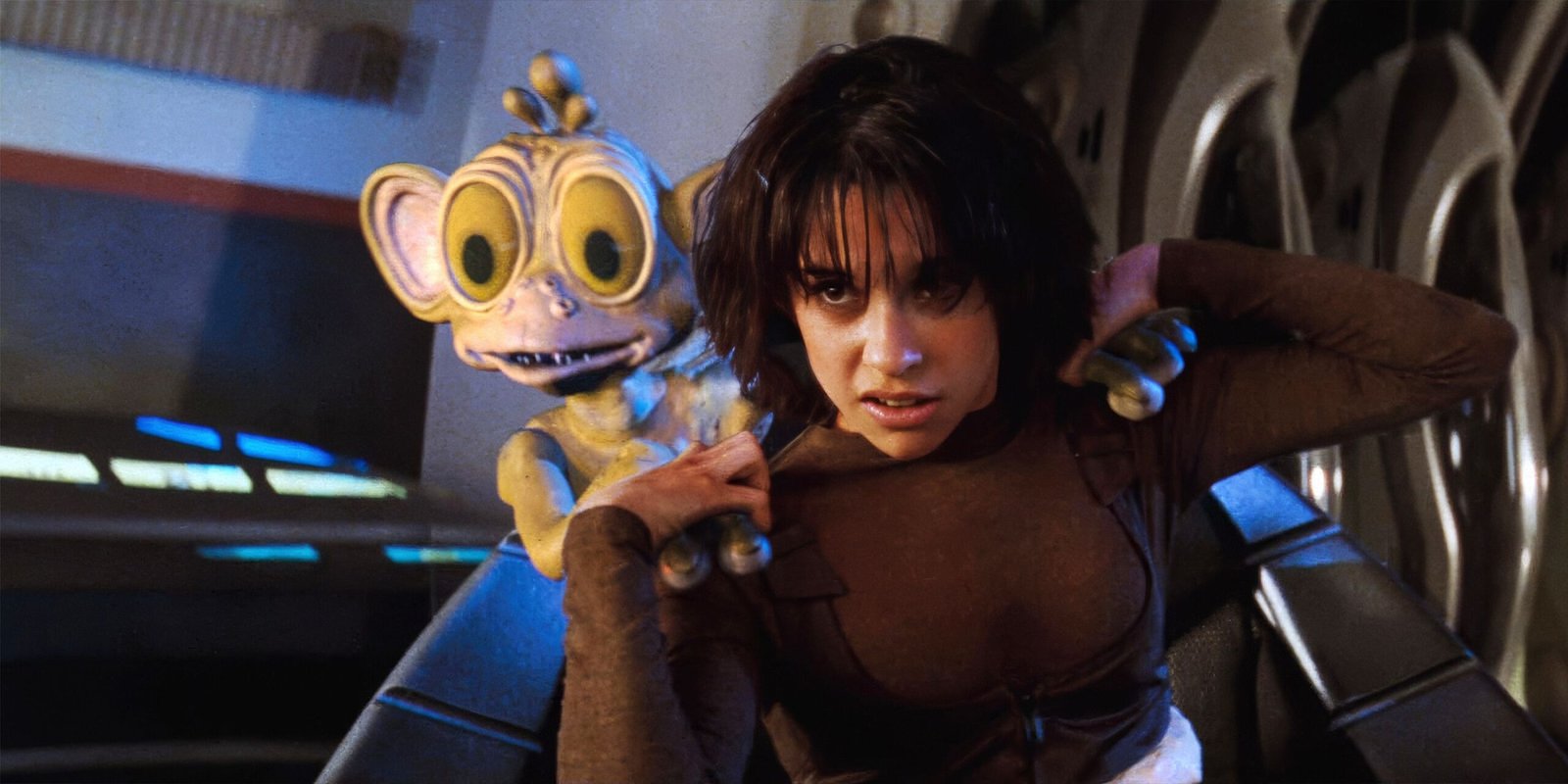
A 1990s Trend Revisited: TV Nostalgia Goes to the Movies
The 1990s were defined by Hollywood mining older TV properties for big-screen adaptations. Studios leaned into Boomer nostalgia, turning familiar small‑screen brands into tentpole movies. Some adaptations—like The Flintstones and The Brady Bunch Movie—found commercial success; others vanished quickly. Among those that made a mark was the 1998 film Lost in Space, a high‑budget reimagining of Irwin Allen’s 1960s sci‑fi series. While it never reached the stratospheric box office of Titanic, the film did achieve a notable feat in its day: it became the first movie to unseat James Cameron’s Titanic after that film’s fifteen‑week reign at number one.
Decades later, Lost in Space has found a second life on free, ad‑supported streaming platforms, recently rising into Tubi’s top 10. That resurgence highlights how familiar titles can resonate again in the streaming era, even if their initial critical reception was mixed.
From Irwin Allen’s TV Classic to a Big‑Budget Remake
Irwin Allen’s original Lost in Space premiered in 1965 and ran through 1968. The series—itself loosely inspired by Johann David Wyss’ 1812 novel The Swiss Family Robinson—followed the Robinson family on a mission to colonize a distant world. The TV show centered on parents John and Maureen Robinson (Guy Williams and June Lockhart) and their children Judy (Marta Kristen), Penny (Angela Cartwright), and Will (Bill Mumy), alongside Major Don West (Mark Goddard) and the iconic robot (voiced by Dick Tufeld). Though not a critics’ darling, the series became a durable piece of science fiction pop culture.
In 1998, director Stephen Hopkins and screenwriter Akiva Goldsman took the concept back to theaters with a big‑budget, effects‑heavy interpretation that updated the premise for a new generation. The remake leaned into spectacle and contemporary blockbuster storytelling while keeping the family‑in‑peril backbone of the original.
What Happens in the 1998 Film
Set in the year 2058, the film presents a beleaguered Earth threatened by pollution and the insurgent group Global Sedition. Scientist John Robinson (William Hurt) decides to lead an interstellar mission to secure a future for humanity, bringing his family aboard an experimental starship. The Robinsons’ dynamic reflects both excitement and tension: older daughter Judy (Heather Graham) embraces the mission, middle daughter Penny (Lacey Chabert) is reluctant to leave Earth, and son Will (Jack Johnson) provides the young‑tech prodigy perspective. Maureen Robinson (Mimi Rogers) and Major Don West (Matt LeBlanc), assigned to escort the family, add another layer of strain.
The plot turns when Global Sedition plants saboteur Dr. Zachary Smith—portrayed by Gary Oldman—on the ship. Smith’s bungled attempt to sabotage the mission strands the Robinsons, Don West, and the robot far from their intended destination, setting off a string of encounters with hostile creatures and strange worlds. Along the way the film introduces visual set‑pieces—nasty space spiders and other creatures—and moments of family drama and adventure. The story also includes an intriguing temporal twist featuring a future incarnation of Will, played by Jared Harris.
Cast and Creative Team
The 1998 Lost in Space assembled an ensemble of established actors and filmmakers:
- Director: Stephen Hopkins (known for Predator 2)
- Screenwriter: Akiva Goldsman (I Am Legend)
- John Robinson: William Hurt
- Maureen Robinson: Mimi Rogers
- Judy Robinson: Heather Graham
- Penny Robinson: Lacey Chabert
- Will Robinson: Jack Johnson
- Major Don West: Matt LeBlanc
- Dr. Zachary Smith: Gary Oldman
- Future Will: Jared Harris
- Robot voice (tribute to the original series): Dick Tufeld
Goldsman’s involvement extends beyond this film: he has been associated with reboot projects of several other Irwin Allen properties, including Land of the Giants, Voyage to the Bottom of the Sea, and The Time Tunnel.
Why the Film Is Reappearing on Streaming Charts
Several factors help explain why a late‑90s remake like Lost in Space is enjoying renewed attention on platforms such as Tubi:
- Nostalgia fatigue cycles: Audiences who grew up with 1960s sci‑fi or who remember the 1998 film are drawn to well‑known brands, especially when those titles are easy to find for free.
- Star power and curiosity: The cast—including William Hurt, Gary Oldman, and Matt LeBlanc—still catches viewers’ attention, inviting re‑watches and discovery by younger viewers.
- Family‑friendly sci‑fi appeal: The blend of adventure, family drama, and visual effects remains accessible to broad audiences, especially on streaming services that prioritize content that can attract quick viewership.
- Discovery via algorithmic curation: Catalog titles often bubble up into charts when platforms promote them in themed collections or when viewer habits trigger renewed recommendation.
Its placement at number 10 on Tubi’s charts is a modest but meaningful sign that legacy properties can find new audiences without theatrical re‑release or major marketing pushes.
Where to Watch
The 1998 Lost in Space is currently available to stream for free with ads on Tubi. For viewers interested in the franchise’s origins, many platforms also carry episodes of the original 1960s series and other adaptations, each offering a different take on the Robinsons’ saga.
Why It Still Matters
Lost in Space (1998) is a useful case study in Hollywood cycles: a property born on television reimagined for blockbuster cinema and then rediscovered on streaming years later. It demonstrates how recognizable IP, a mix of spectacle and family drama, and a strong ensemble can give a film longevity beyond its initial box office run. Whether you’re drawn by nostalgia, curiosity about 1990s special effects, or simply want a family‑friendly adventure, the film’s streaming resurgence makes it easy to revisit the Robinsons’ misadventures in space.