
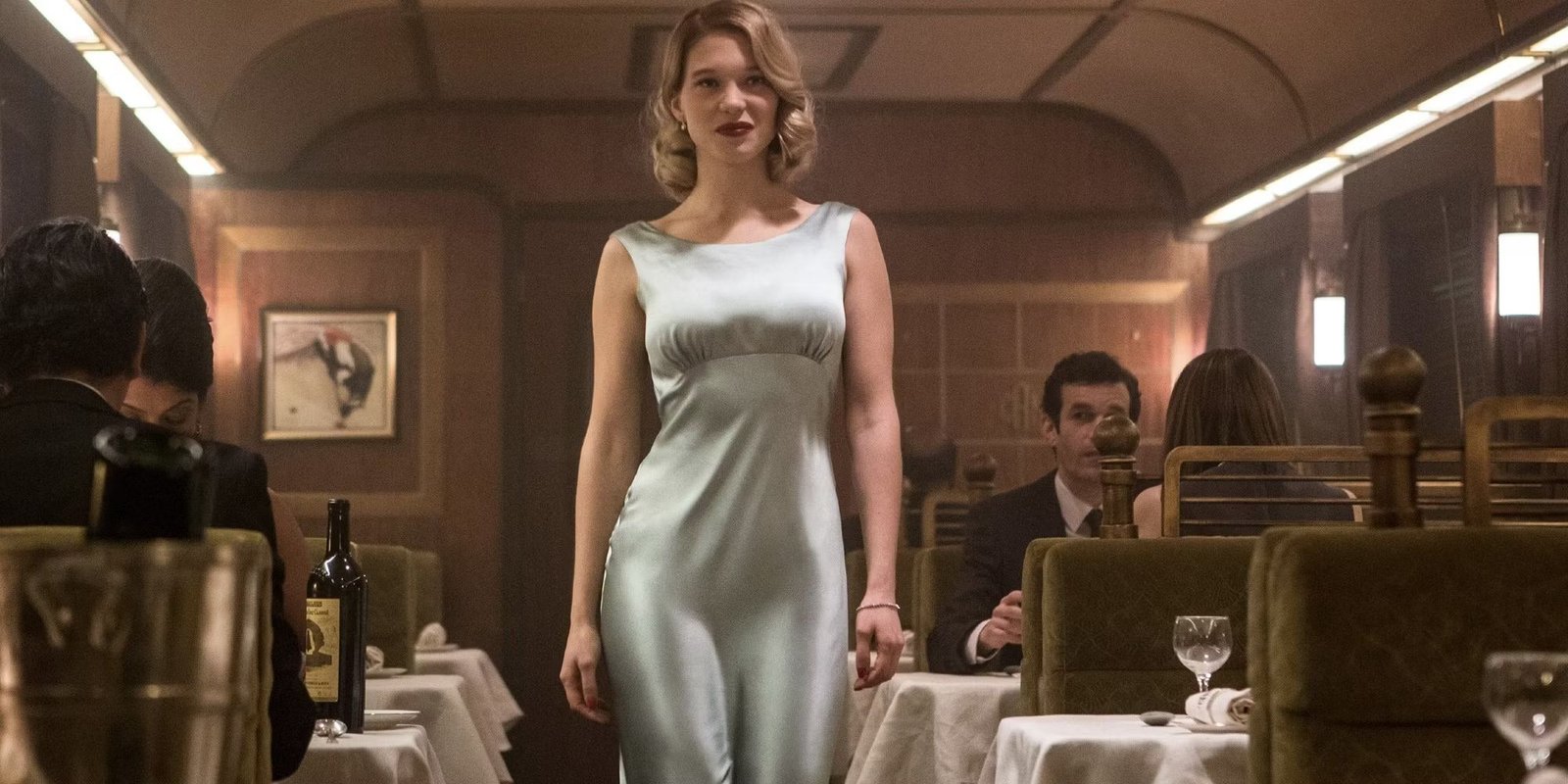
A brief refresher on the film and its infamy
Blue Is the Warmest Color is the 2013 French romance-drama directed by Abdellatif Kechiche, adapted from a graphic novel by Julie Maroh. Starring Léa Seydoux and Adèle Exarchopoulous, the film runs roughly three hours and earned international attention—and controversy—after premiering at the Cannes Film Festival. It won the festival’s highest honor, the Palme d’Or, in an unusual move that recognized not only the director but also the two actresses.
What made the film polarizing
The movie drew praise for its raw emotional intensity and committed performances, but it also generated backlash for two main reasons:
- Graphic sexual content: The film includes an extended sex scene—frequently described as lasting over 10 minutes—that many viewers and critics found explicit and difficult to watch. In the U.S. its content contributed to an NC-17 rating.
- On-set controversy: After the film’s release, both Seydoux and Exarchopoulous spoke publicly about a difficult working environment during production and expressed that they would not collaborate with Kechiche again. Their accounts described intense pressure and confrontational behavior toward the leads while shooting demanding sequences.
These elements combined to make Blue Is the Warmest Color one of the most talked-about and divisive romance films in recent memory.
Cannes recognition and unusual Palme d’Or decision
Winning the Palme d’Or typically honors the director alone, but in 2013 Cannes awarded the prize to Kechiche along with Seydoux and Exarchopoulous—a notable departure from convention. That decision reflected how central the actresses’ performances were to the film’s emotional power, even as questions about the production process and the film’s explicit approach continued to swirl.
Critical response and financial performance
Critics largely praised the film’s craft and performances. On Rotten Tomatoes it holds a strong “Certified Fresh” rating, with a consensus that highlights its honesty, intensity, and compositional elegance. Financially, Blue Is the Warmest Color grossed close to $20 million worldwide against a reported production budget of about $5 million—respectable for an art-house drama without wide commercial positioning.
The wider erotic-thriller/erotic-drama context
Blue Is the Warmest Color emerged before a modest resurgence of erotic-tinged dramas and thrillers on streaming and in theaters. Recent years have seen titles such as Deep Water, Fair Play, and The Voyeurs find audiences on streaming platforms, while films like Babygirl and The Housemaid have shown that boundary-pushing content can translate to solid box-office returns. Compared with many newer releases, however, Kechiche’s film remains unusually unflinching in its depiction of intimacy and the pressure of its production environment.
Why Netflix has limited access to the film
Blue Is the Warmest Color is available on Netflix, but the streamer has restricted it from subscribers on its ad-supported tier. According to reports, the limitation stems primarily from rights-related considerations tied to licensing and distribution agreements—not an editorial decision over content. As a result, some subscribers can stream the film while others cannot, depending on which plan they subscribe to and the rights Netflix holds for that territory and tier.
Legacy: art, ethics, and audience divides
The film’s legacy is complicated. Artistically, it’s often cited for the strength of its central performances and for the emotional weight Kechiche captured on screen. Ethically and culturally, it prompted broader conversations about director conduct, the responsibilities of filmmakers working with younger or less-experienced performers, and how the industry should address on-set behavior. For viewers today, Blue Is the Warmest Color remains a film that simultaneously commands respect for its craft and invites scrutiny for how it was made.
Essential details
- Director: Abdellatif Kechiche
- Stars: Léa Seydoux, Adèle Exarchopoulous
- Source material: Graphic novel by Julie Maroh
- Writers: Julie Maroh, Abdellatif Kechiche, Ghalia Lacroix
- Runtime: ~180 minutes
- U.S. rating: NC-17
- Cannes: Palme d’Or (2013; awarded to director and main actresses)
- Box office: Close to $20 million worldwide (reported budget ~ $5 million)
- Streaming status: Available on Netflix but restricted from the ad-supported tier due to rights-related issues
Bottom line
Blue Is the Warmest Color endures as a provocative, acclaimed film that continues to divide viewers. Its place on Netflix is a reminder that legal and licensing complexities—alongside ongoing debates about artistic process and workplace conduct—still influence how audiences can access and interpret culturally significant cinema.