
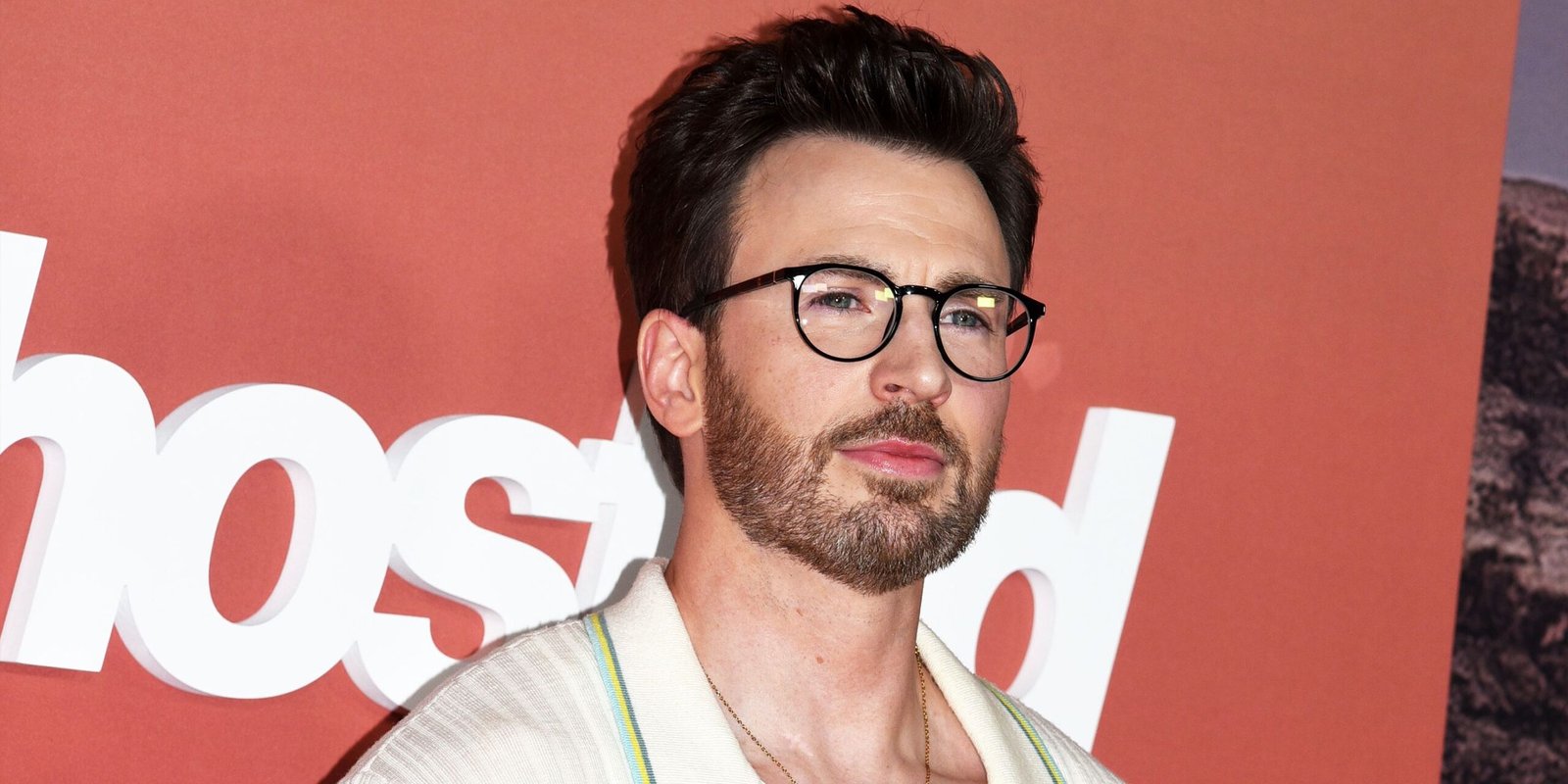
Netflix revival: a second chance for Honey Don’t!
Chris Evans’ latest starring vehicle, Honey Don’t!, has quietly reinvented its prospects after being added to Netflix. The Ethan Coen-directed crime comedy — which grossed just $7.4 million in theaters against a reported $20 million budget and received mixed-to-negative reviews on release — moved into Netflix’s Top 10 movies in the U.S. shortly after its streaming debut. That surge underscores how streaming platforms can extend a film’s lifespan and give overlooked titles a broader audience.
What Honey Don’t! is and how it was received
Honey Don’t! is a darkly comic crime thriller set in a small town. Evans plays Reverend Drew Devlin, a charismatic pastor whose church becomes the center of a string of odd deaths. Margaret Qualley and Aubrey Plaza co-star, and the film is credited as written by Tricia Cooke and Ethan Coen, with Ethan Coen also directing. The feature runs approximately 89 minutes and was released theatrically on August 22, 2025.
Critical and audience response was lukewarm. On Rotten Tomatoes the film earned roughly a 45% critics score and a 39% audience score, and its theatrical return fell well short of production costs. Industry observers and some reviewers pointed to uneven marketing and a challenging tonal mix as factors that limited its theatrical momentum.
Why Netflix matters for underperforming films
Streaming services often act as a second life for films that struggle in cinemas. Netflix’s massive audience and algorithmic recommendations can bring visibility that theatrical distribution — especially for smaller, mid-budget titles — sometimes fails to provide. For Honey Don’t!, being available on a platform many households already subscribe to eliminated the barrier of a theater visit and let curious viewers sample a film they might otherwise have skipped.
That doesn’t rewrite critical consensus, but it can reshape a title’s cultural footprint: stronger word-of-mouth on social platforms, discovery by genre fans (true-crime/comedy blends, dark comedies), and repeat viewings that weren’t possible during a limited box office run.
Where this fits in Chris Evans’ post-Marvel career
Since stepping away from a steady stream of Marvel films following Avengers: Endgame (2019), Evans has diversified his slate. Honey Don’t! represents a more offbeat, character-driven outing compared with the blockbuster roles that made him a household name.
He’s also on the radar for bigger returns to franchise territory: Evans appears in the first teaser for Avengers: Doomsday, marking his first time portraying Steve Rogers since Endgame. That project signals Evans remains active on both blockbuster and indie fronts.
Other recent Evans projects: Sacrifice
Evans is also attached to Sacrifice, an action-comedy directed by Romain Gavras that pairs him with Anya Taylor-Joy. The film, written by Gavras and Will Arbery, premiered at the Toronto International Film Festival. Like Honey Don’t!, Sacrifice received mixed reviews — Rotten Tomatoes lists a 38% critics score — and at last report had not secured global distribution.
What to expect watching Honey Don’t! on Netflix
Viewers discovering Honey Don’t! on Netflix should expect:
- A compact, 89-minute story blending crime, dark humor, and small-town mystery.
- A lead turn from Chris Evans that leans into charm and moral ambiguity rather than superhero spectacle.
- Strong supporting work from Margaret Qualley and Aubrey Plaza in a film that divides critics and audiences on tone and payoff.
Whether Honey Don’t! ultimately becomes a cult favorite or remains a curious footnote in Evans’ filmography will depend on how viewers respond over the coming months. For now, streaming has given the film a renewed opportunity to find its audience.
Bottom line
Honey Don’t!’s Netflix debut demonstrates how streaming can rescue a commercially underperforming title and place it before a larger, more diverse audience. For Chris Evans, it’s another example of balancing franchise commitments with riskier, character-driven projects — and a reminder that a slow theatrical start doesn’t always mean a film’s cultural life is finished.