
Information
TL;DR
One-line verdict (watch, skip, or maybe)
Watch. “Seppuku” explore deep, unsettling themes with a visually evocative narrative.
Quick reasons why — strongest plus weakest point
The strongest point lies in its haunting cinematography and profound emotional weight, while the pacing may challenge viewers expecting a more traditional action-driven narrative.
Mood check — what kind of movie is this?
Overall tone and energy (somber, thrilling, meditative, violent)
“Seppuku” projects a strong somber and meditative tone, inviting viewers to linger in its emotionally charged landscapes. The air is thick with tension, as interpersonal conflicts unfold against a backdrop woven with existential dilemmas.
Feels like a slow-burn drama or a lean action piece?
This film leans decisively toward a slow-burn drama. It unravels character arcs with deliberate pacing that cultivates a contemplative atmosphere, contrasting sharply with the visceral themes of violence that underpin its narrative.
What’s Seppuku actually about?
High-level premise without spoilers
“Seppuku” delves into the life of a disillusioned samurai grappling with his purpose in a world that no longer upholds the old ways of honor. As he faces societal shifts, his journey intertwines with pivotal relationships that challenge his beliefs, drawing him into a spiral where loyalty and betrayal mirror the complexities of life and death.
The central conflict and emotional stakes
At the heart of “Seppuku” lies the clash between tradition and modernity. The protagonist’s internal struggles reflect a broader societal conflict, where the values of honor and sacrifice are questioned. Emotional stakes heighten as he encounters figures who embody these changing ideals, making choices that could lead to devastating consequences for himself and those he loves. With every turn, the question looms: what does true honor mean in a fractured world?
It’s hard to deny that the cinematic landscape continues to be saturated with ambitious projects, but nothing has quite captured the fervor of film enthusiasts as the highly anticipated release of Seppuku. The teaser trailer, unveiled by the production studio just a few weeks ago, paints an evocative picture of a film steeped in tradition, conflict, and complex character dynamics. For those eager to get a glimpse of what this much-talked-about film has to offer, the trailer can be watched here.
The good stuff — what works here
Biggest wins: scenes, direction, and themes that land
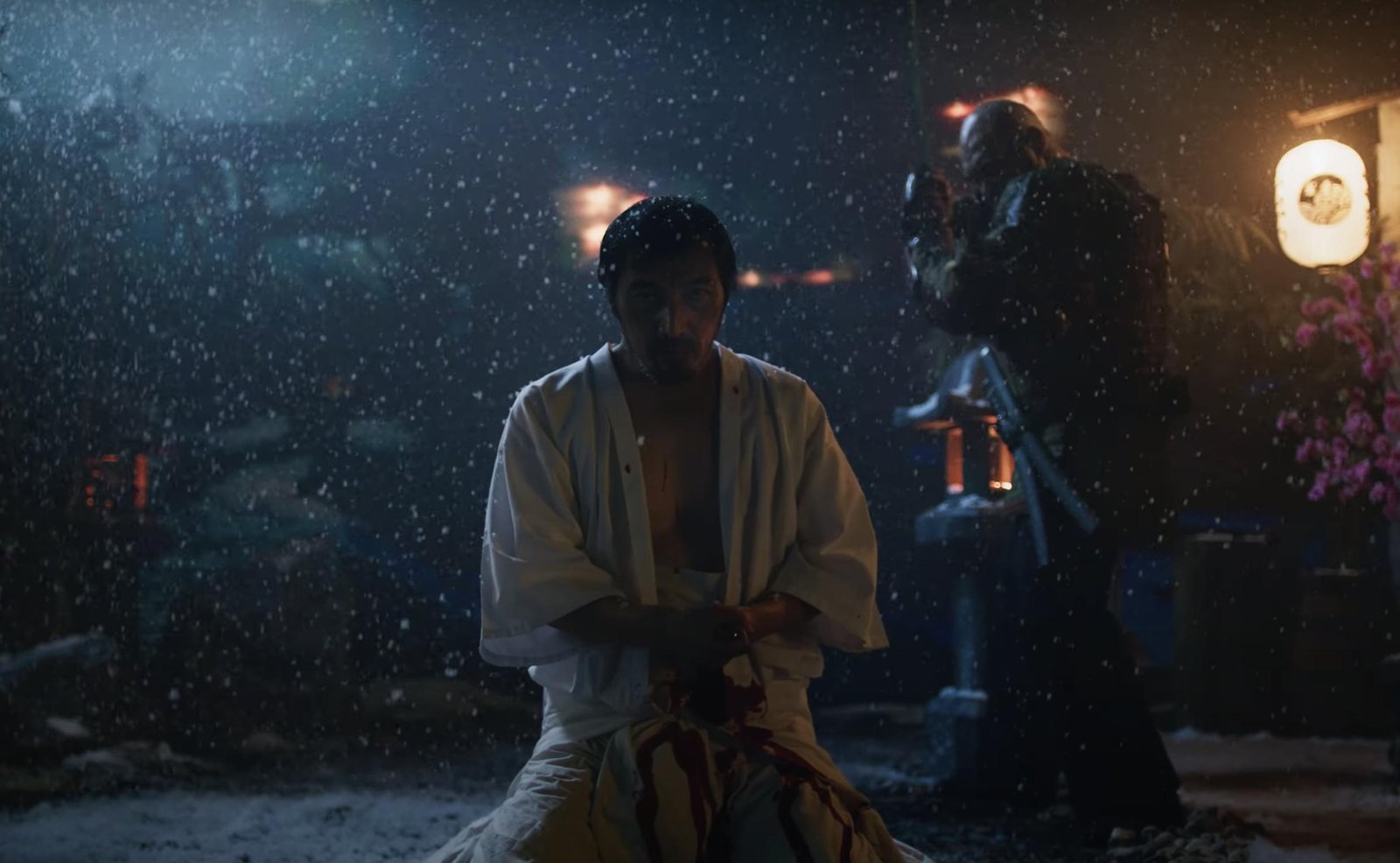
The Seppuku teaser trailer does an exceptional job of crafting an atmosphere that reflects the film’s thematic undertones. There’s a striking contrast between serene landscapes and the raw intensity of internal conflict, showcased through slow, deliberate camera movements that mirror the weight of the samurai tradition at the heart of the narrative. The use of light plays a pivotal role, filtering through branches and illuminating weathered faces—an artistic choice that emphasizes the burdens and sacrifices associated with honor and duty.
Another standout aspect is the thematic exploration of honor and sacrifice, transcending the surface-level action often seen in its genre. The trailer hints at a quest for redemption that seems to intertwine personal and collectivist notions of honor, suggesting this film will not shy away from the weighty implications that drive characters to choose their fates. This thoughtful engagement with thematic material injects a sense of gravitas into the storytelling and hints at a deeper exploration of the human condition.
Specific strengths like a performance, a sequence, or a visual choice
A few moments within the Seppuku trailer are bound to linger with viewers long after they see it. The climactic sequences reveal visually engaging choreography, incorporating both beauty and brutality that pay homage to traditional samurai films while aiming for a modern twist. The slow-motion capture of a duel punctuated by stillness and expressions of turmoil serves not only as eye candy but also packs an emotional punch.
Moreover, the trailer introduces us to its lead character, whose journey appears to be central to the film’s narrative arc. The glimpses we get of his internal struggle against societal obligations are not just visually stunning but deeply relatable. It hints at the emergence of pivotal inner conflicts that audiences will be drawn to unravel, making this character’s arc a focal selling point of the film.
The rough edges — what didn’t land
Pacing, clarity, or plot threads that feel weak
While the visuals and thematic depth certainly strike a chord, the teaser does reveal some potential rough edges that could pose challenges for the full film. The pacing within the trailer occasionally feels erratic, with certain sequences racing against the emotional weight they’re trying to convey. For a story grounded in tradition and introspection, viewers might hope that the full film maintains a steadier rhythm, avoiding the temptation of fitting too much exposition into a limited runtime.
Additionally, some plot threads hinted at in the trailer might come across as convoluted. The introduction of various side characters, while necessary for establishing a rich world, may risk confusing the audience if they aren’t fleshed out adequately in the film. It could create a scenario where essential motifs drift away amidst multifarious storylines, disrupting the coherence of the narrative foundation.
Any moments that undercut the film’s intentions
There are a few tonal inconsistencies that emerge in the trailer, particularly during moments intended for high emotional impact. For instance, the juxtaposition of somber flashbacks with overly stylized action sequences can detract from their intended gravitas. When the emotional stakes are high, a sudden shift to action-oriented visuals might lessen the impact that these heartfelt moments strive to deliver. Therefore, striking a balance between these contrasting elements will be crucial for the final film’s integrity.
Are the performances convincing?
Lead actor(s): what they bring and why it matters
The lead actor brings a compelling screen presence that soars through the teaser. His ability to convey vulnerability while embodying a warrior ethos is crucial, especially when the character’s journey revolves around navigating a world that demands conformity to strict codes of honor. The emotional depth in his facial expressions and body language during high-stakes sequences provides a promising glimpse of what may unfold in the complete narrative. It seems that his performance has the potential to anchor the film, making audiences empathize with his internal struggles.
Supporting cast and chemistry
While it’s challenging to gauge the full extent of the supporting cast from the teaser alone, there are noticeable moments that showcase their chemistry with the lead. Brief exchanges caught in the trailer hint at a layered relationship filled with tension and nuance, particularly evident in interactions that flash with both camaraderie and conflict. If these dynamics are fully fleshed out in the film, they could elevate the overall ensemble’s effectiveness, adding dimension not only to the core characters but also to the conflicts that arise from their interconnected journeys.
Closing thoughts
Overall, Seppuku stands poised at the intersection of tradition and modern storytelling, sparking curiosity among film enthusiasts with its provocative trailer that teases a rich narrative journey. Its successful execution will depend on its ability to maintain pacing, clarity, and emotional integrity throughout the full film. As the release date approaches, expectations continue to build, revealing a willingness among audiences to embrace a film that may challenge their perceptions amidst thrilling visuals and rich storytelling. A work of art that has the potential to resonate deeply, Seppuku could emerge as a significant contribution to contemporary cinema, immersing viewers in a thoughtful exploration of honor, sacrifice, and the human experience.
How’s the story and pacing?
Does the narrative move or get bogged down?
“Seppuku” unfolds in a manner that scrupulously balances tension and introspection. From the very first frame, it sets the stage for an intricate exploration of honor, sacrifice, and existential dread. The pacing flows like a meticulously choreographed dance, punctuated by moments of stark stillness that invite the viewer to indulge in the characters’ moral quandaries. It’s evident that the filmmakers have a clear vision: the narrative pushes forward with urgency, yet it allows for contemplative pauses, enhancing the emotional stakes.
Early scenes draw you into the protagonist’s tumultuous world, where each dialogue is heavy with implication. The film elegantly weaves flashbacks and present-tense moments, lending depth to our understanding of motivations. As the conflict unfolds, the pacing remains taut, drawing you deeper into a labyrinth of choices, where every action reverberates with consequence. The meticulous crafting of these narrative threads ensures that viewers remain engaged, even as themes of despair loom large.
Is the payoff worth the setup?
Without delving into spoilers, “Seppuku” deftly juggles its elaborate setup with a rewarding payoff that resonates long after the credits roll. The character arcs are richly developed, culminating in revelations that redefine your understanding of honor and personal loyalty. The final act doesn’t simply resolve conflicts; it invites you to question the very nature of sacrifice itself.
The film’s conclusion ties back to its early motifs, rewarding viewers who pay close attention to the subtleties laid out. The moral complexities posed throughout invite debate, ensuring that the payoff feels not just satisfying, but provocative. You leave the theater pondering the implications of the choices made, a hallmark of great storytelling that elevates “Seppuku” beyond mere entertainment.
Do the visuals and sound pull you in?
Cinematography, production design, and period feel
Visually, “Seppuku” is a breathtaking testament to what meticulous production can achieve. With a palette that oscillates between muted earth tones and stark contrasts, every frame is a deliberate composition that evokes the film’s thematic undercurrents. The cinematography captures both the grandeur and the claustrophobia of the characters’ world, laying bare emotional landscapes through its use of light and shadow.
Production design plays a critical role in enhancing the film’s period feel. The settings—whether sprawling fields or intimate interiors—are painstakingly recreated, immersing viewers in a bygone era. Symbolism thrives here; the spartan architecture often reflects the characters’ internal struggles. The image of the samurai sword, both a tool and a harbinger of fate, is woven throughout the visual narrative, representing the thin line between honor and tragedy.
Score and sound design: does it enhance the mood?
The score of “Seppuku” is as haunting as it is evocative, layering somber strings with a delicate piano that resonates with the film’s themes of loss and redemption. It’s a masterclass in sound design, where silence often speaks louder than music. The carefully crafted audio landscape enhances pivotal moments, drawing audiences into the psychological turmoil of the characters.
Every rustling leaf or drawn sword amplifies tension, accentuating the visceral experience of watching “Seppuku.” The interplay between visuals and sound underscores critical emotional beats, making certain sequences pulse with an almost unbearable intensity. This auditory landscape is not merely background; it functions as a character in its own right, accentuating the narrative’s emotional depth.
Standout moments (no spoilers)
One or two sequences that stick with you
“Seppuku” is rife with standout moments, but one particularly haunting scene encapsulates its emotional core. During a confronting dialogue between the protagonist and the antagonist, the dialogue crackles with tension, each word fraught with weighted implications. The camera lingers on their expressions, capturing an agonizing internal battle that breathes life into the conflict. This moment doesn’t just highlight their animosity; it serves as a microcosm of the film’s deeper themes of honor and betrayal.
Another sequence showcases visually arresting choreography during a climactic duel, where the fluidity of movement expresses more than any spoken word could convey. It’s both a physical and philosophical confrontation, bringing together the visceral thrill of action with the intellectual weight of the film’s broader conflicts. These moments shape your understanding of the characters and fix themselves in your memory, compelling you to reflect on their significance long afterwards.
Emotional or technical moments worth noting
Among the rich tapestry of “Seppuku,” an emotionally charged moment stands out—a quiet reflection in which the protagonist grapples with their choices by a still lake. The stillness, paired with the cobalt blues and greens of the landscape, creates an atmosphere that is simultaneously serene and charged with anticipation. This sequence masterfully showcases the internal conflict and serves as a counterpoint to the film’s more aggressive confrontations, reminding viewers of the deeper currents at play.
Technically, the film’s use of practical effects and minimalist CGI adds authenticity to its epic scope. The visceral impact of swordplay feels tangible, elevating the drama while ensuring immersion in this stylized world. The commitment to pragmatic techniques infuses the action sequences with a weight that resonates powerfully, engaging audiences both emotionally and viscerally.
In conclusion, “Seppuku” weaves together a transcendent narrative experience that eloquently merges story, visuals, and sound. As anticipation builds for its wider release, this finely wrought tale promises to linger in the minds of audiences well beyond its theatrical run, securing its place within the pantheon of contemporary cinematic achievements.
Who is Seppuku for? Worth watching or skipping?
The type of viewer who’ll enjoy it most
“Seppuku” is a film that caters predominantly to audiences appreciative of thematic depth, cultural intricacies, and morally complex narratives. If you revel in storytelling that asks tough questions about honor, sacrifice, and the human condition, this film could resonate powerfully with you. Viewers who enjoy meticulously crafted visuals complemented by a haunting score will likely find themselves enraptured. This isn’t a film designed for passive consumption; it demands engagement and contemplation, making it ideal for those who relish analyzing layers beneath the surface.
Those who admire films like “The Last Samurai” or “Harakiri” will also appreciate “Seppuku.” It’s a somber meditation on life and death that thoughtfully explores how cultural expectations shape personal choices. Fans of historical dramas infused with psychological tension will likely find “Seppuku” a worthy addition to their cinematic repertoire.
Is it worth a first watch or a rewatch?
“Seppuku” certainly stands up to first-time viewing, offering an immediate emotional impact and visual elegance that captures attention from the very start. However, this film’s complexity and rich subtext beckon for rewatching, as each successive viewing reveals subtle nuances that may have eluded the audience initially. Especially in films steeped in cultural significance and moral ambiguity, a second or third watch often uncovers new layers of understanding and appreciation. Therefore, whether you’re viewing it first for sheer emotional engagement or revisiting for a deeper exploration of its thematic core, “Seppuku” is undeniably worth your time.
Cautions — who might not like it
Content warnings and intensity
“Seppuku” is unapologetically intense and doesn’t shy away from depicting the darker sides of human nature. It contains scenes of graphic violence and themes that revolve around death, betrayal, and deep emotional turmoil. While these elements serve the film’s narrative, they can be unsettling for sensitive viewers. The seriousness of its subject matter and the emotional toll depicted might not be suitable for everyone; casual moviegoers or those looking for light entertainment may find themselves lost in its heavy atmosphere. As such, caution is advised for those who prefer more straightforward narratives or lighter tones.
Viewers likely to be bored or put off (tone, length, genre)
While “Seppuku” certainly has its audience, it’s important to acknowledge that its deliberate pacing and weighty themes could turn off others. Those who favor fast-paced action or standard genre conventions will likely find themselves drifting during its quieter, introspective scenes. Likewise, viewers expecting a conventional linear structure may feel frustrated by its more reflective approach to storytelling. The film’s genre—historical drama—might not appeal to everyone, especially if one’s inclination is towards more mainstream or commercial fare.
FAQs
Is Seppuku based on a true story or historical events?
“Seppuku” doesn’t directly portray a true story but draws considerable inspiration from historical events and cultural practices surrounding ritual suicide in feudal Japan. Its themes and character dilemmas echo real-life societal expectations and personal honor, making the story feel deeply rooted in historical context. Fans of history and culture will find enriching layers within that could prompt a richer conversation about morality, duty, and the human experience.
How long is it and is the pacing intentionally slow?
Clocking in at around two hours, “Seppuku” adopts a deliberate pacing that allows for contemplation and emotional engagement with its characters and themes. This intentional slow burn facilitates a gradual buildup of tension and introspection, drawing viewers into the inner conflicts faced by the protagonists. While some may find this pacing slow or tedious, it serves the film’s primary objective of exploring profound emotional and moral dilemmas. It’s a reflective experience that rewards those willing to embrace its rhythm, making it suitable for viewers who appreciate a methodical approach to storytelling.