Blumhouse’s rocky stretch and a modest rebound
Independent horror specialist Blumhouse endured a rough run at the box office before staging a modest recovery. After a string of underperformers—films like Wolf Man, The Woman in the Yard, and Afraid failed to connect with wide audiences—the studio landed two sequels that reversed the trend: Scott Derrickson’s Black Phone 2 and Emma Tammi’s Five Nights at Freddy’s 2. Neither matched the global grosses of their predecessors, but both earned enough to be considered hits and to quiet, temporarily, concerns about the company’s commercial health.
Even so, one sequel in particular emerged as the standout disappointment that had broader consequences for the studio’s franchise plans.
From viral phenomenon to disappointing sequel
The original M3GAN became a true breakout in 2023, arriving as a relatively low-budget horror entry that exploded through word-of-mouth and viral social media attention. Directed by Gerard Johnstone and written by Akela Cooper, that first film reportedly cost about $12 million to make and went on to collect more than $180 million worldwide—a massive return and a clear franchise seed.
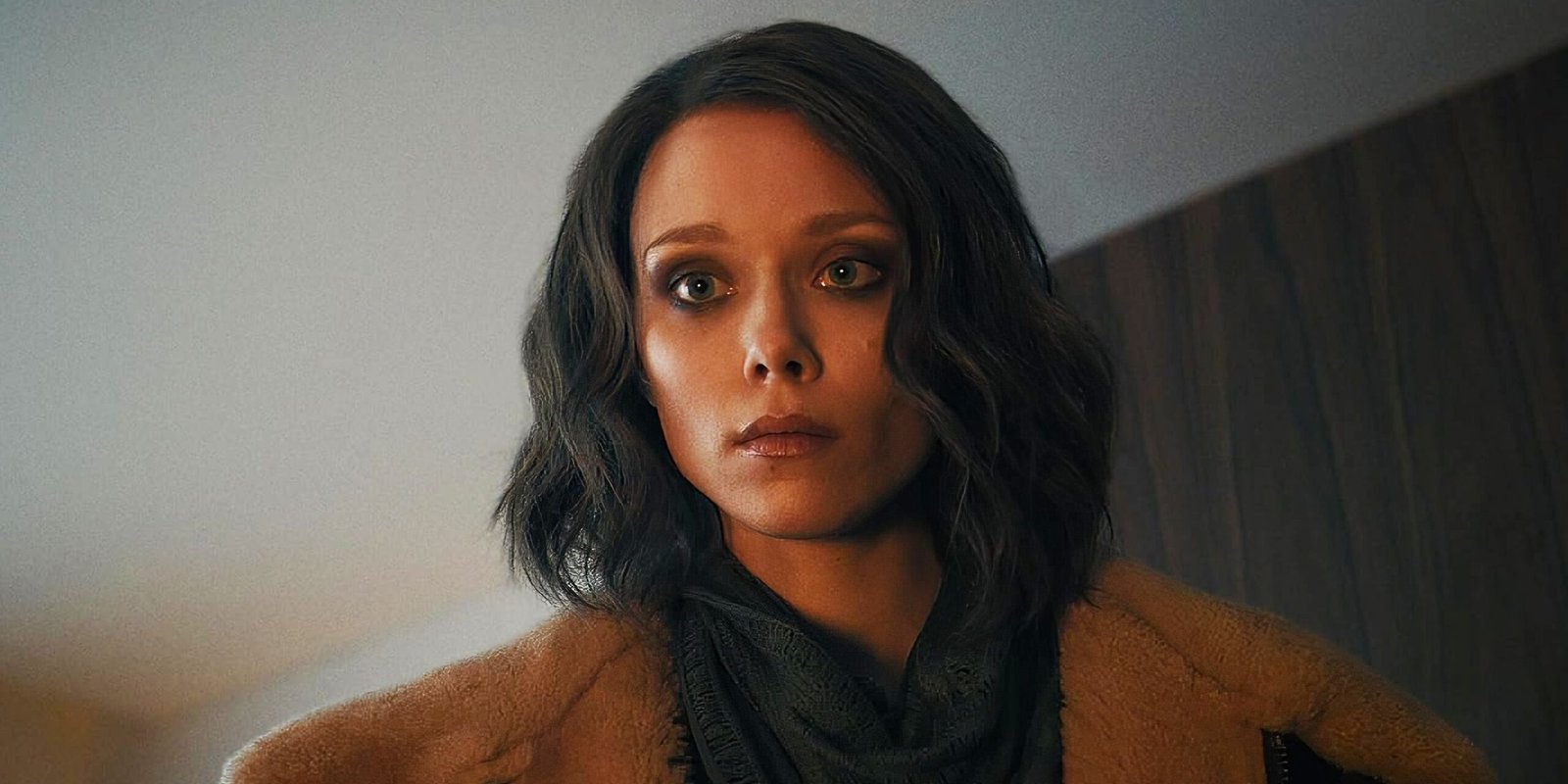
Its follow-up, M3GAN 2.0, reunited Johnstone and Cooper but failed to replicate that momentum. The sequel finished its theatrical run with under $40 million globally against a reported budget near $20 million. Critics were more mixed this time—M3GAN 2.0 holds roughly a 57% score on Rotten Tomatoes versus the original’s 93%—and many viewers were left puzzled by the sequel’s tonal shift away from the straightforward horror that powered the first film.
Key film facts
- Title: M3GAN 2.0
- Release date: June 27, 2025
- MPAA rating: PG-13
- Runtime: 120 minutes
- Director: Gerard Johnstone
- Writers: Gerard Johnstone, Akela Cooper
- Producers: Jason Blum, James Wan, Allison Williams
- Principal cast: Allison Williams (Gemma); Jenna Davis (voice of M3GAN)
- Genres: Action / Science Fiction / Thriller
Why M3GAN 2.0 stumbled
Several factors converged to blunt the sequel’s theatrical prospects:
- Genre shift: Audiences and critics noted a clear tonal change from horror to a science-fiction thriller. That pivot alienated some fans who expected more of the bite and camp that made the first film a cultural phenomenon.
- Marketing challenges: Universal attempted to engineer the sequel’s virality in a way that echoed the original’s organic spread, but the recreated formula didn’t land. When buzz feels manufactured, it’s harder to sustain the kind of communal enthusiasm that turns a modest release into a phenomenon.
- Diminished critical response: The sequel’s lower Rotten Tomatoes score and mixed reviews tempered audience urgency to see it in theaters.
- Franchise expectations: The first M3GAN arrived as a surprise hit; follow-ups must manage heightened expectations while offering something new. In this case, changes felt less like evolution and more like departure to many viewers.
Studio response and the cancelled spin-off
The box office shortfall had immediate franchise-side consequences. Universal removed a planned spin-off titled SOULM8TE from its January release schedule and is reportedly looking for other buyers or distribution options. The cancellation highlighted how one underperforming sequel can ripple across an entire franchise strategy—especially when a studio has banked on expanding a surprise hit into a broader universe.
Blumhouse boss Jason Blum publicly acknowledged missteps in the wake of the sequel’s release. Speaking about the film’s reception, he conceded the company may have overestimated the brand’s carrying power and that the genre transition was a mistake. He also emphasized that director Gerard Johnstone tends to deliver stronger work when given more time—an acknowledgement of the creative and scheduling pressures that can affect sequels.
Streaming revival and what it reveals
Despite theatrical struggles, M3GAN 2.0 has been finding an audience at home. Reportedly, the film reached the top spot on global HBO Max charts over Super Bowl weekend, according to FlixPatrol data. Audience scores for the sequel have been higher than critics’ ratings, suggesting that viewers who encounter the film via streaming platforms respond more favorably.
This pattern — a theatrical stumble followed by streaming interest — is increasingly common. Streaming can lower the barrier to discovery, allow films to reach niche or late-blooming audiences, and give sequels room to be reassessed without the immediate pressure of weekend box office tallies. For M3GAN 2.0, the streaming window appears to be offering a second life and a chance for broader re-evaluation.
What’s next for the franchise
The theatrical performance of M3GAN 2.0 complicates future plans. The immediate casualty was the SOULM8TE spin-off being pulled from Universal’s schedule and shopped elsewhere. Beyond that, the sequel’s mixed reception raises questions about how the franchise should proceed:
- Re-center the tone: Returning to the horror roots that made the original resonate could help rebuild the brand and satisfy core fans.
- Creative pacing: Giving directors more development time may yield more cohesive sequels that avoid rushed tonal shifts.
- Strategic distribution: Future installments might weigh theatrical windows against the greater discovery potential of streaming platforms.
For now, M3GAN 2.0’s streaming surge suggests the franchise isn’t dead—merely at a crossroads. Its journey underscores how unpredictable modern franchise-building can be: a film can underperform in theaters but still find an enthusiastic audience later, altering the calculus for studios and creators alike.
You can currently stream M3GAN 2.0 on major platforms where it’s available; the sequel’s renewed visibility on services like HBO Max is the clearest signal that this franchise may yet chart a new course.