
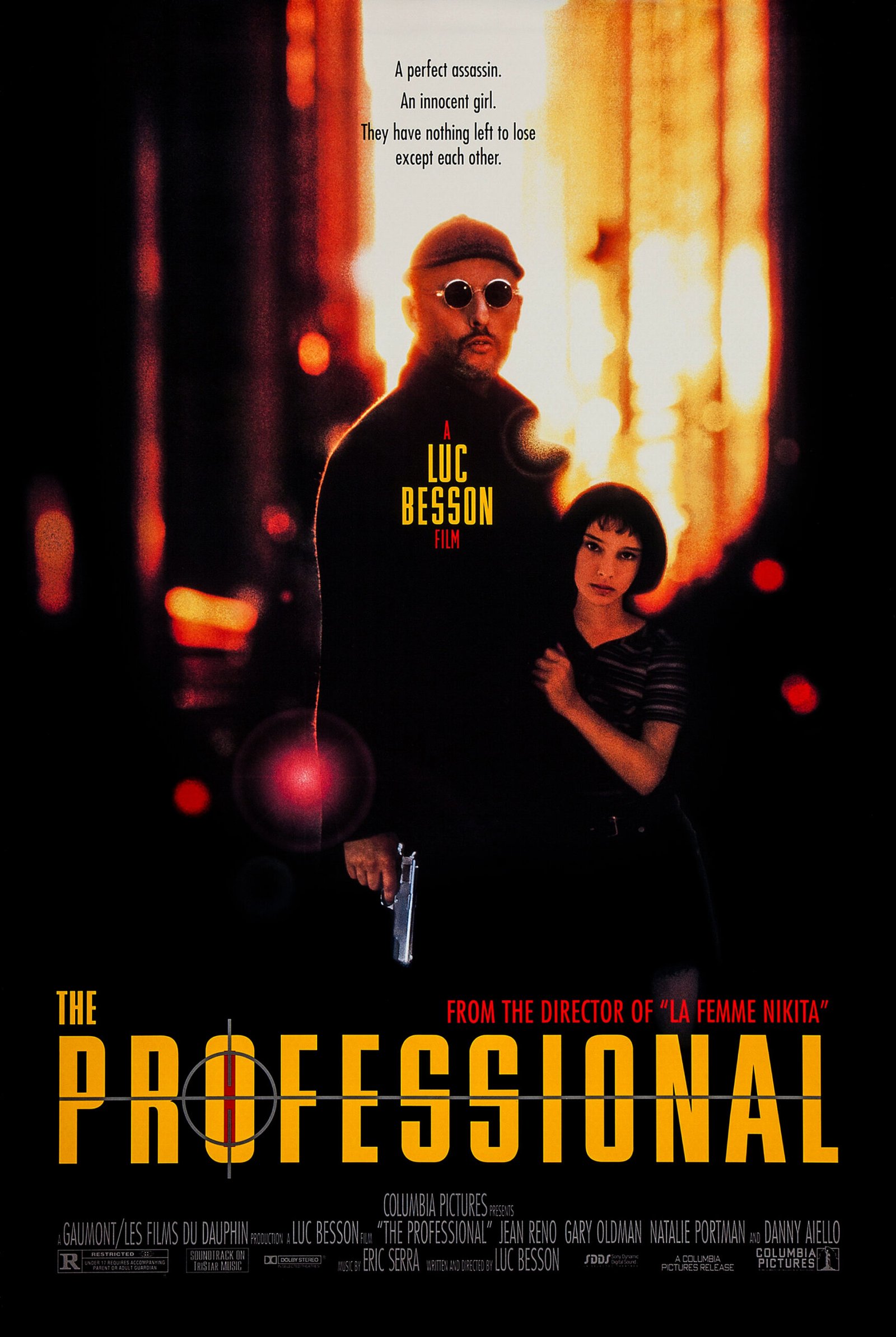

Information
## TL;DR — Quick verdict

### Bottom line in one sentence

"Léon" is a visceral and stylish exploration of unconventional bonds, coupled with stunning cinematography and a haunting score that elevates its emotional depth.

### Two reasons to watch (or skip)

**Watch it for:** The rich character development and striking visuals that create an immersive cinematic experience.
**Skip it if:** You prefer straightforward storytelling, as this film thrives on subtlety and atmospheric tension.

## Mood check — what kind of film is this?

### Tone and atmosphere

"Léon" blends elements of thriller, action, and drama into a unique cinematic experience. From the very first frame, the film instills a palpable sense of tension interspersed with moments of unexpected tenderness. The cinematography, crafted with a keen eye for detail, creates a moody atmosphere that mirrors the protagonist's internal conflict between violence and vulnerability. The decision to pair such stark imagery with a haunting score amplifies the emotional stakes, inviting viewers into a world where innocence and brutality collide.

### Who will probably dig it

Fans of character-driven narratives will likely find themselves captivated by "Léon." The film’s intricate character arcs resonate with those who appreciate the complexities of human connection, especially when set against a backdrop of moral ambiguity. Viewers drawn to stylized action sequences akin to those found in works by directors like Luc Besson, who expertly balances suspense with emotional depth, will also feel at home with this film.

## What's the setup (no spoilers)?

### The basic hook and stakes

At its core, "Léon" examines the unusual relationship between Léon, a highly skilled hitman, and a young girl whose life becomes intertwined with his in ways both dangerous and redemptive. The stakes are elevated as their bond deepens amidst the violent backdrop of a corrupt world. The fragility of their connection lays bare the emotional stakes, prompting audiences to question what safety and love truly mean.

### What to expect from the first 10 minutes

In the opening moments, viewers are thrust into Léon's solitary life, portrayed with a mix of solitary routines and bursts of visceral action. The intense pacing sets a foreboding tone, juxtaposing Léon’s steely demeanor with fleeting glimpses of his softer side. As the camera lingers on his isolated existence, it becomes evident that something significant is about to disrupt this fragile equilibrium, and it's in these early frames that the audience begins to sense the impending shift that will alter both characters’ lives forever.

## Trailer breakdown

The newly released "Léon" teaser trailer debuted on [insert platform here, e.g., YouTube] on [insert release date]. This short glimpse into the film encapsulates its essence, merging visual storytelling with striking sound design that beckons viewers to dive deeper. You can catch the official trailer [here](insert link).

Visually, the trailer showcases a gritty, urban landscape filled with sharp contrasts. The cinematography employs tight framing and strategic color grading, with a palette that oscillates between muted tones and flare, mirroring the emotional landscape of the protagonists. Symbolism abounds, particularly in how light and shadow play across the characters, suggesting a dichotomy that speaks to both the danger and hope inherent in their journey.

### Character and/or antagonist analysis

Returning to this iconic narrative, fans can anticipate the return of Léon, whose complex moral compass is at the heart of the story. This time, the anticipation builds around the introduction of a new character who promises to challenge Léon, unveiling layers of conflict that hint at a larger narrative arc. As the trailer unfolds, brief glimpses of the antagonist convey a sense of menace, positioning him as a foil to Léon's stoic yet haunted nature.

### Conflicts hinted at in the trailer

The trailer subtly peppers in hints of a brewing conflict, emphasizing the fragility of Léon’s protective instincts over the new young character. Moments of tension hint at internal struggles that reflect the external chaos, setting up a classic confrontation that might not play out as expected. The juxtaposition of Léon’s violent past with the innocence of his newfound companion raises questions about trust, loyalty, and the true cost of survival.

### Thematic deep dive

Comparing "Léon" to similar films reveals an evolution in tone and thematic exploration. While earlier entries in its genre often rely on clear-cut distinctions between good and evil, this film embraces ambiguity. It stresses the importance of human connection amid violence, crafting a narrative that challenges traditional narrative structures. The film’s relentless exploration of vulnerability and survival enhances its thematic depth, positioning it as a significant entry within contemporary cinema.

### Fan theories & speculation section

As we delve deeper into potential plot theories, a couple of intriguing possibilities arise.

1. **Narrative twists:** Given the emotional weight of Léon’s past, there’s speculation that unexpected betrayals lie ahead. Could a seemingly benign character reveal ulterior motives, complicating Léon’s mission and emotional arc?

2. **Hidden villains or secret motivations:** The trailer hints at a layered antagonist, possibly leading viewers to consider whether this figure is truly the villain or a misunderstood character with their own tragic backstory.

Amidst these theories, one cannot help but wonder how "Léon" will position itself within the greater cinematic universe. The implications of its narrative choices could lead to thrilling explorations of interconnected characters, raising the stakes beyond the immediate conflict at hand.

## Franchise / genre implications

With the film set to release on [insert confirmed release date], audiences are keenly aware of the expectations surrounding it. The buzz in the air reflects a mixture of nostalgia for its predecessors and excitement for new narratives within the franchise. The cinematic landscape remains ripe for stories that explore nuanced character relationships and moral complexities, allowing "Léon" to stand out from the crowd.

### Release date & expectations

As fans eagerly anticipate its release, the excitement radiating from the film community reflects both hope and apprehension. "Léon" has the potential to succeed by emphasizing character-driven storytelling amidst thrilling action sequences — a combination that, if executed well, could resonate deeply with audiences.

### Strong final verdict

In a crowded cinematic landscape, "Léon" could succeed or fail based on its ability to balance emotional depth with thrilling action. Its commitment to exploring the human condition within a violent world sets high expectations. With its engaging premise and powerful visuals, "Léon" may just carve out a remarkable niche for itself, enticing both lifelong fans and new viewers. As the release date approaches, the anticipation only builds; this film could be a poignant reminder of the bonds that transcend the boundaries of life and death, elevating it into the realm of cinematic classic, not to be missed.
What actually works — the good stuff
The biggest strengths
Léon presents a powerful amalgamation of stunning visuals and an emotionally gripping narrative that draws audiences into its world. One of its most impressive strengths is its ability to balance the contrasting tones of darkness and innocence. The cinematography employs a gritty aesthetic while infusing moments of whimsy, capturing the complexities of its central relationship. The use of light and shadow not only creates a palpable tension but also resonates with the film’s emotional core, mirroring the dualities of love and violence within the story.
Another standout feature is the film’s pacing. It masterfully oscillates between high-stakes action and quiet character development, ensuring viewers remain engaged. This careful rhythm allows for both thrilling moments and introspective pauses, making Léon a multifaceted experience that lingers long after the credits roll.
Small choices that lift the whole film
Small but significant choices pepper the film, enhancing its storytelling. For instance, the inclusion of recurring motifs—such as the theme of solitude reflected in empty spaces—encourages deeper connections to the characters. Symbolic elements, such as plants representing growth and fragility, subtly underscore the narrative’s themes. Each character’s wardrobe further enriches their emotional arcs; Léon’s muted attire juxtaposes with the vibrancy of young Mathilda’s clothing, emphasizing their vastly different worlds.
The film’s sound design also deserves praise. Carefully curated soundscapes enhance emotional beats, pulling viewers deeper into the psychological nuances of the narrative. Simple yet effective choices, like the echoing footsteps or the distant sounds of the city, amplify tension and intimacy, establishing a distinct atmosphere that feels both immersive and tangible.
How are the performances in Léon?
Leads: who stands out and why
The film thrives on its central performances, with the chemistry between Léon and Mathilda being nothing short of mesmerizing. Jean Reno’s portrayal of Léon presents a character steeped in quiet strength and profound vulnerability. He navigates the role with finesse, infusing emotional weight into even the simplest actions. Reno’s ability to convey Léon’s complex persona—an assassin grappling with loneliness and an unexpected paternal instinct—anchors the entire narrative.
On the other hand, newcomer Natalie Portman delivers a stunning performance that defies her young age. Her portrayal of Mathilda is both haunting and exuberant, encapsulating the raw emotions of a child forced to confront a harsh reality. Portman’s ability to shift between moments of childlike innocence and fierce determination is nothing short of remarkable, allowing viewers to empathize deeply with her plight.
Supporting cast and surprising turns
While the leads shine brightly, the supporting cast enriches the narrative with their nuanced performances. Gary Oldman as the villainous Norman Stansfield injects a level of unpredictability and menace that elevates the film’s stakes considerably. Oldman taps into a chaotic energy that is both captivating and terrifying, providing a stark counterbalance to the film’s central duo.
Surprising turns come from characters who may initially seem subordinate but offer poignant insights into the story’s themes. The interactions with Léon’s neighbors, for instance, create layers of context around his character, illustrating themes of isolation and connection. These choices deepen the narrative, allowing the supporting cast to leave a lasting impression without overshadowing the central arc.
Does the story and pacing hold up?
The plot engine and structure
Léon’s narrative engine is finely tuned, propelled by a straightforward yet evocative storyline that engenders immediate investment. The choice to center the plot on Léon and Mathilda’s relationship serves as a compelling anchor, allowing the narrative to explore deeper themes of love, loss, and redemption. The structure unfolds organically, with character development seamlessly woven into the action sequences and moments of tension.
One of the film’s narrative triumphs is its refusal to rely solely on traditional genre tropes. While it embodies elements of a thriller, it also delves into poignant character studies, making it a uniquely rich cinematic experience. The layering of backstory and emotional stakes offers audiences a deeper understanding of the character’s motivations, leading to a more satisfying narrative arc.
Where it drags or accelerates
While the pacing is generally well executed, a few scenes may linger longer than necessary, especially in the first act. These moments, meant to establish character dynamics, can momentarily disrupt the film’s rhythm. However, they usually pay off in the emotional stakes that unravel later in the narrative.
Conversely, the action sequences maintain a brisk pace, propelling viewers through Léon’s world with adrenaline-fueled momentum. The escalating tension leads to a climax that is both heart-pounding and heartbreaking. The skilled editing enhances this pace, allowing the film to balance quieter moments with explosive scenes, making for an engaging cinematic experience that rarely feels stagnant.
In summary, Léon emerges as a finely crafted film that excels in its depiction of complex relationships and human emotion. Its beautiful cinematography, standout performances, and compelling plot structure affix it firmly in the annals of cinema. The film invites layered interpretations and engages the viewer on multiple levels, making it a must-watch for those who appreciate the interplay between darkness and light in filmmaking.
With a release date on the horizon, fans eagerly anticipate what Léon has to offer—creating a tantalizing blend of expectation and speculation that only adds to the film’s allure. In this cinematic landscape, Léon’s success will likely hinge on its ability to resonate with audiences in a deeply personal way, ensuring its place among the classics.
How does Léon look and sound?
Visual style and cinematography
From the first frame of Léon, viewers are enveloped in a visual tapestry rich with striking contrasts and carefully curated details. The trailer opens with a soft focus on protagonist Léon, played by Jean Reno, against a backdrop of New York’s gritty underbelly. This juxtaposition not only highlights the character’s unsettling calm amidst chaos but also sets a tone of isolation that permeates the film. The camera work is meticulous; wide shots capture urban desolation while tighter frames draw attention to Léon’s emotions, reflecting his complex relationship with the world around him.
The cinematography is a masterclass in using light and shadow to convey inner conflict. Dark hues dominate the scenes featuring Léon, creating a palpable sense of danger and suspense. Meanwhile, vibrant pops of color—often linked to key characters or pivotal moments—suggest deeper undercurrents of emotion. Symbolism runs rampant, with visuals echoing the themes of innocence versus corruption. Shots of blooming flowers juxtaposed with scenes of urban decay amplify the emotional stakes, leaving viewers both intrigued and disquieted.
Score, sound design, and mood
A film’s score can elevate its narrative, and Léón excels in this domain. The trailer teases an eclectic soundtrack featuring haunting melodies interwoven with pulsating, dramatic crescendos. Composed by Eric Serra, the score is both intimate and grand, echoing Léon’s internal struggle while also echoing the film’s broader themes of redemption and grief. Each note seems to resonate with the emotional beats of the narrative, foreshadowing pivotal moments with chilling precision.
Sound design complements the score, immersing the viewer in Léon’s world. The subtle sound of city life contrasts with intense silence in moments of tension, allowing the audience to feel both the din of chaos and the weight of solitude. This meticulous attention to audio detail enhances the mood, creating an atmosphere ripe for both action and introspection. In the trailer, the interplay of sound and sight conveys an unsettling harmony, enticing us into a story that is as captivating as it is harrowing.
Standout moments (no spoilers)
Scenes that stick with you
While the trailer expertly teases thrilling action sequences and emotional climaxes, several moments stand out as truly unforgettable. One such scene features Léon in a tender yet heartbreaking confrontation with Mathilda, portrayed by a young Natalie Portman. The glimpse into their evolving relationship, filled with confusion and compassion, hints at the film’s exploration of unconventional bonds. This complex dynamic is not merely about protector and protected, but rather presents a nuanced portrayal of dependence and personal growth.
Another standout moment involves Léon in a tense face-off with the film’s antagonist, a shadowy figure whose malevolence is etched into every frame. The trailer captures the charged atmosphere of this encounter, amplifying anticipation for what promises to be a chilling battle of wills. It’s these pairings of vulnerability and brutality that make the scenes not just memorable but essential to the film’s emotional depth.
Why those beats land
The effectiveness of these standout scenes lies in their emotional authenticity and the powerhouse performances behind them. The nuanced portrayal by Reno and Portman creates a resonance that goes beyond mere spectacle. Viewers find themselves reflecting on questions of morality and the complexities of human connection—questions that linger long after the trailer fades. It’s this blend of raw emotion and unsettling tension that resonates deeply and cements these moments as lasting impressions.
Moreover, the pacing of the trailer allows for these standout moments to breathe. Rather than rushing from one sequence to another, carefully crafted pauses allow audiences to absorb the weight of each glance, each clenched fist. This deliberate pacing hints at the film’s overall rhythm, suggesting that Léon will be a thoughtful film even amid its action-packed sequences.
Should you watch Léon (or rewatch it)?
Who this film is perfect for
Léon appeals to a broad spectrum of viewers, particularly those drawn to character-driven narratives that merge action with emotional complexity. Fans of films that delve into the darker aspects of human nature will find much to appreciate here. The interplay between innocence and corruption will resonate with viewers who enjoy layered storytelling akin to works by directors like Quentin Tarantino or Christopher Nolan. Similarly, anyone with an appreciation for visually striking films rich in symbolism will find Léon’s aesthetic alluring.
If you’re a fan of coming-of-age narratives that ripple with moral ambiguity, or if you admire strong performances from seasoned actors and rising stars alike, Léon is essential viewing. Its exploration of unconventional relationships adds an emotional weight that elevates it beyond typical action fare.
When to skip it
This film may not suit all sensibilities. If you prefer straightforward narratives without moral complexity or are averse to stories that tackle themes of violence and suffering, Léon may not resonate. Additionally, viewers seeking purely lighthearted entertainment might find the tonal shifts jarring. There are moments of levity, but they’re intricately woven into a tapestry of action and emotional heft that demands engagement.
Those who dislike slow-burning films or require rapid pacing to maintain interest may also find themselves less enthralled. Léon, with its precisely measured beats, invites viewers to reflect rather than simply consume. If the preference leans toward non-stop action or less contentious themes, this film might not be your cup of tea.
In conclusion, Léon promises to be a captivating cinematic experience that lingers in the mind long after its credits roll. With its rich visual storytelling and resonant sound design, it invites contemplation on the darker sides of love and redemption. As the release date approaches, anticipation is sure to build, and the film could either reaffirm the potency of its thematic material or risk alienating more casual audiences. Either way, Léon holds the potential to become a memorable entry in the lexicon of modern cinema.
Which version should I watch and where?
The cuts and what changes your experience
When diving into “Léon: The Professional,” understanding the different cuts can significantly enhance your viewing experience. The film, directed by Luc Besson, is available in several versions, most notably the theatrical cut and the Director’s Cut, often referred to as the “Uncut” version. The standard theatrical version runs approximately 110 minutes, while the Director’s Cut extends to around 133 minutes.
The content differences between these versions are quite striking. The theatrical cut presents a more streamlined narrative, particularly centering on Léon as the hardened hitman and his evolving relationship with Mathilda, portrayed by a young Natalie Portman. The pacing feels brisk, crafting a palpable tension between violence and tenderness. In contrast, the Director’s Cut provides additional context through extended scenes and character development. It explores Léon’s isolation more deeply and offers a fuller glimpse into Mathilda’s complexity, including scenes that highlight her traumatic upbringing and her motivations for wanting revenge.
Viewers new to the film may find the theatrical release suitable for its tight pacing, but those keen on nuanced storytelling should definitely check out the Director’s Cut. The additional scenes add layers to the narrative, allowing for a richer emotional experience. If the heart of the film’s conflict and these characters resonate with you, the longer version is well worth the time.
Current streaming and purchase options
As of now, “Léon: The Professional” is available on various platforms for streaming or purchase. Services like Amazon Prime Video, Apple TV, and Google Play often carry both cuts, giving viewers the flexibility to choose which version to experience. It’s also occasionally featured on subscription services like Hulu or Tubi, though availability can change based on licensing agreements.
For those looking to own a digital copy or Blu-ray, you can find both cuts available for purchase on platforms such as Amazon, where they frequently offer promotional deals. Additionally, special editions, often packed with behind-the-scenes features, can be found in both physical and digital formats, making it a compelling addition to any film collector’s arsenal.
FAQs
Is there a Léon: The Professional 2?
There’s been a long-standing interest in a potential sequel to “Léon: The Professional.” However, as of now, there are no confirmed plans for “Léon: The Professional 2.” Luc Besson has indicated that he is not interested in revisiting these characters, which leaves fans wondering about the legacy of this cult classic. Given the film’s impact, it’s understandable that many would love to see how Léon and Mathilda would navigate the aftermath of the story’s events.
Who directed Léon?
“Léon: The Professional” was directed by Luc Besson, a filmmaker known for his vivid visual storytelling and unique character-driven narratives. Besson’s vision in this film is palpable, as he blends elements of crime drama and emotional depth, establishing a signature style that resonates throughout his body of work. His craft not only elevates the individual performances but also solidifies the film’s poignant theme of love amidst violence.
Is Léon on Netflix right now?
Currently, “Léon: The Professional” is not available on Netflix in many regions, making it tricky for fans hoping for easy access through this popular streaming service. However, the availability of titles on Netflix can evolve, so checking back periodically or keeping an eye on announcements could yield results in the future.
What rating does Léon have (is it violent)?
“Léon: The Professional” is rated R for strong language, nudity, and intense violence. The film’s depictions of violence are graphic and emotionally charged, serving as both a critique and commentary on the act itself. This rating reflects not just the on-screen actions but the profound emotional conflicts each character grapples with, contributing to a tense viewing experience.
What do people say about Léon on Reddit?
On Reddit, “Léon: The Professional” has generated a vibrant discussion among film enthusiasts. Many praise the performances, particularly that of Jean Reno and Natalie Portman, noting their chemistry as masterfully executed. Discussions often highlight the film’s themes of innocence lost and the moral ambiguities of Léon’s character. Redditors also speculate about the deeper implications of the film’s ending and its portrayal of mentorship, leading to thought-provoking insights and interpretations.
Are there different cuts of Léon I should know about?
Yes, fans should be aware of the two primary cuts: the theatrical cut and the Director’s Cut. As previously stated, the Director’s Cut enriches the narrative with additional character development and nuanced scenes, making it a preferable choice for those interested in a deeper exploration of themes. Some fans even refer to a “French cut,” but that is essentially the Director’s Cut, which emphasizes Besson’s original vision.
How long is Léon and is it worth a rewatch?
“Léon: The Professional” has a runtime of about 110 minutes for the theatrical cut and 133 minutes for the Director’s Cut. Given the film’s rich emotional themes and character arcs, it’s absolutely worth a rewatch. Each viewing can uncover new layers, whether it’s the heartbreaking dynamics between Léon and Mathilda or the moral complexities of their violent world. Many viewers find that revisiting the film provides greater appreciation for Besson’s intricate storytelling.
Where can I find reliable reviews (Guardian, Rotten Tomatoes, etc.)
For reliable reviews of “Léon: The Professional,” you can check out platforms like Rotten Tomatoes, where critics’ scores and audience opinions collide. The Guardian often features insightful critiques as well, analyzing both cinematic merit and cultural implications. Other reputable sources include Metacritic and IMDb, which provide various perspectives, ensuring a well-rounded understanding of what viewers and critics think about this timeless classic.