
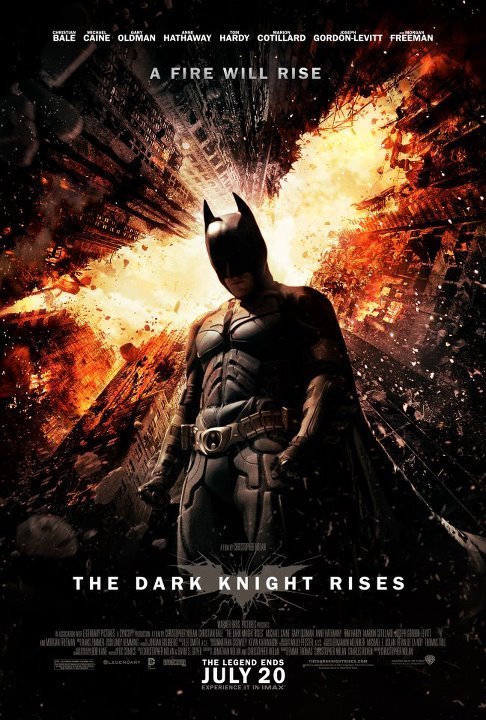

Information
TL;DR — Quick verdict
One-sentence takeaway
The Dark Knight Rises is a formidable conclusion that melds ambition and character depth, achieving a potent blend of spectacle and introspection that resonates well beyond its blockbuster facade.
Should you watch it now or rewatch it?
If you’ve never experienced The Dark Knight Rises, watching it now is essential for any serious film enthusiast. For those revisiting the trilogy, this film offers new layers after fully absorbing the preceding chapters, making a rewatch just as rewarding.
How does The Dark Knight Rises cap the trilogy?
Tone, scope, and the final act explained (no spoilers)
The Dark Knight Rises presents a grand final chapter steeped in somber reflection and existential dread, intertwining Bruce Wayne’s personal journey with Gotham’s larger struggles. Where previous entries maintained a frenetic pace, this film embraces a more contemplative tone, amplified by its stunning cinematography. The stakes are higher than ever, with layered conflicts that pit Wayne against not only physical threats but also the ghosts of his past. The final act unfurls like a symphony, a culmination of emotional arcs that are both cathartic and devastatingly satisfying, yet never veer into chaotic territory.
How it compares to The Dark Knight and Batman Begins
In terms of sheer scale and ambition, The Dark Knight Rises is unparalleled—delving deeper into themes of hope, despair, and redemption than either of its predecessors. While Batman Begins laid the groundwork for Bruce’s origins and The Dark Knight showcased the Joker’s chaotic influence, this installment returns to core Batman mythology with a focus on consequences. The film captures a sense of closure, while honoring character arcs that have evolved throughout the trilogy. Though some purists argue it doesn’t reach the heights of The Dark Knight, it still balances spectacle with substance, setting it apart in its unique approach to finality.
Does the story and pacing actually hold up?
Plot clarity and how much you need to pay attention
The narrative structure of The Dark Knight Rises requires attention, but it’s not excessively convoluted. The film grounds itself in familiar emotional beats and themes that resonate from earlier entries. However, every scene matters, revealing intricate layers in how they tie back to Bruce Wayne’s identity. Viewers who skim over details might miss some character-driven motivations or foreshadowing that enriches the film’s overarching plot.
Runtime and whether it ever feels bloated or rushed
Clocking in at an ambitious runtime, The Dark Knight Rises has a lot to establish, yet it rarely feels rushed or bloated. Christopher Nolan’s patient pacing rewards audiences, allowing moments of tension to breathe. Each subplot integrates seamlessly into the larger narrative, assembling a cohesive story that maintains momentum without the weight of excess. Through carefully crafted editing, the film’s rhythm sustains engagement, ensuring that even in its quieter moments, there’s an undercurrent of emotional urgency.
As we navigate the cinematic landscape, The Dark Knight Rises stands as a testament to how a blockbuster can delve deep into the human experience while still delivering heart-pounding excitement. With its release date firmly in the spotlight and anticipation at an all-time high, it’s clear that fans will be dissecting its themes and implications long after the credits roll. This isn’t just a film; it’s a triumphant, multifaceted exploration of what it truly means to be both a hero and a human being, setting a high bar for future installments in the superhero genre.
Are the performances convincing?
Christian Bale and Bruce Wayne’s emotional arc
In “The Dark Knight Rises,” Christian Bale delivers one of his most compelling portrayals as Bruce Wayne. This film finds Bruce at his most vulnerable, grappling not only with the fallout of his previous decisions but the physical and emotional toll of being Gotham’s protector. Bale masterfully navigates Bruce’s transition from a broken man to a figure of hope. He embodies Wayne’s fatigue and desperation, showcasing a deeper emotional arc that explores the burden of heroism. Bale’s nuanced performance evokes empathy, inviting viewers to understand Bruce’s internal struggle rather than merely observing it.
Tom Hardy as Bane and what he brings
Tom Hardy steps into the role of Bane, and he transforms this character into a palpable force of nature. Even with his voice shrouded by a mask, Hardy’s performance bleeds charisma and menace. He manages to capture Bane’s intelligence and physicality, presenting him as a formidable antagonist rather than merely muscle. Through Hardy’s portrayal, Bane becomes a catalyst for Bruce’s transformation, challenging not just Batman’s physical prowess but also his psychological endurance. The interactions between Bruce and Bane are electric—a clash of ideals that leaves a lasting impression on the narrative.
Anne Hathaway, Joseph Gordon-Levitt, and the rest of the cast
The supporting cast enriches the film significantly. Anne Hathaway’s Selina Kyle is both beguiling and complex, exploring the ambiguity that comes with the duality of her character. Hathaway infuses Selina with both charm and ferocity, transcending typical femme fatale tropes and showcasing an evolution that makes her a compelling ally and rival to Bruce. Joseph Gordon-Levitt introduces John Blake, a character that embodies youthful idealism in an age of despair, serving as a hopeful reflection of Gotham’s future. The ensemble cast, including Gary Oldman and Morgan Freeman, not only carries the weight of their established roles but also elevates this gritty narrative through their commitment and depth.
Are the action and visuals worth your time?
Big set pieces and practical effects
One of the hallmarks of “The Dark Knight Rises” is its dedication to practical effects, which elevates its action sequences to a level of authenticity rarely found in contemporary blockbusters. The film features grand set pieces, from the explosive climax at Gotham’s football stadium to the chilling chase sequences along the icy streets. Each action scene is meticulously crafted, feeling visceral and impactful, ensuring that audiences can immerse themselves in the chaos that envelops Gotham. This commitment to realism not only heightens the stakes but also makes each confrontation feel personal and immediate.
Cinematography, production design, and Gotham’s look
The visual aesthetic of “The Dark Knight Rises” plays a crucial role in shaping its narrative tone. Cinematographer Wally Pfister captures the brooding essence of Gotham City with a mix of expansive shots and intimate close-ups. There’s a palpable sense of dread and decay permeating the visuals, serving as a mirror to Bruce’s internal conflict. The production design reflects a city on the brink, filled with derelict buildings and a populace grappling with fear. This attention to detail in both cinematography and design articulates a Gotham that feels alive— a character in its own right— and crucially underlines the film’s larger themes of redemption and resilience.
How does the music and sound shape the film?
Hans Zimmer’s score and key cues
Hans Zimmer’s score for “The Dark Knight Rises” is monumental, echoing the film’s emotional landscape with a blend of grandeur and intimacy. His compositions amplify pivotal moments, from the haunting motifs accompanying Bruce’s introspection to the exhilarating symphonies echoing during action sequences. The identity Zimmer creates through his score is unmistakable, forging a powerful connection between the visuals and the audience’s emotional response. This soundtrack doesn’t merely underscore the action; it immerses viewers into the psyches of the characters, enriching the overall thematic depth of the story.
Sound design, mixing, and how it affects tension
The film’s sound design plays an equally essential role in constructing its atmosphere of dread and urgency. The mixing interweaves ambient noise, score, and dialogue in a way that strategically builds tension throughout. Whether it’s the rumble of Bane’s arrival or the tense silence before an explosion, every sound is intentional. This meticulous craftsmanship in sound creates a visceral experience, absorbing the viewer into Gotham’s turmoil. Each auditory element reinforces the stakes, intensifying the emotional impact of the story and making the experience deeply affecting.
In summary, “The Dark Knight Rises” demonstrates exceptional performance, thrilling action, and a haunting soundscape, culminating in an experience that resonates on multiple levels. This film stands not only as a closing chapter to Nolan’s trilogy but as a profound exploration of sacrifice, identity, and the eternal struggle between good and evil. As audiences reflect on their journey with these characters, the questions linger: Can Gotham truly rise? And at what cost?
What Works — the best parts that actually land
Emotional beats that feel earned
“The Dark Knight Rises” traverses a myriad of emotional landscapes, seamlessly lacing profound themes of despair, redemption, and resilience throughout the narrative. The stakes have never felt so personal for Bruce Wayne. The years of isolation and loss weigh heavily on him, and each moment of vulnerability is crafted with care. The film invites viewers into a world where emotional stakes are not merely plot devices, but core elements that drive the characters’ motivations.
Whether it’s Bruce’s struggle to rise from the ashes of his own despair or the moral quandaries that plague his adversaries, the emotional beats resonate deeply. The film’s ability to capture the heaviness of age and regret is particularly striking, creating a sense of authenticity that feels like a natural evolution from its predecessors.
Standout performances and character payoffs
The performances elevate “The Dark Knight Rises” beyond a traditional superhero story. Christian Bale returns as Bruce Wayne/Batman, delivering a nuanced portrayal that encapsulates the weariness of a hero haunted by his past. Anne Hathaway as Selina Kyle aka Catwoman balances charm and complexity, deftly embodying a character who oscillates between ally and antagonist.
Then there’s Tom Hardy’s interpretation of Bane. Hardy infuses the character with a ruthless intelligence and physicality that makes him a formidable force. The tension between Batman and Bane is palpable, as their ideological differences offer a deeper exploration of the film’s overarching themes: justice versus vengeance, hope versus fear.
Across the board, character payoffs feel rewarding. Their arcs culminate in resolutions that are emotionally satisfying. Each character’s choices reflect not just personal stakes but also the larger ramifications for Gotham—a city as much a character in this narrative as its heroes and villains.
Moments of scale and spectacle that stick with you
Visually, “The Dark Knight Rises” takes leaps into both spectacle and intimacy. The cinematography captures sweeping shots of Gotham, creating an atmosphere that feels both grand and claustrophobic. The juxtaposition is effective: the city is beautifully rendered yet intrinsically tied to the characters’ fates.
Action sequences dazzle with a level of craftsmanship that few films achieve, from high-octane chase scenes to emotionally charged confrontations. The scale of these moments is paired with the intimate stakes of the characters, making them linger in the mind long after the credits roll. You’re not just watching Batman fight for Gotham; you’re witnessing Bruce Wayne’s struggle for his own redemption.
Standout moments (no spoilers)
A sequence that’ll make you sit up
Among the myriad of thrilling sequences in “The Dark Knight Rises,” there’s one particularly striking moment where tensions peak in unexpected ways. As Batman grapples with his limitations, the stakes escalate quickly, forcing both the character and the audience to confront the possibility of failure. The atmosphere is electric. This sequence encapsulates the essence of the film—life-or-death consequences woven into action that compels you to the edge of your seat, simultaneously reaffirming Batman’s resilience while hinting at his vulnerabilities.
A quieter scene that surprises emotionally
Not every powerful moment hinges on explosive action. One quietly poignant scene between Bruce and Alfred serves as a heart-wrenching reminder of loss and sacrifice. In a world filled with chaos, this intimate, reflective exchange cuts through the tension, grounding the film in its emotional core. The understated dialogue, combined with the haunting visuals, creates a surprising emotional punch that lingers long after it has ended.
What doesn’t work or could bother viewers?
Story choices some will argue with
While “The Dark Knight Rises” delivers a rich narrative tapestry, its story choices are bound to provoke debate among audiences. Certain character decisions may appear at odds with established arcs, prompting viewers to question motives and loyalties. For instance, some of the new alliances formed may feel rushed, leaving a lingering sense of unease about their development. While these choices serve the greater narrative, they may also alienate die-hard fans who prefer consistency across character arcs.
Pacing, subplot overload, and loose threads
As compelling as the film is, it sometimes grapples with pacing issues. The intricate web of plots can feel overstuffed, leading to moments where the momentum slows uncomfortably. Some subplots, while intriguing, don’t fully resolve, leaving threads dangling that could frustrate viewers seeking closure. Balancing multiple arcs without sacrificing character depth is a challenge, and while the film mostly succeeds, these aspects could ultimately leave some audiences wanting.
Final Thoughts on the H2 Sections
In examining “The Dark Knight Rises,” it’s evident that while the film pushes boundaries with its emotional depth and character exploration, it doesn’t escape some storytelling pitfalls. Yet these issues do not overshadow the many triumphs within the film, from immersive performances to breathtaking visuals. The balance of spectacle and character-driven narratives is both its strength and source of contention.
As you prepare for the film’s release, consider how the intriguing dynamics and exploration of despair versus hope will resonate with audiences. Will it leave a lasting impact, or will some choices elicit contention? The duality of these answers may just define what makes this film both bold and divisive in the ever-evolving cinematic landscape.
Who will love The Dark Knight Rises and who might not
Best for fans of the trilogy and blockbuster drama
“The Dark Knight Rises” is undeniably crafted for those who have followed Christopher Nolan’s vision since “Batman Begins.” The film serves as a sweeping conclusion to a trilogy that redefined superhero cinema, offering layers of character development and moral complexity. Fans of cinematic universes that prioritize emotional weight over pure spectacle will find Nottingham’s portrayal of Gotham City strikingly poignant. The connections between Bruce Wayne’s personal struggle and the broader socio-political climate resonate deeply, appealing to those who appreciate a nuanced narrative.
Moreover, the film’s grand scale, particularly in its action sequences and set pieces, ensures it is a magnet for blockbuster enthusiasts. This is a movie that doesn’t shy away from consequence or despair, which might enthrall those who love high-stakes drama mixed with spectacular visual storytelling. Expectantly, audiences looking for an explosive ending to a beloved saga will find themselves fully engaged.
When to skip or wait for a rewatch
Conversely, casual viewers or those seeking lighthearted fare may find “The Dark Knight Rises” a bit overwhelming. Its heavy thematic material and lengthy runtime can feel taxing for anyone unaccustomed to Nolan’s intricate storytelling. Fans expecting traditional summer blockbuster fare might be disappointed by the film’s more somber tone and existential questions. It demands patience and investment, which some might not be ready to give.
If the philosophical dilemmas surrounding heroism and sacrifice don’t appeal to you, it might be wise to skip or condense the viewing for a rewatch once you’re in the right mindset. The film thrives on building tension and delivering complex resolutions, which can make it a challenging watch without prior knowledge of its context.
Quick facts — release, runtime, and where to watch
Release year and runtime
“The Dark Knight Rises” was released in 2012, marking the conclusion of Christopher Nolan’s influential take on the Batman saga. The film runs for a substantial 164 minutes, which speaks to its depth and narrative ambition. It’s not just a film; it’s an experience that takes its time to unfold.
Where it’s usually available to stream or buy
As for viewing options, “The Dark Knight Rises” is frequently available on prominent streaming platforms such as HBO Max, Amazon Prime Video, and Disney+. Additionally, physical copies can be found in most retail stores, offering fans both Blu-ray and DVD options for collectors’ editions that often come with behind-the-scenes content and special features. Always check specific service availability, as these platforms frequently update their offerings.
FAQs
What did critics on Rotten Tomatoes think of The Dark Knight Rises?
Critics generally praised “The Dark Knight Rises,” giving it a fresh score on Rotten Tomatoes. The film was lauded for its epic ambition, compelling performances, and thoughtful direction. However, some felt it didn’t quite reach the heights of its predecessor, “The Dark Knight,” leading to a bit of division among audiences and critics alike. Its length and pacing were points of criticism but were often overshadowed by appreciation for the film’s thematic depth.
What was the Reddit reaction when it came out?
Upon release, Reddit exploded with discussions ranging from character arcs to plot theories. Many users celebrated the return of fan-favorite characters and explored the film’s multilayered narrative. Threads debated the effectiveness of Bane as an antagonist and the eventual fate of Bruce Wayne, creating a fervent dialogue around the film’s conclusion. However, mixed opinions surfaced regarding whether the film properly concluded the trilogy’s themes, leading to extensive discourse on its merits and faults.
Who played Bane and how is his performance received?
Tom Hardy embodied the role of Bane, bringing an unforgettable physicality and menace to the character. His performance was met with acclaim, particularly for his mastery of a unique vocal cadence and his portrayal of Bane’s intimidating presence. Critics and audiences noted that Hardy effectively humanized Bane, providing layers beyond just villainy. His physical transformation and dedication to the role were frequently discussed, making him a standout in an already stellar cast.
Who directed The Dark Knight Rises and how does it fit in Nolan’s work?
Christopher Nolan directed “The Dark Knight Rises,” and it serves as a significant part of his filmography. Nolan is known for his attention to detail and non-linear storytelling, and this film encapsulates many of his hallmark themes: the struggle for redemption, the weight of legacy, and the complexities of morality. As the final piece of his Batman trilogy, it fits into his broader oeuvre by exemplifying his fascination with the psychological underpinnings of heroism and villainy, expanding the genre’s narrative possibilities.
Is The Dark Knight Rises worth watching or rewatching?
Absolutely, “The Dark Knight Rises” is worth both a watch and a rewatch. Its intricate plot, powerful performances, and rich thematic exploration provide layers that reveal themselves more upon subsequent viewings. The emotional stakes deepen when you are familiar with the trilogy’s arc, making the film a rewarding experience that resonates on multiple levels. It’s a film that evokes thought long after the credits roll, asking viewers to consider the nature of sacrifice and the scars left by heroism.
Do I need to see the other two films first?
While it’s possible to enjoy “The Dark Knight Rises” as a standalone viewing experience, seeing “Batman Begins” and “The Dark Knight” would significantly enhance your understanding of the characters’ journeys and the film’s emotional weight. The trilogy is constructed as a cohesive narrative, and the events leading up to this finale serve as crucial context. Familiarizing yourself with the earlier films allows for a richer appreciation of the themes and character developments explored in this climactic conclusion.