
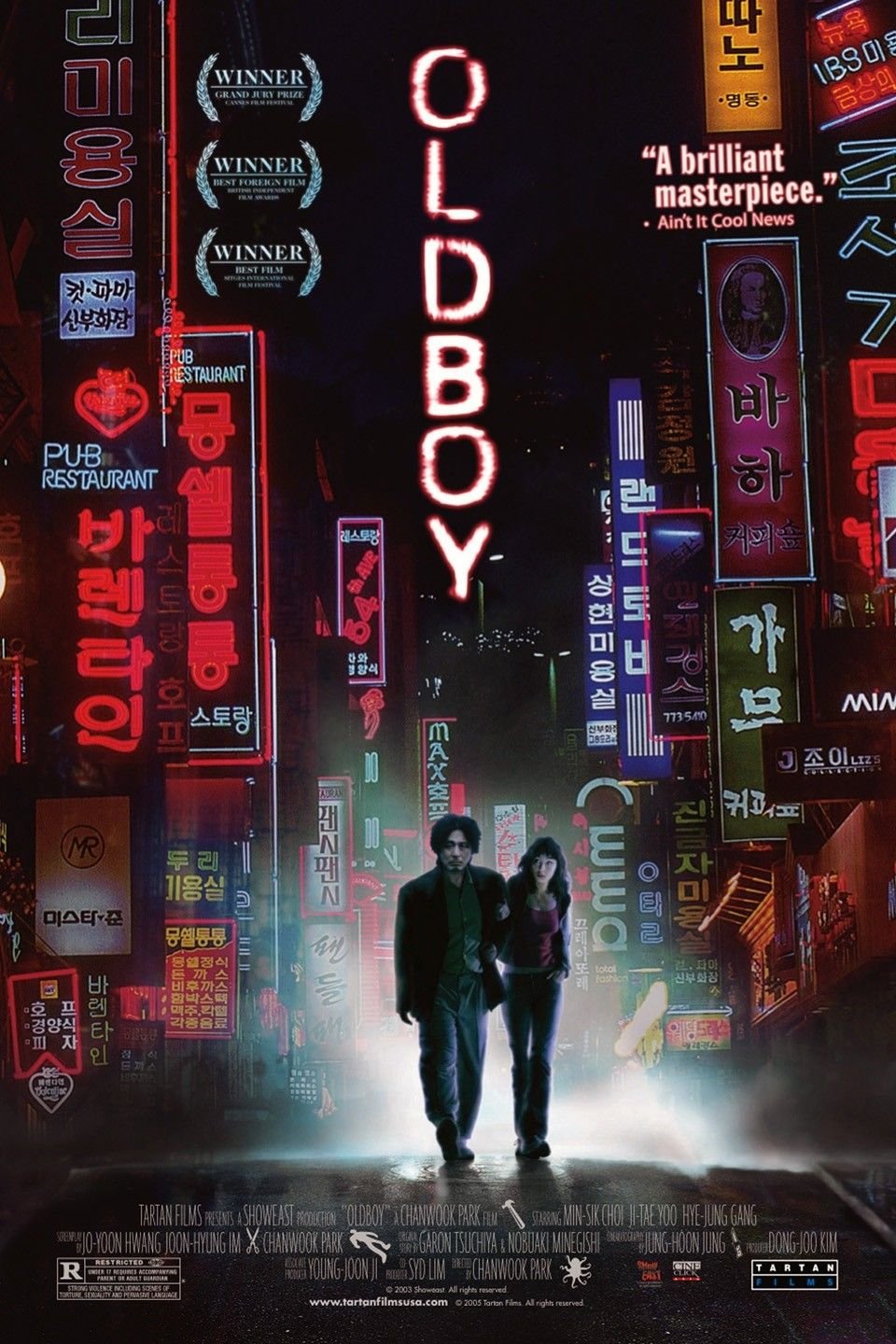
Information
TL;DR
Quick verdict — Should you watch Oldeuboi?
Absolutely, watch “Oldeuboi” if you’re a fan of twisted narratives and psychological thrills. It’ll immerse you in a world where every moment counts, and the stakes feel palpably high.
Two-line reason you’ll either love it or hate it
You’ll likely find yourself torn between admiration for its bold storytelling and discomfort with its raw, dark themes. It’s a film that dares you to watch until the end, even when you wish you could look away.
What kind of vibe does this film give?
Tone, mood, and how dark it gets
“Oldeuboi” is steeped in a brooding atmosphere, where every frame holds a sense of impending dread. The visual tone is gritty, underscored by somber colors and sharp contrasts that accentuate its emotional weight. This film refuses to shy away from its darkness, exploring themes of vengeance and the human psyche in ways that are both unsettling and thought-provoking.
Expectation: tense thriller, psychological mess, or stylized revenge
The film straddles the line between a tense thriller and a psychological exploration, all wrapped in a stylized narrative structure that nods to its predecessors. It’s a blend of relentless suspense and an intricate web of emotional turmoil; you won’t just be watching a character’s journey—you’ll feel it clawing at your own mental spaces.
What is Oldeuboi about?
The basic setup and central hook (no spoilers)
At its core, “Oldeuboi” revolves around a man’s quest for revenge after years of unjust imprisonment. The hook lies in not just the action of revenge itself but in the psychological unraveling of a character who must confront his demons while trapped in a world that feels both surreal and horrifyingly real. As secrets surface and allies become enemies, the fabric of trust frays, leading to a climax that’s anything but predictable.
What’s at stake for the main character
For the protagonist, the stakes encompass not just his life but his very identity. With every layer peeled back, he risks losing pieces of himself that he might never reclaim. The quest for vengeance becomes a struggle for redemption and understanding in a world that’s turned against him. As he grapples with the morality of his choices, each decision carries the weight of his past and the uncertainty of his future.
Does the story actually work and is the pacing right?
Analyzing the story’s construction and pacing of Oldeuboi reveals a meticulous crafting of twists and turns. The screenplay, both sharp and layered, has the kind of intricate plotting that keeps viewers on their toes rather than merely indulging in predictability.
Strengths in plotting and twist delivery
The overarching narrative boasts a compelling structure defined by its skillful pacing of revelations. While the original Oldboy from 2003 elevated the shock twist to cinematic history, this new interpretation seemingly acknowledges its predecessor’s iconic moments while also daring to reframe them. Expect surprising shifts that challenge the audience’s assumptions without simply mirroring the original.
This film captivates not through relentless twists alone but through emotional stakes that develop alongside the plot’s tension. The strength lies in the gradual buildup of conflicts, with implications stretching beyond simple revenge. As characters confront their motives, the screenplay artfully weaves their journeys into the larger narrative tapestry.
Where it drags or races and why that matters
Despite its impressive pacing, moments can feel drawn out. In a film that balances a tightrope of suspense and reflection, there are scenes where the emotional weight could have been conveyed more succinctly. Certain segments may feel repetitive for viewers less invested in characters’ backstories. However, these slower moments serve to deepen understanding and empathy.
The sequences that race draw you in, heightening tension and excitement just as the original did. But when it sprints past critical plot points, it risks losing some depth. This ebb and flow between frantic pacing and reflective pauses shapes the cinematic experience, ensuring that audiences never remain comfortable for too long.
Are the performances convincing?
A pivotal element of Oldeuboi is its performances. The on-screen talents breathe life into the morally complex characters, which is essential in a film where motivations often blur.
Lead performance — what carries the film
The lead performance stands out as a cornerstone. The actor, who treads the fine line between vulnerability and ferocity, manages to convey profound psychological trauma whilst displaying a relentless hunger for truth—and revenge. This duality offers not just a vehicle for narrative drive, but also engages the audience’s emotional investment deeply. There’s a palpable sense of loss and a quest for self that the performer encapsulates beautifully, making the character’s journey both haunting and relatable.
Supporting cast, chemistry, and memorable turns
Beyond the lead, the supporting cast amplifies the film’s emotional stakes. Each character serves as both ally and adversary, enriching the central narrative. Their chemistry lends authenticity, with compelling interactions that resonate. Notably, a standout performance comes from the antagonist, whose nuanced portrayal adds layers to the conflict. This layered representation avoids clichés and invites audiences to ponder the complexities of morality. Dynamic and memorable turns from the supporting characters ensure that Oldeuboi feels like a rich world where every person has something significant to contribute.
How does Oldeuboi look and sound?
Visual and auditory elements create an immersive experience in Oldeuboi. The film’s aesthetics are carefully crafted, reflecting the psychological intensity of the narrative.
Cinematography, production design, and iconic shots
Cinematography plays a pivotal role, capturing not just the physical space but also the emotional landscapes of the characters. Striking imagery conveys isolation and desperation, with shots that linger on faces, heavy with inner turmoil. The production design expertly establishes mood and tension, with a backdrop that oscillates between bleakness and beauty. Certain scenes may even evoke a sense of claustrophobia, harnessing environments that echo the characters’ internal struggles. Iconic moments captured on film serve as visual metaphors, enhancing the viewer’s understanding without overt exposition.
Music and sound choices that shape the mood
The score deserves special mention for its ability to infuse the narrative with an extra layer of emotion. Resonant and haunting, the music deftly underscores critical turns in the plot. Choices regarding ambient sounds amplify tension, pulling the audience deeper into that unsettling world. Silence, too, is used artfully; pregnant pauses become moments to catch breath, reflecting the characters’ burdens. The combined effect of sound and visual storytelling in Oldeuboi weaves an atmospheric experience that doesn’t just tell a story but envelops you entirely.
By the time audiences leave the theater, they’ll likely feel as if they’ve journeyed alongside the characters, both in terms of sight and sound.
Strong final verdict
Oldeuboi carries both the weight of expectations and the thrill of fresh ideas. If it successfully balances pacing, performances, and its audiovisual palette, it could redefine contemporary interpretations of a classic narrative. However, if its slower moments detract from the film’s urgency, it may struggle to hold the attention of those unfamiliar with the original.
In this layered exploration of identity, revenge, and the murky waters of morality, Oldeuboi has the potential to stake its claim as a worthy entry into the legacy of one of cinema’s most compelling stories. It may very well become a touchstone for future discussions on adaptations, delving into what makes a narrative resonate across generations. The anticipation is palpable, and as we await its release, one can only wonder how it will measure up against its predecessor’s groundbreaking legacy.
What works — the good stuff you’ll remember
Specific elements that earn trust (acting, set pieces, tone)
“Oldeuboi” marks a return to a deeply intriguing world, directed with a nuanced touch that speaks to the film’s layered storytelling. The cast delivers performances that resonate, lending authenticity to their characters’ complex emotions. The lead actor, whose presence commands each scene, impressively portrays the labyrinth of pain and mystery that defines his character’s journey. The supporting actors, particularly the cast playing pivotal antagonists, blend charm and menace seamlessly, offering a potent contrast that uplifts the film’s tension.
Visually, the cinematography strikes a delicate balance between raw and stylized. Set pieces echo the protagonist’s escalating turmoil, with locations ranging from stark and clinical urban settings to haunting, claustrophobic environments that feel alive. These meticulously crafted visuals are heightened by a rich color palette that contrasts moments of vitality with darker tones, representing the psychological battles faced by the characters.
The film maintains a tone that is both gritty and lyrical – a blend that keeps audiences on edge while allowing them moments to breathe. This rhythm of tension and release is mirrored in the careful orchestration of sound design, which amplifies key moments and immerses viewers in the film’s world.
Emotional or thematic beats that land
At its core, “Oldeuboi” grapples with themes of revenge, identity, and the haunting weight of the past. The emotional weight of these themes is palpable; each twist and turn resonates not just as plot points but as profound moral questions that compel introspection. Moments of vulnerability unfold with raw authenticity—a father’s regret, a friend’s betrayal—drawing audiences into an emotional resonance that lingers long after the credits roll.
The subtleties of the screenplay amplify these themes, allowing for multiple interpretations. Viewer interpretations will likely differ as the film juxtaposes suffering against the potential for redemption, giving rise to a philosophical exploration of whether our past truly defines us. The film challenges us to ponder the lengths one would go to reclaim their lost humanity, making it as thought-provoking as it is gripping.
Standout moments (no spoilers)
Physical sequences and visual set pieces to watch for
“Oldeuboi” doesn’t just rely on its plot; it also excels in the realm of visual storytelling. The trailer delivers snippets of thrilling sequences—each action set piece appears to be as choreographed as it is visceral. Remarkable moments like an intense confrontation in a narrow alley reflect the film’s raw physicality, making it clear that both mental and bodily confrontations are at play.
One particular sequence, hinted at in the trailer, features a maze-like confrontation that builds tension masterfully. The claustrophobic space serves as both a battleground and a metaphor for the protagonist’s spiral. These expertly crafted visuals, coupled with a meticulous soundscape, promise to elevate the drama and pull the audience closer to the edge of their seats.
Scenes that change the film’s momentum
The trailer hints at several pivotal moments where the film’s energy shifts dramatically. One standout moment appears to involve a revelatory confrontation that reshapes the entire narrative trajectory. Such scenes are likely to embody the essence of what makes “Oldeuboi” captivating—juxtaposing seemingly mundane interactions against life-altering realizations.
These moments are not just about shock value; they serve to deepen character arcs and enhance the overarching narrative, propelling the story forward while simultaneously reshuffling audience expectations. What initially seems like one narrative thread often pivots sharply to reveal hidden motivations or betrayals, ensuring that even seasoned viewers will remain engaged and guessing throughout.
Is Oldeuboi worth watching or rewatching?
Who will get the most out of it on first watch
“Oldeuboi” offers a rich tapestry for viewers who relish complex narratives steeped in moral ambiguity. Those who appreciate films that fuse intense personal journeys with larger existential questions will find this release especially rewarding. Fans of psychological thrillers and character-driven narratives will likely leave the theater discussing the film long after it ends. With its exploration of revenge and redemption, it is also likely to resonate with viewers who have followed previous entries in the genre.
However, casual viewers seeking light entertainment may find themselves grappling with the film’s darker themes and intricate narrative structure. It’s a film that demands engagement and introspection, rewarding those who can appreciate its depth with an emotionally resonant experience.
Rewatch value and who should skip or brace themselves
For those intrigued by complex storytelling, “Oldeuboi” is undoubtedly a film that merits rewatching. The intricacies of character development and the layered plot promise to unveil new layers with each viewing. Hidden details and subtle hints enrich the experience, inviting audiences to uncover fresh interpretations of the narrative’s complexities.
However, those who prefer straightforward narratives or are sensitive to themes of violence or psychological trauma may want to brace themselves. The film treads into dark territories that require an investment of emotional energy. For some, this might make a second viewing a challenging endeavor rather than a compelling one. Ultimately, “Oldeuboi” stands as a testament to cinema’s ability to evoke thought, challenging viewers while inviting them to reflect on their own beliefs regarding justice and morality.
With its blend of captivating performances, provocative themes, and a visual language that speaks volumes, “Oldeuboi” promises an engaging cinematic experience. If you’re ready to dive deep into the heart of the human condition, this film is not to be missed.
FAQs
What does the ending mean? (Oldeuboi ending explained)
“Oldeuboi” promises to mirror the shock and complexity of its predecessor while weaving an entirely new narrative tapestry. The original film is renowned for its dark and unsettling conclusion, leaving viewers grappling with moral ambiguity and emotional turmoil. In dissecting the ending of this new iteration, it’s essential to remain attuned to the film’s core themes of revenge, identity, and existential dread.
At its heart, “Oldeuboi” challenges the audience to examine the consequences of vengeance. The film’s climax blurs the line between victim and perpetrator, inviting viewers to ponder the cyclical nature of violence. The ending may present new layers to the protagonist’s journey of discovery, including the confrontation with his captor and the revelations that follow. What does it truly mean to seek revenge? Is liberation ever possible, or does it come at a price too steep to pay? The film’s conclusion complicates these questions, likely pushing audiences to reflect on their own moral compass long after the credits roll.
Fan theories abound regarding potential plot twists that could redefine the emotional stakes. One prevailing theory centers around the notion that the protagonist’s identity might not be what it seems, hinting at a deeper connection to his adversary than initially imagined. Another intriguing speculation involves the nature of his captivity—could the entire ordeal be an elaborate experiment rather than mere revenge? Such directions would not only enhance the narrative but would also challenge viewers to rethink their interpretations of the characters’ motivations.
Which version is this — the 2003 original, a remake, or something else?
The 2023 release of “Oldeuboi” is positioned not just as a direct remake of Park Chan-wook’s 2003 original but as a contemporary reimagining that seeks to resonate within today’s cultural landscape. While the source material serves as a backbone, the filmmakers delve into the nuances of modern society, exploring themes such as isolation in an increasingly connected world and the psychological toll of trauma.
This version retains the iconic twists and psychological depth of the original but brings fresh perspectives through character development and visual storytelling. For instance, while the beloved character of Oh Dae-su from the original is still present, the portrayal might diverge significantly from the previous depiction, offering viewers a chance to explore new dimensions within a familiar framework.
The artistic cinematography in the trailer hints at a darker visual palette, packing the frame with tight shots that evoke a sense of claustrophobia and entrapment. Symbolic elements, like the recurring motifs of cages and barriers, echo themes from the first film while resonating with current discussions about mental health and societal pressures. This blend of homage and innovation suggests that “Oldeuboi” is not merely a remake but a dialogue between two eras—an exploration of time’s impact on trauma and how stories of pain can evolve yet remain relevant.
With the buzz surrounding its release, expectations are high among fans of the original and newcomers alike. The challenge lies in balancing nostalgia with originality, crafting a narrative that respects its predecessor while blazing new trails. How successfully “Oldeuboi” navigates this tightrope will likely determine its reception, but one thing is certain: it’s set to reignite discussions about storytelling in cinema, particularly the ways we confront darkness.