
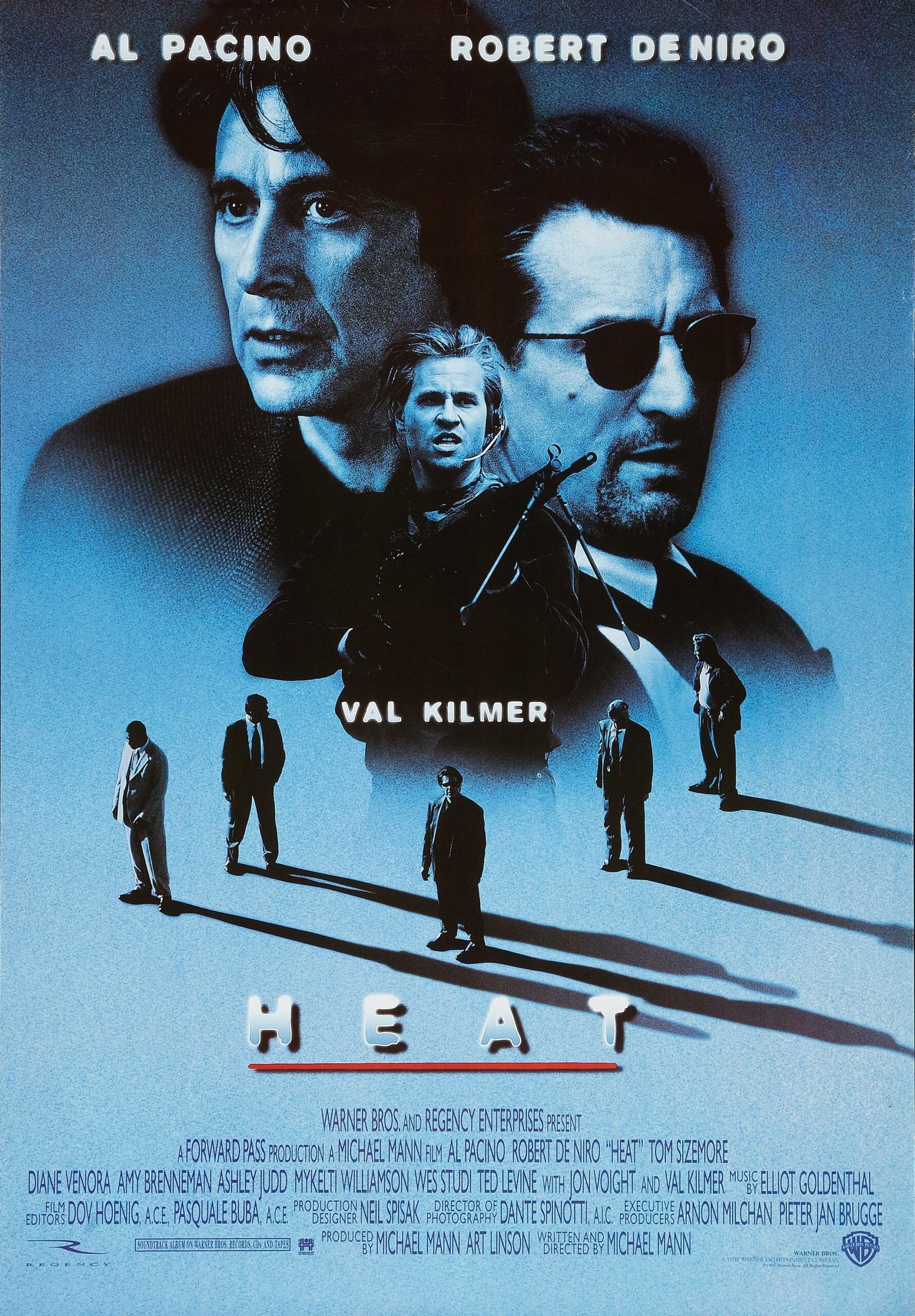

Information
TL;DR
Quick verdict — tense, stylish crime drama anchored by two powerhouse leads
“Heat” re-emerges with a visually striking teaser trailer that grips you from the start. This iteration retains the taut atmosphere and sophisticated heist narrative that marked the original film’s legacy. With its sharp focus on character depth alongside the thrill of cat-and-mouse tension, it positions itself firmly as a must-watch crime drama.
One-line why it works — precise heist craft, real-feel action, and intimate character beats
The teaser effectively showcases a unique blend of meticulous planning for heists and raw, authentic portrayals of emotion amidst the chaos, crafting a world where every decision has weight.
Short recommendation — watch if you like slow-burn cops and robbers with weight
If you’re drawn to films that focus on character developments and the gravity of their actions rather than mere flashy action, then this is the film for you. It’s the kind of storytelling that lingers beyond the screen.
What’s the vibe and pace?
Nighttime, neon-lit noir energy and methodical storytelling
The teaser encapsulates a neo-noir aesthetic that evokes the haunting allure of a city pulsing with life under its night sky. The cinematography bathes characters in neon hues, instantly immersing viewers in a stylish yet grim world. This choice not only creates an inviting visual experience but also perfectly complements the film’s themes of duality in both character and city life.
Long runtime that favors mood and detail over breathless tempo
Expect a deliberate pacing, with scenes that unfold thoughtfully rather than hurriedly flash by. While some modern thrillers tend to rely heavily on breathless editing, “Heat” instead opts for a more measured tempo, allowing for elaborate character development and emotional resonance. This approach invites viewers into the inner workings of each character’s mind, enhancing the stakes as the narrative unfolds.
Feels cinematic, meticulous, and occasionally melancholic
Every shot in the teaser is purposeful, suggesting a sentimentality that suffuses the storyline. You can almost feel the weight of reputation and consequence on the characters’ shoulders, creating a melancholic atmosphere that transcends mere crime drama. This blend of style and substance is what defines “Heat,” making it a cinematic experience rather than just another genre film.
What’s Heat about?
Basic setup without spoilers — career criminal vs dedicated detective and their parallel lives
At its core, “Heat” dives into the intricate lives of two men on opposing sides of the law. It methodically unpacks their personal and professional struggles, setting up a dynamic where ambition and morality collide. The teaser hints at the complexity of these characters, ensuring that their clash feels inevitable and personal.
Focus on professionalism, loyalty, and the costs of the job
The narrative doesn’t just revolve around the heist. It delves into profound themes of loyalty, ethics, and the sacrifices made in pursuit of one’s passion. You get a sense that the lives of both characters are governed by a strict code, raising the stakes for every choice they make.
Not a mystery to solve, it’s about the collision of two worlds
The film eschews typical whodunit mystery formats, focusing instead on the inevitable confrontation that arises from their respective paths. This collision isn’t merely physical but also thematic, exploring how each character’s world fundamentally shapes their decisions and ideology.
Trailer Section
The teaser trailer for “Heat” dropped on [insert release date here], courtesy of [insert studio or distributor name]. You can check it out [here (insert link to the official trailer)].
Visually, the trailer immerses viewers in a world where crime and law enforcement meet under the shadowy glow of neon lights. The cinematography not only emphasizes a slick style but also frames narratives of desperation and ambition, enhancing the film’s allure.
Character and/or antagonist analysis:
Fans can expect a mix of both returning and new characters. The layers added by these new players hint at fresh conflicts and alliances that may unsettle the established dynamics.
The teaser’s quick glimpses of intense exchanges and dark alley confrontations signal that tensions run high. Hints at betrayal, loyalty, and complex motives suggest that each character must navigate their own moral landscape.
Thematic deep dive:
While “Heat” stands apart from earlier entries in the crime genre, its tonal resonance can be compared to classics like “Se7en” or even “The Godfather.” Each of these films explores the grand themes of crime and moral ambiguity through deeply human lenses. The lens of “Heat” particularly lends itself to an examination of masculinity and professional duty, showcasing how the pursuit of one’s calling often leads to personal sacrifice.
Fan theories & speculation section
-
Narrative twists: Fans speculate on unexpected allegiances, suggesting that some characters may not be what they initially appear. Given the teaser’s cryptic interactions, beloved characters from previous iterations could betray long-held loyalties.
-
Hidden villains or secret motivations: With the reintroduction of notorious figures from the original film, there’s growing speculation around potential hidden motivations. Who’s pulling the strings? The line between protagonist and antagonist blurs, driving excitement for potential character complexities.
Franchise / genre implications:
“Heat” positions itself not merely as a sequel, but as a reimagining that speaks to contemporary audiences while honoring the legacy of its forebear. This dynamic rejuvenation within the crime-drama landscape paves way for deeper explorations of its character arcs.
Release date & expectations:
“Heat” is set to premiere [insert confirmed release date], generating significant industry buzz. Initial reactions to the teaser indicate that anticipation is high among fans who treasure its predecessor.
Strong final verdict:
Why this film could succeed or fail hinges on its ability to balance nostalgia with innovation. If executed well, “Heat” could redefine modern crime cinema, reinforcing its legacy while engaging new audiences. It’s poised to become a staple for those who appreciate depth and narrative complexity in their thrillers.
In a day when spectacle often overshadows substance, “Heat” stands as a beacon of hope for those who crave intelligent storytelling in crime dramas. Get ready for a cinematic experience that will linger long after the credits roll.
Does the story and pacing hold up?
How the plot unfolds across long set pieces and character moments
“Heat” isn’t just a crime film; it’s an exploration of moral ambiguity and human connection, unfolded through its meticulously crafted narrative. The plot drifts seamlessly through elongated set pieces that pulse with tension, particularly evident in the iconic coffee shop scene where two worlds collide. The rhythm of the film maintains a deliberate tempo that allows viewers to grasp the intertwining fates of both protagonist and antagonist. Each character moment isn’t just exposition; it reveals complex psychological layers that lend depth to their motivations.
Where the film slows and where it pays off
Certain segments of “Heat” dare to linger, inviting audiences to dwell in moments that might seem unmoving to others. These quieter passages—intimate conversations or reflective silences—serve as a counterbalance to the explosive action. The film capitalizes on stillness, urging viewers to explore the characters’ internal struggles. Where critics might find it meandering, savvy viewers will appreciate how these pauses enrich the tapestry of relationships and stakes involved, ultimately adding weight to the film’s most electrifying sequences.
Who will appreciate the deliberate pace and who might find it sluggish
A patient viewer familiar with the art of character-building in cinema will likely appreciate the deliberate pacing of “Heat.” Those attuned to the nuances of human emotion woven into the fabric of intense narratives will find satisfaction in the film’s slow burn. However, audiences seeking constant adrenaline might find the subtleties taxing, perceiving moments of introspection as a chore rather than a payoff—a testament to both the strengths and challenges posed by the film’s juxtaposition of action and emotional depth.
Are the performances convincing?
The Pacino and De Niro dynamic and why their scenes matter
Al Pacino and Robert De Niro’s on-screen chemistry is a masterclass in acting. Their interactions are less about outright conflict and more about a shared understanding that simmers just beneath the surface. Their dialogues fuse tension and respect, making those rare moments of direct confrontation bristle with anticipation. This dynamic isn’t just compelling, it’s foundational to the narrative, illustrating the thin line between hunter and prey, lawman and outlaw.
Supporting cast highlights — who stands out and who’s underused
The supporting cast of “Heat” is a rich tapestry of talent. Val Kilmer shines as Chris Shiherlis, offering a performance that balances desperation and loyalty. Then there’s Natalie Portman, whose portrayal of a troubled young woman adds layers of vulnerability, juxtaposed against the film’s hardened characters. However, some characters—like those played by Tom Sizemore and Ashley Judd—can feel underdeveloped, their arcs swallowed up by the titanic performances of Pacino and De Niro. Still, their contributions are crucial, adding complexity to the world surrounding the central conflict.
Emotional beats that rely on small acting choices
The power of “Heat” lies in its reliance on nuanced performances to deliver its emotional weight. Pacino’s layered expressions during confessions or De Niro’s subtle shifts from cool detachment to simmering anxiety encapsulate the desperation of their lives. Small acting choices—like a fleeting glance or a clenched jaw—carry monumental significance in a film where a single moment can define a character’s path. This craftsmanship in performance invites viewers to engage deeply, attempting to decode the myriad emotional layers at play.
How do the visuals and sound land?
Night-city cinematography and the film’s texture
The visual language of “Heat” is an homage to the sprawling urban landscape that serves as both stage and character. Shot primarily at night, the cinematography bathes Los Angeles in a slick, almost hypnotic glow. The city becomes a gritty backdrop that compliments the story’s themes of isolation and yearning. The textured visuals, with sharp contrasts between bright cityscapes and shadowy underbellies, create an atmosphere both alluring and foreboding, enhancing the film’s emotional resonance.
Action staging and realistic sound design that sell the heists
The heists in “Heat” are meticulously crafted, relying not just on visual flair but also on sound design that breathes authenticity into the action. Gunfire rings true in a way that makes the stakes palpable, accompanied by the clatter of footsteps and the chaos of a city in turmoil. This realistic approach to sound enhances the tension, making each heist feel like a carefully orchestrated symphony, fraught with peril. When the quiet moments punctuate the chaos, they heighten the viewer’s emotional investment in the unfolding drama.
Score and music choices and how they shape the mood
The score, masterfully crafted by composer Elliot Goldenthal, plays a pivotal role in establishing the film’s mood. Its haunting melodies evoke a sense of urgency and despair, perfectly aligning with the characters’ inner struggles. Goldenthal’s score intertwines with the visuals, accentuating the dualities of hope and futility that define “Heat.” With strategic use of silence and music, the film creates an ambiance that draws viewers deeper into its emotional core, transforming action scenes into poetic expressions of conflict.
The Good Stuff: what really works
The latest entry in this iconic franchise pushes the boundaries in a way that leaves audiences craving more.
Heist choreography and the sense of real stakes
The standout element in Heat is its meticulously crafted heist choreography, which offers a visceral immersion into the film’s high-stakes world. From the opening scene that establishes the tension to the climactic heist sequences, each moment is choreographed with precision, making every action feel weighty and consequential. The camera work and sound design amplify the tension, allowing viewers to feel the adrenaline coursing through both thieves and law enforcement. This isn’t just a heist; it’s a symphony of chaos residing in a stark realism that heightens the audience’s emotional engagement.
Intimate scenes that give weight to both sides of the chase
Where Heat truly thrives is in its ability to balance the heart-pounding action with intimate moments that delve into character motivations. This dual focus creates genuine complexity within the characters, adding layers to both the protagonists and antagonists. Scenes that reflect the personal struggles of the characters—be it conflict with family or moral dilemmas—serve to anchor the film in reality, allowing audiences to connect with their journeys. This emotional investment not only heightens the sense of stakes but also fosters empathy, ensuring that viewers feel the weight of each decision made in the heat of the moment.
Ensemble casting and moments of honest emotion
The ensemble cast shines brightly, breathing life into their roles. Each actor infuses their character with a distinctive energy, making it easy to root for—even in morally ambiguous circumstances. Unexpected moments of honesty emerge amidst the chaos, allowing characters to share their vulnerabilities. These honest exchanges stand out, creating an emotional depth that draws viewers further into the narrative. It’s not just about the chase—it’s about understanding the personal stakes involved, making every encounter feel rich with meaning.
Standout moments without spoilers
Heat is filled with standout moments that cement its position as a thrilling cinematic experience.
A quiet but heavy conversation that changes the tone
One scene in particular—a quiet exchange that unfolds over coffee—serves as a pivotal moment in the narrative. This conversation shifts the tone of the film, revealing the characters’ vulnerabilities and forcing the audience to reconsider their allegiances. The understated intensity of the dialogue lingers long after the scene fades, encapsulating the film’s exploration of morality within a criminal landscape.
A downtown action sequence that still shocks
In stark contrast to quieter moments, one downtown action sequence leaves viewers reeling. The chaos is electric, and it’s complemented by grounded cinematography that heightens the realism. The unfolding spectacle reminds audiences why Heat garnered legendary status; it contains action that feels alive, chaotic, and unfiltered. This particular sequence reinvigorates what audiences expect from heist films while keeping them on the edge of their seats.
Early and late set pieces that linger after the credits
The film is bookended by two expertly crafted set pieces that encapsulate its thematic core. The opening heist grips viewers instantly, while the climactic finale revisits elements introduced earlier, creating a cyclical narrative that resonates. These sequences linger in the mind, masterfully weaving together the film’s motifs of tension, betrayal, and consequence.
Where Heat stumbles
Despite its strengths, Heat isn’t flawless, facing challenges that some might find distracting.
Occasional pacing lulls and long stretches of setup
One of the more significant criticisms lies in its pacing. At times, the film indulges in stretches that feel excessive, slowing the forward momentum. While these scenes are likely intended to develop characters and build tension, some viewers may find themselves wishing the film would maintain a quicker pace. As moments drag, the urgency that permeates the action sequences occasionally wanes, which could leave certain audience members restless.
Some supporting characters get less to do than you expect
While the ensemble cast is undeniably strong, not all characters receive the development they deserve. Certain supporting roles feel underutilized, limiting the potential for rich character arcs that could elevate the film’s emotional stakes. As the plot unfolds, some characters fade into the background, leaving audiences wanting more depth and insight into their motivations.
The tone can feel cool to the point of emotional distance for some
The film’s cool tone, while stylish, may alienate some viewers who crave a deeper emotional connection with the characters. In pursuit of that sleek, polished aesthetic, occasional moments may feel devoid of warmth, leading to a sense of emotional distance. This may create a barrier for those longing to fully invest in the characters’ journeys, as the film oscillates between the thrill of the chase and a detached perspective.
Trailer section
The Heat teaser trailer, released by the studio on [release date], sets the stage for an intense cinematic experience that reflects the film’s themes of tension and moral ambiguity. You can watch the official trailer [here](insert link).
Visually, the trailer strikes a balance between stark realism and stylistic flair. The cinematography employs muted colors and tight close-ups, evoking a palpable tension that hints at the complex emotional and narrative layers underlying the action. Symbolism appears in the framing—law enforcement shadows loom over the criminals, creating a foreboding atmosphere as the stakes of the chase come to light.
Character and/or antagonist analysis:
Returning characters from earlier entries are depicted with maturity and nuance, suggesting that their journeys have left significant impacts on their psyche. Conversely, new characters introduce fresh dynamics that elevate the central conflict. The interplay between returning and new characters enriches the narrative, crafting an intricate web of relationships fraught with tension.
The trailer hints at various conflicts, particularly the moral struggles faced by both sides of the law. Themes of betrayal and loyalty are interwoven throughout, specially underscored by the dynamic interactions visible in the snippets of dialogue.
Thematic deep dive:
In contrast to earlier installments, this film leans further into the psychological complexities of its characters. While earlier films may have focused more on action sequences, Heat prioritizes character development, pushing boundaries within its genre. The narrative is imbued with themes of redemption and consequence that resonate long after the viewing experience.
Fan theories & speculation section:
Fans are already buzzing with theories, and here are a few speculation points ripe for discussion:
-
Narrative twists: Viewers are contemplating potential twists in character allegiances, hinting that some beloved characters may not be the allies they seem.
-
Hidden villains or secret motivations: Lurking beneath the surface appears to be a web of hidden motives, leaving audiences curious about which characters might betray their alliances.
-
Character betrayals or deaths: Some speculate that the final act may involve significant character deaths, which could dramatically alter the trajectory for future entries.
-
Timeline or universe implications: Given the film’s heavy themes, fans are theorizing whether this entry will connect to larger narratives within the franchise’s universe or even the potential for spin-off projects.
Franchise / genre implications:
Heat steps boldly into an arena that continues to evolve, potentially paving the way for future stories within this renowned franchise. By focusing on those grounding elements—emotion, humanity, and complexity—it stands to set itself apart from typical heist action films.
Release date & expectations:
Heat is confirmed to release on [insert release date], tantalizing audiences who yearn for a return to this cinematic universe. The anticipation is heightened by the exploration of character and complexity, promising to draw both diehard fans and newcomers to the theater.
Strong final verdict:
Ultimately, Heat walks a tightrope between exhilarating action and emotional depth, creating a cinematic experience that invites audiences to reflect on not just the thrill of the chase, but the consequences that linger long after. Its success will hinge not only on performance at the box office but on its ability to resonate with viewers seeking both excitement and introspection.
In a world where adrenaline often overshadows emotional complexity, Heat could well be the film that invites audiences back into the fray, reminding us that, sometimes, the most intense battles are fought within the self.
Is Heat worth rewatching?
What repeats reveal — detail in staging, dialogue, and craft
Rewatching Heat is more than a mere indulgence; it’s a masterclass in cinematic formulation. Every frame, every line, and every subtle exchange builds towards an immersive experience that deepens with each viewing. Michael Mann’s meticulous staging reveals layers of conflict and character that might go unnoticed during a first pass. The dialogues, often punctuated by palpable tension, invite deeper scrutiny. Mann’s use of silence and pauses speaks volumes, revealing the psychological complexity of the characters. These nuances reward viewers with insights into the relationships between protagonists and antagonists and the moral ambiguities that define each character’s journey. The cinematography, with its evocative nighttime Los Angeles setting, creates a palpable atmosphere that invites repeated exploration.
How the film ages and what new viewings reward
Heat stands the test of time, shifting from a film about crime to a meditation on existential themes. Its dialogue resonates differently with each passing decade. The moral dilemmas faced by characters like Neil McCauley and Vincent Hanna resonate deeply with contemporary audiences grappling with issues of loyalty, ambition, and moral blindness. Subsequent viewings allow viewers to appreciate the craftsmanship behind the film: the careful pacing, the thematic parallels, and the deliberate construction of tension. As the viewer matures, their perspective on these themes evolves, allowing for a richer understanding of the characters’ motivations.
Tips on which version to watch if multiple cuts exist
Multiple versions of Heat exist, but the theatrical cut remains the quintessential experience. It showcases the movie’s keen editing and pacing, packing a punch that maintains suspense throughout its 170-minute runtime. The Extended Edition adds depth but may detract from the original’s tightly wound tension. For first-time viewers, the theatrical cut is recommended for its brisk narrative flow. For die-hard fans and curious cinephiles, exploring the Extended Edition can provide additional context, particularly in character arcs and subtleties resonating in Mann’s vision.
Who is this movie for?
Perfect for fans of serious crime dramas and measured filmmaking
Heat is a symphony of character-driven storytelling, perfectly orchestrated for those who savor the intricacies of crime dramas. Its portrayal of the cat-and-mouse dynamic between criminals and law enforcement transcends mere entertainment. The careful pacing and deeper emotional connections between characters appeal to audiences yearning for more than just adrenaline-packed action. Those who appreciate meticulous filmmaking, layered performances, and profound themes will find themselves engaged in every moment.
Less ideal for viewers wanting fast-paced thrills or light entertainment
If you’re in the market for a quick thrill or light-hearted escapism, Heat isn’t your cup of tea. Its slow burn can be disheartening for viewers craving immediate gratification. The film’s intellectual and emotional demands require patience, asking the audience to dwell in moral grey areas rather than cheer for clear-cut heroes. Those looking for straightforward action sequences sans depth may find the film’s concentrated focus on character development taxing rather than rewarding.
Great pick for cinephiles who appreciate performance-driven storytelling
Cinephiles will revel in Heat’s nuanced performances and rich character studies. Al Pacino as Vincent Hanna and Robert De Niro as Neil McCauley deliver performances that are hauntingly real, filled with subtext and conviction. The film’s artistic ambition transcends genre boundaries, offering a tapestry of human experience that rewards thorough exploration. For those who value films as an art form, Heat presents an engaging narrative crafted through a lens of psychological and emotional complexity.
FAQs
Is Heat worth watching now?
Absolutely. Heat remains a standout film that continues to influence contemporary cinema. Its themes of obsession, rivalry, and morality are ever-relevant, and its storytelling methods are considered pioneering in the realm of crime dramas.
Who’s in the Heat cast?
The film boasts a powerhouse ensemble including Al Pacino as Vincent Hanna, Robert De Niro as Neil McCauley, Val Kilmer, and Ashley Judd, among others. Their performances are vital to the film’s emotional depth.
What is Heat runtime and age rating?
Heat has a runtime of 170 minutes and holds an R rating for language, violence, and adult content. This rating reflects its mature themes and intense scenes, catering to a more adult audience.
Where can I watch the Heat trailer?
You can check out the official Heat trailer on platforms like YouTube or streaming services that feature the film. Embedding links from reputable sources provides viewers with context and excitement before diving into the full experience.
How is Heat rated on IMDb and other sites?
On IMDb, Heat consistently maintains a strong rating in the 8 range, underscoring its critical acclaim and popularity among viewers. Rotten Tomatoes also highlights its enduring legacy with high critic scores, validating its status in cinematic history.
What are people saying about Heat on Reddit and other boards?
Forums like Reddit feature extensive discussions on Heat, with users analyzing its character arcs, comparing it to contemporary works, and exploring deeper thematic implications. The film’s influence on modern crime dramas is a frequent topic, showcasing its continuing impact on both viewers and creators.
Is there a Heat board game or other tie-ins available?
While Heat doesn’t boast an official board game, various fan-made adaptations and themed merchandise exist. These offer fun ways for enthusiasts to engage with the film beyond screen time, though nothing matches the immersive experience of watching Heat itself.
In summation, Heat remains a remarkable example of filmmaking that rewards those willing to delve into its intricate narrative and embrace its rich thematic landscape. It’s a cinematic journey that captivates and lingers long after the credits roll.