
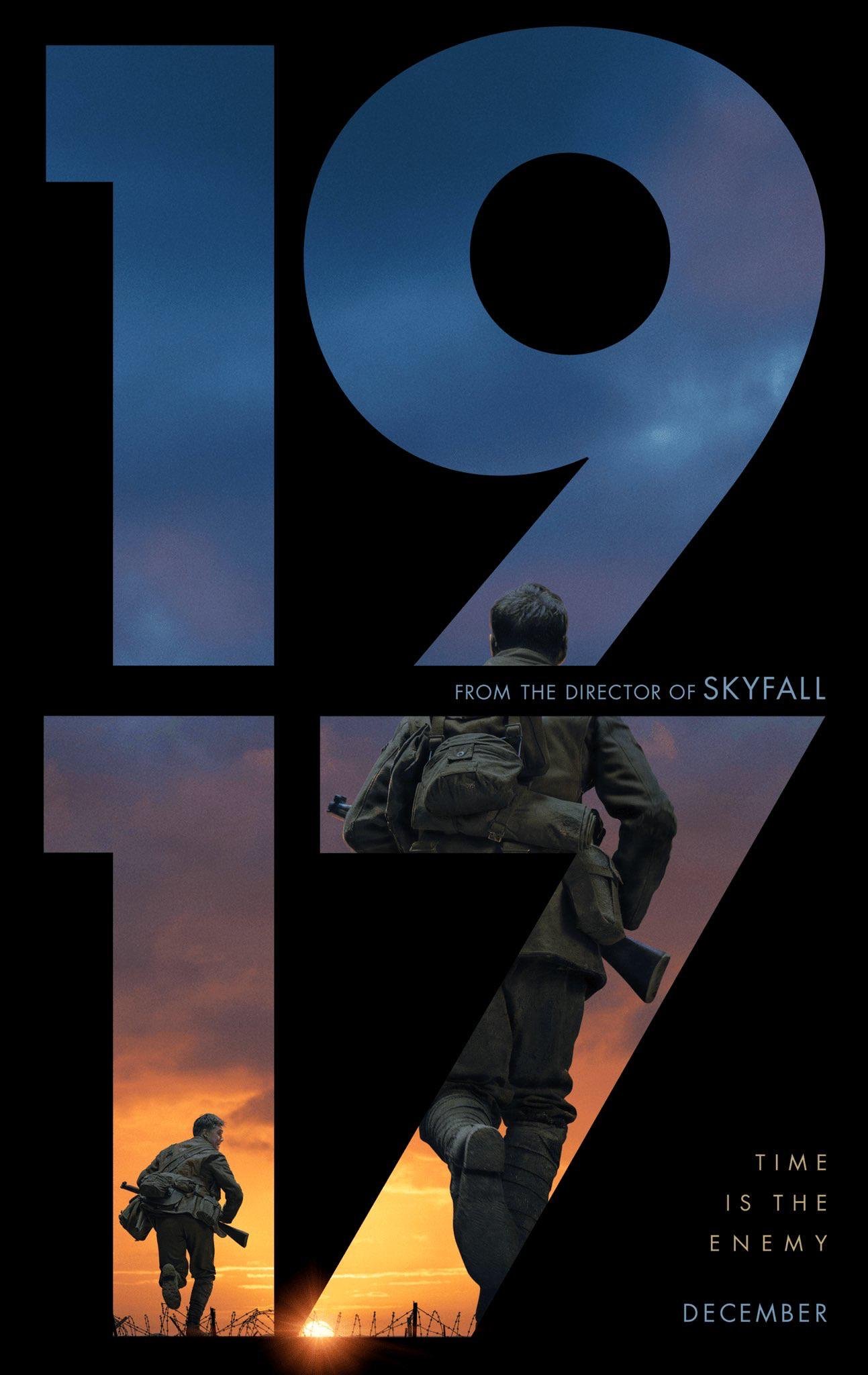

Information
TL;DR
Quick verdict: intense, immersive, and visually stunning — a war movie that feels personal more than epic
“1917” delivers an unflinching portrayal of World War I that transcends traditional war narratives. Its immersive storytelling is heightened by groundbreaking cinematography, placing viewers directly in the chaos of the battlefield. This film avoids the grandiose tales of heroism, opting instead for an intimate exploration of fear, sacrifice, and brotherhood. The relentless pacing keeps you on the edge of your seat, making every moment feel critical and human.
Who should watch: fans of bold filmmaking and tense thrillers; not ideal if you want a traditional multi-plot war saga
This movie targets those who appreciate innovative filmmaking and a tight, character-driven story. Fans of directors like Sam Mendes and cinematographer Roger Deakins will find much to admire here. However, if you’re looking for expansive narratives that incorporate multiple perspectives and sweeping storylines, “1917” may not meet your expectations. Its singular focus may leave some viewers wanting more depth in the broader context of war.
What’s the vibe — how does it actually feel to watch?
Mostly relentless tension with quiet human moments
From the very first frame, “1917” immerses you in a world of urgency. Mendes employs long takes that simulate a real-time experience, forcing you to wrestle with the anxiety of the characters as they navigate treacherous terrain. The score ebbs and flows, mirroring the characters’ emotional journeys. You can feel the adrenaline coursing through your veins as tension mounts during each shift from chaos to silence — moments that reveal the humanity behind the uniforms.
In stark contrast, the film doesn’t shy away from quieter moments. Intimate conversations among soldiers allow for glimpses into their fears and hopes, providing a counterbalance to the unending threat of violence. These brief interludes serve to deepen your connection with the characters, making the subsequent rush of action all the more impactful.
Feels like you are in one continuous, nervous sprint rather than watching big set-piece battles
With an innovative approach to storytelling, “1917” feels less like a collection of battles and more like a singular experience. The camera often stays with the characters, creating an immersive atmosphere where the audience is not just an observer but a participant in their journey. This approach subverts typical war movie tropes; instead of grand battles, we’re presented with the perilous trek of two soldiers. The focus on their immediate, life-or-death challenges cultivates a sense of personal stakes that reverberates throughout the film.
Because of this narrative style, big set-piece battles come across as fleeting moments rather than the core of the film. The action feels immediate and claustrophobic, leaving you breathless as you accompany the characters through enemy territory.
What is the movie about (no spoilers)
Two young soldiers on a time-sensitive mission across enemy lines
“1917” follows the harrowing journey of two young British soldiers tasked with delivering a critical message that could save 1,600 men from walking into a deadly trap. The urgency of their mission pulls the narrative forward, fostering a relentless rhythm that drives the entire film. Their youth symbolizes the fragility of life amidst the carnage of war, inviting reflection on the cost of conflict and heroism.
The story focuses on small choices and immediate danger, not grand strategy
Unlike many war films that encompass strategies and elaborate character arcs, “1917” zooms in on the microcosm of individual choice. Each moment is charged with emotion as the soldiers face harrowing decisions. The narrative doesn’t construct a grand battlefield tapestry; instead, it leads you through a personal odyssey rife with immediate threats. This focus on small but meaningful moments emphasizes the horror of war and the importance of human connections — a sobering reminder of the price of conflict that transcends time and place.
The film’s brilliance lies in portraying how decisions can reverberate beyond a single moment, affecting not only the characters involved but also their comrades and loved ones. It’s not just about the physical journey but the emotional toll inflicted by those choices.
Fan theories & speculation
Narrative twists
Given the linear structure of “1917,” viewers might speculate on potential narrative twists. Some may see hidden layers in the characters and their interactions, possibly suggesting a greater destiny tied to their mission. Could there be a secret agenda at play, driving one of the characters to make choices that could impact the greater narrative?
Hidden villains or secret motivations
With the film’s focus on personal stakes, fans may wonder if one of the soldiers hides darker motives. Is it possible the mission itself is a ruse, reflecting the often murky morality of war? As viewers dissect the relationships and interactions, the implication of hidden villains could surface — characters whose motivations complicate the black-and-white morality often portrayed in war films.
Character betrayals or deaths
As the plot unfolds in real-time, tensions rise, and speculation mounts around which character arcs might culminate in betrayal or unexpected death. Could the emotional investment in the two leads lead to tragic outcomes that underscore the futility of war? These possible turns invite deeper analysis, offering a chilling reminder of the unpredictability that accompanies life in combat.
Franchise / genre implications:
“1917” stands alone within the war film genre, differing sharply from traditional narratives filled with multiple interconnected storylines. By emphasizing individual experience and immediate danger, Mendes crafts a unique cinematic experience that could potentially redefine how war stories are told. Future filmmakers may draw inspiration from this approach, seeking to capture the intimate horror of combat rather than the grand narratives typically associated with the genre.
Release date & expectations:
Slated for release in December 2019, “1917” has generated significant buzz in the cinema community. Early screenings and festival showings have elicited applause for its technical achievements and emotional depth, enhancing audience anticipation. In a year filled with compelling cinematic offerings, “1917” has positioned itself as a profound entry that many believe could reinvigorate interest in war films.
With its innovative storytelling and visceral emotional impact, “1917” arrives with formidable expectations, poised to carve out a lasting legacy in cinematic history.
Strong final verdict:
“1917” is poised to succeed due to its adventurous narrative structure and its unfiltered take on the human experience of war. It refrains from glorifying violence or shaping heroes; instead, it focuses on the emotional truths of its characters. That honesty is its strength, and with the right audience, it could become a defining work in the war cinema genre.
As the credits roll, you’ll find yourself reflecting on the harrowing realities of conflict, not as a spectator, but as a vital participant in the story’s emotional landscape. “1917” pushes boundaries, placing us amidst uncertainty and raw vulnerability — a testament to the artistry of film.
The good stuff — what really works here
Camera craft and staging that make the journey feel immediate
The artistry that underpins “1917” immediately comes to the forefront with the trailer, laying the groundwork for what audiences can expect in terms of visual storytelling. Director Sam Mendes, alongside cinematographer Roger Deakins, creates a breathtaking sense of immediacy that transforms the war film experience. The trailer showcases this mastery through its fluid camera movements and long takes, eliciting an intimate connection with the viewers who are drawn into the battlefield alongside the characters.
An early shot of the landscapes enveloped in chaos accentuates the sprawling devastation while juxtaposing it with intimate close-ups of the soldiers. This technique doesn’t just capture the horror of war; it enhances the viewer’s emotional investment in the protagonists. The choice to use seemingly real-time tracking shots ensures that we’re not mere spectators but active participants in a harrowing race against time.
Small-scale human focus that turns standard war tropes into personal stakes
While many war films are often laden with grandiose battles and sweeping narratives, “1917” leans heavily on a microcosmic approach. The trailer hints at a deeply personal story of two British soldiers tasked with a perilous mission, bringing the audience’s focus to their individual experiences rather than extensive warfare. This personal lens transforms conventional war tropes into something palpable and relatable.
The emotional weight of their mission is underscored by moments in the trailer filled with human connection, fear, and the relentless march toward fate. Without delving into extraneous plot details, the trailer suggests that character relationships may evolve under the pressure of impending doom, reminding viewers that amid the chaos, it’s the human heart that beats the loudest.
Sound design and score that crank up suspense without drowning out the moments
If the visuals in the “1917” trailer establish a sense of urgency, the sound design amplifies it. The score, composed by Thomas Newman, erupts in tense crescendos that sync up beautifully with key visual beats, heightening the emotional gravity of the unfolding scenes. The shattering of glass or the distant rumble of gunfire punctuates the serenity of fleeting moments, crafting a frenetic auditory landscape that evokes both dread and anticipation.
The sound design allows for critical moments to breathe, unlike many films that tend to overpower emotional beats with excessive background noise. Key dialogue snippets amidst the chaos retain their resonance, ensuring that the stakes remain palpable without drowning out the nuanced performances unfolding onscreen.
Does the story actually hold up?
Simple setup keeps things clear but leaves little room for plot surprises
The premise laid out in the trailer is straightforward, establishing the urgency of the soldiers’ mission to deliver a message that could save lives. This simplicity goes hand-in-hand with the film’s immersive quality but also hints at a potential limitation in plot depth. Viewers should brace for a narrative that, while evocative and engaging, may not stray far from its central mission arch.
Expectations for unexpected narrative twists might come into play as well. While the trailer sets a brisk pace, the linear storytelling could lead some to perceive the plot as lacking complexity. The beauty here lies in how Mendes and his team turn a seemingly simple framework into an exploration of themes like sacrifice, bravery, and camaraderie.
Pacing is breathless most of the way; a few stretches slow the momentum but rarely break immersion
The trailer, with its rapid-fire cuts and frenetic energy, sets a tone of urgency that mirrors the film’s pacing. For the most part, the experience is designed to propel audiences forward, capturing the essence of two soldiers navigating a perilous landscape both physically and emotionally. There are certainly moments in the film where the pacing may falter slightly, perhaps allowing a contemplative pause in the wake of action.
Nevertheless, these slow stretches likely serve a purpose rather than languishing as a storytelling error. They carve out impactful emotional reflections, moments that invite viewers to process the weight of their journey. The trailer hints at a balance of relentless forward momentum interspersed with poignant introspective breaths, seldom sacrificing immersion for overt exposition.
Are the performances convincing?
The leads sell the urgency and exhaustion with minimal dialogue
What stands out in the “1917” trailer is the palpable chemistry and urgency delivered by the lead actors, George MacKay and Dean-Charles Chapman. Their performances speak volumes even when words are scarce. The soldier’s gaze tells a story of weariness and resolve; their shared moments hint at the friendship forged amid chaos. This nuanced portrayal is critical in a film that thrives on individual stakes rather than grand battle narratives.
Dialogue is minimal, but that lends itself to a more immersive experience, allowing the audience to project themselves into the protagonists’ plight. The strength of their performances lies in conveying emotions that are raw and immediate, enabling viewers to feel the weight of their burdens in a revolution of vulnerability rather than mere exposition.
Supporting players add texture in short, effective bursts
The trailer also teasingly showcases a cast of supporting characters who enrich the narrative landscape. Their appearances—though brief—captivate, illuminating the diverse experiences and lives affected by war. Each encounter hints at a larger tapestry of personal stories that interlace with the main characters’ journey, providing glimpses of hope, despair, and resilience amid the chaos.
These supporting performances add vital layers to the overall narrative, suggesting that even fleeting interactions can resonate deeply. The diversity of roles teased in the trailer gives credence to the notion that each character’s struggles, however brief, contribute a powerful texture to the emotional environment within which the protagonists operate.
Strong final verdict
“1917” is shaping up to be a unique entry in the war film genre, leveraging its stunning visuals, precise pacing, and intimate performances to craft a narrative that could resonate long after the credits roll. As the official trailer suggests, the film’s singular focus on personal journeys within a global catastrophe could redefine viewer expectations of what a war drama can achieve.
With its impending release date, anticipation has steadily climbed as audiences and critics alike await Mendes’ artistic vision to unfold. While it walks a fine line between simplicity and depth, “1917” could very well emerge as a landmark film that ultimately champions the human spirit’s resilience amid turmoil.
In the end, will it succeed or falter? Only time will tell, but there’s an unmistakable electricity building around this film that suggests its impact may be both immediate and lasting. As viewers, we may find that within the chaos of war’s backdrop, the story lies not just in the battles fought, but in the hearts of those who fight them.
1917’s visuals and sound — are they worth the hype?
The trailer for 1917, released by Universal Pictures on August 1, 2019, generated a palpable buzz, elevating expectations for Sam Mendes’ World War I epic. You can view the official trailer here.
Set against a backdrop steeped in historical authenticity, the visuals trade in stark, visceral imagery. The cinematography by Roger Deakins has been a focal point, featuring a groundbreaking long-take approach that immerses viewers in the harrowing journey of two British soldiers. The trailer hints at a profound symbolism, where the chaos of war and the fragility of life intertwine, creating a visceral experience that lingers in the viewer’s psyche. Deakins’ lens captures not just the brutality of war but the poetry hidden amidst the wreckage, urging audiences to witness history unfold in real time.
Long-take aesthetic and Roger Deakins cinematography are the film’s main showpieces
The long-take technique isn’t merely a stylistic choice; it’s a narrative engine that propels 1917 forward, placing viewers directly in the shoes of its protagonists. Deakins, a master of his craft, creates a seamless flow that accentuates the urgency and desperation of their mission. This immersive visual storytelling enhances the film’s emotional stakes, forcing audiences to experience the evolving landscape of war without the action cutting away.
Production design and practical effects help the world feel lived in
Every frame resonates with authenticity, a testament to meticulous production design that evokes the era with staggering detail. Muddy trenches, charred landscapes, and the remnants of a world seemingly caught in perpetual chaos breathe life into the film’s setting. Practical effects amplify this realism; explosions feel like a shockwave, and the weight of each bullet fired creates an ambiance that transcends the screen. It’s not just a visual feast; it’s an experience that captivates the senses.
Thomas Newman score and immersive sound elevate tension and emotion
Sound design plays a vital role in 1917, intricately woven together with a haunting score by Thomas Newman. The absence of a linear narrative structure allows the soundscape to evoke tension; each footfall on the treacherous terrain, every whisper of wind, and the growing crescendo of musical cues elevate emotional moments. Newman’s score complements the visuals, weaving a fabric of unease and anticipation that cradles the viewer through moments of silence and chaos alike.
Standout moments (no spoilers)
The artistry of 1917 isn’t just in its grand sweeping visuals but within the carefully crafted moments that punctuate its relentless pace.
A tense night sequence that tests patience and nerves
In one unforgettable segment, darkness envelops the soldiers, dramatically amplifying suspense. Shadows dance with danger, and each looming figure carries the weight of uncertainty. This meticulous crafting of silence and light not only heightens tension but provides a pulse to the quieter moments of the film, illustrating how fear can play on the mind like a haunting melody.
A quiet character beat that suddenly feels everything
Mendes expertly navigates character depth without excessive dialogue. A simple gesture or a fleeting expression can shift the narrative’s emotional core, making the audience feel profoundly connected to the soldiers’ journey. In moments filled with minimal exposition, 1917 finds its heart, inviting viewers to ponder the value of humanity amid destruction.
A late stretch where the pressure finally pays off emotionally
As the narrative unfolds, the stakes climb, leading to heart-wrenching realizations and emotional catharsis. The climax is not merely a sequence, but a culmination of everything that has come before, a release of accumulated tension that resonates long after the film concludes. This deft handling of pacing and emotional payoff leaves the audience breathless, reminding them of the cost of sacrifice.
Is it emotionally moving or just technically flashy?
While 1917 showcases technical prowess, its emotional depth transcends mere spectacle.
Emotion comes from small human moments rather than sweeping speeches
The true emotional weight lies in the subtleties of character interactions. Mendes carefully cultivates scenes that expose vulnerability, showcasing that it’s not the grand declarations that matter, but the quiet moments of connection that reveal true strength. Characters are exposed in their rawest forms, making every loss a shared heartbreak rather than just a narrative obstacle.
If you connect with characters quickly, the film sticks with you after the credits
The film’s relentless pace coupled with its intimate portrayal makes it a haunting experience. When characters resonate, their trials and tribulations linger with you, echoing in thoughts long after the viewing. This emotional tether emphasizes how impactful relationships forged in the line of duty become, ensuring that 1917 isn’t just an event but a reflection on the human condition during an utterly dehumanizing time.
In an era saturated with cinematic spectacles, 1917 solidifies itself as more than just a visual triumph. It challenges viewers to reflect on what connects us in times of adversity, weaving a narrative that’s as contemplative as it is kinetic. Whether discussed among peers or reinforced through individual contemplation, Mendes delivers a masterpiece destined to spark conversation.
Those anticipating this film can expect a rich tapestry of emotion and artistry. With its intricate blend of smart storytelling, emotional depth, and stunning visuals, 1917 promises to leave a significant imprint on the landscape of modern cinema. As it navigates the thin line between personal narrative and historic context, one thing is clear: this film might redefine how we approach war stories on the silver screen.
As the release date draws near, enthusiasm brims across film forums and movie screens alike, inviting viewers not just to witness history but to feel it unfold. Ultimately, audiences must decide if this film’s resonance is ephemeral or a lasting impact in our cinematic vocabulary. 1917 looks poised to succeed — a film that isn’t just watched but felt.
Who will enjoy it and is it worth rewatching?
Best for viewers who like immersive, single-focus films rather than sprawling ensembles
“1917” is a cinematic journey that captivates those who appreciate an intimate, immersive experience over intricate narrative webs filled with a multitude of characters. The film, directed by Sam Mendes, delivers a tightly woven narrative that places viewers right alongside its two leads, Lance Corporals Blake and Schofield. Instead of sprawling casts and complex subplots, it opts for a single-focus approach that emphasizes the raw emotional weight of war and sacrifice.
Fans of films that prioritize character-driven storytelling will find “1917” particularly enthralling. Its meticulous craftsmanship invites audiences to connect deeply with the protagonists, amplifying the stakes of their perilous mission. The film operates in real-time, which enhances its immersive quality, creating a sense of urgency that grips viewers from the first frame to the last. Those who thrive on the intensity of individual character arcs and the visceral impact of their journeys will undoubtedly relish this experience.
Rewatch value is high for film fans who want to study technique; for casual viewers one watch often suffices
On the rewatchability scale, “1917” offers substantial value for film enthusiasts interested in dissecting its impressive technical achievements. The film’s celebrated cinematography, executed by Roger Deakins, coupled with Mendes’s direction, provides a masterclass in the art of illusory single-take filmmaking. Viewers keen to analyze its seamless transitions, the choreography of action sequences, and the use of lighting will find that a second viewing reveals layers and details they may have missed initially.
However, for those who engage with cinema primarily for entertainment, a single viewing may suffice. The emotional journey is striking but leaves little room for subsequent contemplation once the initial shock and thrill have settled. Casual viewers might appreciate the film’s power yet may not feel compelled to revisit it—not because it lacks merit, but because the visceral impact is profoundly concentrated in that first encounter. Thus, “1917” is a film that serves dual purposes: an engrossing tale for the casual movie-goer and a rich text for film lovers eager to dissect its craftsmanship.
FAQs
Is 1917 worth watching?
Absolutely. “1917” is a breathtaking cinematic experience that succeeds not only in storytelling but in creating a palpable sense of tension and urgency that remains unmatched. Its technical prowess elevates it to must-see status, particularly for fans of war films or those interested in innovative filmmaking techniques.
Is 1917 on Netflix or other streaming services?
As of now, “1917” is not available on Netflix. However, it can be found on platforms like Amazon Prime Video and Hulu. Availability may vary by region, so checking your local listings is always wise.
Is 1917 a single-take movie?
While “1917” is not technically shot in one continuous take, it is designed to appear as though it is. The seamless transitions between scenes create an immersive experience that mimics the feeling of enduring a single continuous moment. This creative choice reinforces the film’s urgency and emotional intensity.
How long is 1917?
“1917” has a runtime of approximately 119 minutes. This brisk pacing contributes to its intense atmosphere, as it ensures that the suspense and urgency never wane throughout the viewing experience.
Is 1917 historically accurate?
“1917” is inspired by true stories from World War I, but it is important to note that it takes creative liberties for dramatic purposes. The film aims to capture the essence of the war and the human experiences within it rather than serving as a documentary recounting specific historical events.
What did critics say — 1917 review NYTimes or Guardian perspectives?
Critics have largely praised “1917” for its technical brilliance and emotional depth. The New York Times lauded it as a “visually stunning and harrowing” film that highlights the horrors of war without losing sight of its humanity. The Guardian echoed similar sentiments, highlighting the film’s visual storytelling and immersive quality, calling it a “stunning achievement” that sets a new benchmark for war cinema.
What do viewers say — 1917 review Reddit highlights?
Viewers on platforms like Reddit have engaged in lively discussions about “1917,” highlighting its immersive storytelling and emotional impact. Many praised the film’s tension and pacing, noting how the cinematographic choices created a feeling of being ‘in the trenches’ alongside the characters. Others shared their astonishment at the single-take illusion, with several viewers expressing a desire to analyze the film’s technical feats further.
Who directed 1917 and who did the cinematography?
“1917” was directed by Sam Mendes, a filmmaker known for his work on “American Beauty” and the James Bond series. The stunning cinematography was crafted by Roger Deakins, a legendary cinematographer whose collaboration with Mendes has previously yielded extraordinary results. Deakins’s work in “1917” has been particularly celebrated, ensuring that the film remains a defining visual spectacle in cinema history.