
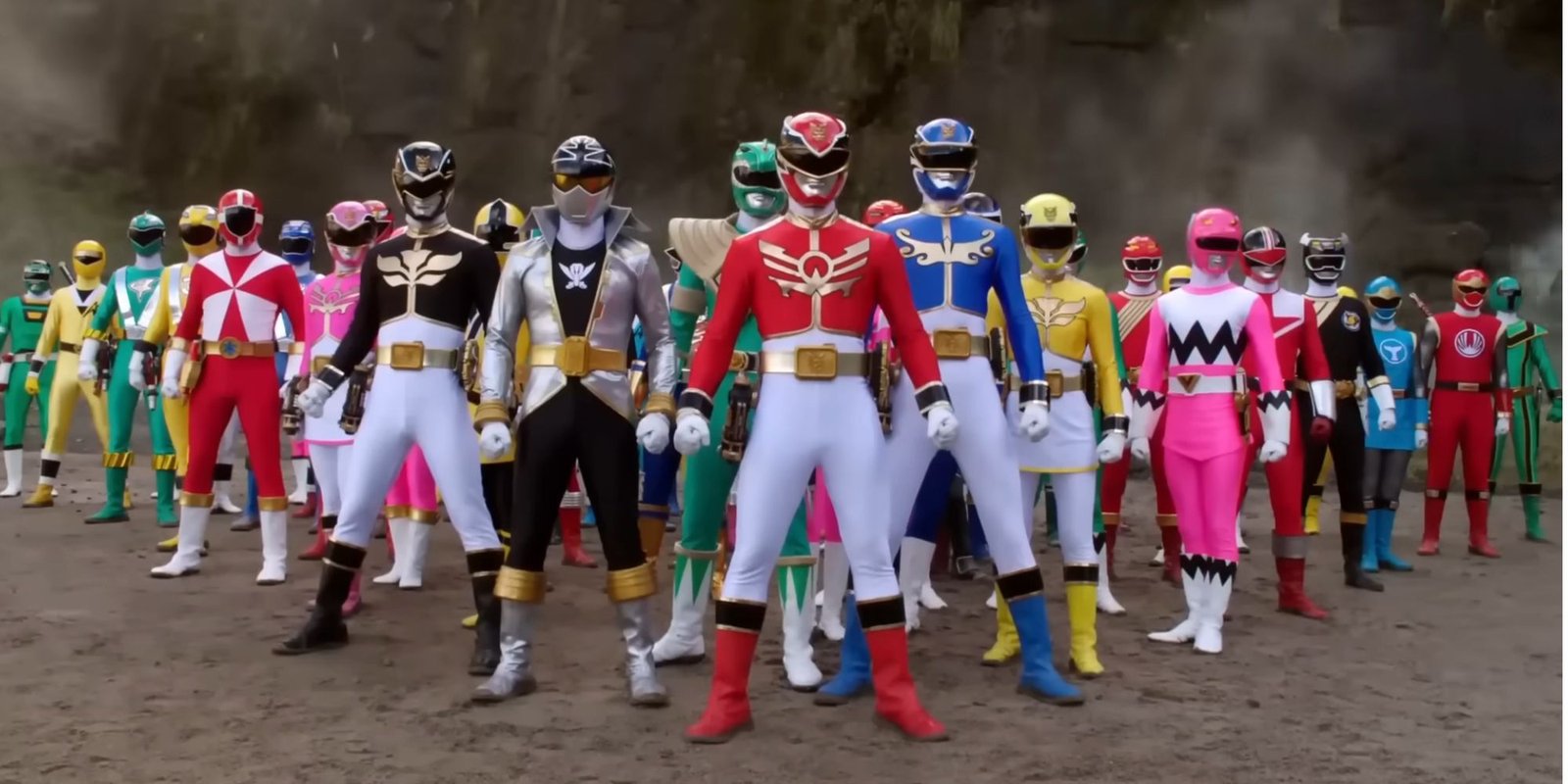
A 51-year run reaches its finale
On February 8, 2026, Japan’s long-running Super Sentai franchise aired what has been reported as its final episode, bringing to a close a television legacy that began in 1975. The curtain came down with the most recent installment, No. 1 Sentai Gozinger, marking the end of a run that spanned 49 seasons over 51 years. While the series as it has existed on screen is ending, producers and industry observers say the story of the franchise may not be finished: Toei has indicated the brand will go on hiatus so its creative teams can reassess its future, and discussions about possible reboots or “spiritual successors” have surfaced.
What Super Sentai is — and why it matters
Super Sentai is a cornerstone of the tokusatsu (special-effects) superhero genre in Japan: yearly teams of color-coded heroes, giant robots, and serialized action that captured multiple generations of viewers. Its long continuity and distinctive format have made it a durable cultural fixture, and its production techniques and storytelling beats have influenced countless shows in Japan and beyond.
Internationally, Super Sentai’s impact is perhaps most visible through its relationship with Power Rangers. Beginning in 1993, footage and concepts from Super Sentai were adapted and reworked into the Power Rangers franchise, creating a globally successful, localized franchise built on Super Sentai’s action sequences and designs combined with original U.S. cast material.
How this ties into Power Rangers
Power Rangers launched in the United States with Mighty Morphin Power Rangers in 1993 and grew into a major children’s entertainment brand. Over the decades the franchise has changed hands—initially led by creator Haim Saban, then sold to The Walt Disney Company, repurchased by Saban in 2010, and later acquired by Hasbro—and produced numerous seasons and feature projects. Its most recent TV entry, Power Rangers Cosmic Fury, premiered on Netflix on September 29, 2023.
Even though Super Sentai’s broadcast run has ended, that does not automatically mean the end of Power Rangers. The American adaptation has developed its own production pipeline and corporate ownership, and reports indicate new directions are already in development independently of Toei’s next steps.
What Toei and producers are saying
According to industry reports, Toei’s head of character business, Shinichiro Shirakura, described the franchise as entering a hiatus designed to give staff time to “fundamentally rethink” Super Sentai. That language suggests a pause for strategic review rather than an outright, permanent cancellation. Media outlets have also reported that Toei may pursue a reboot or a spiritual successor featuring a fresh team and updated creative approach—though concrete plans have not been confirmed publicly.
The Power Rangers reboot in development
Separately, reports indicate a new Power Rangers series is in active development. Percy Jackson and the Olympians showrunners Dan Shotz and Jonathan E. Steinberg have been reportedly attached to the project. Outlets covering the development have described the forthcoming series as a full reboot that would not maintain continuity with prior Power Rangers seasons. Those reports also suggest Toei would not be directly involved in the reboot, underscoring that the American franchise may take an independent path forward even as Super Sentai’s future is reassessed.
At present, no official cast, network, or release date has been announced for the new Power Rangers project.
What this means for fans and the genre
- For Super Sentai fans, the finale represents the end of a long, serialized era but leaves open the possibility of a reinvention. A formal hiatus gives creators latitude to reimagine tone, format, and target audience.
- For Power Rangers fans, the franchise remains alive in new development. A U.S.-led reboot could reframe the property for modern streaming audiences and broader international appeal, independent of future Japanese productions.
- For the broader tokusatsu and children’s-television landscape, these moves signal both transition and opportunity: legacy brands are being reevaluated for contemporary audiences, and traditional production models may shift to reflect global streaming strategies.
Where to watch and what’s available now
For viewers wanting to revisit the American adaptation, many Power Rangers seasons and related content are available on streaming platforms such as Netflix and through the official Power Rangers YouTube channel. Archive viewing remains the best way for new and longtime fans to track the franchise’s evolution while both Japanese and American teams determine their next steps.
Looking ahead
The end of Super Sentai’s broadcast run closes a significant chapter in Japanese television history, but it also opens a moment for reinvention. Whether through a Toei-led successor or independent reboots abroad, the visual language and storytelling DNA that Super Sentai popularized are likely to persist. Fans should expect official announcements from Toei and Power Rangers’ current rights holders in the months ahead as both brands chart their futures.