
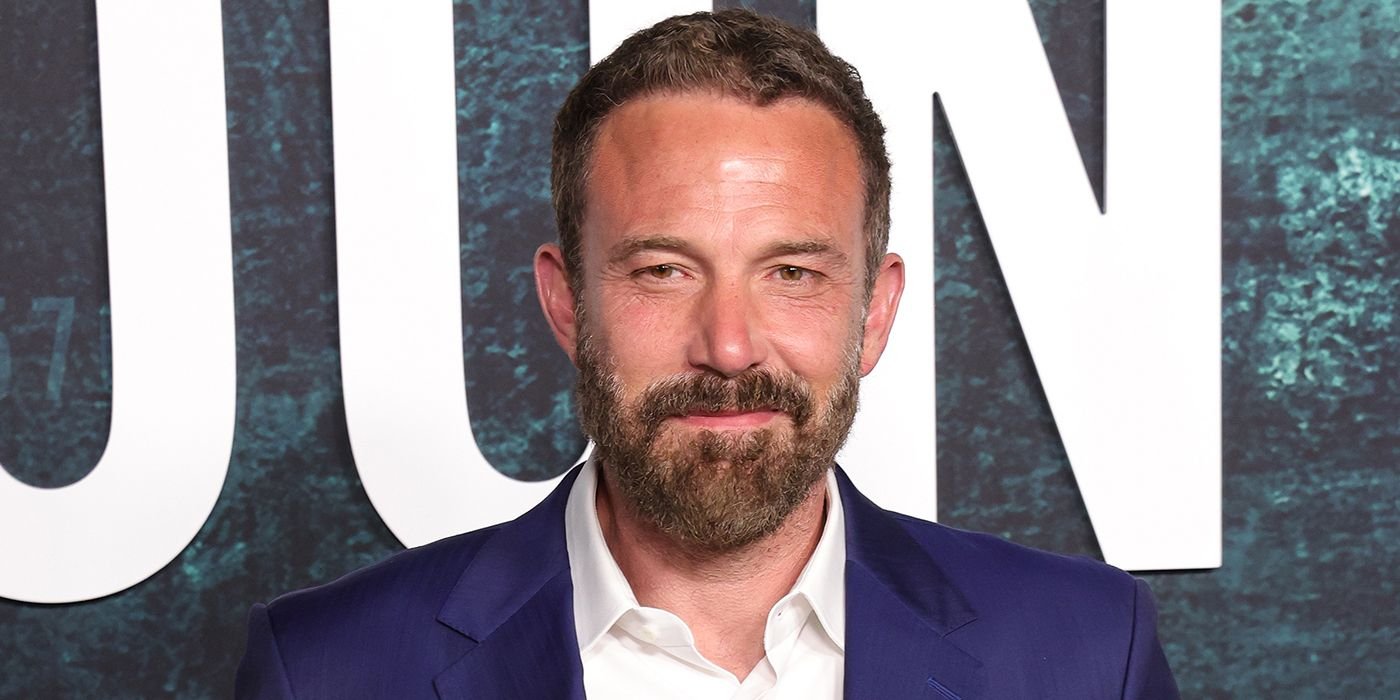
A nostalgic premise with a modern twist
Ben Affleck returned to the Super Bowl stage in a 60‑second Dunkin’ commercial that reimagines his Good Will Hunting persona inside a tonal mashup of classic ’90s sitcoms. The spot leans hard into retro cues — a laugh track, soft focus lighting and familiar TV archetypes — and assembles a crowd of well‑known sitcom alumni to sell the gag: nostalgia itself.
Star‑studded cast and sitcom callbacks
The ad ropes in a line‑up of television veterans known for their sitcom work, including:
- Jason Alexander (Seinfeld)
- Jennifer Aniston and Matt LeBlanc (Friends)
- Ted Danson (Cheers)
- Jasmine Guy (A Different World)
- Jaleel White (Family Matters)
- Alfonso Ribeiro (The Fresh Prince of Bel‑Air)
Playful, wink‑and‑nod moments — such as a throwaway reference to Friends’ famous “We were on a break” line — are used to cue recognition and generate quick laughs. The overall intent is clear: invite viewers to relax into a warm, familiar world where a coffee break is a sitcom beat.
The uncanny aesthetic that distracted viewers
Despite the clever casting and period pastiche, many viewers left the commercial feeling unsettled. Social posts across platforms called out an unnervingly smooth, almost airbrushed finish on performers’ faces. Critics and fans alike described the effect as oddly expressionless, with some suggesting the look may be the result of de‑aging work, digital retouching, or other AI‑adjacent imaging tools.
That reaction matters because the ad’s design intentionally foregrounds the past; by evoking a specific era of television, it invites direct comparison. Instead of purely charming nostalgia, the glossy treatment created a cognitive dissonance: a “retro” surface that nevertheless felt produced by contemporary, automated processes.
A wider pattern across Super Bowl spots
Dunkin’ wasn’t alone. Several high‑profile Super Bowl ads this year leaned on throwbacks and heavy visual polish, and similar complaints followed.
- Xfinity’s spot revisited Jurassic Park icons such as Jeff Goldblum and Laura Dern, placing them in a tongue‑in‑cheek scenario where modern tech — an IT specialist reconnecting Wi‑Fi and resetting systems — solves prehistoric problems. The commercial aimed for playful nostalgia but some viewers noted a comparable, airbrushed sheen on the returning stars.
- Other ads, while not explicitly retro, also presented a highly smoothed aesthetic. Commercials featuring Chris Hemsworth (for Amazon) and Matthew Broderick (for Genspark) projected calm, polished authority while promoting new tech tools; their slick finishes prompted conversations about whether automation and digital enhancement were increasingly shaping ad imagery.
Advertisers appear to be experimenting with modern imaging techniques to create perfected, cinematic visuals. But when those techniques scrub away traceable human detail, they risk triggering the “uncanny valley” response — an instinctive sense that something that looks nearly human is, somehow, off.
Counterprogramming: ads that emphasize people, not polish
Not every Big Game spot embraced the ultra‑polished route. Some advertisers deliberately centered real human activity to push back against mechanized aesthetics.
OpenAI’s commercial, for example, showcased people engaged in everyday creative and productive tasks — reading, sketching, designing, and even operating machinery — and framed technology as a tool that amplifies human potential. As OpenAI chief marketing officer Kate Rouch put it to Variety, “The core message is that people are actually the hero.” That line echoes the broader creative choice: show technology as an enabler, not the protagonist.
Google’s ad took a similarly human‑first tack, portraying a parent and child imagining their future together while using a new product, the Nano Banana Pro. The narrative keeps the focus on relationships and aspirations rather than on polished visuals or technical bravado.
What advertisers are learning — and what audiences are signaling
The Super Bowl remains the place to test cinematic ideas and grab mass attention. This year’s slate suggests a few clear lessons:
- Nostalgia is a potent shortcut to viewer goodwill, but it comes with higher standards for authenticity. Recreating a beloved era invites closer scrutiny of how convincingly that past is represented.
- Highly smoothed, airbrushed finishes can undermine the emotional connection advertisers are trying to establish. When faces and performances appear overly processed, audiences may respond not with fondness but with discomfort.
- Human‑centered storytelling still cuts through. Ads that underline people’s experiences and agency — even when promoting advanced tools — tend to land as warmer and more relatable.
Brands will likely keep experimenting with de‑aging, digital retouching, and AI‑adjacent tools in advertising, but the reaction to this year’s spots underscores a clear boundary: viewers reward authenticity. For throwback concepts in particular, the sweet spot is a balance that honors the feel of the past while preserving the human details that make nostalgia genuinely resonant.