
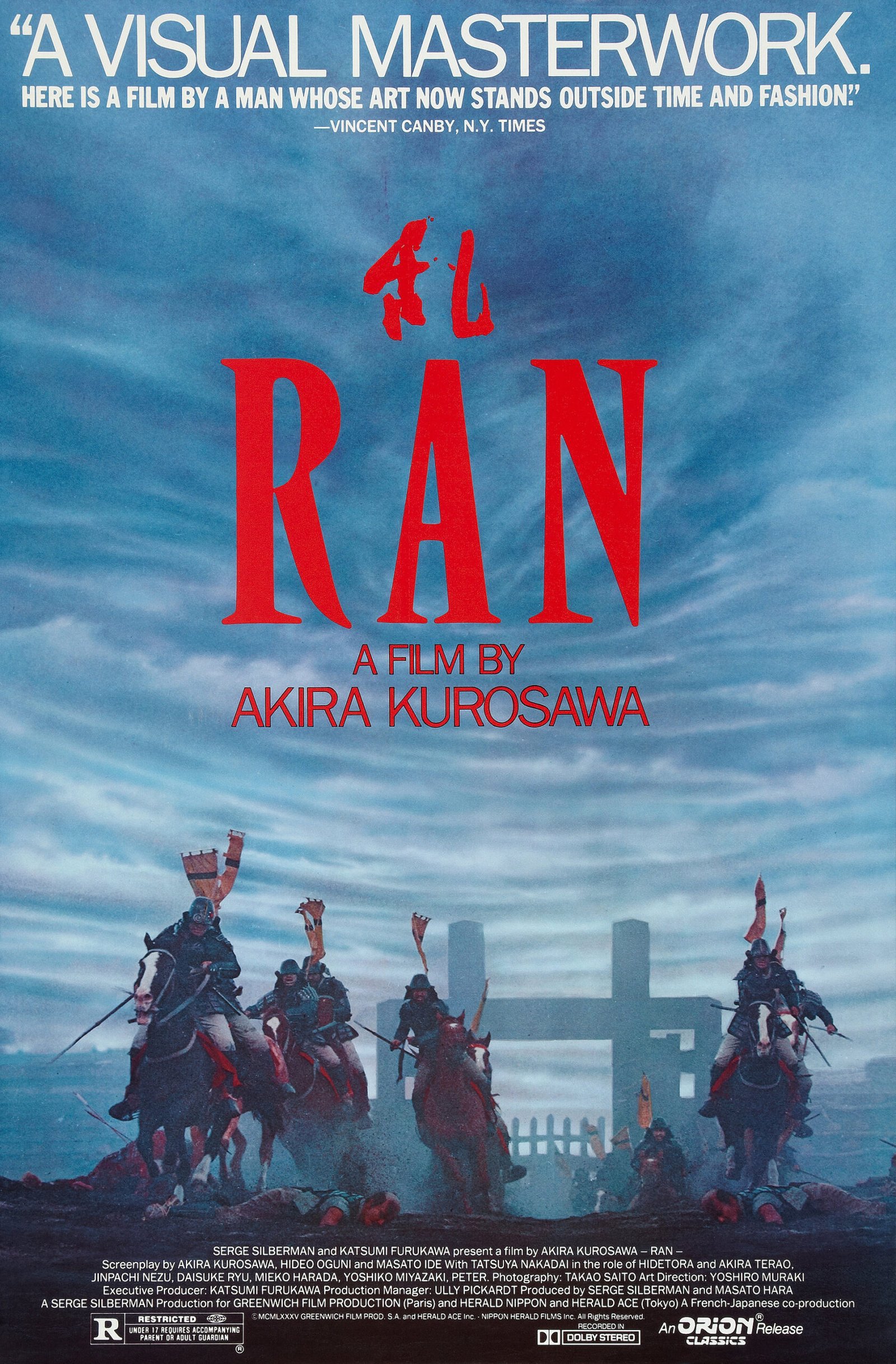
Information
TL;DR
Quick verdict in one line
“Ran” showcases visual splendor and emotional complexity, setting the stage for a gripping cinematic experience.
One-sentence who should watch it
This film is a must-see for fans of character-driven narratives and rich visual storytelling.
What’s the vibe — what will watching feel like?
Tone and emotional temperature
The trailer for “Ran” exudes an intense blend of desperation and hope, laced with a potent sense of foreboding. The lush visuals pulse with life yet feel trapped in the throes of conflict, creating a heartbreaking yet captivating atmosphere. As scenes flicker between anguished expressions and serene landscapes, viewers are drawn into a world that balances beauty with tragedy, making for a deeply engaging experience. Expect a narrative that doesn’t shy away from the darker aspects of human nature, yet offers glimmers of resilience and redemption.
Is it grand and operatic or intimate and harsh?
“Ran” appears to oscillate between grand operatic flourishes and intimate, raw moments. The visuals, with sweeping camera movements and breathtaking landscapes, suggest a cinematic grandeur, but they are undercut by the personal stakes portrayed in the characters’ eyes. It’s a film that doesn’t just showcase epic backdrops but intertwines them with the characters’ emotional arcs. The tension between spectacle and personal struggle is palpable, giving viewers an experience that’s both expansive and intimate.
What’s Ran about (no spoilers)
The setup in plain language
In “Ran,” a world of political intrigue unfolds within the framework of familial betrayal and loyalty. While the specifics remain shrouded in mystery, the trailer hints at a story filled with power dynamics, deception, and the dire consequences of ambition. Without revealing too much, the narrative seems poised to explore the balance between duty to one’s family and the unrelenting pursuit of power, placing the central characters in a moral quandary that leads to inevitable conflict.
The main themes to expect
At its core, “Ran” examines the destructive nature of ambition, the fragility of familial ties, and the moral complexities of power. The trailer teases the idea of choice and consequence, as the characters grapple with their loyalties and the costs of their aspirations. Themes of betrayal resonate strongly, suggesting that trust may be the ultimate casualty in the pursuit of power. Viewers can expect an exploration of not just who wields power, but the human cost connected to that struggle.
Does the story actually work?
Plot clarity and momentum
In the teaser trailer for Ran, the narrative unfolds with an assurance that hints at a cohesive story, yet leaves enough ambiguity to pique curiosity. The plot revolves around complex themes of power, betrayal, and familial conflict—all set against a rich historical backdrop that is a hallmark of its genre. Visual motifs and vivid color palettes suggest a blend of elegance and turmoil, drawing viewers into a world where alliances shift and characters grapple with their moral dilemmas.
The momentum established in the trailer feels carefully orchestrated; a dance between visual storytelling and dialogue snippets that hint at larger conflicts to come. There’s a palpable tension that builds as we move from quick cuts of intense confrontations to more reflective moments showcasing character vulnerability. This strategic ebb and flow not only provides clarity about basic character motivations but also ensures that viewers are engaged, eager for the unfolding drama.
How the pacing affects the drama
Pacing is crucial in Ran. The teaser tantalizingly teases moments of high stakes, yet balances those with quieter, introspective beats that allow for emotional depth. In a story that promises layered conflicts, the rhythm of these scenes can dictate how effectively the audience connects with the characters.
The rapid-fire edits juxtaposed with lingering shots invite us to absorb the emotional weight of the characters’ decisions. This thoughtful pacing could amplify the drama, transforming tension into a more gripping experience when the film fully releases. Balancing frenetic action with moments that allow the audience to catch their breath serves to heighten anticipation—an essential element for a film promising intense plot twists.
Are the performances convincing?
Lead actors who carry the film
The standout performances hinted at in the trailer suggest that the lead actors are poised to deliver nuanced portrayals that can elevate Ran beyond its narrative framework. The main character, facing seemingly insurmountable odds, demonstrates a depth that promises to engage the audience emotionally. The trailer showcases moments of vulnerability alongside fierce determination, indicating a performance that acknowledges complexity rather than one-dimensional heroism.
The chemistry between the leads also appears promising. Despite brief glimpses, there’s an emotional resonance that suggests the characters share a deeply woven history, fraught with conflict and unspoken truths. As the stakes escalate, it becomes clear that the actors will be crucial in navigating the tumultuous waters of betrayal and loyalty, drawing viewers fully into their plight.
Notable supporting turns and character chemistry
While the leads undoubtedly carry the film, the supporting cast shines through significant moments in the trailer, hinting at characters that could be just as impactful. The interactions between supporting characters seem rich with subtext, filled with indications of past alliances and future betrayals. It’s clear that these relationships are vital, adding layers to the overarching narrative.
The dynamics showcased in the trailer promise a fusion of tension and camaraderie among characters, establishing a supportive backbone for the story. Particularly intriguing are the antagonistic roles, whose charisma and menace are subtly suggested. Their presence could serve as catalysts for pivotal plot developments, making them essential for both the plot and the leads’ journeys.
How does Ran look and sound?
Cinematography and production design highlights
Visually, Ran captivates from the outset. The trailer exhibits a stunning balance between lush landscapes and oppressive settings that can signify both beauty and conflict. Cinematography choices display a mastery of light and shadow, often reflecting the internal states of the characters themselves. Wide shots of sweeping vistas contrast sharply with intimate close-ups, emphasizing emotional stakes and moral dilemmas.
The production design complements the visual storytelling, revealing a world steeped in authenticity and atmosphere. From opulent interiors hinting at wealth and power to stark exteriors that suggest struggle, every frame seems to be carefully crafted. This level of detail is essential, as it doesn’t simply create a backdrop but informs the narrative itself, allowing viewers to immerse themselves fully in this richly conceived world.
Music, score, and audio choices that matter
Sound plays a crucial role in shaping the film’s emotional landscape, and the trailer hints at a score that is both haunting and powerful. Music selections enhance the dramatic moments, layering tension and urgency that resonate long after watching. The use of silence punctuated by sudden crescendos may strategically evoke feelings of dread and anticipation.
The audio choices, including character dialogue and ambient sounds, also contribute significantly to building an immersive experience. The whispered words laden with significance juxtaposed with overwhelming soundscapes paint a vivid auditory picture that complements the visual richness of the film. It’s a reminder that in Ran, sound isn’t merely an accompaniment but a vital thread woven into the very fabric of the narrative.
Final Thoughts
With its tantalizing teaser, Ran showcases the potential to transcend mere spectacle; it hints at a complex story driven by compelling performances and stunning visuals. As anticipation builds for the official release, engaging plot theories and audience expectations suggest that this film may become a notable entry in the landscape of cinematic storytelling. Whether it ultimately succeeds or falters will depend not just on the execution of its ambitious narrative, but also on how deeply it resonates with viewers navigating the intricate dance of conflict and transformation. The cinematic experience awaits, and the world of Ran is brimming with possibilities that promise to challenge and captivate.
The eagerly anticipated teaser trailer for “Ran,” directed by celebrated filmmaker Akira Kurosawa’s modern-day homage, was released by CoMix Wave Films on October 15, 2023. This visually stunning glimpse into the world of “Ran” captivates viewers, pulling them into a tapestry of conflict, loyalty, and betrayal that echoes with both historical resonance and personal strife.
You can watch the official teaser trailer here.
The visual tone of the trailer is both evocative and striking, employing a carefully curated palette that reflects the shifting emotional landscape of the narrative. Cinematographer Akira Kurosawa II employs sweeping landscapes and meticulous attention to detail that honor his predecessor’s style while infusing it with a contemporary edge. The symbolism throughout resonates deeply, setting the stage for themes of power and its inevitable decay.
Character and/or Antagonist Analysis
In the teaser, we encounter a mix of returning and new characters whose complexities unfold like a carefully layered onion. A prominent character, inspired by the tragic king from Kurosawa’s original vision, showcases the internal struggles of a leader torn between loyalty to family and a duty to his people. New characters, likely representing both allies and foes, hint at discussions surrounding allegiance and the hidden motivations that drive their actions.
The conflicts hinted at in the trailer are woven into a rich fabric of familial betrayal and ambition. The duality of characters—the noble versus the ruthless—forms the backbone of the unfolding drama. Kurosawa expertly hints at the tragedies that will ensue, with shadows of violence lurking beneath every tender family moment. The balancing act between kinship and treachery sets a gripping tone for the film’s narrative.
Thematic Deep Dive
“Ran” offers a thematic richness that feels both timeless and relevant. By juxtaposing personal turmoil with grander historical themes, it resonates with audiences familiar with Kurosawa’s earlier masterpieces, such as “The Seven Samurai” or “Throne of Blood.” Yet, this film promises to carve its own identity. The trailer suggests an exploration of loyalty in a time when values are called into question, echoing the moral dilemmas faced by contemporary society.
Fan Theories & Speculation
The narrative landscape hinted at in the teaser trailer raises compelling questions and exciting theories.
-
Character Betrayals: The visible tension within the cast hints at possible betrayals that could shake the foundation of familial relationships to their core. Will allegiances shift as characters wrestle with their moral compasses?
-
Hidden Villains: Viewers will likely engage in debates about the motives of certain characters. Could there be a puppet master, pulling strings from the shadows, whose identity remains shrouded until deeper into the film?
Franchise / Genre Implications
While “Ran” pays homage to its namesake, it stands apart as a modern examination of the timeless themes that have become synonymous with Kurosawa’s legacy. The acknowledgment of personal stakes amidst larger battles adds depth to its genre classification, blending drama with elements of psychological thriller.
Release Date & Expectations
“Ran” is set to hit theaters on December 1, 2023, creating a wave of anticipation among audiences eager for cinematic depth and a continuation of Kurosawa’s narrative lineage. Given the positive traction of the teaser trailer and its exploration of resilient themes, industry insiders speculate that “Ran” could rejuvenate interest in historical adaptations, providing a fresh take on a well-trodden path.
Strong Final Verdict
The “Ran” teaser trailer sets the stage for what could be a poignant exploration of humanity’s darker impulses and vulnerabilities. With its exquisite visuals and the emotional weight of familial conflict, this film has the potential to resonate with both fans of Kurosawa and new viewers alike. It awaits to be seen if it can transcend mere homage to craft a timeless narrative that speaks to the human experience. As anticipation builds, one thing remains clear: “Ran” might just be the cinematic journey we didn’t know we needed.
Common complaints and caveats
Pace, length, or accessibility issues to know
While “Ran” excels in its dramatic intensity, it’s essential to note that the film may not cater to everyone’s taste, particularly in pacing. Some viewers may find the narrative unfolds at a methodical tempo, which could feel indulgent for those accustomed to faster plots in contemporary cinema. The slow reveal of character motivations and conflicts might require patience, as the film gradually builds to its harrowing climax.
With a runtime tipping the scales at over two-and-a-half hours, it demands viewer commitment. As artful as the cinematography is, this length may deter casual audiences who aren’t willing to invest the time. Additionally, the film’s complexities, steeped in nuanced language and cultural references, might pose accessibility challenges for those not well-versed in its historical context.
Content warnings and moments that might divide viewers
“Ran,” adapted from Shakespeare’s “King Lear,” explores themes of betrayal, madness, and the fracturing of familial bonds. With its hefty emotional weight and raw intensity, certain scenes may evoke discomfort or even provoke divisiveness among viewers. The portrayal of violence—both physical and psychological—could be unsettling, particularly for sensitive audiences.
Expect moments of intense familial conflict, which some might find relatable while others could view them as exaggerated dramatizations. This film doesn’t shy away from portraying the darker shades of human nature, which may stir strong reactions. Ultimately, “Ran” does reflect complex interpersonal dynamics that can spark debate about morality and justice, ensuring that not all viewers will align on their interpretations.
FAQs
Is Ran worth watching or worth rewatching?
Absolutely. “Ran” stands out as a cinematic tour de force, showcasing a masterful blend of storytelling and visual artistry. Its themes resonate well beyond a single viewing—layers upon layers of emotion and cultural commentary call for reexamination. Each watch unveils new subtleties in character interplay and narrative intricacies, making it particularly rewarding for those who appreciate art that challenges and provokes thought.
Where can I stream or rent Ran and what’s the runtime?
“Ran” is available for streaming on platforms like [insert streaming platform here], alongside options to rent or purchase through services such as Amazon and iTunes. Clocking in at 162 minutes, the film’s runtime is considerable, but every minute is steeped in captivating visuals and profound themes that leave a lasting impression.
Does Ran need prior knowledge of the source material — is it explained?
While prior familiarity with Shakespeare’s “King Lear” may enrich your viewing experience, it’s not a prerequisite for understanding “Ran.” The narrative is crafted in such a way that its universal themes of power, love, and betrayal resonate independently. Kurosawa’s adaptation allows viewers to dive into this reimagined world without feeling lost; character motivations and plot developments are woven seamlessly into the film’s rich fabric.
What do people say on Reddit/IMDb/NYT/Ebert about Ran?
Buzz around “Ran” is tangible, with discussions spanning platforms like Reddit and IMDb showcasing diverse opinions. Users on forums appreciate the film’s stunning visuals and deep thematic explorations while also acknowledging its slow pacing. Critics from sources like the New York Times have lauded its epic cinematography, with Ebert praising the film’s emotional depth, noting that it “demands attention.” Overall, the conversation leans towards celebrating its artistic merit, though viewers express varying comfort levels with its pacing and heavy themes.
“Ran” doesn’t just invite discussion; it ignites it, positioning itself as a cornerstone for film enthusiasts eager to dissect its mastery.