
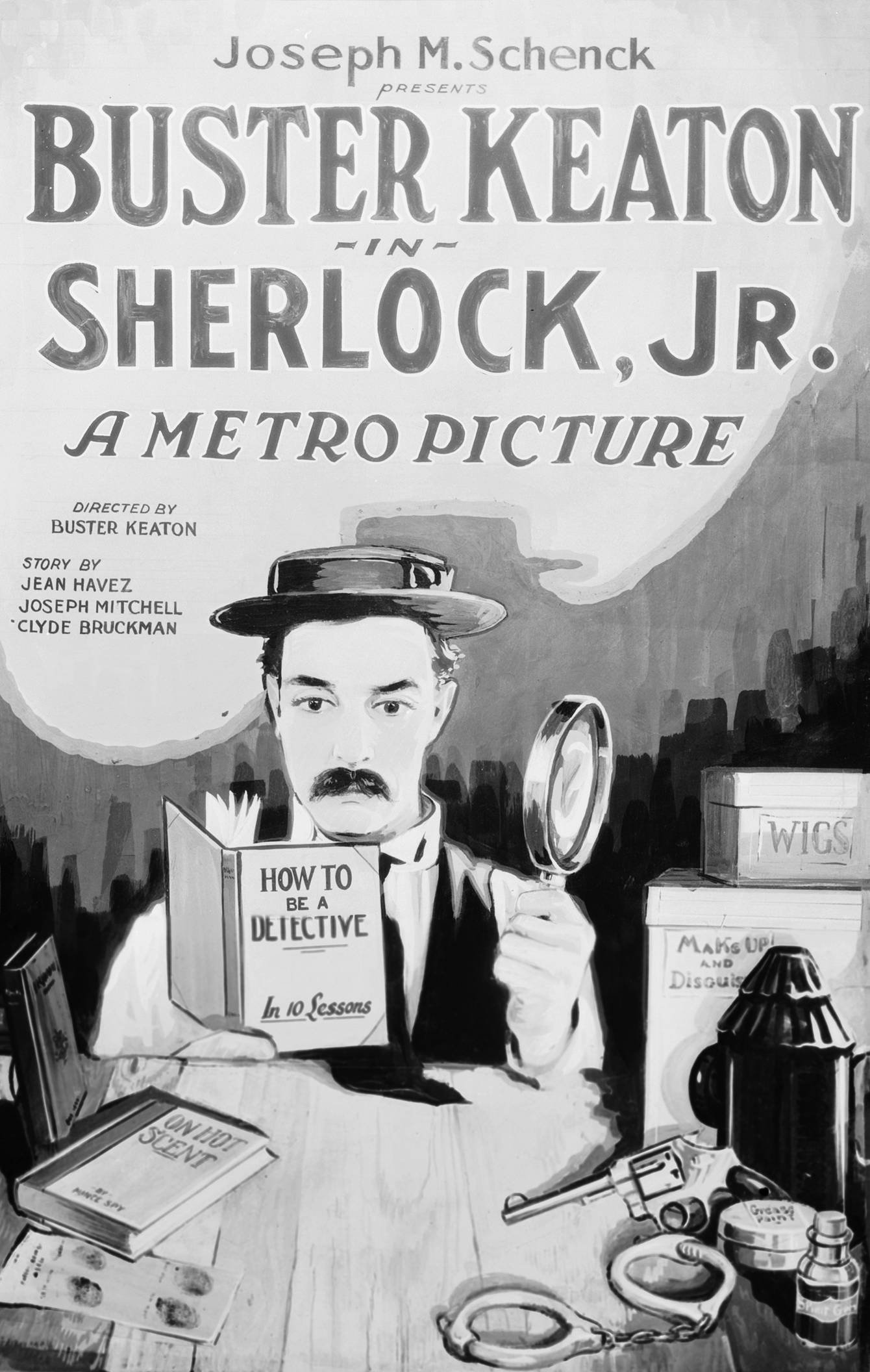
Information
TL;DR
One-line verdict
Buster Keaton’s “Sherlock Jr.” is a masterclass in silent film comedy, blending inventiveness with emotional depth that remains fresh a century later.
Quick reasons to watch or skip
Watch if: You’re a fan of innovative comedic storytelling, visual gags, and the pioneering spirit of early cinema.
Skip if: Silent films don’t appeal to you or if you’re looking for a story driven heavily by dialogue.
What’s the vibe — playful silent-era genius or just old-fashioned?
Tone, humor, and how Keaton’s style holds up today
“Sherlock Jr.” radiates a playful vibrancy that showcases Buster Keaton’s unparalleled genius in visual storytelling. The humor is rooted in the absurd, yet it retains a charming simplicity that’s instantly engaging. Keaton’s deadpan expression contrasts hilariously with the escalating chaos surrounding him, emphasizing the film’s slapstick prowess.
Watching Keaton’s interludes today, you notice how his meticulous physicality still resonates. The precision of his movements—from expertly timed stunts to seamlessly crafted sight gags—demonstrates a level of skill that’s simply mesmerizing. This is comedy that transcends language, making it timeless. In an era filled with fast-paced effects-driven humor, Keaton’s approach feels like a refreshing trip back to the roots of filmmaking.
Is it more technical showpiece or emotional comedy?
“Sherlock Jr.” is a brilliant amalgamation of technical showpiece and emotional comedy. The film showcases groundbreaking special effects and inventive editing techniques, such as the surreal dream sequence that transports Keaton across shifting landscapes. This section feels like an early precursor to modern cinematic magic.
Yet, it’s the emotional core that elevates the film beyond mere technical achievement. The story of an aspiring detective grappling with romantic longing and personal self-doubt gives it heart. Keaton’s almost melancholic quest for validation serves as an anchor, inviting viewers to empathize. Even within the puns and pratfalls, there’s a deeper exploration of ambition, love, and the essence of belief—elements that resonate universally.
What’s the setup? (no spoilers)
The basic premise in one or two sentences
In “Sherlock Jr.,” a humble projectionist dreams of being a renowned detective. When he finds himself framed for a crime he didn’t commit, he enters a fantastical dream world where he must solve the case and win back the love of his life.
Who the main players are and the film’s runtime
Buster Keaton stars as the ill-fated projectionist and would-be detective, embodying both the protagonist’s charm and vulnerability. The lovely Kathryn McGuire plays the object of his affections, while the antagonist remains a sly figure, underscoring the light-hearted tension. Spanning 44 minutes, the film serves as a compact yet rich experience filled with innovation and heartfelt moments.
The beauty of “Sherlock Jr.” lies not just in its pioneering techniques, but in Keaton’s unique ability to weave comedy with genuine emotional aspirations. This film invites both admiration and laughter, solidifying its status as a classic that endures through the ages. If you haven’t yet seen this silent gem, it’s time to experience Keaton’s magic.
What actually works — the good stuff
Performance and physical comedy (Buster Keaton’s strengths)
Buster Keaton’s unparalleled mastery of physical comedy shines in “Sherlock Jr.” It’s not just about the humor; it’s his ability to convey emotion through movement that sets him apart. The subtlety of his facial expressions paired with his precise timing creates an almost poetic rhythm in each scene. The way Keaton interacts with the environment, whether it’s navigating a chaotic chase or engaging with imaginary opponents, adds layers to his performance that resonate even today. His character oscillates between the bumbling detective and a determined hero, allowing audiences to sympathize with his plight while simultaneously marveling at his skill.
Visual inventiveness and film-within-a-film tricks
What makes “Sherlock Jr.” particularly captivating is Keaton’s inventive visual style. The film operates as a precursor to modern meta-narratives, deftly blurring the lines between reality and cinematic illusion. The dream sequence, wherein Keaton falls into a movie projector, serves as a brilliant commentary on the act of watching films itself. The seamless transitions between the real world and the fantastical film he finds himself in are both humorous and intellectually stimulating. Each frame is meticulously crafted, holding the audience’s gaze with clever visual jokes and innovative techniques that keep them engaged.
Pacing, stunt work, and the emotional through-line
Keaton deftly navigates pacing throughout “Sherlock Jr.,” ensuring that even in its quieter moments, the film thrives on anticipation and engagement. The perfectly timed stunts—exemplified in scenes where he appears to defy gravity or fate—balance tension with laughter, making for a dynamic viewing experience. Behind the stunts lies an emotional narrative about aspiration and thwarted love that adds a poignant layer. Every chase and misadventure he undertakes serves a purpose, weaving together slapstick with earnest storytelling.
Music and restoration notes for modern viewers
Recent restorations have illuminated the beauty of Keaton’s work, showcasing a clarity in visuals that enhances the film’s charm for today’s audiences. The score, which often goes unnoticed, plays a vital role in setting the film’s tone. Lively and syncopated, it complements Keaton’s physical comedy perfectly, guiding viewers through his highs and lows. For modern audiences, this musical accompaniment not only reinforces the humor but also breathes new life into the timeless elements of the film—reminding us that silent cinema can be both engaging and memorable.
What doesn’t quite land
Thin plot and a few jokes that feel dated
Despite its charm, “Sherlock Jr.” suffers from a rather thin narrative structure. The basic plot setup—an aspiring detective caught in a comedic love triangle—doesn’t carry much depth, leaving the relationship dynamics feeling somewhat superficial. While several gags land with jovial finesse, certain jokes have aged poorly, losing their impact in our contemporary context. The reliance on tropes typical of the silent film era might not resonate with newer audiences, making parts of the experience feel uneven or lacking the punch expected from a modern comedy.
Silent-era limits or pacing moments that slow things down
Though Keaton’s comic timing is almost flawless, “Sherlock Jr.” still experiences pacing issues characteristic of its time. Extended scenes that linger on setups can lead to moments of lull that break the film’s otherwise brisk pace. The limitations of silent-era storytelling often require viewers to fill in narrative gaps that could have been enriched with dialogue. These pacing irregularities occasionally disrupt the flow, reminding us that while the film’s heart is in the right place, audiences today may crave a tighter structure.
Standout moments (no spoilers)
The dream/film-within-a-film sequence
One of the film’s most notable achievements is its remarkable dream sequence, where reality melts away, and Keaton finds himself trapped within an alternate cinematic universe. The visual effects, although rudimentary by today’s standards, evoke a sense of wonder tinged with nostalgia. This ingenious setup allows the audience to ponder the relationship between the viewer and the film, enhancing the overall thematic weight while amplifying the humor as Keaton dives through a series of absurd scenarios.
The big physical set pieces and a few memorable gags
The sheer scale of the physical comedy and the inventive set pieces—a hallmark of Keaton’s work—deserves special mention. Sequences involving complex stunts and intricate choreography captivate viewers, showcasing not just Keaton’s athletic prowess but also the mindfully constructed world around him. From grand pursuits to intimate misunderstood moments, the film’s funniest gags don’t just induce laughter; they invite viewers to witness the art of cinematic storytelling in motion.
Is Sherlock Jr. worth rewatching?
Silent films often invite curious glances from modern audiences, and “Sherlock Jr.” stands out as a cornerstone of cinematic innovation. Buster Keaton’s 1924 classic marries slapstick humor with ingenious visual storytelling, creating an experience that resonates even today.
Why film fans and casual viewers return to it
The appeal of “Sherlock Jr.” lies in its unique blend of artistry and humor. Fans of cinema appreciate the layered visual gags and Keaton’s impeccable timing—elements that put it on the map of film history. Its mix of comedy and clever narrative techniques captivates viewers, making each rewatch an opportunity to catch what’s missed before. The film’s dream-like sequences invite continual exploration, leading both film scholars and casual viewers to marvel at Keaton’s innovative spirit.
For casual viewers, the charm is simple yet profound. The ability to laugh without dialogue encourages a shared human experience. It’s a film that transcends language barriers, making it appealing regardless of the viewer’s background or familiarity with silent film.
Best ways to rewatch (restored prints, scored versions)
Choosing the right version for a rewatch can enhance the already rich experience of “Sherlock Jr.” Restored prints bring back the vibrancy of the original cinematography, allowing viewers to appreciate Keaton’s work in its full glory. Some releases also feature newly recorded musical scores that elevate the film’s emotional pulls and comedic timing, illustrating how sound can transform visual storytelling.
Consider tracking down a theatrical screening when available. Public screenings often have live accompaniment, adding an element of excitement that aligns beautifully with Keaton’s physical comedy. For viewers who prefer the comfort of home, various streaming services offer restored versions—each providing a slightly different flavor to the classic.
Who will get the most out of it?
“Sherlock Jr.” isn’t just a relic of cinematic history; it is an exploration of physical comedy and filmmaking innovation. But not every viewer will engage with its timeless charm in the same way.
Fans of silent comedy and visual filmmaking
Those who revel in the art of silent comedy will find “Sherlock Jr.” a treasure trove. Keaton’s impeccable use of physicality, along with his brilliant gags, stands as an emotional rollercoaster. Viewers who appreciate the nuances of visual storytelling will be captivated by the depth Keaton brings to silent film characterizations.
There’s a community of film enthusiasts who revel in dissecting the mechanics of what makes this film work—each visual joke and set piece represents a masterclass in timing and creativity. The silent film style invites viewers to focus on physical expressions and settings, a language that speaks both to the heart and mind.
Viewers who prefer modern jokes might be less engaged
However, for audiences accustomed to fast-paced humor and sophisticated dialogue, “Sherlock Jr.” may come off as slow or overly simplistic. The reliance on physical comedy and visual-driven storytelling requires a shift in perception that can be challenging.
Many modern viewers might not resonate with the pacing and rhythm of Keaton’s style. Jokes that rely on visual cues rather than punchlines may feel less impactful, risking disengagement. This contrast in comedic approach makes it a film better suited for those willing to immerse themselves in a different theatrical experience.
How long is it and how’s the pacing?
Running at a crisp 44 minutes, “Sherlock Jr.” achieves a unique rhythm. The short runtime allows for an engaging experience without overwhelming the audience. But how the film uses this time is key to maintaining the viewer’s attention.
Actual runtime and how that affects attention
With its succinct length, “Sherlock Jr.” delivers a punchy experience. Unlike sprawling modern films that could drag on, every moment in Keaton’s work feels purposeful. Its compact nature allows for quick transitions between gags and sequences, preventing the audience from losing interest.
This brevity serves as both an asset and a constraint; while it ensures a dynamic viewing experience, the pacing relies heavily on the comedy’s effectiveness and the viewer’s engagement with the silent film format.
Where the film feels brisk and where it pauses
The film accelerates during its most inventive sequences, where Keaton swoops through elaborate stunts and visual gags. Here, time bends as viewers laugh and gasp in equal measure. These moments showcase Keaton’s genius, where the audience barely has time to breathe amidst the laughter.
However, there are reflective pauses—deliberate moments that invite viewers to internalize the humor. These slowing beats allow Keaton’s character to connect with the audience, adding emotional weight amidst the comedy. It’s a dance of pacing; at times, it’s rapid-fire, at others, a gentle lull that invites contemplation.
Overall, “Sherlock Jr.” stands as an evergreen testament to visual storytelling, inviting new generations to engage with a film that reshaped comedy and animation. Rewatching it reveals its layers, unlocking both laughter and a profound appreciation for cinema’s roots. Keaton might’ve been a silent clown, but his film speaks volumes—it’s a classic that continually earns its place in film history.
Where to watch Sherlock Jr.
While “Sherlock Jr.” remains a beloved classic, tracking down a proper viewing is essential for an authentic experience. Fortunately, there are several reliable sources for restored versions of Buster Keaton’s masterpiece—the kind that does justice to its visuals and charm.
Typical places to find restored versions (Criterion, archives, Blu-ray)
The Criterion Collection is a treasure trove for film aficionados, often curating the top tier of classic cinema. Their Blu-ray release of “Sherlock Jr.” features a stunning 4K restoration, ensuring deep contrasts and rich textures that are crucial for fully appreciating Keaton’s intricate visual humor. Alternative archives and film restoration services, such as the Library of Congress, house historical prints—though viewing these may require a visit to their facilities or specialized screenings.
Exploring digital platforms like Amazon Prime Video or iTunes often reveals rentals or purchases of restored classics, perfect for a personalized viewing. Libraries sometimes carry archival copies, and local art houses frequently host themed screenings that include significant classics like “Sherlock Jr.”
What to look for (original score or new accompaniment)
When selecting a version, the film’s score is a pivotal aspect. “Sherlock Jr.” originally featured a charming, synchronized score that enhances the quirky and poignant moments. Many restored versions come with the original accompaniment, which transports you into Keaton’s world seamlessly. However, some modern interpretations offer new scores that might appeal to contemporary audiences. While experimenting with fresh auditory interpretations can yield intriguing results, the original score often heightens the emotional resonance of the film. Opt for a version that aligns with your viewing preference, but don’t overlook the whimsically genius magic of Keaton’s original comedic rhythm paired with the traditional musical backdrop.
FAQs
Is Sherlock Jr. family friendly?
Absolutely. “Sherlock Jr.” is a perfect family film, with its slapstick humor, inventive visual gags, and universal themes of aspiration and romance. Buster Keaton’s style employs physical comedy that transcends language barriers, making it enjoyable for audiences of all ages. Its light-heartedness ensures it’s suitable for a family viewing night, inviting laughter without inducing any discomfort.
Who’s in the cast and why does Keaton matter?
Buster Keaton leads the cast, embodying the charming yet beleaguered protagonist. Often dubbed “The Great Stone Face,” Keaton’s deadpan expression contrasts brilliantly with his surroundings, contributing to the film’s iconic status. His ability to perform exceptionally complex stunts, often without the use of cutting or modern safety measures, is a testament to his impact on cinema and comedy. Keaton’s commitment to his craft enabled a blend of humor and poignancy that resonates today, influencing countless filmmakers and comedians who came after him.
Is there a trailer or restored version I should look for?
Yes, enthusiasts can definitely find trailers that capture the essence of “Sherlock Jr.” The most accessible source is the official Criterion Collection trailer, which highlights the restoration’s stunning visuals and impeccable comedic timing. Consider seeking out recent promotional content from film festivals that feature classic cinema sections, which might cover this beloved film. The original trailer—while it may lack today’s flair—shows how Keaton was marketed in the silent film era, providing an interesting historical context.
How do modern critics view Sherlock Jr. (Metacritic, Guardian, Reddit chatter)?
Modern critics hail “Sherlock Jr.” as one of the top films in cinematic history. On review aggregator Metacritic, it boasts an impressive score reflecting its masterful craftsmanship and enduring humor. The Guardian consistently celebrates the film for its pioneering approach to visual storytelling and comedy. Reddit threads are filled with passionate discussions dissecting Keaton’s techniques, hidden details, and the film’s broader implications on the silent film genre. The film’s legacy is cemented in the cultural conversation, with many recent critiques drawing parallels between Keaton and current filmmakers, showcasing his enduring influence.
Where can I find a short Sherlock Jr. summary or analysis?
Many online platforms provide succinct summaries and analytical insights for “Sherlock Jr.” Websites like IMDb offer quick synopses, while film critique blogs often delve deeper into themes, character arcs, and cinematographic techniques. For those desiring a comprehensive analysis, essays on academic platforms dedicated to film studies can offer substantial depth. Resources like retrospective articles or podcasts featuring film historians allow for a rich contextual understanding of Keaton’s work and the cultural environment that shaped it.
In short, whether you’re looking for a viewing experience or a thoughtful analysis, the resources available are plentiful, catering to a wide array of film enthusiasts. “Sherlock Jr.” remains not just a film to watch, but a journey into the comedic genius of one of cinema’s most revered figures.