
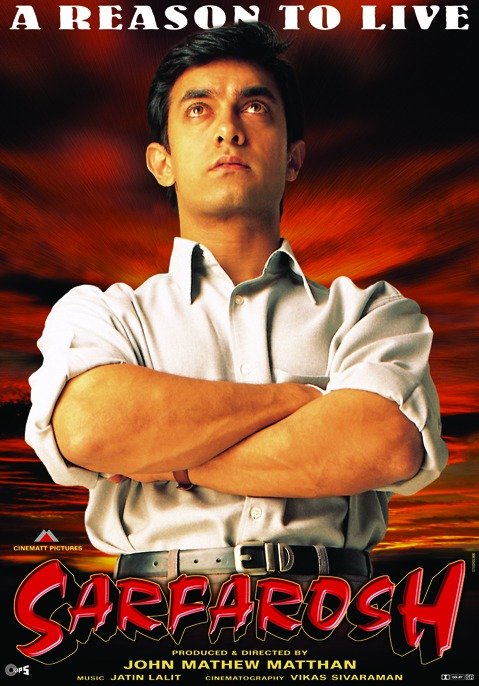
Information
TL;DR — The quick verdict
One-sentence take: is it worth your time?
“Sarfarosh” dips into the gritty world of law enforcement battling corruption and terrorism, delivering a compelling narrative that’s both thrilling and thought-provoking, making it a must-watch for enthusiasts of intense drama and action.
Who will enjoy this most (and who should skip it)
Fans of political thrillers and action-packed dramas will find “Sarfarosh” exhilarating, while viewers seeking light-hearted escapism may want to steer clear. Its emotional depth and complex characters require an investment that might not appeal to everyone.
What kind of movie is this — what’s the vibe?
Tone, genre mix, and how realistic or commercial it feels
“Sarfarosh” embodies a unique blend of action, crime, and drama. This isn’t just a standard thriller; it grapples with real-world issues that make it feel especially pertinent. With a tone that oscillates between somber and intense, the film manages to remain grounded in reality while still delivering commercial appeal through its high-stakes action sequences. The cinematography wows with vivid imagery that accentuates the film’s urgent message, while the character-driven narrative keeps the emotional stakes high throughout.
Emotional temperature: tense, earnest, or crowd-pleasing?
The emotional temperature of “Sarfarosh” hovers on the tense and earnest side. The film exposes the harsh realities of its themes, drawing viewers into moments of both despair and hope. It doesn’t shy away from the weight of its subject matter, allowing for an earnest exploration of duty and sacrifice that resonates deeply. Although there are crowd-pleasing elements, those seeking pure entertainment may be surprised by the film’s heavier undertones.
What is Sarfarosh about (no spoilers)
The basic setup and central conflict in plain terms
At its core, “Sarfarosh” revolves around a cop’s relentless pursuit of justice in a nation grappling with corruption and terror. This central conflict pits the protagonist not only against criminal elements but also against a system that often feels insurmountable. As he dives deeper into the underbelly of crime, the stakes escalate, revealing not just the external enemies, but also the internal ones lurking within government ranks.
The themes the movie leans on (duty, patriotism, corruption, etc.)
The film masterfully navigates themes of duty and patriotism, intertwining them with the looming shadows of corruption. It questions the very fabric of national loyalty while showcasing the moral dilemmas faced by the characters. As the protagonist grapples with their professional obligations, the film highlights the sacrifices made on the altar of service—often at a personal cost. These themes are universal, yet presented with a particular lens that resonates with the socio-political context of its setting, making “Sarfarosh” a narrative as much about personal growth as it is about justice.
Does the story and pacing hold up?
How the plot unfolds and whether it keeps you hooked
“Sarfarosh” sets itself on an ambitious narrative course, blending socio-political themes with personal stakes. The story jumps right into the heart of its protagonist’s journey, capturing viewers from the get-go. The pacing is strategically calculated; we’re introduced to characters swiftly, establishing their desires, fears, and motivations. The intertwining of high-stakes drama with intimate moments keeps the narrative engaging, drawing in both casual viewers and die-hard fans alike.
What’s refreshing is how the film marries urgency with depth. The unfolding story is multifaceted, with layers revealing the complexity of its world. Each scene has a purpose, driving the plot forward while ensuring that character development does not take a backseat. You’ll likely find yourself invested in the characters’ arcs, as they navigate a turbulent landscape marked by conflict and personal turmoil.
Any slow stretches or plot choices that might frustrate viewers
While the pacing is generally solid, “Sarfarosh” does present moments that may test a viewer’s patience. Certain scenes meander, potentially pulling audiences out of the immersive experience. While these stretches may aim to provide further exposition or character depth, the execution sometimes feels repetitive. It risks losing momentum when the narrative lingers a bit too long on details that could have been trimmed, making it feel occasionally drawn out.
Choices made in plot progression may also irk some viewers. Subplots that seem compelling at first can ultimately feel like distractions; they don’t add much to the central conflict or character evolution. Meanwhile, some revelations appear predictable, undermining the film’s earlier tension. Balancing ambitious storytelling with concise pacing is a fine line to walk, and “Sarfarosh” occasionally stumbles in this regard.
How are the performances?
The lead actor(s): what they bring and any scene-stealers
The film shines with its lead performances, serving as the emotional backbone of the entire project. The protagonist, played with charisma and vulnerability, embodies the struggle of an individual caught between duty and personal desires. Their portrayal resonates deeply, making every triumph and setback palpable.
However, it’s not just the lead that captivates. A standout supporting actor delivers a scene-stealing performance that adds significant weight to the narrative. Their presence not only complements the lead but introduces intriguing dynamics that elevate the storytelling even further. This interplay creates rich layers of subtext that audiences can appreciate.
Supporting cast and the villain — who elevates the material
The supporting cast breathes life into the film, each actor adding layers that enrich the central themes. Their performances provide both comedic relief and dramatic weight, anchoring the broader narrative without overshadowing the main plotline. The chemistry between the characters reflects the complexity of relationships, enhancing the movie’s emotional resonance.
The villain, a well-rounded and multifaceted character, serves as a formidable force against the protagonist. Their motivations are not simply evil for the sake of it; they stand on moral grounds that create tension and conflict. This complexity allows the villain to elevate the stakes and add depth to the unfolding drama, making encounters between them and the protagonist all the more riveting.
What actually works — the good stuff
Concrete strengths: writing moments, character beats, realism
“Sarfarosh” benefits from its strong writing, evident in powerful dialogues that echo long after the scene has passed. The screenplay is rife with moments that elicit both laughter and tears, showcasing the writers’ ability to blend humor within serious tones. Character dynamics feel authentic, driven by relatable motivations and conflicts that reflect real-life dilemmas.
Depth is not sacrificed for entertainment; the film captures nuanced perspectives on pressing socio-political issues, drawing parallels to contemporary society. This grounding in realism allows audiences to connect deeply with the story, amplifying the emotional stakes throughout.
Scenes or elements that lift the whole film (dialogue, stakes, authenticity)
The authenticity of “Sarfarosh” is further enhanced by its cinematography and use of symbolism. Visual motifs subtly reflect internal character struggles and thematic depth, elevating the storytelling. There are scenes that stand out distinctly, using visual storytelling to encapsulate intense emotional experiences, leaving viewers with memorable impressions.
Cinematic sequences expertly highlight personal stakes amidst broader social conflicts, effectively marrying individual narratives with larger themes. These elements make the film not just another entry in its genre; it becomes a resonant narrative that provides both thrilling entertainment and thought-provoking commentary.
In sum, “Sarfarosh” finds a sweet spot between character-driven storytelling and societal reflection. It’s a film that audiences will likely find themselves discussing long after the credits roll.
What doesn’t work or feels dated
Weak spots: melodrama, plotting gaps, or tone mismatches
“Sarfarosh” clearly aims to be a serious commentary on the delicate balance of patriotism and societal unrest. However, parts of the narrative feel tragically weighed down by melodrama that detracts from its overarching message. Key moments designed to be emotional often cross into the realm of over-exaggeration, leaving some viewers questioning the authenticity of their portrayals. Whether it’s the dramatic confrontations or the heartfelt monologues, the film stumbles occasionally under its own ambition.
Moreover, the plotting isn’t entirely seamless. Certain narrative threads are left underdeveloped or rushed, which can lead to confusion during crucial plot points. This struggle to maintain tonal consistency from tense action sequences to intimate character moments creates an unpredictable viewing experience. While ambition in storytelling is commendable, the execution here often falls short of expectation, leaving gaps that strain credibility.
Bits that show their age and might bother modern viewers
Some elements of “Sarfarosh” exhibit a dated quality that might alienate contemporary audiences. The film’s approach to relationships, particularly between male and female characters, can come across as archaic or simplistically drawn. Female characters may feel underwritten in their motivations, often serving merely as plot devices rather than fully realized individuals.
Additionally, certain sequences, particularly those highlighting law enforcement and military dynamics, veer into the territory of cliché. This can lead to an ironic detachment from scenes intended to inspire empathy, as these portrayals lack the nuance and complexity that viewers have come to expect from modern storytelling. The film’s narrative, while reflective of its time, often fails to resonate on a deeper level with today’s audiences searching for richer character development and authenticity.
Standout moments (no spoilers)
A few memorable scenes or sequences that stick with you
Among the film’s offerings, certain sequences remain indelibly etched in the viewer’s mind. One such moment is a tension-filled standoff that captures the essence of the protagonist’s struggle — a confrontation that exposes the nuanced risks of morality and justice. The visceral energy of this scene not only impresses from a technical standpoint, but it also embodies the emotional stakes at play, effectively pulling viewers into the gravity of the narrative.
Another standout is a confrontation that unfolds in a crowded market, ultimately serving as a microcosm for larger societal conflicts. The chaos, the cacophony of voices, and the palpable fear all intensify the stakes for the characters involved. These moments serve as the beating heart of the film, reminding viewers why stakes matter.
Why those moments matter emotionally or technically
These standout moments resonate not just because of their excitement but due to their emotional weight and technical prowess. The standoff encapsulates the protagonist’s internal struggle, marrying character development with thrilling action. The audience feels the moral dilemmas faced, connecting emotionally with the stakes at hand.
Furthermore, the production design and choreography during these moments reflect a commitment to authenticity. Each detail, from the sound design to the actors’ performances, immerses viewers in the conflict, eliciting a visceral response that resonates beyond the screen. Such moments remind us that compelling cinema thrives at the intersection of emotional honesty and technical finesse, contributing to a more enriching viewing experience.
Music, visuals, and technical things you notice
Songs and score — do they support the story or just decorate it?
The soundtrack of “Sarfarosh” is a mix of impactful melodies and forgettable numbers. While some songs manage to elevate key emotional scenes, others border on excess, straying from the narrative’s flow. The score, however, stands out with its ability to enhance tension and underscore character motivations. It evokes a nuanced response; the haunting themes align perfectly with the protagonist’s turmoil, making listeners acutely aware of the stakes at play.
Even when the music falters, the best moments resonate because they encapsulate the emotional core of the film. Those who appreciate score-driven storytelling will find that the music serves as more than decoration — it’s a lifeline connecting viewers to the film’s deeper themes and emotional undercurrents.
Cinematography, action choreography, and production values
Visually, “Sarfarosh” presents a compelling aesthetic that aids in storytelling. The cinematography captures the vibrancy of its settings while contrasting starkly with moments of violence and despair. By utilizing dynamic camera movements during action sequences, the film successfully engages viewers, creating a sense of immediacy and urgency.
Action choreography, while at times traditional, employs an intensity that remains captivating. The film’s climax features a sequence that deftly blends choreography with practical effects, leaving a lasting impression. These technical choices showcase an evident attention to quality, reinforcing the film’s narrative ambitions while engaging audiences’ senses.
Production values are commendable, with detailed set designs that frame the story convincingly within its socio-political context. However, certain sequences feel less polished, potentially reflecting budget constraints. Nonetheless, the overall presentation helps elevate “Sarfarosh” beyond typical fare, marking it a more ambitious endeavor within its genre.
In conclusion, while “Sarfarosh” grapples with some inherent flaws, its merits, represented in memorable moments, impactful music, and strong visuals, suggest a film striving to contribute to meaningful discourse. Ultimately, its success or failure may hinge on its ability to resonate with a modern audience increasingly attuned to complex narratives and authentic portrayals.
Is Sarfarosh worth watching again today?
Revisiting Sarfarosh in today’s cinematic landscape reveals its timeless thematic resonance and intricate storytelling. This isn’t merely a film to digest once; its layered narrative and compelling characters invite deeper reflection upon each viewing. The nuances woven into every scene, from the dialogue to the cinematographic choices, suggest that the film rewards the attentive viewer. Its mix of patriotism, personal sacrifice, and moral ambiguity resonates just as poignantly years after its release, making it relevant in discussions around national identity and societal challenges.
Rewatch value and whether it holds up after multiple viewings
What stands out in Sarfarosh is its ability to maintain tension and emotional depth through daily complexities. Each character’s struggle becomes more pronounced with every rewatch. Take the protagonist, for instance: his journey oscillates between personal conviction and the broader moral implications of his actions. With every revisit, we catch subtleties in the character arcs and can appreciate how the film constructs its multilayered context.
The cinematography deserves special mention here, with its ability to draw viewers into the emotional and geographical landscape of the narrative. Each frame feels deliberate. The repetitive viewings reward audiences with an even deeper appreciation of the craftsmanship behind the visual storytelling. Symbolism—like the recurring motifs of sacrifice and courage—remains fresh, prompting viewers to uncover new meanings.
Who this movie is perfect for and who might prefer something else
For avid cinephiles, especially those drawn to meaningful narratives that tackle complex real-world themes, Sarfarosh is a must-watch. Fans of politically charged dramas will find the film’s exploration of patriotism versus personal loyalty intriguing. Additionally, the film’s strong performances—particularly its lead—make it a captivating study in character development.
On the other hand, casual viewers or those looking for light-hearted entertainment might feel overwhelmed by the film’s weightiness. If you prefer narratives with clear-cut morals and predictable plot twists, Sarfarosh might not strike your fancy. Its unflinching look at societal issues might challenge one’s comfort zone, which could deter those seeking escapism in film.
FAQs
Who stars in Sarfarosh and who directed it?
Sarfarosh is led by the dynamic Aamir Khan, whose portrayal of the earnest police officer illustrates a compelling conflict between duty and personal beliefs. He is joined by a talented ensemble that includes Naseeruddin Shah, who delivers a memorable performance as the film’s antagonist. The direction, helmed by the acclaimed John Matthew Matthan, brings a masterful touch to the screenplay, balancing action sequences with emotional depth. This combination of stellar performances and adept direction elevates Sarfarosh into a realm where it continues to engage viewers.
What does Sarfarosh mean and where can I watch it (streaming/home video)?
The term “Sarfarosh” translates to “fervent” or “zealous” in Urdu, aptly encapsulating the film’s core themes of zealotry, sacrifice, and commitment to one’s beliefs. If you wish to explore this compelling film, Sarfarosh is accessible for streaming on various platforms, including Netflix and Amazon Prime Video. For those who prefer physical media, the DVD version includes special features such as behind-the-scenes footage and commentary, enriching the viewing experience further.