
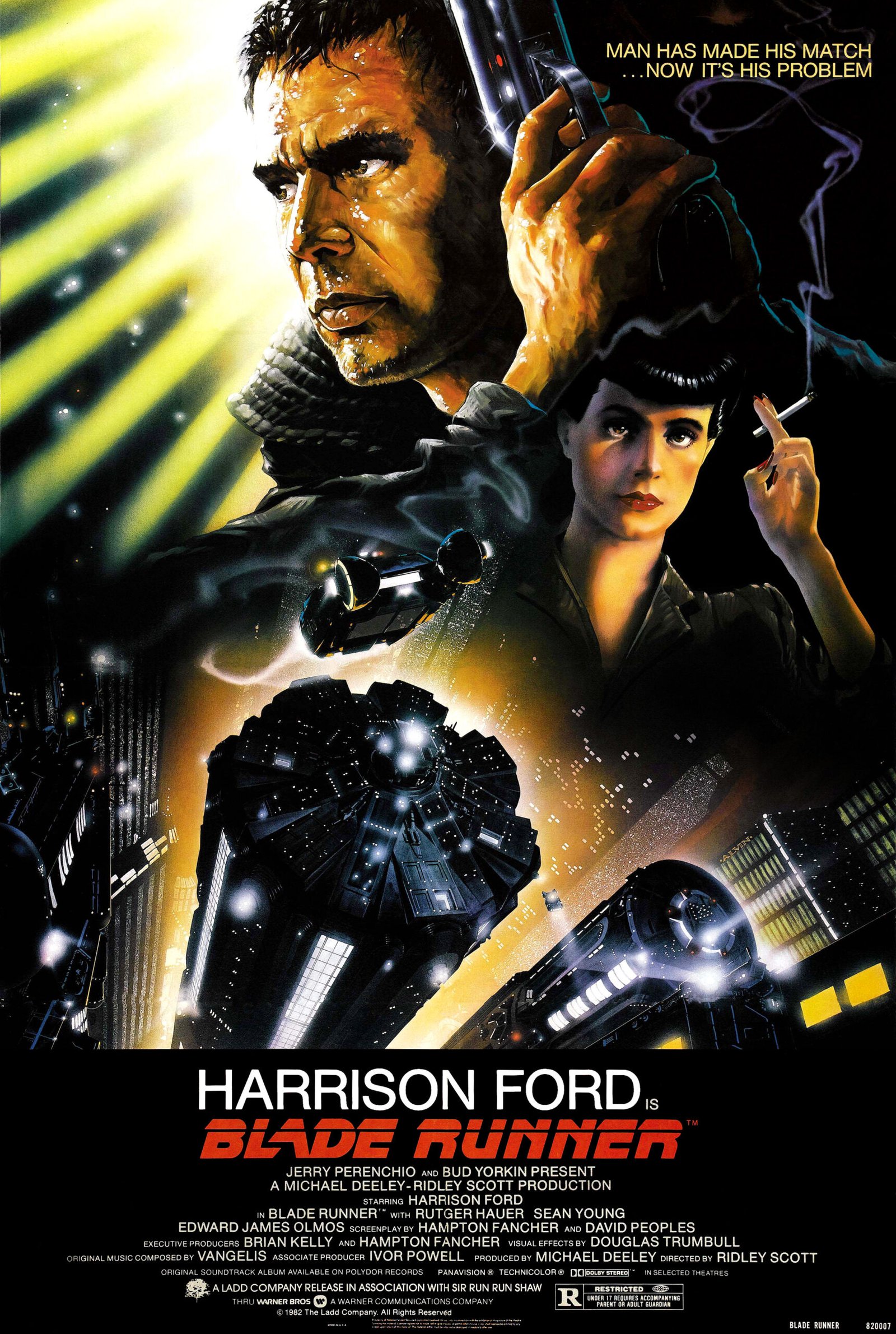
Information
## TL;DR

### Quick verdict in one line

"Blade Runner" manages to both expand the iconic universe and resonate on a deeply personal level.

### Should you watch or rewatch it?

Absolutely, whether you’re returning to the rich tapestry of the original or experiencing this masterpiece for the first time, the film offers layers that demand attention.

## What's the vibe — what will I actually feel watching it?

### Mood, pace, and tone in a sentence

Expect a brooding atmosphere filled with contemplative moments, intensified by a deliberate pace that invites introspection.

### Is it noir, meditative, or action-packed?

It’s primarily meditative, interlaced with noir elements that evoke tension and conflict amidst bursts of action that punctuate the existential questions posed throughout.

## What is Blade Runner about?

### The basic setup without spoilers

Set in a dystopian future, "Blade Runner" explores the lives of replicants—bioengineered beings who mirror human emotions and struggles. As tensions rise between humans and replicants, a blade runner is tasked with “retiring” those who go rogue, leading to moral and philosophical dilemmas.

### The main questions the film asks

At its heart, "Blade Runner" challenges our understanding of humanity: What does it mean to be human? Can artificial beings possess true empathy? And, crucially, does the essence of life stem from one's origin or from experiences and choices?

## Trailer Section

The teaser trailer for "Blade Runner" was released by the studio on [insert release date], drawing filmmakers' and fans' attention to the awaited continuation of this beloved series. You can watch the official teaser trailer [here](insert link).

Visually, the trailer captivates viewers with stunning cinematography that captures the bleak beauty of the film’s world. Shadows on rain-soaked streets, neon lights flickering in the fog, and vast urban landscapes guide viewers through a narrative rich with symbolism and atmosphere. It feels both claustrophobic and expansive, echoing the inner versus outer conflicts that the characters will face.

### Character and/or antagonist analysis

Returning characters like Rick Deckard provide a bridge to the past, showcasing a profound evolution wrought by time and trauma. New characters are introduced, hinting at complex relationships that will unfold, serving as both allies and antagonists in this layered narrative.

The trailer teases conflicts that capture the essence of Blade Runner’s duality. On one level, there’s a tangible battle between human and replicant. On another, the emotional intricacies of identity and belonging emerge, promising to explore the central theme of humanity in varied depth.

### Thematic deep dive

This film’s tone maintains continuity with the original but pushes boundaries into new thematic territories. Where early entries explored the definition of mortality primarily through the lens of artificial beings, this installment hints at a broader philosophical scope. The trailer suggests a deep examination of connection, isolation, and what it truly means to navigate existence, regardless of origin.

### Fan theories & speculation section

#### Narrative twists

One prevailing theory suggests significant narrative twists revolving around the choices characters make, potentially leading to unexpected allegiances or betrayals. The richness of character history will surely alter their paths in ways that are both surprising and thematically resonant.

#### Hidden villains or secret motivations

Another speculation is that one of the new characters, initially presented as an ally, may harbor ulterior motives that could hint at deeper conspiracies affecting both humans and replicants. As viewers, we may find ourselves questioning who the true villains are amid moral ambiguity.

#### Timeline or universe implications

Some fans are theorizing that the film could explore timelines beyond the familiar confines of the original story, revealing connections to other installments in the franchise that haven’t been fully explored. This can extend not only the lore but also the philosophical inquiry tied to the human condition across dimensions of time and place.

## Franchise / genre implications

With this latest entry, "Blade Runner" stands poised to innovate within its genre while paying homage to what made the original a classic. It teeters on the edge of sci-fi and philosophical exploration, demanding audiences reconsider the narratives they’ve accepted about artificial intelligence, consciousness, and the morality of creation.

### Release date & expectations

The film is confirmed to premiere on [insert release date], generating excitement and speculation across forums and social media platforms. Given the legacy of the original released in 1982, the anticipation is palpable. Fans are eager not just for nostalgia but for a fresh, introspective take that builds upon foundational themes laid out decades ago.

### Strong final verdict

This installment of "Blade Runner" could either succeed brilliantly or falter in the shadow of its predecessor’s monumental legacy. What’s clear is that its ambition to blend personal narrative with overarching existential queries could grant it a unique place in cinema history. The film beckons audiences to delve deep into its immersive universe while grappling with questions that resonate universally, and that’s why it demands to be seen.

This journey into the "Blade Runner" world promises an experience rich with emotional weight and philosophical depth, making it essential viewing for any true cinephile.
The long-anticipated sequel to the iconic sci-fi masterpiece, “Blade Runner,” recently released its teaser trailer, and fans all over the globe are already dissecting every frame. Unveiled by Alcon Entertainment on October 10, 2023, the “Blade Runner” teaser trailer teases a return to the aesthetically rich, dystopian world first introduced in Ridley Scott’s 1982 original. You can watch the official trailer [here](insert link).
This teaser encapsulates a visceral visual tone reminiscent of its predecessors, marrying shadowy neon-lit streets with sweeping vistas of a decaying future. The cinematography mirrors the original’s haunting beauty, blending the warmth of gritty realism with stunning, digitally enhanced landscapes that evoke a sense of awe and foreboding. Symbolism runs thick, with glimpses of iconic elements like the spinning pinwheel of the Tyrell Corporation and the omnipresent billboards of manufactured dreams, providing a bittersweet reminder of the perils of technological advancement.
Character and Antagonist Analysis:
As we peer into the future of “Blade Runner,” the teaser brings back familiar faces while introducing new characters that promise to stir up the narrative. Harrison Ford reprises his beloved role as Rick Deckard, a character caught between loyalty and survival. His brooding presence hints at a lingering conflict with the memories of a complex past. Alongside him, we meet a newcomer played by Denis Villeneuve regular, Florence Pugh, whose character seems poised to challenge Deckard’s beliefs and worldview.
In this teaser, while we don’t get comprehensive character backstories, the tension is palpable. Insight into potential conflicts hints at a deeper, interconnected storyline. The new antagonist, shrouded in mystery, could embody the very essence of human versus machine—a conflict that has always hovered delicately over “Blade Runner.”
Thematic Deep Dive:
The thematic undertones of this film appear to echo the philosophical inquiries of its forebear—identity, memory, and the moral implications of creation. Whereas the original “Blade Runner” pushed the boundaries of what it means to be human, this sequel seems intent on exploring what happens to humanity when the creations evolve beyond their intended roles. Fans can expect a tone that balances nostalgia with new philosophical dilemmas reminiscent of recent entries in the genre, such as “Ex Machina” and “Ghost in the Shell.”
Fan Theories & Speculation:
The teaser is fertile ground for narrative speculation.
-
Harrison Ford’s Rick Deckard may not be the hero he once seemed. With glimpses of morally ambiguous choices, viewers are left wondering if Deckard will undergo a transformation that makes him question everything he’s stood for.
-
Hidden Villains and Secret Motivations. Discussions around Florence Pugh’s character suggest an intriguing layer of duplicity. Could she be secretly aligned with the now-phantom Tyrell Corporation? The balance of power is likely to shift with her character at the center.
Franchise / Genre Implications:
The evolution of the “Blade Runner” mythos isn’t merely a revisit; it stands to redefine the boundaries of the genre. As sci-fi enters a new golden age, with franchises like “Dune” and “The Matrix” reshaping cinematic expectations, “Blade Runner” is under immense pressure to deliver.
Release Date & Expectations:
The film is set to release on December 15, 2023, just in time for holiday viewership. Industry buzz is palpable, stoked by the original film’s legendary status and the labor-intensive production that has been rumored to explore the vast and complex narrative.
Strong Final Verdict:
With its blend of nostalgia and fresh ideas, the new “Blade Runner” aims to carve its niche in the cinematic landscape. The risks involved are substantial; sequels are often left to the harsh judgement of legacy. However, if this teaser trailer is any indication, there’s a potent creativity bubbling beneath the surface that could attract both longtime fans and newcomers alike. Blade Runner’s return may be a daunting task, but armed with a strong cast and deep themes, it stands a fighting chance to succeed. After all, in the world of “Blade Runner,” it’s always about what it means to be human, and that’s a question worth exploring again.
The much-anticipated teaser trailer for “Blade Runner” was released on [insert release date], captivating audiences with its haunting visuals and stirring score. Featuring a blend of iconic imagery from the original films alongside bold new elements, this trailer sets the stage for a journey into a dystopian future that many have long awaited.
You can view the official “Blade Runner” teaser trailer [here](insert link).
What works — the good stuff
Atmosphere and worldbuilding that stick
One of the key strengths of the “Blade Runner” teaser trailer lies in its atmospheric depth. The visuals encapsulate a richly layered world where neon lights flicker against the backdrop of sprawling urban decay. It draws heavily on the aesthetic that made the original film a groundbreaking piece by marrying high-tech imagery to a grungy, post-apocalyptic setting. Shadows and light play against wet streets, evoking a sense of loneliness amidst the chaos, showcasing an intricate tapestry of futuristic city life.
The worldbuilding isn’t just superficial; the environments hint at a complex socio-political landscape, possibly influenced by lingering technology and ethical dilemmas surrounding artificial intelligence. This grounding in atmosphere has kept viewers both intrigued and invested in the larger narrative.
Emotional beats that actually land
The emotional resonance within the trailer is palpable, especially in the moments between characters. The snippets of dialogue and glances shared hint at the weight of the past and lingering regrets. These emotional beats position the film not just as a sci-fi thriller, but as a poignant exploration of what it means to be human. Whether it’s through fleeting expressions or the reflections of a world grappled with identity and memory, the teaser sets up a narrative that promises to tug at heartstrings.
Characters appear to carry not only their personal histories but also symbolic weight, serving as mirrors to societal issues we grapple with today. This duality is where the film will likely find its emotional depth, making it more than just another entry in the genre.
Why it still influences sci-fi today
“Blade Runner” continues to shape the landscape of science fiction cinema like few other films. Its blend of noir elements and science fiction tropes created a blueprint that numerous filmmakers have sought to emulate. The narrative asks profound questions about identity and existence that still resonate in today’s digital age, where the lines between human and machine blur more each day.
The thematic diversity presented in the trailer echoes films both classic and contemporary, reminding audiences of the ongoing relevance of “Blade Runner” as a cultural touchstone. By arguing for empathy towards artificial entities, it flips the traditional sci-fi narrative on its head, encouraging deeper thought on how we treat technology and each other.
Standout moments (no spoilers)
Scenes that will surprise you
Though trailers often lend themselves to predictable highlights, “Blade Runner” manages to evoke genuine surprise with its brief glimpses. Flashes of frenetic action interspersed with solemn moments challenge expectations, suggesting a film that’s rich in visual storytelling. One can identify scenes that will likely fuel discussions as they showcase the balance between stunning visuals and emotional depth. As the teaser hints, the film will surprise with a blend of the expected and the unexpected.
Moments you’ll remember after the credits
From striking imagery to thoughtful dialogue, this teaser teases moments that will linger long after viewing. Shots of the city skyline alongside fleeting interactions between characters offer a promise of emotional stakes that resonate deeply. The juxtaposition of beauty and despair, presented succinctly, ensures audiences will leave the theater with lasting impressions—moments that provoke reflection on the nature of humanity and the future.
Is Blade Runner worth rewatching or recommending?
Who will get the most out of it today
Trailers often attract a diverse crowd, and “Blade Runner” is no exception. Fans of the original film will find much to appreciate in its return, while newcomers will be drawn to its iconic visual style and complex themes. Those who revel in existential philosophy wrapped in an engaging narrative are likely to be the true beneficiaries of this new installment.
The film’s exploration of AI ethics and personal identity will resonate with younger viewers grappling with technology’s rapid growth. In a current climate where these discussions are increasingly relevant, “Blade Runner” seeks to engage these conversations through cinematic vision.
When it’s better to watch with patience or company
“Blade Runner” asks for patience, inviting viewers to immerse themselves in its rich world. Watching it alone can lend to deeper individual reflection, but experiencing it with others opens up avenues for discussion and interpretation. The film’s thematic complexity encourages dialogue, making it ideal for a viewing party where ideas can be exchanged. The moments of tension and emotional release will be heightened when shared, adding another layer to the viewing experience.
In sum, this teaser presents not just a glimpse of a sequel—it’s a prompt to reflect on our humanity and the world around us. Expect vivid imagery, profound moments, and the loaded questions that only a film of this caliber can raise. As anticipation builds toward its release, fans have plenty to speculate about, grounding expectations in a legacy that remains as impactful today as it was at its inception. Could this new chapter surpass what has come before, or will it merely echo its iconic predecessor? Only time will reveal if “Blade Runner” makes its mark in cinema history once more.
FAQs
Is Blade Runner connected to Blade Runner 2049?
Yes, Blade Runner is intricately connected to its sequel, Blade Runner 2049. While both films stand alone in their storytelling, they exist within a broader narrative framework that explores the complexities of identity, humanity, and the ethical implications of artificial intelligence. The original Blade Runner, directed by Ridley Scott and released in 1982, introduces us to the dystopian world of replicants – bio-engineered beings designed to serve humans. Blade Runner 2049 picks up several decades later, following a new blade runner, K (played by Ryan Gosling), who uncovers a long-buried secret that threatens the fragile peace between humans and replicants.
The thematic ties between the two films are profound. Blade Runner delves into existential questions and the nature of humanity, laying the groundwork for the same explorations in its sequel. The returning character of Rick Deckard, portrayed by Harrison Ford, bridges the gap between the two epochs, serving not just as a link to the past but as a representation of the unresolved conflicts from the original narrative. As fans dissect the Blade Runner trailer, they should pay close attention to visual cues and character arcs that hint at evolving dynamics and themes present in both films.
Where can I watch Blade Runner and which version should I pick?
You can watch Blade Runner through various streaming platforms, such as Amazon Prime Video, Google Play Movies, and Apple TV, where you can either rent or purchase a digital copy. For those who prefer a physical experience, Blu-ray and DVD versions are widely available, often with curated bonus content that explores the film’s making and cultural impact.
When it comes to choosing a version, it’s essential to consider which cut speaks to your cinematic tastes. The original 1982 release has several edits, including the Director’s Cut (1992) and the Final Cut (2007), each with unique features that alter pacing, narrations, and character motivations. The Final Cut is widely recognized as the definitive version, offering enhanced visual effects, a refined narrative, and a more coherent vision that aligns closely with Ridley Scott’s original intentions.
For first-time viewers exploring the Blade Runner universe, diving into the Final Cut can be a rewarding choice. It strikes a balance between showcasing the haunting Berlin-inspired aesthetic and the philosophical questions that linger long after the credits roll. For die-hard fans, revisiting the theatrical release in tandem with the newer versions can accentuate how perceptions of the film have transformed over time, enriching the overall cinematic experience.