
Information
TL;DR
Quick verdict
Zack Snyder’s Justice League is an ambitious reimagining of the beloved superhero ensemble, infused with Snyder’s distinct visual flair and deeper character explorations. Fans of the director’s previous works will appreciate the tonal consistency and the new, darker layers added to the narrative. It’s a bold statement piece that pushes the boundaries of the superhero genre.
Run time and whether it’s worth the commitment
Clocking in at just over four hours, the film demands attention and commitment. While some may find this daunting, the expanded runtime allows for rich storytelling and character development, arguably making it worth the investment for die-hard DC fans and Snyder loyalists.
What’s the vibe and tone?
One-line mood check
Expect an intense, brooding atmosphere that blends epic moments with sincere character arcs, all wrapped in Snyder’s signature visual poetry.
Is it more dark, epic, or earnest?
Zack Snyder’s Justice League leans heavily into the dark and epic, exploring the struggles of its characters against malevolent forces. Yet, beneath the surface, it carries an earnest exploration of heroism and sacrifice, highlighting the personal stakes involved in the broader conflict. Unlike its predecessor, this iteration refrains from shallow skirmishes, instead delving deep into emotional landscapes and moral dilemmas.
Does the story actually work?
Major beats you need to know (no spoilers)
The narrative pivots around the urgency of uniting a group of super-powered individuals against a looming threat. This version delves more into the motivations of each character, showing what drives them to fight and what personal demons they confront along the way. Expect character arcs that arc significantly beyond just superhero brawls — themes of loss, responsibility, and redemption are richly woven throughout.
How the pacing holds up across its length
While some critics may argue that a four-hour runtime might hinder the pacing, Zack Snyder’s Justice League tends to flourish with its deliberate tempo. Each chapter builds momentum, making it feel less like a slog and more like an epic journey. The interludes between action sequences provide room for breath, allowing for intimate character moments that make the stakes feel palpable. Each transition between sequences captivates attention, elevating emotional stakes while sustaining engagement throughout its lengthy duration.
### Are the performances convincing?

Zack Snyder's "Justice League" stands as a pivotal moment in superhero filmmaking. For a lot of fans, the film's success will hinge on its performances, and they undoubtedly deliver. Each actor brings something unique to their respective roles, creating a tapestry of character dynamics that enrich the overall narrative.

#### Key standouts and why they matter

Ben Affleck’s portrayal of Bruce Wayne is more layered this time around. He carries the weight of his decisions with the gravitas of a man trying to atone for his past, offering a vulnerable side rarely explored in prior iterations of the character. His scenes with Gal Gadot's Diana Prince shine especially bright, as they convey both camaraderie and tension that resonate with the audience.

Henry Cavill also carves out significant moments as Superman. The emotional stakes feel higher, as the film doesn’t shy away from the fallout of his earlier actions. His brief interactions with Lois Lane, played by Amy Adams, become poignant flashes of hope in an otherwise dark narrative.

Ray Fisher’s Cyborg is perhaps the film's emotional core. His journey from isolation to acceptance is compelling and timely, reflecting broader themes of identity and trauma. When he uttered, “I’m not broken, and I’m not alone,” it struck a chord, establishing him as more than just a superhero; he’s a symbol of resilience.

#### Supporting players and smaller moments that count

The film’s supporting cast also brings depth and nuance. Ezra Miller's Flash injects levity but also the urgency of a young hero finding his place in a larger conflict. His interactions, particularly with Cyborg, serve as a reminder that teamwork and understanding can be forged in the most unlikely circumstances.

Small moments, such as Alfred Pennyworth's sardonic remarks and Martha Kent's nurturing wisdom, provide grounding emotional beats. These characters may not be central to the conflict but their roles are crucial, accentuating the stakes and adding layers to the narrative.

### How does it look and sound?

The cinematic language of Snyder’s "Justice League" paints a striking picture. The visuals and sound design go hand-in-hand, offering a sensory feast that immerses viewers deep into its world.

#### Visuals, effects, and cinematography

Snyder has always had a distinctive visual style, and "Justice League" is no exception. The color palette is richer and more varied compared to its predecessor, invoking a sense of epic scope. From grand landscapes to the intricate details of the character costumes, the film exudes artistry.

CGI and practical effects blend seamlessly, enhancing the film's grandiose moments. The sequences featuring Steppenwolf are awe-inspiring. His design, while still fearsome, comes with an added depth that elevates him beyond a mere antagonist to a formidable foil to our heroes.

#### The score, sound design, and how they sell the emotion

The score, composed by Junkie XL and Hans Zimmer, is another triumph. It complements the emotional arcs of the characters beautifully, elevating scenes from mere spectacle to poignant storytelling. The memorable themes resonate well beyond the screen, imbuing even the quieter moments with weight.

Sound design also plays an essential role in selling the film's emotions. Each punch, explosion, and whispered conversation feels visceral, rooting the audience in every scene. The combination of overwhelming sound and stunning visuals creates a truly immersive experience that resonates long after the credits roll.

### What are the best parts?

In a film with so many moving pieces, certain moments stand out more than others. These are the scenes that not only captivate but also linger long after viewing.

#### Character moments that land

The character-driven scenes often overshadow the action sprawls. The camaraderie forged during pivotal team-up sequences showcases Snyder's knack for character work, highlighting their growth and relationships. Cyborg’s revelation about his abilities is a standout moment. It's a moment of empowerment; he steps into his own as both a hero and as a person grappling with his past.

Flash’s comedic timing during a high-stakes rescue adds a charming levity, juxtaposed beautifully against the darker tones of the narrative. Equally, the moments of vulnerability—Diana’s reflections on loss, Barry’s youthful energy—offer a layered emotional experience that enhances their overall arcs.

#### Set pieces and scenes that stick with you

The film's action set pieces are jaw-droppingly exhilarating. The climactic battle against Steppenwolf is both visually stunning and narratively satisfying, interweaving each character's arc while maintaining a breakneck pace.

The slow-motion sequences are particularly striking, allowing viewers to savor the weight of their choices and actions. The final moments, where the heroes stand united against seemingly insurmountable odds, encapsulate the essence of what teamwork and hope can achieve.

As the final act unfolds, moments of sacrifice and triumph bubble to the surface, ensuring that they’ll stay etched in the minds of viewers. Snyder's "Justice League" isn’t just a movie; it’s an immersive experience that electrifies and engages on multiple levels.

With a thoughtful blend of character development, emotional depth, and spellbinding visuals, this version of "Justice League" stakes its claim as a monumental entry in the superhero genre. It offers both a fresh perspective and a deeper examination of its characters, leading to an engaging cinematic experience that fans have been longing for.
What are the weak spots?
Zack Snyder’s Justice League is widely discussed for its ambitious scope and transformative vision, but it isn’t without its flaws. In examining the nuances of the film, certain weak spots reveal themselves, particularly in pacing and tonal consistency.
Where it overstays or repeats itself
Clocking in at a hefty four hours, the film stands as both a triumph and a trial for viewers. Snyder’s tendency to linger on certain scenes contributes to an immersive experience, yet it sometimes pushes that immersion to its limits. Some sequences feel elongated, clinging to their emotional weight longer than necessary. The result is a film that can feel padded, with moments that might benefit from a more disciplined editorial touch. Extended action sequences, while visually arresting, occasionally veer into repetitive territory, causing viewer fatigue, especially in the film’s latter halves.
Tone issues, CGI hiccups, and narrative clutter
A prominent aspect that creates friction is the film’s tonal inconsistency. Snyder’s dark and brooding style clashes at times with the more frenetic, bombastic moments expected from a superhero ensemble. While some of the character arcs demand seriousness, the overall experience can feel cluttered when combined with the lighter elements. Additionally, while the CGI work stands out in many sequences, a handful of effects don’t hold up under scrutiny, leading to moments that pull viewers out of the experience. Coupled with an already dense narrative filled with various plots and subplots, these elements can cloud the film’s core message and thematic aspirations.
What are the standout moments (no spoilers)?
Despite its shortcomings, Zack Snyder’s Justice League is peppered with standout moments that leave lasting impressions. It’s in these sequences that the heart of the film resonates strongly and reminds us why we gravitate toward these larger-than-life characters.
Sequences that surprise or thrill
There are moments in Snyder’s cut that transcend traditional superhero fare and plunge deep into the emotional and the unexpected. The action choreography is meticulously crafted, giving viewers sequences that evoke a blend of awe and engagement. A surprising depth unfolds during battle scenes, enriching them beyond mere spectacle. Character interactions reveal complexities that make the stakes feel real, heightening the thrill for audiences invested in their journeys.
Emotional beats worth waiting for
What ultimately distinguishes Zack Snyder’s Justice League is its emotional resonance. Several key moments that explore sacrifice, vulnerability, and camaraderie shine through, offering viewers not just thrills, but rewards for their patience. These emotional beats, while meticulously placed within the runtime, have a lingering effect, reminding us of the sacrifices these heroes make—not just in battle, but in their personal lives.
Is Zack Snyder’s Justice League worth rewatching?
For many, the allure of Zack Snyder’s Justice League lies not just in its initial viewing, but in the depth that unfolds upon multiple watches. The film serves as a rich text that can be explored beyond its sprawling surface.
First-time viewers versus returning fans
First-time viewers might find themselves overwhelmed by the sheer volume of content and character arcs. The length and pacing require an investment. However, returning fans of Snyder’s style and previous films may appreciate the subtleties woven into the narrative, leading to a deeper understanding of character motivations and overarching themes. This dichotomy offers distinct experiences, provoke the question: why might first-timers miss what seasoned fans revel in?
When a rewatch pays off
The beauty of Zack Snyder’s Justice League lies in its layered storytelling; a rewatch can unlock nuances that first-time viewers might not notice. With its callbacks to earlier DCEU entries, an extra viewing allows fans to catch foreshadowing and deeper character intricacies, enriching their overall understanding of the universe. The film’s ambitions require time and contemplation, making it a rewarding experience to return to, especially for those eager to dissect its themes of hope, redemption, and unity.
In the end, Zack Snyder’s Justice League stands as a polarizing but undeniably ambitious entry in the superhero genre. With its daring choices and unique storytelling lens, it asks more from its audience—and promises richer rewards for those willing to engage with it fully. The film could either usher in a new wave of favor for Snyder’s works or expose the cracks in an overstuffed narrative. Ultimately, it challenges the viewer to consider what truly makes a hero—an exploration worth pursuing through further watches.
What should you know before you press play?
Runtime, versions, and where to watch
Zack Snyder’s Justice League runs approximately four hours, a substantial length that reflects Snyder’s comprehensive vision of the iconic superhero team-up. This version of the film, also referred to as the “Snyder Cut,” offers a deeper narrative, fleshed-out character arcs, and an overall more cohesive story compared to the original 2017 theatrical cut. It is divided into six chapters plus an epilogue, inviting viewers to engage with each segment at their leisure.
You can stream Zack Snyder’s Justice League exclusively on HBO Max, the platform that originally championed its release following an intense fan campaign. This was a significant moment in not just the DCEU’s evolution, but also in the broader realm of film distribution, demonstrating the power of fan influence in shaping cinematic releases.
Content warnings and viewing tips
Before diving in, viewers should be aware that Zack Snyder’s Justice League contains significant dark themes, intense violence, and moments of emotional turmoil. The film features graphic scenes that may be unsettling for younger audiences or sensitive viewers. The film’s more intense tone should also be noted; expect depictions of grief, loss, and existential struggles that add layers to the superhero genre.
Given the film’s length, it might be wise to prepare for a mini-marathon. Settle in with snacks and take breaks between chapters if necessary. This approach can enhance the viewing experience, allowing for a more digestible, reflective engagement with its multifaceted narrative.
Who is this for?
The kind of viewer who’ll love it
Zack Snyder’s Justice League is tailor-made for die-hard comic book fans and those who love in-depth, character-driven narratives. It’s also a feast for viewers who appreciate Snyder’s unique stylistic choices, such as his use of slow-motion and his distinctive visual storytelling. Fans of previous DCEU films will likely find a much richer lore and context within this version, bringing new life to established characters.
Moreover, if you enjoy narratives that explore moral grey areas and complex themes of heroism and sacrifice, this film will resonate with you. The emotional stakes are higher than in the original cut, making it a compelling watch for those seeking depth over superficiality.
Who might want to skip it
Those who favor lighter, family-friendly superhero fare might find themselves at odds with the dark and contemplative tone of Zack Snyder’s Justice League. Its runtime also makes it impractical for viewers who prefer shorter films or have limited time for a single viewing. Additionally, viewers who weren’t fans of Snyder’s earlier DCEU offerings may also want to proceed with caution, as this cut maintains many of his signature elements that might not appeal to everyone.
FAQs
Is Zack Snyder’s Justice League worth watching?
Yes, for fans of the genre, it’s a significant evolution in superhero cinema that adds depth and gravity to a franchise that has often been critiqued for its inconsistencies. The rich character development, elaborate world-building, and Snyder’s unmistakable directorial touch make it a compelling watch.
Is Zack Snyder’s Justice League better than the original 2017 theatrical cut?
Most reviews and viewer responses strongly suggest it is. This version addresses many of the narrative gaps present in the theatrical cut, offering a more cohesive and satisfying story arc. Character motivations are clearer, and their journeys feel more rewarding due to expanded screen time and richer development.
How long is Zack Snyder’s Justice League?
The film runs approximately four hours, divided into six chapters to facilitate viewing. It’s a commitment, but one that many fans have embraced as part of experiencing Snyder’s complete vision.
Where can I watch Zack Snyder’s Justice League?
Zack Snyder’s Justice League is available for streaming exclusively on HBO Max. It was a landmark release for the platform, showcasing the potential of direct audience engagement in determining what films get produced.
Are there new scenes compared to the 2017 release?
Yes, this version contains significant new scenes, including several character arcs that were excised from the theatrical cut. These additions provide depth to both heroes and villains, enhancing motivation and personal stakes throughout the film.
Is there a Zack Snyder’s Justice League 3?
As of now, there is no confirmed Zack Snyder’s Justice League 3. However, Snyder has expressed interest in continuing the story, contingent on audience demand and future developments with Warner Bros. and DC Films.
Who’s in the cast of Zack Snyder’s Justice League?
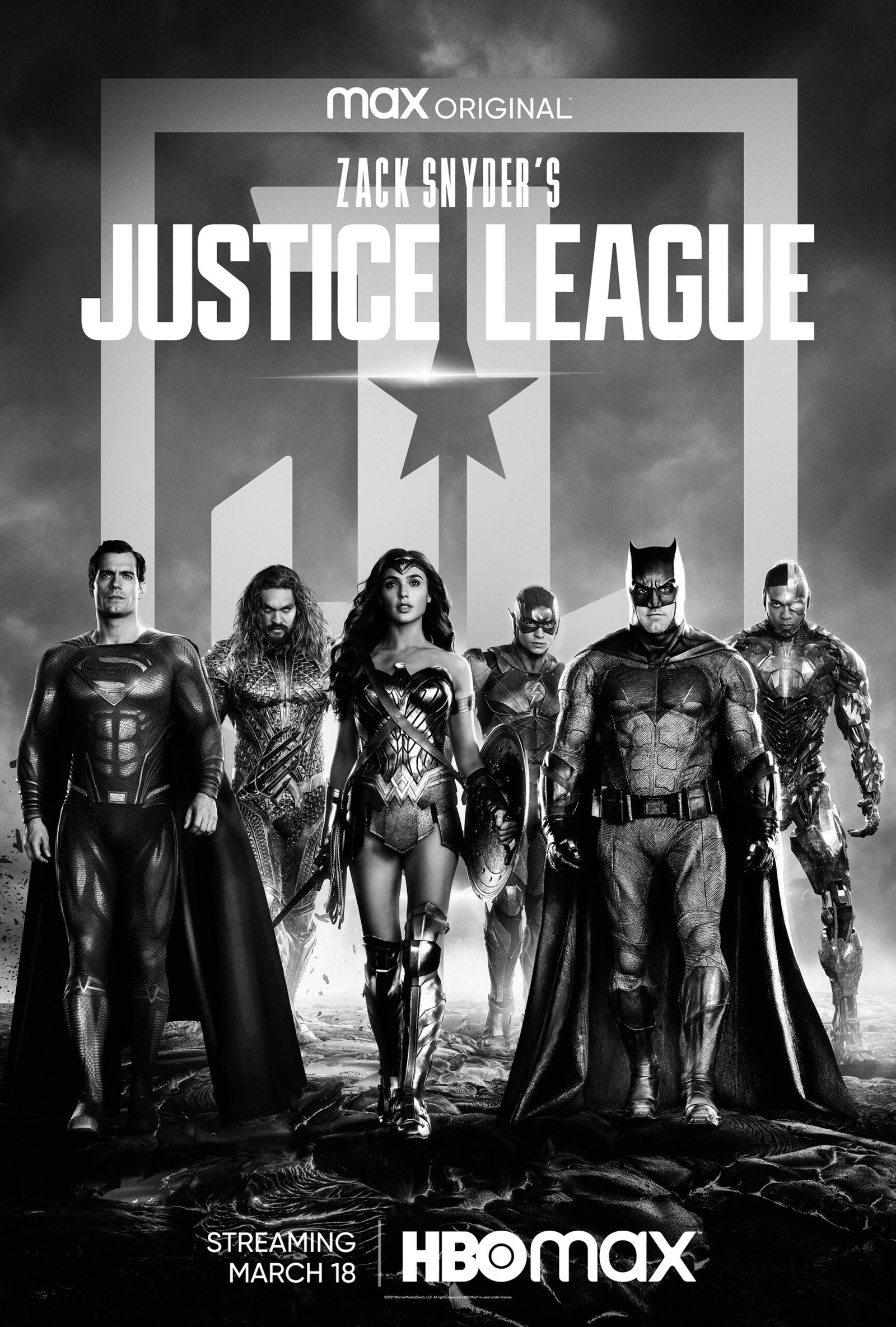
The film features an ensemble cast, including several familiar faces from the DCEU. Ben Affleck returns as Batman, Henry Cavill as Superman, Gal Gadot as Wonder Woman, Ezra Miller as The Flash, Ray Fisher as Cyborg, and Jason Momoa as Aquaman. Notably, Jared Leto makes a return as the Joker, adding an intriguing layer of complexity to his character. The film does an excellent job of utilizing its cast to explore deeper themes and relationships among the Justice League members.
By addressing these key points before bingeing Zack Snyder’s Justice League, you’re setting yourself up for an impactful viewing experience that transcends traditional superhero narratives. This film isn’t just a visual spectacle; it’s a nuanced exploration of heroism, sacrifice, and redemption within the framework of a beloved comic book universe.