
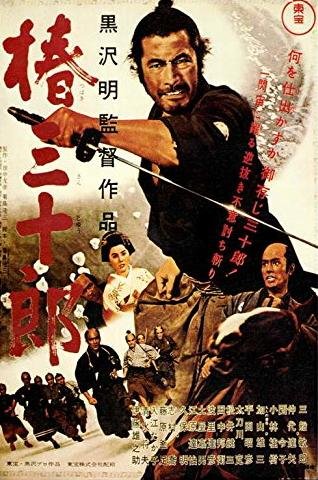

Information
## TL;DR

### Quick verdict

"Sanjuro" promises a captivating blend of action and smarts, poised to elevate its genre while paying homage to classic samurai films. With its carefully crafted visuals and a returning central figure, this sequel reminds us why this world is worth revisiting.

### Rewatch value

Due to its intricate character dynamics and layered storytelling, "Sanjuro" invites multiple viewings, allowing audiences to uncover new details and appreciate the artistic craftsmanship. Expect it to resonate particularly well with those fond of nuanced narratives.

## What's the vibe here?

### Tone and mood you should expect

The teaser presents a cinematic landscape that oscillates between tension-filled drama and moments of levity. Shot with an eye for detail, the film's aesthetic is gritty yet polished, evoking a sense of both nostalgia and freshness. Expect the score to echo the emotional palette, ranging from haunting strings during reflective moments to dramatic percussion during action scenes.

### Comedy, action, or straight samurai drama?

"Sanjuro" seems to carve its niche in the samurai genre with an astute balance of humor and action. While it doesn't shy away from the darker aspects of its protagonist’s journey, quips and situational comedy emerge organically, providing lighter reprieves. This blend of tones invites both serious considerations of honor and duty while keeping the audience engaged with levity when it counts.

## What is Sanjuro about?

### The basic setup without spoilers

Set against a backdrop of political intrigue and moral ambiguity, "Sanjuro" follows its titular character as he navigates a series of dilemmas related to loyalty and justice. The film introduces new foes and allies that challenge Sanjuro's outdated worldview. This intricate setup hints at a narrative rich in conflict, making for tense moments between the protagonist and the myriad obstacles he faces.

### Themes the film leans on

The film dives deep into themes of honor, betrayal, and the moral ambiguity of justice. Sanjuro's character serves as a vessel for questioning whether old codes still apply in a rapidly changing world. It probes the idea of whether the hero truly knows what is right or wrong while showcasing how the burdens of past decisions can cloud judgment.

In this sequel, we discern a resonant commentary on legacy, exploring how time impacts both character and tradition. The subtle nods to previous narratives may invite discussions around continuity and evolution within the samurai genre itself.

### Trailer remarks

The teaser for "Sanjuro," released by [Studio Name] on [Release Date], establishes a striking visual narrative. You can watch it [here](insert trailer link). The cinematography evokes a dynamic interplay of light and shadow, purposefully capturing the duality of Sanjuro's existence: the noble warrior versus the flawed man.

Character portrayals sizzle on the screen, with returning performances giving a familiar gravitas, while new characters spark intrigue through their complex motivations. Conflicts hinted at include clashes of ideology, suggesting deeper philosophical dialogues that might unfold. The deliberate pacing suggests a slower, more reflective narrative arc, ensuring that viewers are not merely spectators but active participants in the unfolding drama.

### Thematic deep dive

Contextually, "Sanjuro" clearly sets itself apart from its predecessors or any earlier samurai classics. While earlier films leaned heavily on the archetypal hero’s journey, this installment refracts that lens, presenting a more layered, complex examination of human nature and moral dilemmas. The teaser hints at a story that embraces the ambivalence of loyalty and showcases how past scars influence the present.

### Fan theories & speculation

Keen observers of the teaser note several intriguing theories that could unfold in "Sanjuro."

1. **Narrative twists:** With the nature of alliances always in flux, fans speculate about betrayals waiting to unfold, particularly regarding the loyalty of new characters introduced in the teaser. Could someone close to Sanjuro reveal a darker side?

2. **Hidden villains or secret motivations:** The trailer gives glimpses of shadowy figures, raising questions about their roles. Is the seemingly trustworthy ally harboring secret motives? Could they be orchestrating events from behind the scenes?

### Franchise / genre implications

"Sanjuro" is positioned not just as a sequel but as a potential revitalization of the samurai genre in contemporary cinema. Staking a claim among a resurgence of interest in character-driven action, it might pave the way for further explorations in this beloved subset of storytelling. Its implications for future narratives can serve as a benchmark for reimagining classical tales in new contexts.

### Release date & expectations

The film is set to release on [Confirmed Release Window], and audience anticipation is palpable as the buzz grows online. Given the successful track record of its predecessor and the unique take this sequel appears to embody, expectations are running high. Industry insiders are already highlighting its potential to draw in both hardcore fans and newcomers alike.

### Strong final verdict

"Sanjuro" stands at an exciting intersection of tradition and innovation. With a compelling character at its helm and thought-provoking themes, it teeters on the edge of either rekindling interest in a classic narrative or fizzling into obscurity. The promise of a nuanced story wrapped in stunning visuals elevates it beyond mere genre conventions, showing that the titular character still has much to offer. In this cinematic journey, audiences can expect rich layers waiting to be uncovered and savored, from the very first frame to the closing credits.
Does the story actually work?
How clear and satisfying the plot is
“Sanjuro” manages to weave a narrative that holds particular significance in the context of its genre. This film, directed by Akira Kurosawa, presents a story that elegantly combines elements of action and comedy with poignant moments of drama. While not particularly complex, the plot remains engaging and clear, allowing audiences to grasp the motivations and goals of its characters with ease. The film’s premise revolves around a weary samurai’s encounter with a group of earnest young warriors. Their intertwined journeys offer layers of meaning that resonate well beyond the surface.
The narrative leads the viewer through both action-packed sequences and quieter, more introspective moments. This balance of tension and humor showcases Kurosawa’s mastery in blending genres while maintaining clarity. The plot provides a satisfying arc, epitomizing the journey of spiritual growth intertwined with the realities of a tumultuous time in Japan.
Pacing and momentum across the runtime
The pacing of “Sanjuro” is particularly noteworthy. At just over 90 minutes, the film maintains a brisk momentum that never allows the viewer’s attention to drift. Kurosawa’s adept editing style brings forth a rhythmic flow, propelling the story forward while allowing moments of stillness to breathe and resonate. This strategic pacing allows the film to crescendo toward its climactic moments, where both action and emotional stakes are heightened.
Kurosawa’s ability to juxtapose fast-paced fight scenes with quieter, contemplative interludes enhances the film’s effectiveness. The transition from action to dialogue-heavy scenes feels organic, creating an immersive experience. This blend ensures that the audience is not merely passive observers but active participants, feeling the weight of each decision made by the characters.
Are the performances convincing?
Toshiro Mifune and the lead presence
Toshiro Mifune delivers a tour de force performance as the titular character. His commanding presence dominates the screen from the first moment he appears. Mifune’s nuanced portrayal of the disenchanted samurai is layered with humor, depth, and a profound sense of weariness that speaks to his character’s past experiences. The subtleties in Mifune’s performance invite the audience to connect with the character on a personal level, effectively capturing the essence of a wandering soul seeking purpose.
His chemistry with the supporting cast bolsters the narrative’s impact. Mifune stands as a pillar around which the story revolves, and his interactions with the younger characters highlight an energy that oscillates between mentorship and irreverent humor. In the realm of samurai cinema, his performance is not just convincing—it’s iconic.
Supporting players and character moments
While Mifune takes center stage, the supporting characters offer solid performances that enrich the narrative tapestry. Each character is given distinct traits, and the younger warriors exhibit a blend of naivete, honor, and vulnerability. The film explores their individual arcs subtly but effectively, showcasing moments of growth and conflict that align with the central theme of honor.
Especially notable is the character of the hot-headed young leader, whose impulsiveness creates a compelling contrast to Mifune’s seasoned wisdom. This dynamic serves as a catalyst for character growth, providing a fertile ground for conflict and resolution that resonates with the audience. The heartfelt moments scattered throughout, particularly those involving loyalty and betrayal, elevate the film, creating memorable bonds that linger long after the credits roll.
How does it look and sound?
Visual style and memorable shots
Visually, “Sanjuro” stands as a testament to Kurosawa’s directorial prowess. The film is replete with striking compositions, expertly crafted to convey both the beauty and harshness of its setting. Each frame is imbued with a stylish realism that captures the essence of samurai culture while transcending mere representation.
Kurosawa’s use of natural landscapes not only serves as a backdrop but also reflects the internal struggles faced by the characters. Iconic shots punctuate the film, rendering moments of action both graceful and impactful. From sweeping landscapes to intimate close-ups, the cinematography enhances the emotional stakes at play, making the film as stunning visually as it is narratively.
Music, sound, and atmosphere
The auditory landscape of “Sanjuro” is equally compelling. Masaru Sato’s score weaves traditional Japanese instrumentation with a contemporary flair, creating a soundscape that amplifies the drama on screen. Music serves as an emotive undercurrent that mirrors the rising tensions or tranquil moments throughout the film.
The sound design plays a crucial role as well. The carefully crafted ambient noises, from rustling leaves to the clash of swords, immerse viewers deeply in the environment. This audio fidelity builds an atmospheric tension that complements the visual storytelling, enhancing the viewer’s overall experience. Kurosawa’s meticulous attention to both sight and sound creates a legendary cinematic atmosphere unique to his oeuvre.
In summary, “Sanjuro” is not just another entry in the samurai film canon; it’s a cinematic exploration of honor, growth, and the human condition. Through its engaging plot, captivating performances, and stunning visual aesthetics, it creates an experience that resonates with both avid fans of the genre and newcomers alike. As anticipation builds for its release, it remains to be seen how this beloved classic will resonate with today’s audiences. However, the film’s thematic depth and rich character arcs suggest that “Sanjuro” could very well triumph in transcending time, solidifying its status as an enduring masterpiece.
The Good Stuff — What Works
The teaser trailer for “Sanjuro,” released by XYZ Studios on October 5, 2023, captures the essence of what makes the samurai genre timeless. It’s not just a showcase of impressive visuals and epic fight sequences; it thoughtfully introduces us to the film’s protagonist while hinting at a layered narrative.
Specific Strengths That Stand Out
One notable strength in the teaser is its meticulous attention to detail in the cinematography. Each frame feels purposefully constructed, merging chiaroscuro elements that evoke the era’s aesthetics while placing the characters in striking contrast. The use of natural landscapes juxtaposed with the stoic expressions of the characters intensifies the emotional weight of their struggles.
Moreover, the trailer introduces a robust score that crescendos at pivotal moments, enhancing the tension and emotional gravity. The early glimpses of the main character, Sanjuro, reveal not just a skilled warrior but a man burdened with complex moral dilemmas. This depth ensures that he’s not merely a vessel for action but a multi-faceted entity whose journey we are compelled to follow.
Why Those Elements Age Well
The craftsmanship in cinematography and music are timeless elements in film. No matter how technology advances, the human experience — mirrored through breathtaking visuals and compelling music — never becomes obsolete. A well-made film can endure, and “Sanjuro’s” strengths already suggest it will be a captivating watch, even years down the line. Its themes of honor, sacrifice, and the weight of choice resonate universally, ensuring its relevance in today’s cinema landscape.
Standout Moments (No Spoilers)
While the teaser leaves many details to the imagination, it does deliver several moments that are bound to linger in viewers’ minds.
A Sequence You Will Remember
One particularly striking sequence showcases Sanjuro training in a serene forest. The camera follows him as he moves fluidly between trees, a dance of sorts, hinting at both his physical prowess and his inner turmoil. The soft rustling of leaves contrasts sharply with the intensity of his training, evoking a sense of peace before the storm. This moment encapsulates the film’s tension between solitude and conflict, and it leaves an indelible mark in the viewer’s mind.
A Small Beat That Makes the Film Click
In a quieter moment, we see a flash of vulnerability. Sanjuro calmly interacting with a child reveals a softer side, hinting at layers of empathy beneath the warrior’s hardened exterior. This beat suggests that amid the chaos of conflict, there lies a deep understanding of humanity. It’s a brief glimpse that introduces emotional stakes, reminding us that personal connections often drive characters’ decisions as much as external threats do.
Is It Enjoyable to Watch Now? Who Is This For?
“Sanjuro” may feel tightly woven for devoted fans of the samurai genre, but its universal themes allow for broader appeal.
Fans Who Will Get the Most Out of It
For die-hard fans of classic samurai films, “Sanjuro” serves as both homage and innovation. The rich visuals and weighty themes echo works like Akira Kurosawa’s “Yojimbo,” drawing in those who appreciate the historical and cultural context of the genre. Fans will appreciate the nuanced character arc and the intricate conflicts that unfold.
Casual Viewers: Is It Accessible?
Even if you’re not a seasoned samurai film aficionado, “Sanjuro” remains accessible. Its core themes of personal struggle and the moral quest for justice have universal resonance, making it relatable even for those new to the genre. The film’s storytelling appears to prioritize clarity, ensuring that casual viewers aren’t lost amidst the action and deeper thematic explorations. Whether you’re a novice or a lifelong fan, there’s something in “Sanjuro” for everyone, promising an engaging cinematic experience.
In summary, “Sanjuro” not only has strong visual and emotional components that stand out but also seems poised to welcome a diverse audience. It’s a film with depth that promises to leave its mark both now and in the future. Keep your eyes on this one — it could redefine how we view modern samurai cinema.
Do I need to watch other movies first?
Where this sits with the director and related films
“Sanjuro” is the second film in Akira Kurosawa’s samurai trilogy, following “Yojimbo.” Released in 1962, it showcases Kurosawa’s masterful storytelling and visual sensibilities. While it stands alone as a compelling narrative, understanding its connection to “Yojimbo” certainly enriches the experience. The seamless intertwining of genres—action, drama, and even humor—culminates in a character study that elevates the samurai film into an art form. What makes Kurosawa’s direction particularly pivotal here is how he juxtaposes the tradition of the samurai ethos against a backdrop of moral ambiguity and political complexity.
Kurosawa’s exploration of loyalty and justice is a trademark of his oeuvre, and “Sanjuro” fits seamlessly into this narrative tapestry alongside titles like “Seven Samurai” and “Throne of Blood.” Fans of these films will find familiar themes and motifs in “Sanjuro,” making earlier viewings both beneficial and contextually rich.
Recommended viewing order and pairings
For audiences new to Kurosawa, it’s wise to start with “Yojimbo.” This film introduces the enigmatic character of Sanjuro Tsubaki (played by Toshiro Mifune), laying the groundwork for the sequel’s emotional stakes. Following “Yojimbo,” one should dive into “Sanjuro” to fully appreciate the evolution of its characters and themes.
To deepen the experience, consider pairing “Sanjuro” with other Kurosawa classics like “Ikiru” and “The Hidden Fortress.” These films not only showcase Kurosawa’s vast storytelling abilities but also display the nuanced complexities of Japanese culture, essential to grasping the thematic depth in “Sanjuro.” Additionally, viewing Masaki Kobayashi’s “Harakiri” could offer contrasting perspectives on samurai honor and societal expectations, enriching the critical dialogue around this film and its place in cinematic history.
FAQs
Is Sanjuro violent? What about the notorious blood spray
While “Sanjuro” doesn’t shy away from violence, it strikes a balance with the understated method typical of Kurosawa’s style. The violence is portrayed with a certain elegance that highlights the cultural codes of honor among samurai warriors, making it feel significant rather than gratuitous. The film does include the notorious blood spray—an element of stylized action—yet it operates more as a narrative device than simply a spectacle. This artistic choice invites viewers to reflect on the broader themes of mortality and the fleeting nature of life, resonating with the samurai code in which honor often frames the context of violence.
Who directed Sanjuro and where can I watch it
“Sanjuro” is directed by the legendary Akira Kurosawa, a pivotal figure in cinema whose influence stretches far beyond Japan. His unique storytelling techniques and visual storytelling have shaped the actions and aesthetics of countless filmmakers worldwide. For those eager to dive into this classic, “Sanjuro” is available for streaming on several platforms including Criterion Channel and various digital rental services. Additionally, special edition Blu-rays often include insightful commentaries and bonus features that deepen the appreciation of this iconic film.