

Information
TL;DR: Is Once Upon a Time in Hollywood worth your time?
Quick verdict
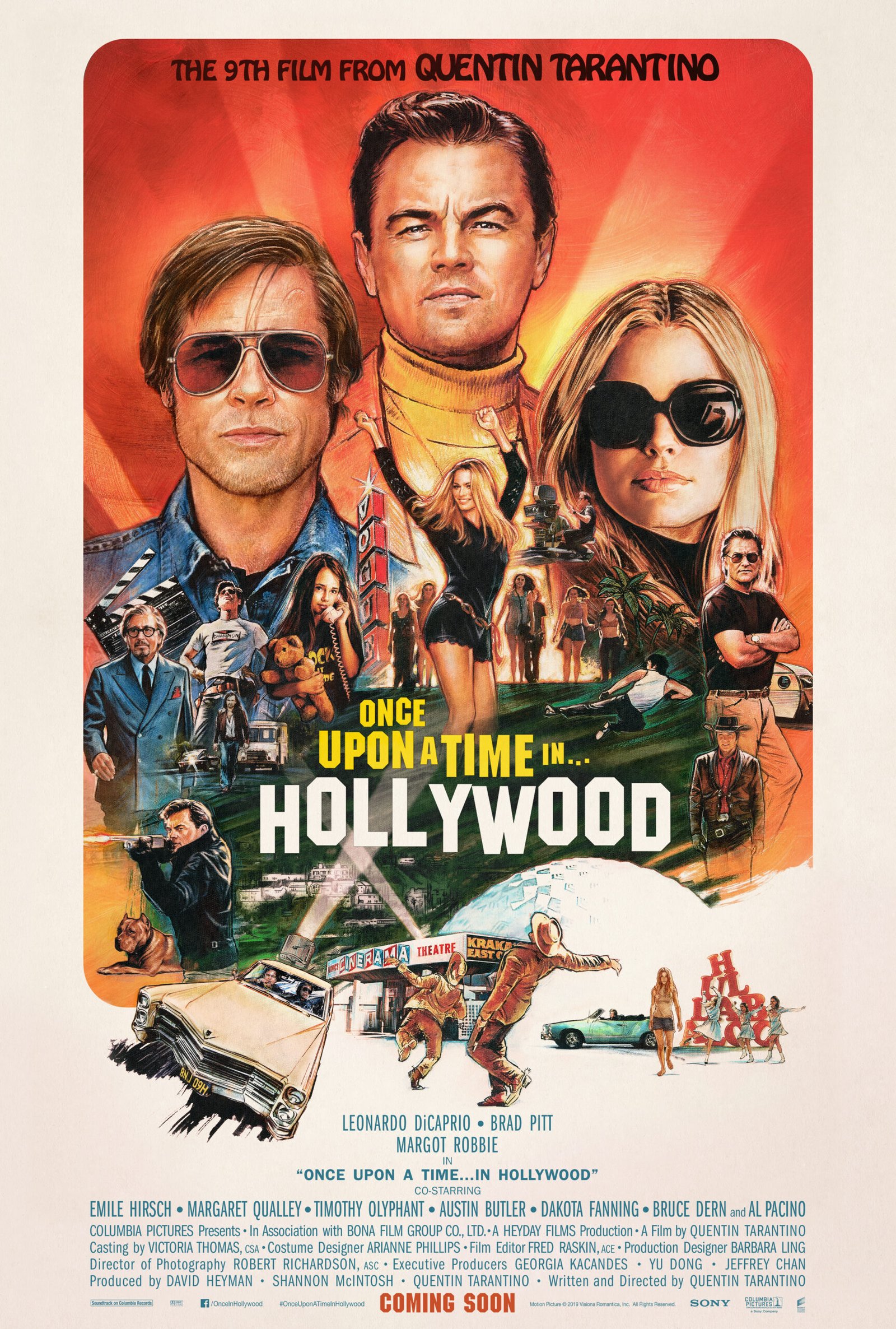
Once Upon a Time in Hollywood has emerged as a cinematic love letter to a bygone era, masterfully blending nostalgia, humor, and a touch of darkness. Quentin Tarantino’s latest offering is both a visual feast and a sharp cultural critique, making it a compelling experience for those who appreciate his unique storytelling style.
Short recommendation: watch, skip, or rewatch
If you’re a fan of Tarantino’s works or simply have a soft spot for 1960s Los Angeles, this film deserves a spot on your watchlist. It’s an experience that warrants not just a viewing, but a rewatch, as each scene brims with layers waiting to be uncovered.
What’s the vibe and runtime like?
Tone, mood, and 1969 Los Angeles feels
The film emanates a palpable sense of nostalgia, echoing the golden age of Hollywood in 1969. It beautifully captures the essence of the era—one of glamor, transformation, and impending doom. The vibrant colors, mesmerizing cinematography, and meticulous set design transport viewers to a city pulsating with creativity. From the hum of classic cars to the iconic music of the time, every detail feels intentional, painting a vivid tableau reminiscent of a time long past. The tone oscillates between light-hearted camaraderie and a shadowy undercurrent, reflecting both the excitement and tension of an industry on the verge of monumental change.
How the runtime affects the pacing
With a runtime clocking in at just over two and a half hours, there’s ample space for character development and intricate storytelling. While some might find the pace leisurely, this extended duration allows for nuanced exploration—Tarantino’s signature dialogue shines in these moments, fostering a deeper connection to the characters. The film doesn’t rush; instead, it immerses the audience in the world it builds, leading to a crescendo that’s both thrilling and impactful.
What is Once Upon a Time in Hollywood about without spoilers?
The basic setup in two lines
The narrative revolves around the fictional characters of Rick Dalton, a fading television star, and his loyal stunt double, Cliff Booth. As they navigate the changing landscape of the late ’60s film industry, their paths intertwine with the real-life saga of Hollywood’s infamous Manson family.
How much of it is historical flavor versus fiction
Tarantino deftly intertwines fact with fiction, introducing real historical figures while crafting a narrative that bends reality. The film does not shy away from its historical context, capturing the disarray of the film industry and the cultural upheaval of the time, but at its core, it’s an exploration of friendship and identity, not merely a biopic. Expect a rich tapestry of fictional events layered over essential historical truths, where the authenticity of the era enhances the fictional narrative.
Once Upon a Time in Hollywood invites viewers to revel in its complexities, unraveling the essence of a moment in time. Through its character-driven plot and stunning visuals, Tarantino immerses audiences in a detailed homage to an era both glamorous and fraught with tension. It’s a film that will linger in your mind long after the credits roll.
Does the story and pacing actually work?
How the loose, slice of life structure lands
“Once Upon a Time in Hollywood” takes what could easily be a traditional narrative and twists it into a kaleidoscopic exploration of the late 1960s in Los Angeles. Quentin Tarantino presents a film that feels less like a straight story and more like a series of vibrant brushstrokes on a canvas. This loose, slice-of-life structure mirrors the way memories form—disjointed, relatable, and often tinged with nostalgia. The pacing, slow and almost meandering at times, allows moments to breathe. Characters lounge around, engage in casual conversations, and exist in their world without the relentless push toward a climactic goal. It opens a door for us to absorb the atmosphere, character quirks, and visual splendor. For some, this method may feel frustrating, but for others, it’s an invitation to immerse ourselves in the beauty of a past era and the lives of those who lived it.
What to expect from the build and the payoff
Tarantino is renowned for meticulously crafting suspenseful payoffs. Here, the build feels almost meditative. As characters like Rick Dalton (Leonardo DiCaprio) and Cliff Booth (Brad Pitt) navigate Hollywood’s shifting landscape, tension subtly escalates. There’s a juxtaposition of the mundane—Dalton’s anxiety over his acting career—with the impending chaos hinted at by the Charles Manson subplot. The story moves toward a crescendo that feels inevitable yet delightfully surprising. Expect twists that aren’t just shocking for shock’s sake, but rather serve to deepen themes of friendship, mortality, and the ever-revolving door of fame. The film’s pacing allows those payoffs to resonate long after their occurrence, making the culmination of events feel earned and meaningful rather than abrupt.
Which performances grab your attention?
Leonardo DiCaprio and Brad Pitt breakdown
DiCaprio’s portrayal of Rick Dalton is an emotional tapestry, woven with threads of desperation, ambition, and vulnerability. The character is at once a washed-up actor and a man wrestling with his identity in a rapidly changing Hollywood. DiCaprio’s ability to oscillate between moments of pathos and dark, cutting humor is memorable. Pitt’s Cliff Booth offers a counterbalance. He’s laid-back and confident, but there’s an unmistakable depth beneath his cool exterior. Their dynamic feels electric, a buddy chemistry that transcends the superficialities of their characters’ professions. The interplay between them serves not just as entertainment but as an exploration of male friendship in a world filled with competition and shifting societal values.
Supporting turns, cameos, and who steals scenes
Tarantino has a knack for casting, and “Once Upon a Time in Hollywood” is no exception. Margot Robbie shines as Sharon Tate, embodying her innocence and playful spirit. While her screen time is notably less than the leads, every moment is potent—even haunting. The ensemble cast, which includes the likes of Al Pacino, Bruce Dern, and the brief yet impactful appearances from Lena Dunham and Dakota Fanning, offers small bursts of intensity that punctuate the film’s larger themes. Among the supporting cast, it’s easy to see how someone like Mike Moh as Bruce Lee can quickly steal scenes with a combination of charisma and fatalism, bookending the film’s exploration of cultural representations in Hollywood.
How do the visuals and soundtrack affect the movie?
Cinematography, production design, and period detail
From the first frame, the film immerses the audience in a beautifully recreated Los Angeles that feels simultaneously authentic and dreamlike. Cinematographer Robert Richardson uses a blend of vibrant colors and soft focus to evoke the nostalgia of the late ’60s. The production design is painstakingly detailed, pulling from the aesthetics of old Hollywood—everything from the sets to the costumes feels lived-in. You can almost smell the popcorn at the drive-in theaters. Tarantino’s attention to detail transports viewers back in time, allowing them to experience an era marked by cultural upheaval. It pulls you into the world he’s built, where every car, shirt, and architecture shard tells a story.
Music choices and how they set the mood
The music in “Once Upon a Time in Hollywood” is a nostalgic trip in itself. Tarantino expertly curates a soundtrack that serves both as a love letter to the era and a narrative device. Expect everything from the catchy tunes of the Beach Boys to the haunting notes of lesser-known tracks that feel ripped from a nostalgic vinyl collection. Each song is chosen not just for its time period authenticity but also for how it feels within the scene. They resonate emotionally, enhancing the highs and lows of the characters’ journeys. The juxtaposition of upbeat songs against the film’s darker undertones emphasizes the bittersweet quality of nostalgia, enhancing the film’s thematic depth.
Final thoughts
With “Once Upon a Time in Hollywood,” expectations are understandably high. The blend of masterful performances, vibrant visuals, and a soundtrack that transports viewers back in time suggests a cinematic experience that doesn’t just aim to entertain but to resonate. However, the film’s leisurely pacing may not satisfy everyone, especially those craving a more defined narrative arc. The success of the film hinges on balancing this artistic choice against audience expectations in a landscape that increasingly values speed over nuance. If it hits the right notes, this film could become a defining piece of cinema that celebrates an era and explores the complex layers of Hollywood history. Ultimately, we’re left asking: How does one tell the story of a fading star amidst the bright lights of an ever-fickle industry? “Once Upon a Time in Hollywood” might just have the answer.
What are the film’s biggest strengths?
Specific beats that genuinely work
“Once Upon a Time in Hollywood” thrives on its meticulously crafted moments that pay homage to the golden age of filmmaking. Quentin Tarantino has a knack for blending fictional narratives with historical contexts, and here, he does so with finesse. One standout strength of the film is its ability to evoke genuine nostalgia. The interactions between Rick Dalton, portrayed by Leonardo DiCaprio, and Cliff Booth, brought to life by Brad Pitt, feel effortlessly authentic, grounding the film in a reality that resonates with viewers who have an appreciation for classic cinema.
Tarantino’s script is peppered with dialogue that sparkles in its wit and charm. The conversations glide between light-hearted banter and poignant reflections on fading fame. For instance, a scene featuring Rick auditioning for a major role is a perfect blend of cringe and confidence, showcasing DiCaprio’s range while expertly illustrating the volatility of Hollywood’s star system. The way these moments are structured reinforces the film’s central themes of ambition and loss, providing gravitas beneath the playful veneer.
Where the nostalgia and humor actually pay off
The film’s humor, tightly woven into its nostalgic fabric, gives it a distinct identity. Tarantino has always had a flair for elevating mundane situations into laugh-out-loud moments, and this film is no exception. The chemistry between DiCaprio and Pitt is electric, reminiscent of buddy cop films while being steeped in the trials of tumultuous Hollywood.
A scene featuring the duo casually driving through a sun-soaked Los Angeles landscape, with classic tunes blaring from the radio, embodies the film’s vibrant humor and nostalgic essence. Their camaraderie becomes a vehicle for exploring deeper themes—the struggle for relevance in an industry that mercilessly chews up and spits out its stars. This blend of humor with nostalgia serves not just to entertain but also to highlight the fleeting nature of fame, making those moments hit harder, even as they elicit smiles.
What might annoy you or feel indulgent?
Slow patches and overt style choices
While Tarantino’s signature style is undoubtedly compelling, it can occasionally cross into the realm of indulgence. The film’s pacing might leave audiences restless at times; the first act, in particular, meanders as it establishes Rick and Cliff’s world. Scenes linger longer than necessary, leading some viewers to wonder if the film could have benefited from a tighter edit.
A protracted sequence of Cliff cruising through a Hippie-infested compound might feel drawn out, losing some viewers in the haze of nostalgia. While these stylistic choices serve to immerse the audience in the era, they can also disrupt the film’s momentum, creating a dichotomy between cinematic immersion and narrative propulsion.
Tone, historical liberties, and violence
Tarantino’s work has always danced on the line of historical accuracy, and “Once Upon a Time in Hollywood” is no exception. The film portrays a vivid but romanticized version of 1969 Los Angeles, where historical figures and fictional characters intermingle fluidly. This approach can create moments of dissonance for viewers familiar with the stark realities of the era, particularly regarding the film’s depiction of violence.
Some may find the final act’s violent climax jarring, especially given the film’s otherwise light-hearted approach. This tonal shift could be off-putting for those expecting a consistent narrative thread. While Tarantino’s violence is often cartoonish and stylized, in this film, it contrasts sharply with the nostalgic journey taken throughout, leading to a sense of cognitive dissonance that not all viewers will appreciate.
What are the standout moments I can tease without spoiling?
A few memorable sequences to look forward to
Surely, “Once Upon a Time in Hollywood” boasts no shortage of memorable sequences that resonate deeply with the audience. The aforementioned audition scene is an absolute highlight, providing a masterclass in tension and vulnerability that showcases both DiCaprio’s and Tarantino’s genius.
Another notable sequence features Cliff’s interaction with the Manson family, which strikes a chilling yet captivating tone. The uncanny juxtaposition of innocence and malice lingers in this scene, leaving viewers breathless in anticipation of how the threads of these characters’ lives will intertwine.
Why those moments stick with you
These standout moments resonate not only for their craft but also for their emotional weight. They encapsulate the film’s central themes—fame, friendship, and the unsettling nature of change. The audition scene lingers in the mind, for instance, giving rise to reflections on aspiration and the pressure performers face within an unforgiving industry.
The Manson family encounter brings an unsettling darkness that punctuates the nostalgia — a reminder that behind the sun-soaked charm of the Hollywood Hills lurked sinister realities. These sequences elevate the film from mere homage to a poignant exploration of its characters’ journeys, ensuring their emotional impact lingers long after the credits roll.
Who is this movie for and who should skip it?
The kind of viewer who will love it
“Once Upon a Time in Hollywood” speaks directly to cinephiles who relish the aesthetic and cultural milieu of 1960s America. This isn’t just another film; it’s a love letter to a bygone era, infused with Quentin Tarantino’s signature flair. Fans of Tarantino will appreciate the dialogue-driven scenes, rich characterizations, and the clever intertwining of real historical events with fictional narratives. Those who adore films steeped in nostalgia, exploring the golden age of Hollywood, will find themselves enthralled by its lush visuals and meticulous production design.
Moreover, viewers with an appreciation for meta-cinema will also connect deeply with the story. The film’s blend of fact and fiction allows for moments of reflection on the nature of artistry, celebrity, and the ephemeral nature of fame. Expecting the unexpected? Tarantino’s signature surprise twists will keep even the most seasoned viewers on their toes.
When to pass
However, those who prefer straightforward narratives or conventional storytelling may want to skip this film. Not everyone has the patience for Tarantino’s slow-burn style, as some scenes revel in excess and linger longer than necessary. If you’re looking for a traditional action-packed thriller or a clear-cut hero’s journey, the film’s leisurely pacing might frustrate you. The arcs are nuanced, and the film deliberately eschews clean resolutions. Likewise, if you’re uncomfortable with depictions of violence or if historical revisionism isn’t your cup of tea, this movie might not align with your taste.
Where can you watch it now and is it worth rewatching?
Current streaming and rental options
As of now, “Once Upon a Time in Hollywood” is available for streaming on platforms like Netflix and Amazon Prime Video, following its initial theatrical run. You can also rent or purchase the film through services like Google Play, Apple iTunes, and Vudu. This accessibility makes it easier than ever for audiences to dive into Tarantino’s fictionalized version of 1960s Hollywood, whether for the first time or as a repeat viewing.
Rewatch value after a few years
Rewatching “Once Upon a Time in Hollywood” offers different layers of appreciation. What initially captivates on a surface level — the glamour, the humor, the unforgettable performances by Leonardo DiCaprio and Brad Pitt — may reveal deeper insights on subsequent viewings. Tarantino’s dialogue often contains hidden nuances and foreshadowing that can be fully appreciated when you know the outcome of the narrative. Moreover, the historical context – both what was portrayed and how it ties into the broader scope of Hollywood – becomes richer with time. With each rewatch, audiences can glean new perspectives on character dynamics and Tarantino’s critique of fame and success in Tinseltown.
FAQs
Is Once Upon a Time in Hollywood controversial?
Though not without its critics, “Once Upon a Time in Hollywood” has stirred conversations rather than outright controversy. Tarantino’s approach to historical events, particularly the portrayal of real people like Bruce Lee and Sharon Tate, sparked debate about accuracy versus artistic license. While some have praised the film’s commentary on Hollywood’s glamorized past, others see it as a problematic retelling. It’s a film that encourages viewers to critically engage with the depiction of violence and celebrity culture, making it a point of contention among various audiences.
Is Once Upon a Time in Hollywood on Netflix?
Yes, “Once Upon a Time in Hollywood” is available to stream on Netflix, which gives viewers the opportunity to discover or rewatch Tarantino’s homage to Hollywood, all from the comfort of their homes. Its presence on a major streaming platform ensures that it remains part of the ongoing conversation about cinema and the stories we tell about our cultural icons.
Is Once Upon a Time in Hollywood worth watching according to critics and viewers?
Critics have generally embraced “Once Upon a Time in Hollywood,” applauding its direction, performances, and production design while acknowledging its leisurely pacing. Viewer reception has been similarly positive, with many drawn to its nostalgic tone and engaging performances. The film invites a varied response, reflective of the audience’s perception of Tarantino as a filmmaker. Enthusiasts of intricate storytelling and lush cinematic crafting typically find it rewarding, while others may debate its artistic merits. In essence, it’s worth watching for anyone intrigued by the complexities of storytelling and the allure of Hollywood in a transformative period.