
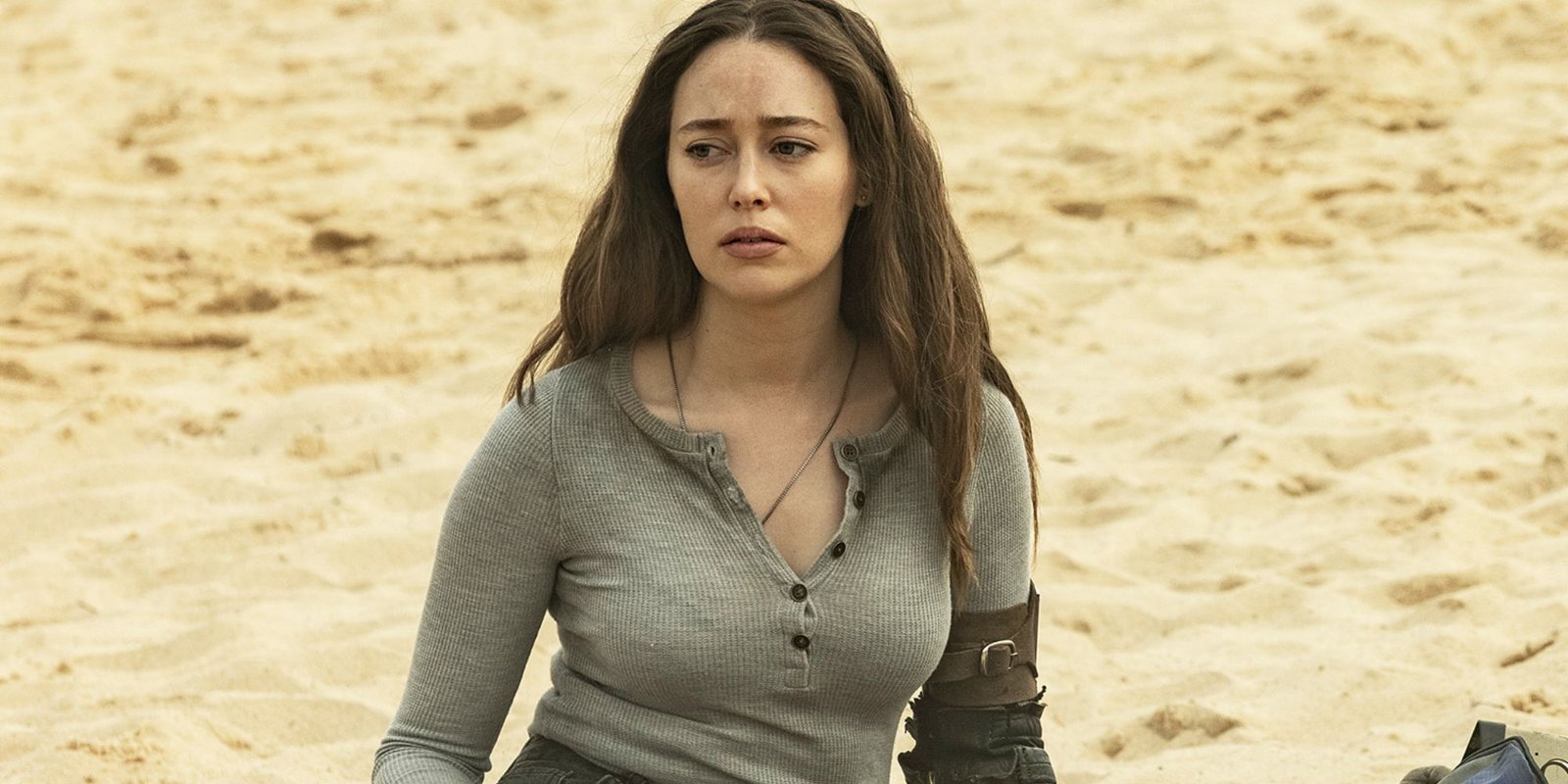
A fan-favorite sci‑fi series becomes hard to stream
The 100, a seven‑season post‑apocalyptic drama that premiered in 2014, has long been a touchstone for modern television science fiction. Praised for its moral complexity, unpredictable plotting and evolving scope, the show holds a 93% critics’ score on Rotten Tomatoes and has a devoted fanbase. Yet as of December 2025 the series left Netflix, and current streaming options make viewing the show considerably more costly than most viewers expect — effectively gating the series behind roughly a $150 paywall.
What The 100 is about
Based on Kass Morgan’s YA novels, The 100 opens generations after a nuclear apocalypse annihilated life on Earth. Humanity’s survivors live aboard the Arc, a space habitat built as a temporary refuge. When the Arc faces dire resource shortages, one hundred juvenile prisoners are sent to the planet’s surface to determine whether it’s habitable.
The story centers on Clarke Griffin (Eliza Taylor), one of the teens chosen to return to Earth. The group discovers the planet survives and is inhabited by organized human societies — the Grounders — with distinct cultures and fierce rivalries. What begins as a survival premise expands across seasons into large‑scale conflicts: the Sky People (those from the Arc) clash with Grounder clans, the adult population from the Arc later descends to the surface, and new threats — both human and environmental — continually reshape alliances and moral choices.
Over seven seasons, the show grows from a contained survival drama into a sweeping exploration of leadership, identity, resource scarcity, and the ethical compromises people make under extreme pressure.
Why the show still matters
- Narrative ambition: The series consistently raises stakes and its mythology while reframing character allegiances, keeping long‑running momentum.
- Moral complexity: Leaders make fraught, often controversial decisions; the show resists easy answers and invites debate.
- Strong performances: The cast delivers layered portrayals that anchor the series’ evolving themes.
- Critical reception: With high critic ratings and a passionate audience, The 100 is regularly cited among standout genre shows of the 2010s.
Current viewing options and the price tag
Since its departure from Netflix in December 2025, The 100 is no longer widely available on subscription streaming. The most accessible digital option is buying seasons on Prime Video, where seasons are currently priced around $24.99 each; Season 4 is listed at $21.99. That puts the full series purchase at roughly $172 at current list prices, with a lower bound near $154 if every season were sold at the discounted rate simultaneously. Physical DVD and Blu‑ray copies are another route, but availability and playback hardware vary by household.
For context, most subscription streaming services cost between roughly $7 and $10 per month, so paying more than $150 to own a single series is a significant jump for viewers used to flat subscription models.
Why beloved shows disappear from subscriptions
When a show leaves a streaming catalog it’s usually the result of licensing agreements expiring or shifting rights holders deciding how to monetize the property next. Studios and distributors increasingly move titles between subscription services, digital sale platforms, or physical releases to maximize revenue. That market dynamic can render well‑loved series harder to access for a period, especially if no new streaming deal is in place.
Practical ways fans can watch without overspending
- Buy selectively: If you only want to revisit favorite seasons or episodes, purchasing individual seasons or episodes on digital storefronts can reduce upfront cost.
- Physical media: Check local libraries, secondhand retailers, or used online marketplaces for DVD/Blu‑ray box sets at lower prices.
- Shared viewing: Family members or friends who own the series might arrange watch parties or lend physical copies.
- Monitor streaming licensure: Keep an eye on announcements — rights often migrate and the show may return to a subscription platform through new licensing deals.
- Free trials and bundles: If the series does land on a different service, promotional offers or bundled subscriptions could lower the cost of temporary access.
The series’ legacy and the hope for wider access
The 100’s ability to provoke conversation about leadership, sacrifice and societal collapse helped it stand out across the 2010s and beyond. Locking the series behind a high price point limits its cultural reach at a time when new viewers might discover its themes are still relevant. Fans and casual viewers alike can hope that a new licensing agreement will bring the series back to broader subscription platforms, making it more accessible without a hefty one‑time expense.
For now, those eager to revisit or discover The 100 may need to weigh the options — selective purchases, physical media hunts, or patience for future streaming deals — while the industry’s shifting rights landscape determines where the show lands next.