
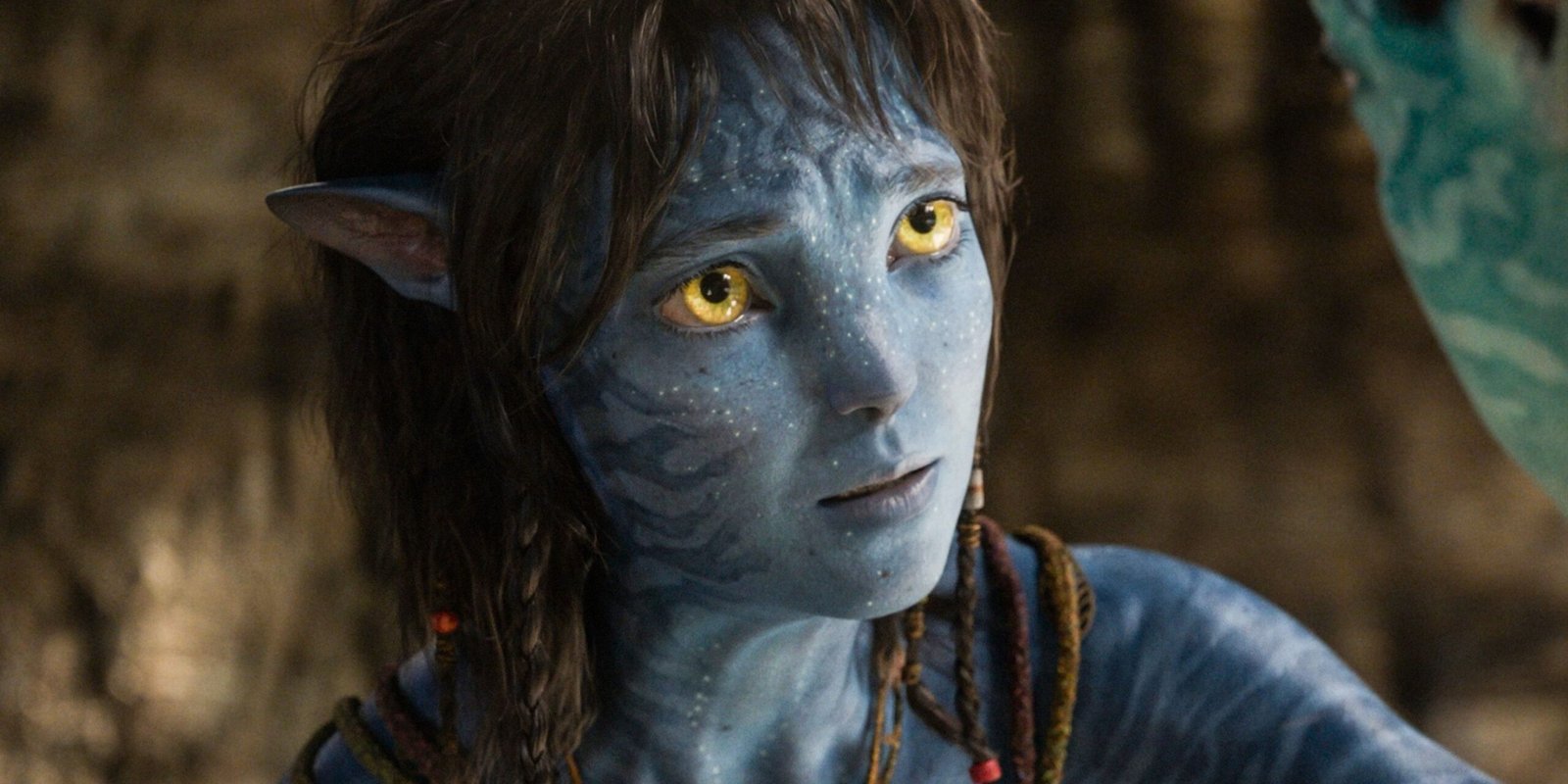
Box-office reality for Avatar: Fire and Ash
Nearly two months after its release, James Cameron’s Avatar: Fire and Ash is winding down its theatrical run with results that fall short of expectations. The film is likely to finish under $1.5 billion worldwide — a sum that still places it among the highest-grossing movies ever but is significantly lower than the earlier entries in the series. That performance places fresh pressure on the long-term plan for the Avatar franchise, which had been mapped out to include at least two additional sequels.
How the third film stacks up against its predecessors
Compared with its predecessors, Fire and Ash is the least lucrative and the least well-reviewed of the trilogy so far. It is closing in on box-office returns that are roughly $1 billion less than James Cameron’s original Avatar, which remains the highest-grossing film of all time. Even Avatar: The Way of Water outperformed the new installment by a comfortable margin, having grossed more than $2.3 billion worldwide.
The contrast in earnings highlights a clear downward trend in returns for the series’ newest chapter, despite the franchise’s strong legacy and the high-profile draw of its filmmaker and returning cast.
Production scale and critical reception
Avatar: Fire and Ash was produced on a reported budget of about $400 million, underscoring the high stakes for any future sequels. Critically, the film has registered weaker support than earlier entries. On Rotten Tomatoes it sits at 66% with critics’ consensus stating: “Remaining on the cutting edge of visual effects, Fire and Ash repeats the narrative beats of its predecessors to frustrating effect, but its grand spectacle continues to stoke one-of-a-kind thrills.”
That summary captures a familiar praise-and-critique split: broad admiration for the technical and visual achievements alongside fatigue over familiar story patterns. For studio executives, that combination complicates the case for committing the same level of resources to additional installments.
Cameron’s evolving stance and Disney’s position
In the weeks before the film’s release, James Cameron began recalibrating expectations for Avatar’s future. He publicly downplayed the fourth and fifth films — projects that Disney had previously dated — pointing to budgetary pressures and a shifting theatrical marketplace as reasons to postpone or rethink immediate continuation. Cameron has spent decades developing the Avatar universe; his comments signal a pragmatic reassessment of whether and how to proceed.
From Disney’s perspective, the underperformance of Fire and Ash raises financial and strategic questions. Large-scale tentpoles with multi-hundred-million-dollar budgets are reliant on strong global grosses to justify sequels. When returns decline, studios often delay, scale back, or redesign follow-up plans.
What the decline means in broader industry terms
Avatar’s recent misstep is notable not only for its own franchise implications but also because it reveals how different studios measure success. Even at roughly $1.4 billion, Fire and Ash out-earns many big-budget releases. But within the context of Cameron’s trilogy and Disney’s expectations, that figure is comparatively weak.
A useful comparison is Star Trek Beyond, a third installment from another sci-fi franchise that faced harsh consequences after underperforming. Star Trek Beyond grossed less than $350 million worldwide against a reported $185 million production budget, a return insufficient to sustain the franchise’s current trajectory. Despite positive reviews and the return of its core cast, the film’s box office left the studio without a clear incentive to greenlight a direct follow-up on the same scale.
The contrast illustrates a broader principle: absolute grosses matter less than relative performance against expectations, costs, and franchise precedent. For tentpole properties, diminishing returns across sequels can quickly change the calculus on future investment.
The fork in the road: pause, pivot, or push on?
At this juncture, three likely paths exist for Avatar’s future — and all depend on internal decisions at Disney and the creative appetite of Cameron and his collaborators:
- Pause and reassess: Delay any immediate production of planned sequels while examining budgets, creative approaches, and release strategies. This path reduces near-term risk and buys time to retool the franchise.
- Pivot to different formats or scales: Explore spin-offs, streaming-limited series, or smaller-scale theatrical projects that leverage the Avatar brand without matching previous budget levels.
- Proceed selectively: Commit to further sequels but with reworked scripts, reduced budgets, or co-financing strategies to better manage financial exposure.
Cameron’s recent comments suggest he is leaning toward stepping back to pursue other work, but he has not closed the door entirely. Ultimately, Disney will weigh the film’s lifetime totals, ancillary revenue, and franchise value against the rising costs and changing economics of global theatrical distribution.
What to watch next
Key indicators to monitor in the coming months include:
- Final worldwide box-office tally for Fire and Ash and its comparative home-entertainment and streaming revenues.
- Public comments and scheduling moves from Disney and Cameron about Avatar 4 and 5.
- Any shifts in franchise strategy, such as reports of scaled-down budgets, alternative release windows, or new creative leadership.
The Avatar brand remains a powerful asset. But Fire and Ash’s performance demonstrates that even the most established tentpoles are vulnerable to shifting audience behavior, critical reception, and the simple arithmetic of cost versus return. How Disney and Cameron respond will determine whether Avatar continues as a multithousand-mile epic or contracts into a smaller, more cautious multimedia universe.