
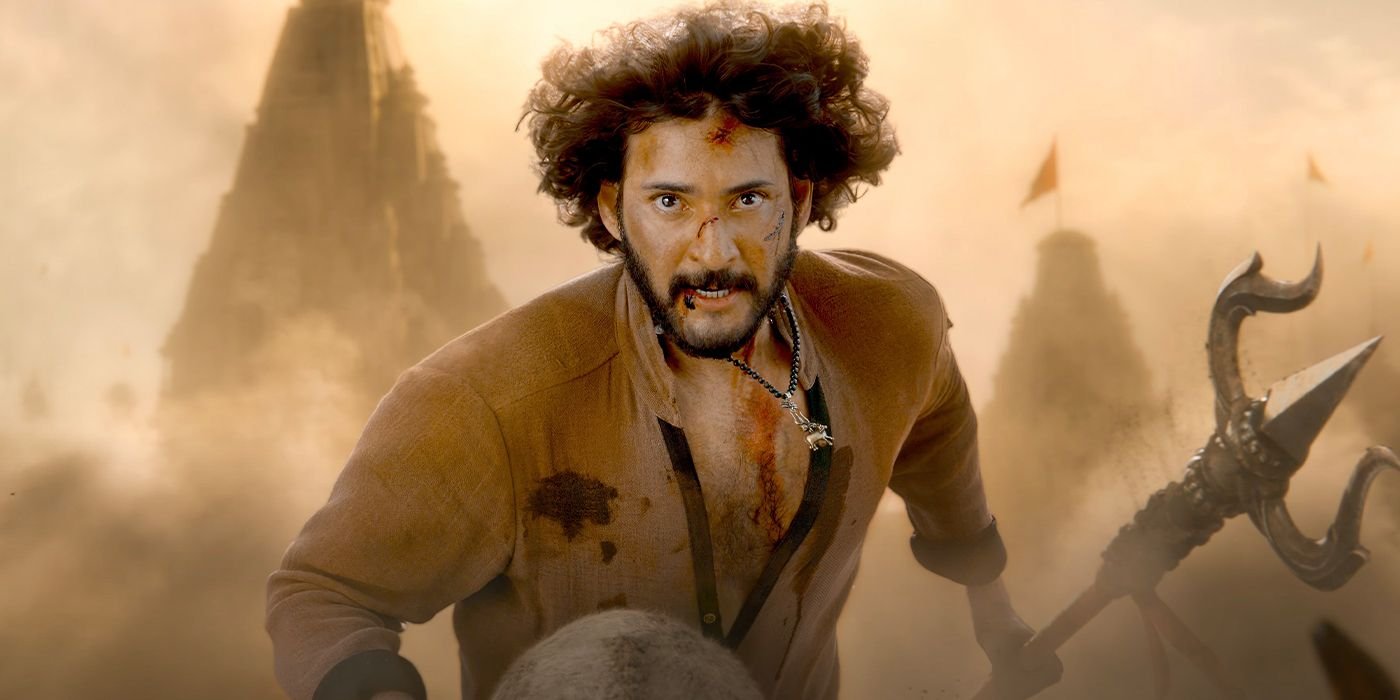
Rajamouli returns with Varanasi — a new scale of spectacle
S.S. Rajamouli, the filmmaker behind global hits like Baahubali and RRR, is back with Varanasi — a mythological adventure that promises sweeping visuals, deliberate slow‑motion beats and select sequences crafted specifically for IMAX. Speaking with Collider during an on‑site conversation in India, Rajamouli outlined how this next epic differs from his previous work, why he embraced IMAX in a visible way, what audiences can expect from the story and runtime, and how praise from Hollywood heavyweights like James Cameron affected him.
Varanasi centers on Rudhra (Mahesh Babu), a Shiva devotee tasked with recovering an ancient cosmic artifact. His quest takes him through layers of history and emotion as clues lead him from one epoch to another — and ultimately to the revelation that the person who sent him is an antagonist intent on world domination. Priyanka Chopra‑Jonas plays Mandakini, while Prithviraj Sukumaran portrays the menacing Kumbha.
The film is written by Vijayendra Prasad and Rajamouli, produced by K.L. Narayana and S. S. Karthikeya, and currently slated for global release on April 7, 2027.
What Rajamouli learned from RRR — and how he responded to Cameron
Rajamouli said the international embrace of RRR opened doors and led to memorable encounters with filmmakers he admires. He described meeting James Cameron and hearing Cameron — and Cameron’s wife — discuss detailed aspects of RRR as surreal, admitting he was “pinching myself” to make sure it was real. Still, Rajamouli stressed that commercial success doesn’t dictate his creative choices; his real pressure comes early in development when choosing among multiple story ideas.
He framed Varanasi not as a rehash of what worked before but as an attempt to create new emotional peaks. “It’s about the experience,” he told Collider — a promise that the film will transport viewers into vast cinematic worlds both visually and emotionally.
Slow motion: planned on the page, not improvised on set
A signature of Rajamouli’s style is his careful use of slow motion to underline emotional and narrative climaxes. Rather than deciding these moments on set or in the edit bay, Rajamouli says he maps them out during the writing phase. The slow‑motion beats are deliberate story choices — the “peak moments of emotion” — and are integrated into the film’s DNA long before cameras roll.
An unapologetic IMAX strategy
Rajamouli is a self‑professed IMAX fan and made a conscious decision to shoot specific sequences for the format. Financial and production realities mean he couldn’t make the entire film in full IMAX, but he embraces the aspect ratio shifts rather than trying to disguise them. After consulting with IMAX technicians, he rejected the idea of hiding transitions between aspect ratios; instead he wants the audience to feel the moment the frame expands.
That choice paid off during a first look screening, he said: when the teaser opened from cinemascope to full IMAX, the audience reaction was audible. Rajamouli deliberately picks the moments that will “open the screen to a larger world” so viewers experience that pay‑off in the theater.
Crafting the trailer: visuals first
The film’s teaser began as pencil sketches in October, Rajamouli explained. He wanted visuals to do the work rather than exposition — a string of images that communicate scale and mood. Selection was intuitive: if a sequence felt right, it was kept. Artists then refined those images into the teaser, often working intense hours to deliver the final pieces.
Antagonist, tone and the line between myth and sci‑fi
Asked about Kumbha — the film’s primary antagonist played by Prithviraj Sukumaran — Rajamouli emphasized that Varanasi is rooted in fantasy and mythology rather than pure science fiction. Although some sequences may “feel like” sci‑fi, the world he’s building is mythological in its emotional and visual vocabulary.
Prithviraj’s Kumbha reportedly required a focused, restrained performance: the actor conveyed menace largely through expression rather than broad physicality. Rajamouli said he enjoys crafting strong antagonists and that presenting Kumbha was a particular joy.
The technical hurdles: Ramayana episode and ambitious sequences
Production challenges include a complex Ramayana‑inspired episode that Rajamouli flagged as especially VFX‑heavy — a sequence already shot that will demand a significant postproduction effort. He also cited a currently filming set piece that combines multiple technologies as one of the more technically demanding parts of the shoot.
As of the November 2025 interview, Rajamouli reported the production was roughly 50% complete and projected a wrap of principal photography by June 2026.
Rehearsal filming and the actor process
Rajamouli described an unusual rehearsal method: shooting test takes with actors in casual clothes, editing those tests, and using the edited footage to inform the final production. This approach helps actors, the cinematographer and the production designer find the beats and poses that best convey emotion. Multiple cameras capture those exploratory moments so the team can analyze pacing and performance before filming the definitive version.
Music, runtime and creative freedom
On the subject of music, Rajamouli said he won’t try to replicate RRR’s global musical phenomenon. Instead he aims to find the right emotional highs for Varanasi — the film’s songs and score will be tailored to its distinct tone and world. “We should concentrate on how to make that high higher or bigger,” he explained, rather than reusing past formulas.
Regarding runtime, Rajamouli tends to let the story determine length. He estimated Varanasi will likely fall just under three hours, consistent with many of his recent films: long enough to serve the narrative, but not extended for its own sake. Ultimately, he argued, runtime matters less than whether the content sustains audience engagement.
What to expect and where Varanasi sits in Rajamouli’s career
Rajamouli frames Varanasi as an experience film: designed to immerse audiences through scale, crafted emotional moments and a blend of practical and digital effects. While the film shares the epic ambition of RRR and Baahubali, he is intent on delivering something distinct in tone, music and structure.
With a star cast, a director known for blockbuster storytelling, a selective IMAX strategy and complex VFX sequences on the horizon, Varanasi is shaping up as Rajamouli’s next major cinematic event, arriving April 7, 2027.