
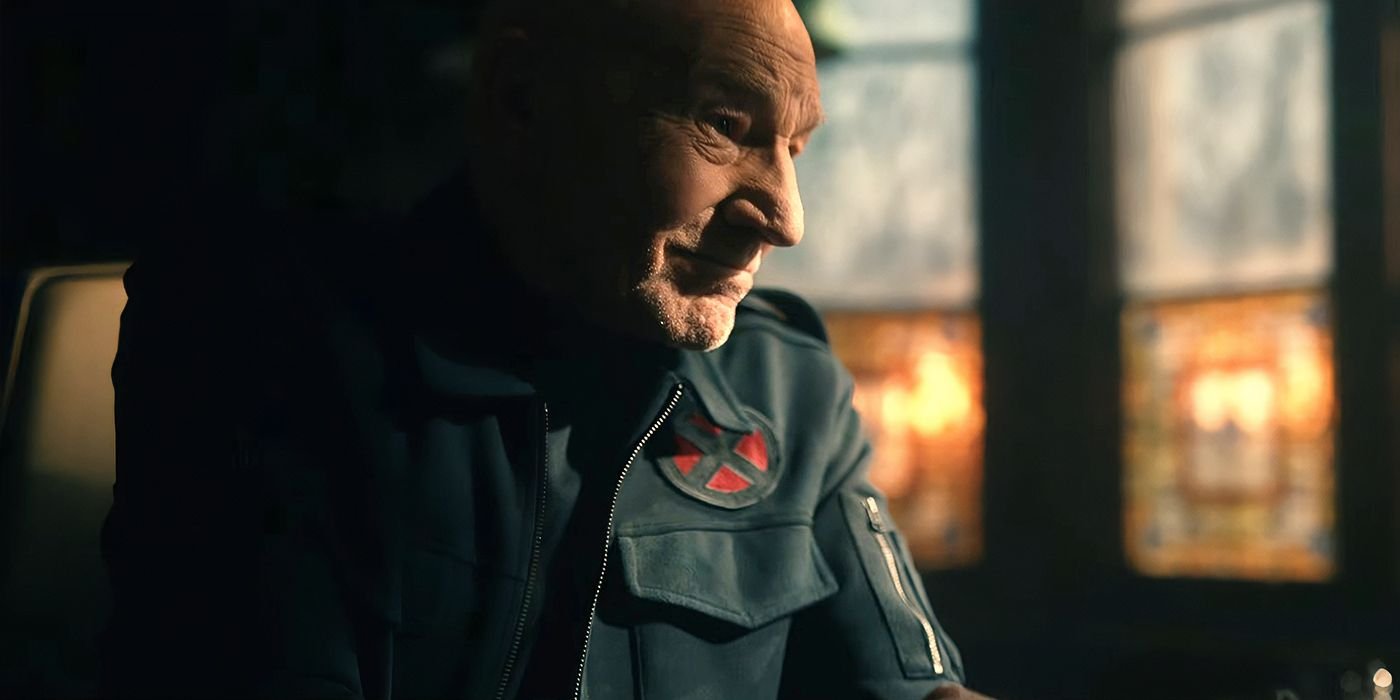
The MCU’s X‑Men moment is coming — and Damage Control is waiting in the wings
Marvel Studios is gearing up for a major phase of its franchise that will finally fold the X‑Men into the Marvel Cinematic Universe. Avengers: Doomsday — expected to bring together actors from 20th Century Fox’s X‑Men films with the existing Avengers ensemble — is only the opening act. A new X‑Men feature from director Jake Schreier is already on the slate, and Avengers: Secret Wars looms as a follow‑up. As Marvel rebuilds the mutant side of its universe, one unlikely organization has resurfaced as a potential linchpin: the Department of Damage Control.
Damage Control — a group originally conceived to mop up the literal and legal messes left after superhero battles — has been part of Marvel Comics for decades. Its journey from a niche comic premise to a nearly produced TV series and then to recurring MCU antagonist reveals how an offbeat concept could become a core X‑Men antagonist that reframes the franchise’s themes.
From comic gag to workplace drama: the original Damage Control idea
Damage Control began in the comics as the brainchild of writer Dwayne McDuffie and artist Ernie Colón. The concept answered a simple, tongue‑in‑cheek question: who deals with shattered buildings, hazardous debris and evidence left behind after superpowered confrontations? McDuffie pitched the idea as a workplace ensemble — a sitcom‑style look at people whose unusual job puts them at the center of extraordinary events, with superheroes and villains serving as background characters rather than leads.
That orientation — focusing on ordinary workers navigating the extraordinary — is what made Damage Control distinct in the Marvel catalog. It treated the superhero landscape as a setting for character comedy and procedural grind rather than another costumed adventure.
The 2015 TV attempt that never aired
In 2015 Marvel and ABC announced plans to adapt Damage Control for television, with The Daily Show writer Ben Karlin attached to develop the project. The intention echoed the comics: a half‑hour comedy that mines the aftermath of superpowered mayhem for workplace humor and social observation. Although a 2016 release was initially discussed, the series stalled in development and never reached air.
The idea wasn’t without precedent in network television. NBC launched Powerless in 2017, a single‑season comedy set in the DC Universe that centered on civilians developing products to keep citizens safe from collateral damage. Powerless struggled to find an audience and was canceled after one season, demonstrating the challenge of translating superhero adjacent workplace comedy into mainstream television.
Damage Control’s reinvention in the MCU
Rather than disappearing, Damage Control was folded into the MCU in a very different form. The organization first appeared in Spider‑Man: Homecoming as a government contractor tasked with cataloguing and confiscating alien and high‑grade weaponry left at battle sites. Its role expanded in Spider‑Man: No Way Home, where agents sought to hold Peter Parker accountable for events tied to Mysterio’s death. Subsequent Disney+ projects such as Ms. Marvel and Wonder Man have continued to depict the Department of Damage Control as more authoritarian and antagonistic — an agency willing to pursue and detain superhumans.
The MCU’s darker take on Damage Control draws on comic precedents. In the Wolverine storyline “Vendetta” (by Marc Guggenheim and Humberto Ramos), the organization’s leadership is revealed to be corrupt: the CEO Walter Declun covertly manufactures crises to profit from cleanup and reconstruction. While the MCU hasn’t copy‑and‑pasted that plot, the cinematic Damage Control similarly employs questionable tactics and broad enforcement powers, suggesting a throughline from bureaucratic comedy to institutional threat.
Why Damage Control is a natural X‑Men antagonist
The X‑Men mythos revolves around persecution, fear and the political machinery that targets marginalized groups. Classic mutant villains like Magneto and Apocalypse operate on a personal or ideological scale; Damage Control presents something different — a state‑level, technocratic threat that could institutionalize mutant suppression rather than wage open war.
On the practical side, Damage Control’s use of drones in Ms. Marvel already evokes the concept of Sentinels — the giant mutant‑hunting robots that are among the X‑Men’s most iconic enemies. If the agency continues to develop automated enforcement systems, it could evolve into a government apparatus that builds or deploys Sentinel‑like machines, giving the X‑Men an antagonist rooted in policy, surveillance and infrastructure rather than sheer brute force.
New casting rumors and comic antecedents
Reports have circulated that actor Tramell Tillman may play William Metzger in Spider‑Man: Brand New Day, a character who, in the comic miniseries X‑Men: Children of the Atom by Joe Casey and Steve Rude, led an anti‑mutant militia. That would dovetail with the idea of Damage Control as an ideologically driven organization rather than merely a cleanup crew. While this casting and character connection remain unconfirmed and should be treated as rumor, the possibility illustrates how Marvel could fold comic elements into the MCU’s evolving political landscape for mutants.
What this means for the MCU’s mutant stories
Using Damage Control as a primary foil allows Marvel to explore the X‑Men’s themes from a contemporary angle: legislation, surveillance, corporate profit from catastrophe, and the normalization of punitive measures against “othered” populations. Framing the threat as institutional and legalists lets filmmakers probe civil‑rights analogies and public policy debates, offering a different kind of drama from the mythic or cosmic threats audiences have seen before.
For director Jake Schreier — tapped to helm an upcoming X‑Men movie — that opens storytelling possibilities that are grounded, topical and resonant. A conflict with Damage Control can play out in courtrooms, newsrooms and city streets as easily as on battlefields, giving the franchise room to expand tonal range while remaining true to the core mutant themes.
What to watch next
Short term, the MCU’s X‑Men road map includes Avengers: Doomsday and Avengers: Secret Wars, with Spider‑Man: Brand New Day arriving in theaters on July 31, 2026. Ms. Marvel and Wonder Man are streaming on Disney+, where Damage Control’s current posture is visible for viewers tracking how the agency might evolve.
As Marvel integrates the X‑Men, Damage Control — once conceived as a comic relief ensemble — could become the franchise’s most interesting institutional antagonist: less a single supervillain and more a system that forces heroes and mutants to fight for rights, representation and survival. Whether the studio leans into that potential remains to be seen, but the groundwork is already in place.