
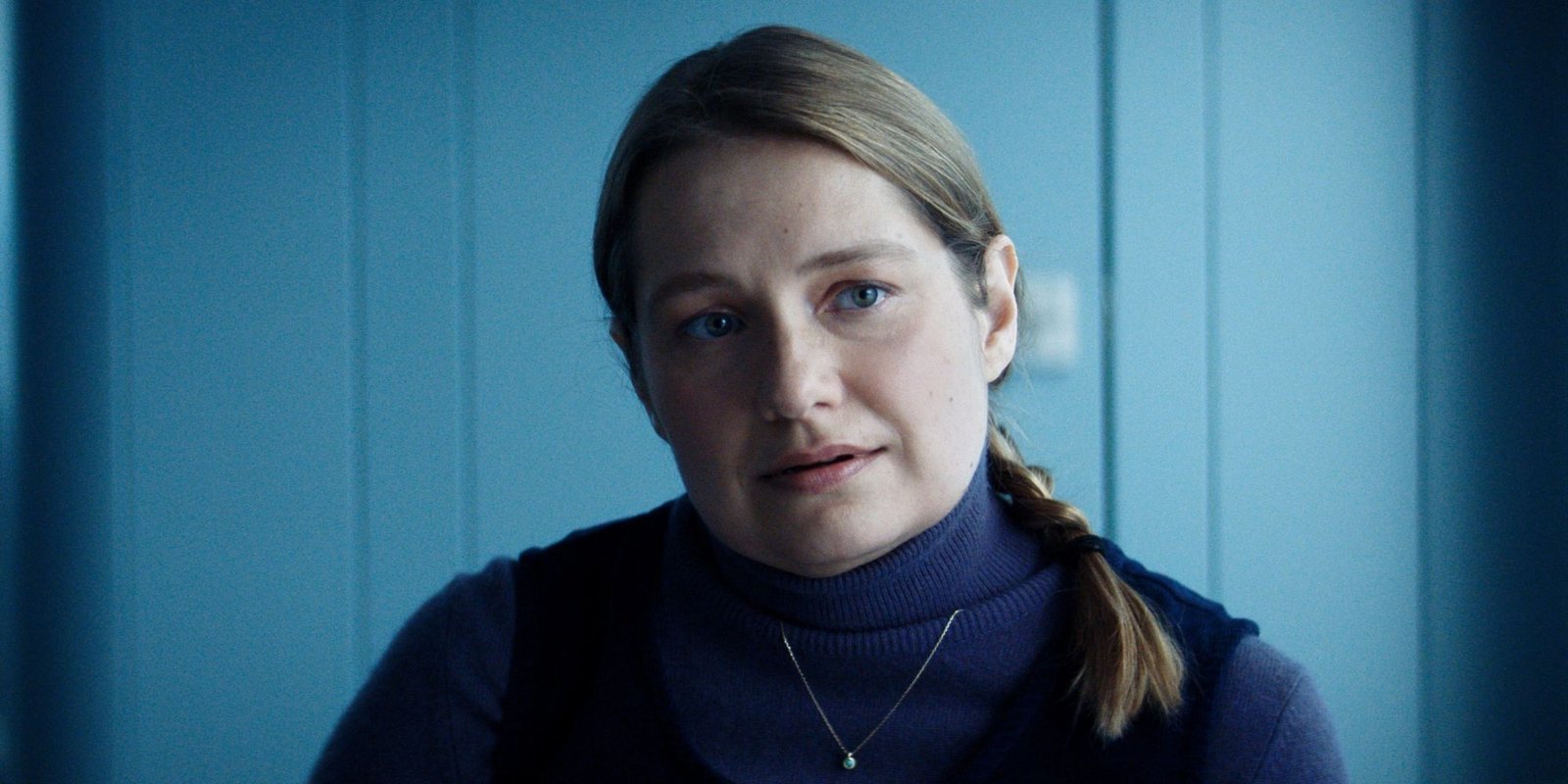
Apple’s acquisition: the basics and why it matters
Apple TV+ has purchased the intellectual property rights to Severance from production company Fifth Season in a reported $70 million deal. That move transforms Apple from distributor into the series’ studio partner, giving the streamer full creative and financial control over one of its most acclaimed sci-fi shows. Alongside the acquisition, Apple has greenlit four seasons and indicated production on Season 3 could begin as early as summer 2026.
For viewers, the practical takeaway is straightforward: with Apple footing more of the production bill, the long gaps that have frustrated fans may finally shrink.
The problem Apple is trying to solve: costly, time-consuming production
Severance is expensive and logistically complex to produce. Episodes cost millions to shoot, and the show’s intricate production needs — detailed sets, carefully choreographed sequences and extensive post-production — demand time and money. Season 2 followed the first after a three-year hiatus, a delay driven in part by the series’ high per-episode costs and the financing structure that previously relied on outside partners and New York tax credits.
By acquiring the IP, Apple can internalize those costs and financing decisions. That reduces the reliance on external backers and the paperwork that can push schedules out by years, making more predictable and frequent production cycles feasible.
How creative complexity contributes to long waits
Beyond money, Severance’s storytelling itself contributes to lengthy turnarounds. Creator Dan Erickson and the show’s creative team have described the series’ dense plotting and careful worldbuilding as time-intensive. Crafting scripts that satisfy the narrative’s ethical and philosophical stakes — while maintaining the show’s tonal precision — requires extra development time compared with more conventional TV productions.
With Apple now overseeing the production pipeline, the company can streamline decision-making between writers, directors and financiers, which should help the creative team focus on story rather than fundraising or logistical hurdles.
What fans can reasonably expect next
- Season cadence: Apple’s commitment to at least four seasons and earlier production timelines suggests shorter gaps between installments than the three-year pause after Season 1.
- Season 3 timing: Production could begin as early as summer 2026, though official release dates have not been announced.
- Financial backing: With Apple absorbing key production costs, the show is less likely to stall due to funding shortfalls or complex financing arrangements tied to tax incentives.
While Apple’s involvement doesn’t guarantee a season every year, it makes a return to a more regular release rhythm much more likely.
Broader implications for streaming and prestige TV
Severance’s situation highlights a broader tension in the current streaming era: high-concept prestige shows are costly to produce, yet audiences expect faster turnarounds than the multi-year waits that have become common. Major streamers taking deeper ownership of valuable properties could become a model for reducing delays on flagship series — but it also concentrates more creative and financial control within single platforms.
For viewers, that concentration can be positive if it delivers steadier releases and sustained creative investment. For creators, it may mean clearer production pathways but also greater platform oversight.
Where Severance sits now creatively
Severance remains one of Apple TV+’s most talked-about sci-fi dramas, praised for its cast — including Adam Scott and Britt Lower — its meticulous production design, and its willingness to tackle philosophical and ethical questions. Ben Stiller’s early directorial involvement helped raise the series profile, and the creative core around Dan Erickson has continued to expand the show’s narrative scope.
With Apple positioned to support the show across multiple seasons, the hope among critics and fans alike is that the show will regain momentum without sacrificing the quality that made it a standout.
Bottom line
Apple’s reported $70 million acquisition of Severance’s IP and its decision to greenlight multiple seasons mark a strategic effort to end the long waits that have frustrated viewers. By taking on more of the financial burden and centralizing production, Apple increases the likelihood of shorter hiatuses and steadier release schedules — a welcome development for fans eager for answers and for the next chapter of one of the streaming era’s most inventive sci-fi dramas.