Blumhouse secures two high‑profile writers for Dead by Daylight adaptation
Blumhouse Productions has taken a major step toward turning Dead by Daylight into a feature film, signing two established horror creatives to write the project: screenwriter David Leslie Johnson‑McGoldrick and filmmaker Alexandre Aja. The pairing unites a writer with deep franchise experience and a director‑turned‑writer known for visceral genre work, a combination Jason Blum framed as ideal for translating the game’s tension to the screen.
Jason Blum commented on the hires, saying: “What David and Alexandre bring to Dead by Daylight is a rare balance of character driven storytelling and relentless genre intensity. Drawing from survival horror and psychological terror, their work establishes a world where fear is not just experienced, but earned. It is a cinematic blueprint designed to attract a director who can elevate that vision through performance and scale.”
Why these writers matter
- David Leslie Johnson‑McGoldrick is a veteran screenwriter with high‑profile horror credits, bringing experience crafting sustained tension and franchise storytelling.
- Alexandre Aja is a director and writer known for hands‑on, intense horror films; his involvement signals a willingness to lean into visceral scares and atmospheric dread.
Together, the two should be able to balance character development with the relentless threat at the center of Dead by Daylight — a balance Blumhouse says will help attract a director capable of delivering both performance and spectacle.
Dead by Daylight: a living tribute to horror and a unique adaptation challenge
Dead by Daylight launched as a multiplayer survival‑horror game and has grown into a long‑running title with a dedicated player base and frequent updates. Its core premise is simple but potent: four survivors try to escape a single, player‑controlled killer in a tense, asymmetrical match. The game’s success comes from both original killers and an expanding roster of licensed characters drawn from horror pop culture.
Key features of the game relevant to an adaptation:
- Asymmetrical, multiplayer premise that centers on cat‑and‑mouse tension.
- An evolving roster that includes original creations and crossover characters from franchises like Saw, Stranger Things, Nightmare on Elm Street, Resident Evil, and Silent Hill.
- A persistent, modular structure that lends itself to episodic content but poses challenges for a single‑film narrative.
Those last two points create both creative opportunity and legal complexity. Many crossover characters are the intellectual property of other rights holders, which limits which familiar faces can appear on screen. At the same time, the game’s flexible mythology — an Entity that draws killers and survivors into its realm — gives screenwriters a structural hook for crafting an accessible, film‑friendly storyline without relying on licensed cameos.
Blumhouse’s recent track record with game and horror adaptations
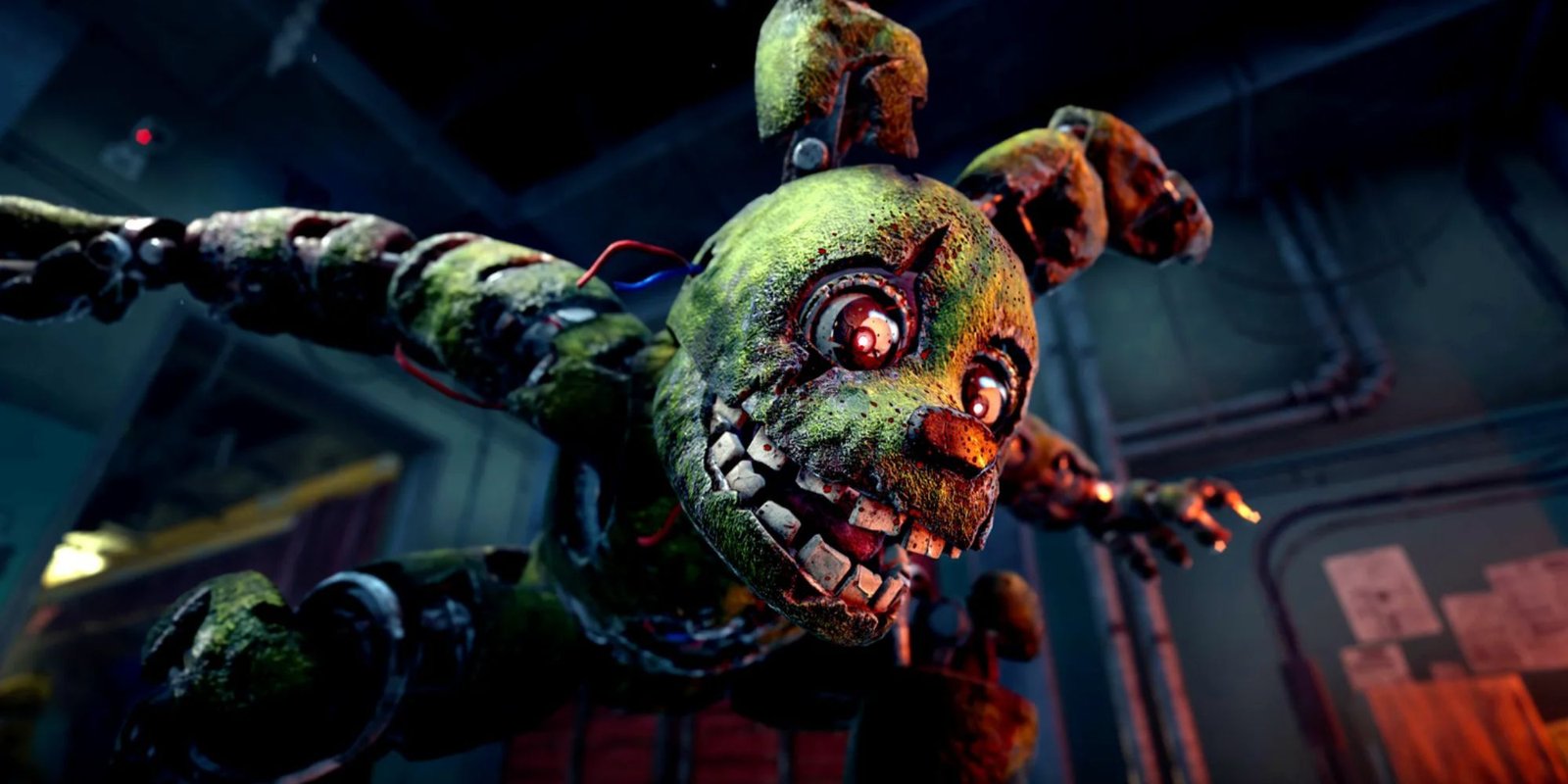
Blumhouse has been active in adapting video games and other IP in recent years. Its Five Nights at Freddy’s films, while divisive among critics, delivered significant box‑office and streaming returns, demonstrating that horror game properties can translate to commercial film success. The studio’s willingness to invest in recognizable horror properties—paired with marketing and platform support—makes it a logical home for a Dead by Daylight movie.
Blumhouse’s prior relationships with certain horror characters—through projects like Halloween and Five Nights at Freddy’s—may offer some familiarity with translating licensed horror icons to film, but cross‑franchise inclusions will depend on licensing and rights negotiations.
What to expect next
- Script development: With Johnson‑McGoldrick and Aja penning the screenplay, the project will likely focus on a contained story that captures the game’s survival‑horror ethos while providing strong central characters.
- Directing and casting: Blum’s statement suggests the studio plans to use the script to attract a director who can elevate both performance and scale. No director or cast has been announced.
- Scope and tone: Expect an emphasis on psychological tension and physical threat — the hallmarks of both writers’ resumes and a natural fit for Dead by Daylight’s premise.
Why this adaptation matters for horror and gaming crossovers
Dead by Daylight is emblematic of modern horror’s cross‑pollination with gaming: it borrows from and celebrates genre touchstones while building its own mythology and community. A successful film could do more than capitalize on name recognition; it could provide a template for adapting asymmetric, multiplayer experiences into single‑narrative cinema — preserving the game’s dread and stakes while giving viewers a clear emotional throughline.
Blumhouse’s move to pair experienced horror storytellers with a property that thrives on fear, escalation, and character survival positions the studio to try and deliver a film that satisfies both fans of the game and mainstream horror audiences. Further details on director, casting, and release timing are not yet available. Stay tuned for updates as the script and production package take shape.