A triumphant return clouded by controversy
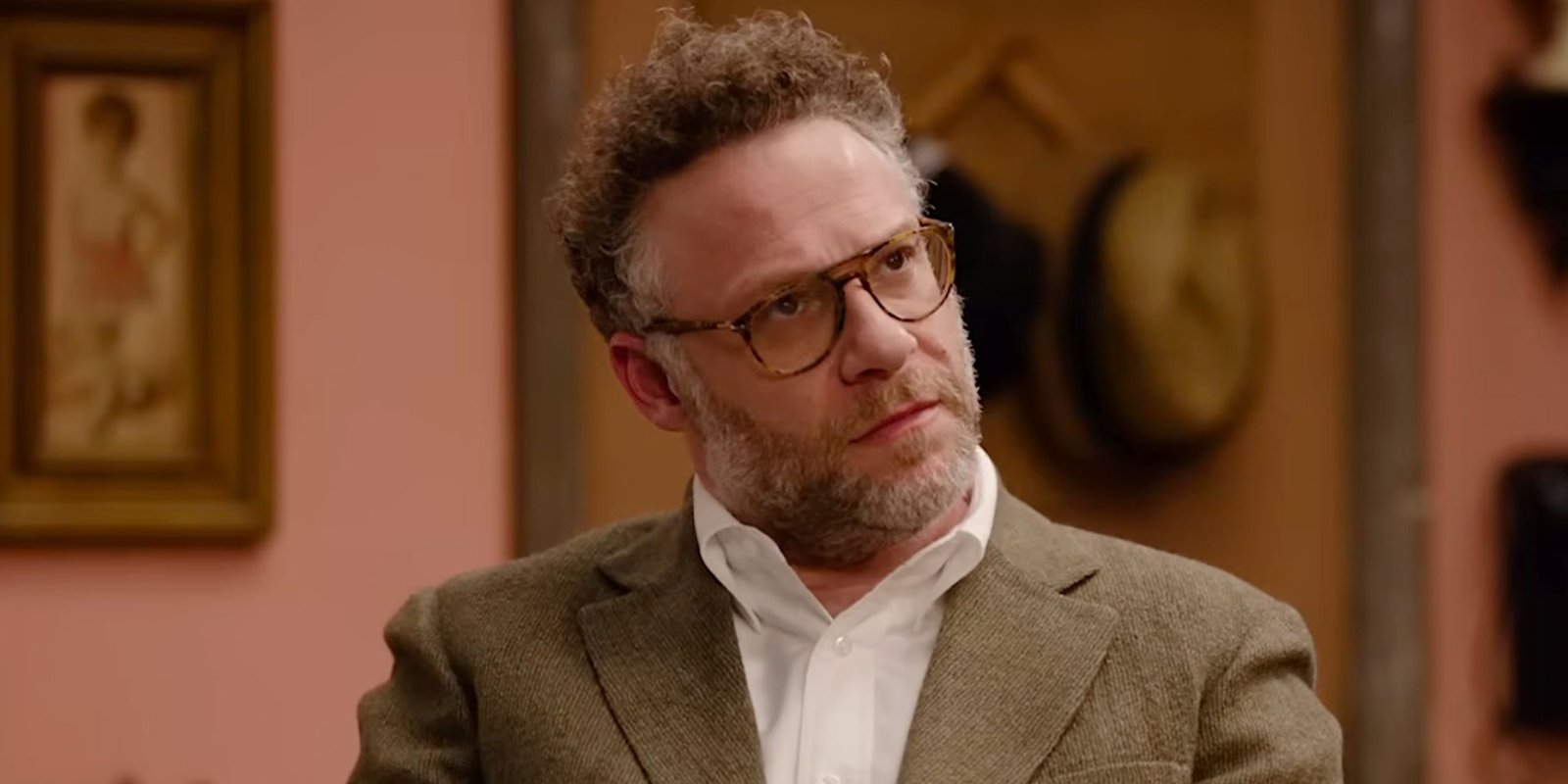
The Muppet Show staged a nostalgic comeback with a Disney+ special that reunited Kermit, Miss Piggy, Fozzie Bear and other beloved characters alongside high-profile guests such as Sabrina Carpenter and Seth Rogen. Early audience response and streaming numbers signaled a hit—ratings climbed and the special landed prominently in Disney+ viewership charts. But celebration quickly turned to criticism after fans discovered that an image used to promote the show was at least partly generated with AI.
The episode highlights a growing tension: audiences praising a production for its tactile charm and human craft, while corporate marketing experiments with artificial intelligence that can dilute the very qualities viewers cherish.
How fans discovered the AI usage
The Muppet-themed podcast Kermitment flagged the issue first, publishing an extended thread on X that pointed to visual inconsistencies in Disney+’s promotional header for the special. Most notably, Miss Piggy was depicted without her customary gloves—an odd omission for a character whose accessories are as much a part of her identity as her voice and personality. Fans who know the Muppets’ visual language immediately noticed the anomaly and amplified the criticism across social platforms.
Faced with mounting attention, Disney removed the image from its promotional placement. The incident may have been a single image, but it quickly became a flashpoint in a broader debate over how legacy characters should be represented in the age of generative AI.
Why the Muppets feel uniquely vulnerable to AI shortcuts
The Muppet franchise is rooted in hands-on craftsmanship: puppetry, practical effects, precise scale and human performance. Jim Henson’s original work established not only distinctive character designs but also a production approach in which every gesture, seam and prop contributes to personality. That tradition informs the new special’s creative team.
Director Alex Timbers explained to the Los Angeles Times the meticulous physical tricks that make Muppet interactions read correctly on screen: when two Muppets share a scene they are shot in roughly three-quarter scale, while scenes with humans require near full-scale adjustments to make proportions feel right. “There are all these little tricks to make sure that a mug feels the right size for Kermit and for that desk to feel the right height…The math of it is really challenging, but also really rewarding,” he said. Those craft-driven decisions are difficult to fake convincingly with a quick AI render.
Because the Muppets’ charm depends on tactile detail and performer nuance, many fans see AI-enhanced imagery as an affront to the artistry that defined the franchise. A poorly generated promotional image doesn’t just look off; it signals a potential shift away from the labor-intensive methods that make the characters feel alive.
A larger corporate push toward AI
The poster controversy didn’t occur in a vacuum. Disney has publicly signaled a move to integrate AI across its business. Reports indicate the company entered a multibillion-dollar arrangement with OpenAI that opens the door to broader licensing and generative-use cases for its intellectual property. Company leaders have also discussed plans to explore AI tools in creative workflows and distribution.
Those developments have fed fan anxiety. To longtime Muppet supporters, the idea of feeding Kermit and company through generative models—rather than preserving the puppetry, movement coaching and practical design—feels like a mismatch of values. Even if AI is used primarily for marketing, it raises questions about where the company places priorities: automation and scale, or the labor and craft that created these characters’ enduring appeal?
What this controversy signals for heritage properties
The Muppet kerfuffle is an early example of tensions likely to recur across franchises that depend on artisanal production methods. Key considerations for media companies include:
- Authenticity matters: For properties built on tangible craft—puppetry, stop-motion, hand-drawn animation—audiences are especially sensitive to visual fidelity and character detail.
- Transparency matters: When fans discover AI use after the fact, trust can erode quickly. Clear labeling or explicit statements about when AI is used (and why) would reduce confusion and backlash.
- Creative stewardship matters: Legacy characters carry cultural and emotional baggage. Decisions that prioritize efficiency or novelty over preservation of established aesthetics risk alienating core audiences.
- Internal use vs. public-facing assets: Studios may responsibly use AI in development pipelines, but promotional material for iconographic characters requires extra care to avoid eroding brand identity.
How Disney could respond constructively
If Disney wants to reconcile AI experimentation with fan expectations, a few practical steps could help:
- Preserve practical craft where it matters most: Keep puppetry, practical effects and performer-driven choices front and center in productions.
- Use AI thoughtfully and transparently: Reserve generative tools for low-stakes tasks or clearly label AI-generated assets used for marketing.
- Highlight the human work behind the scenes: Feature behind-the-scenes content that underscores the hands-on processes that bring Muppets to life, reinforcing the special’s authenticity.
- Engage the fan community: Solicit fan feedback on visual assets and marketing to avoid tone-deaf missteps.
Conclusion
The Disney+ Muppet special proved that the characters still resonate, but the flap over a single promotional image crystallized a broader cultural debate about AI’s role in entertainment. For franchises defined by human craft and tangible artistry, even small visual slips can provoke big reactions. As studios experiment with generative tools, they will need to balance innovation with respect for the aesthetic and emotional work that made these characters timeless. The Muppets’ comeback is an opportunity for Disney to demonstrate that technology can augment—not replace—the hands-on creativity at the heart of the franchise.