
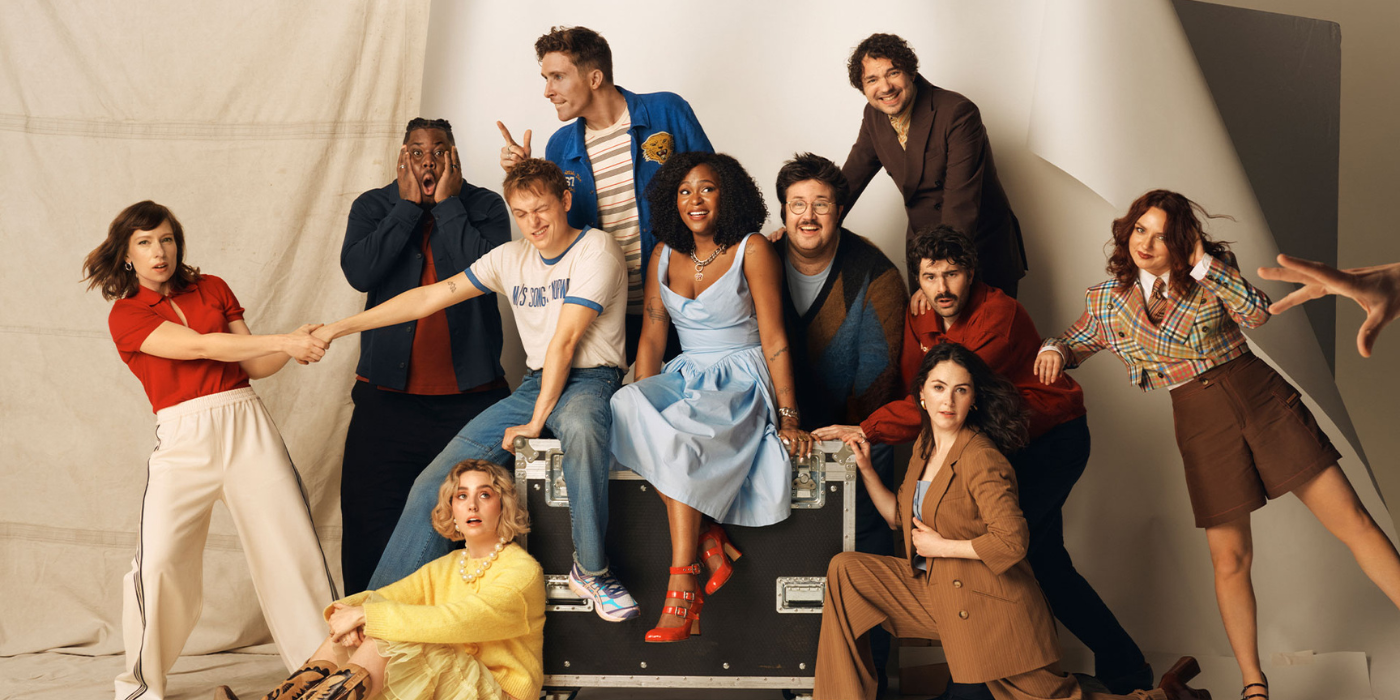
A familiar format lands in a new place
Saturday Night Live is coming to the UK this March, and its debut has reignited a familiar question: can a show so tied to American late-night culture translate to British audiences? Sky’s new series will follow the classic SNL structure — an opening monologue, live sketches and a musical guest — but promises to be “reimagined through a British lens.” With executive producer James Longman, whose credits include Friends: The Reunion, Never Mind the Buzzcocks and The Late Late Show with James Corden, the production is aiming to adapt the format rather than simply transplant it.
When the cast was revealed, surprise and skepticism were the immediate reactions. Instead of household names or familiar panel-show regulars, the 11-person ensemble is largely made up of performers who are, for most viewers, new faces. That unfamiliarity is the point — and it may be exactly what the UK comedy ecosystem has been missing.
Who’s actually in the cast?
The announced ensemble is intentionally low-profile at this stage. A few members will be recognisable to dedicated comedy followers or viewers of specific shows:
- Ania Magliano — known to some from Taskmaster and The Frank Skinner Podcast.
- Al Nash — a performer with a growing social-media presence, visible on short-form video platforms.
- Annabel Marlow — who previously appeared in the stage production Six as Katherine Howard.
- Larry Dean — who has been seen on panel and quiz programmes such as QI.
Beyond these names, most of the cast are not widely established on mainstream television. That lack of prior exposure is stirring debate: some see risk, others see opportunity.
Why this casting strategy matters
For decades, British comedy routes into television have been narrow. Two traditional pipelines stand out:
- The Cambridge Footlights, a student society with a long track record of producing household names — alumni include Stephen Fry, Olivia Colman, John Oliver and Emma Thompson.
- The Edinburgh Fringe Festival, which for many performers has been the springboard from live shows to panel appearances and stand-up showcases like Live at the Apollo.
These routes offered clear advantages to performers with certain educational or financial access. Over time, producers also leaned on tried-and-true roster names for panel shows and topical comedy, making it harder for new voices from less conventional backgrounds to break through.
That landscape has shifted in recent years. Social platforms such as TikTok and Instagram have lowered technical barriers and opened direct channels to audiences. Creators can now test sketches, build followings and demonstrate what works in real time without relying on traditional gatekeepers. A UK edition of SNL that recruits largely unfamiliar talent could formalise a pathway from social media and small clubs into mainstream television and live-network comedy — if it succeeds.
The practical and cultural hurdles
There are real challenges ahead for the cast and the show:
- Audience scepticism: British viewers often expect comedians to “prove” themselves. A show launching with unknown performers is likely to be judged harshly at first, and some segments of the public may be predisposed to mock early failures.
- Tall poppy syndrome: Successful British figures who rise quickly can attract disproportionate criticism, as seen in public responses to other cross-Atlantic success stories. New performers will need to navigate that cultural tendency.
- Platform limits: SNL UK will air on Sky, a subscription network. That reduces immediate reach compared with free-to-air channels and means first impressions may be formed primarily through isolated clips circulating on social media rather than whole episodes viewed in context.
All of these factors increase the pressure on the initial run, which is reportedly a limited series. The format’s live element and the chance to showcase sketches in front of an audience are valuable, but they also magnify early stumbles.
What success would mean for British comedy
If SNL UK finds its footing, the upside is significant:
- A new bridge from online platforms and fringe venues into national television and live-network performance.
- More diverse entry points for comedians who don’t come from traditional institutions like Footlights or who didn’t emerge through the Edinburgh-to-panel-show pipeline.
- A chance for viewers to discover fresh comic voices and for performers to develop their craft under the spotlight of a high-profile format.
Even failures would be informative: learning what translates, what doesn’t and how the format could be tailored to British sensibilities in future seasons.
A cautious but welcome shake-up
Saturday Night Live UK is a gamble. It resurrects a tried-and-tested format yet deliberately populates it with unfamiliar talent at a time when many viewers crave novelty but can also be unforgiving. That combination makes the project risky — and potentially transformative.
Whether audiences warm to this cast or not, SNL UK represents a broader shift in how new comedic talent can be discovered and promoted. For a scene that has long relied on narrow entry points, a successful SNL UK could be a rare, structural change: a live, mainstream showcase that validates performers from a wider range of backgrounds and creative origins. That alone makes its arrival worth watching.