
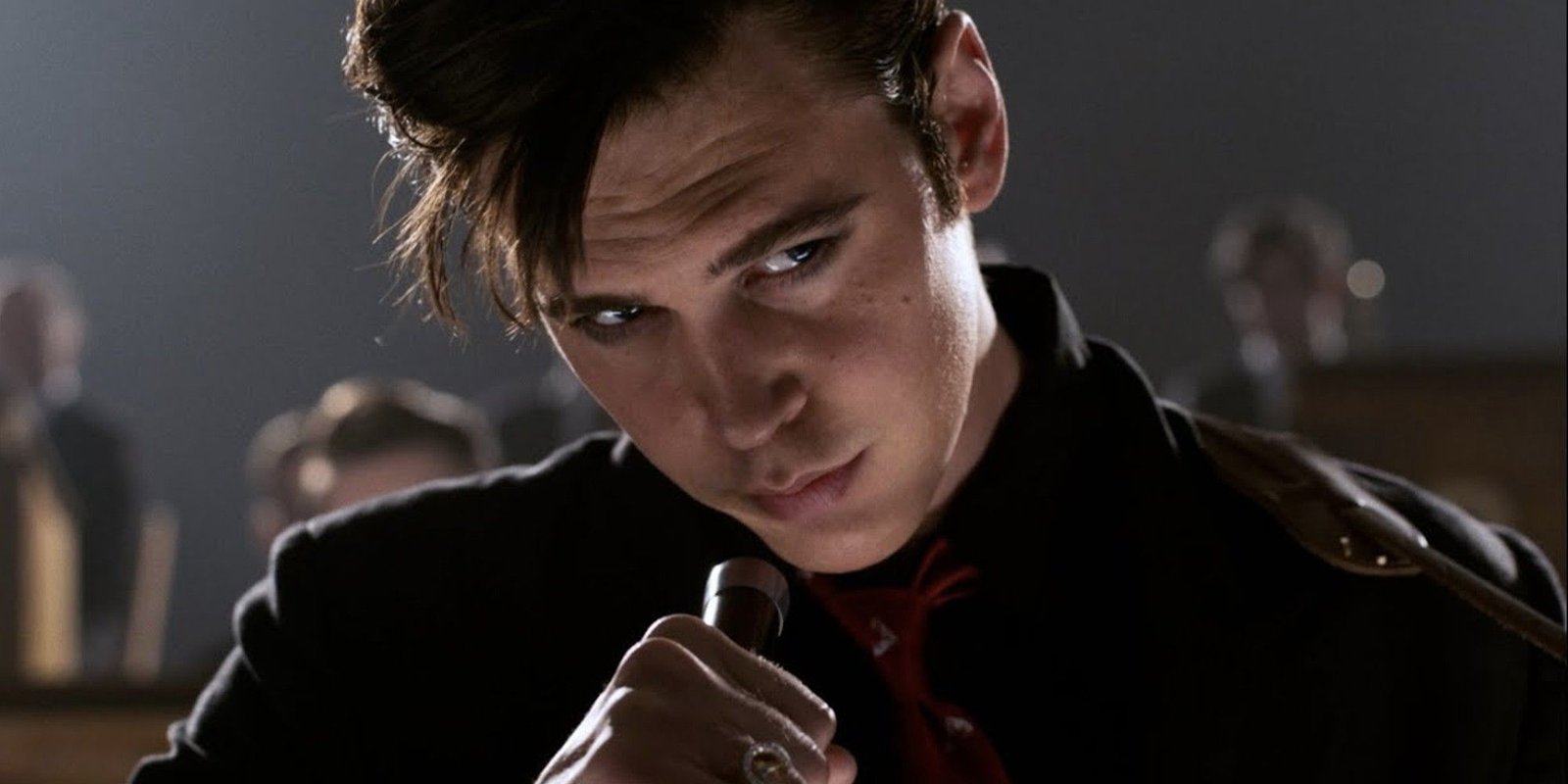
Rediscovering a King: The 69 Boxes That Changed the Project
While preparing his acclaimed 2022 biopic Elvis, Baz Luhrmann and his research team stumbled into what he describes as a near-mythic archival find: 69 boxes holding roughly 59 hours of previously unseen film negative. Stored for years in Warner Bros.’ underground vaults — the famously deep salt mines in Kansas — the reels had been largely forgotten, deteriorating and disorganized. That discovery shifted Luhrmann’s plans from adding archival clips to his feature into creating a new theatrical experience: EPiC: Elvis Presley in Concert.
More Than a Concert Film: A Poetic Reframing of Elvis
Luhrmann insists EPiC is neither a straight documentary nor a conventional concert movie. Instead, he calls it “more like a poem”: a sequence shaped around Elvis’s own voice and performances so the man, rather than the myth, is front and center. The finished work runs roughly 90 minutes and stitches together live-stage footage from the 1970s with rare audio — including an unexpected spoken tape of Elvis reflecting on his life — to let Presley tell his story directly to viewers.
From Rotten Negatives to IMAX: The Recovery and Restoration Process
Recovering the material was only the first hurdle. Much of the film stock smelled of vinegar, a telltale sign of degradation; boxes had been mixed or stolen; and audio elements were often separated from picture. Luhrmann recounts an exhaustive, sometimes surreal, retrieval effort: cataloguing and consolidating scattered reels, tracking down magnetic tapes, and even dealing with private collectors and underground markets to reunite audio and image elements.
Once assembled, the restoration proved costly and technically demanding. Luhrmann partnered with IMAX and filmmaker Peter Jackson — whose team is known for meticulous film restoration work — to scan, clean, and remaster the negatives for giant-screen presentation. Luhrmann stresses that the revival relied on careful photochemical and digital craft rather than generative AI: the restoration removed physical aberrations and optimized prints so damaged 16mm and 8mm footage could hold up on IMAX screens.
Syncing Sound and Finding the Story
A crucial turning point was syncing disparate audio elements with the footage. Because sound was often stored on separate mag tapes, the team invested time and resources in matching performances to clean, usable audio. During that process they uncovered the recorded monologue of Elvis that became the film’s narrative spine. With those tapes as an organizing principle, Luhrmann and editor Jonno Redmond assembled thematic “beats,” cutting the material down until the film felt — in Luhrmann’s words — like an organic first-person account supported by music rather than a straight archival tour.
Financial and practical limitations also shaped editorial decisions. Restoring and remixing material to full cinematic standards is expensive; Luhrmann acknowledges that budget realities helped determine the final runtime and the scope of what could be included.
No AI Gimmicks — The Human Craft Behind EPiC
Luhrmann is clear about the techniques used: the project was rebuilt through hands-on restoration led by Peter Jackson’s team, not AI-driven frame-generation. The work focused on careful scanning of negatives, removing defects, and recreating the best possible prints for IMAX presentation. The result aims to preserve the texture of the original footage while making it accessible to contemporary audiences in a visually impressive format.
The Four-Hour Cut: A Director’s Cut, But Not Necessarily by Luhrmann
During interviews, Luhrmann revisited a subject that intrigued fans after the 2022 biopic: a roughly four-hour rough cut assembled during the making of Elvis. He says he isn’t opposed to a longer version being released, but he’s not intent on personally shepherding that project to completion. Instead, he floated the idea of handing the material to a younger filmmaker who shares his sensibility — “I’d be like Uncle Baz,” he told Collider — letting them shape it into a cinematic or episodic presentation while he provides notes. He also suggested that strong audience interest in EPiC will be the key to convincing the studio to greenlight further restoration or releases of longer versions.
Why Fans Matter: Audience Demand and Film Preservation
Luhrmann has been explicit about the role of fans in preserving and reusing archival material. He says box office performance and theater attendance for EPiC — especially during its IMAX engagement — will influence whether studios invest in scanning, restoring, and releasing more of what sits in vaults. Beyond Elvis, the director frames the discovery as a reminder of broader film-preservation needs: vast amounts of celluloid across studio archives may still be at risk, and public interest can drive studios to fund the costly work of rescue and digitization.
Luhrmann’s Next Move: Jehanne d’Arc (Joan of Arc)
As restoration work and EPiC promotion continue, Luhrmann remains committed to his next narrative project, a film about Joan of Arc (referred to in interviews as Jehanne d’Arc). He says he is “deep in it,” developing production design ideas and searching for the right actor and scale — including building sets evocative of medieval France. But for now his immediate focus is proving EPiC’s impact on the big screen.
Where and When to See EPiC
EPiC: Elvis Presley in Concert debuted in IMAX for a one-week engagement and is scheduled to open in wider release on February 27, 2026. The film is rated PG-13, runs approximately 90 minutes, and credits Baz Luhrmann as director with producers including Baz Luhrmann, Colin Smeeton, Jeremy Castro, Matthew Gross, and Schuyler Weiss. The project leverages archive footage of Elvis Presley in all archival appearances, restored and presented for modern audiences.
Closing Note
EPiC reframes archival material into a cinematic conversation with Elvis himself, combining newly recovered footage, rare audio, and large-format presentation to bring fans — old and new — closer to the performer’s late-career performances and personal reflections. Whether it leads to a longer director’s cut or prompts broader vault-scanning efforts depends as much on public appetite as it does on studio resources. For now, audiences can judge Luhrmann’s archival experiment on the big screen.