
A familiar formula, a different icon
The first trailer for Masters of the Universe arrives riding the same broad template that powered Barbie’s box‑office surprise: take a larger‑than‑life pop‑culture figure and drop them into the uneasy realities of the modern world. Where Barbie interrogated the cultural footprint of a doll and the systems that made it a symbol, Masters flips the premise to ask what happens when a mythic, straightforward hero confronts corporate life and existential malaise.
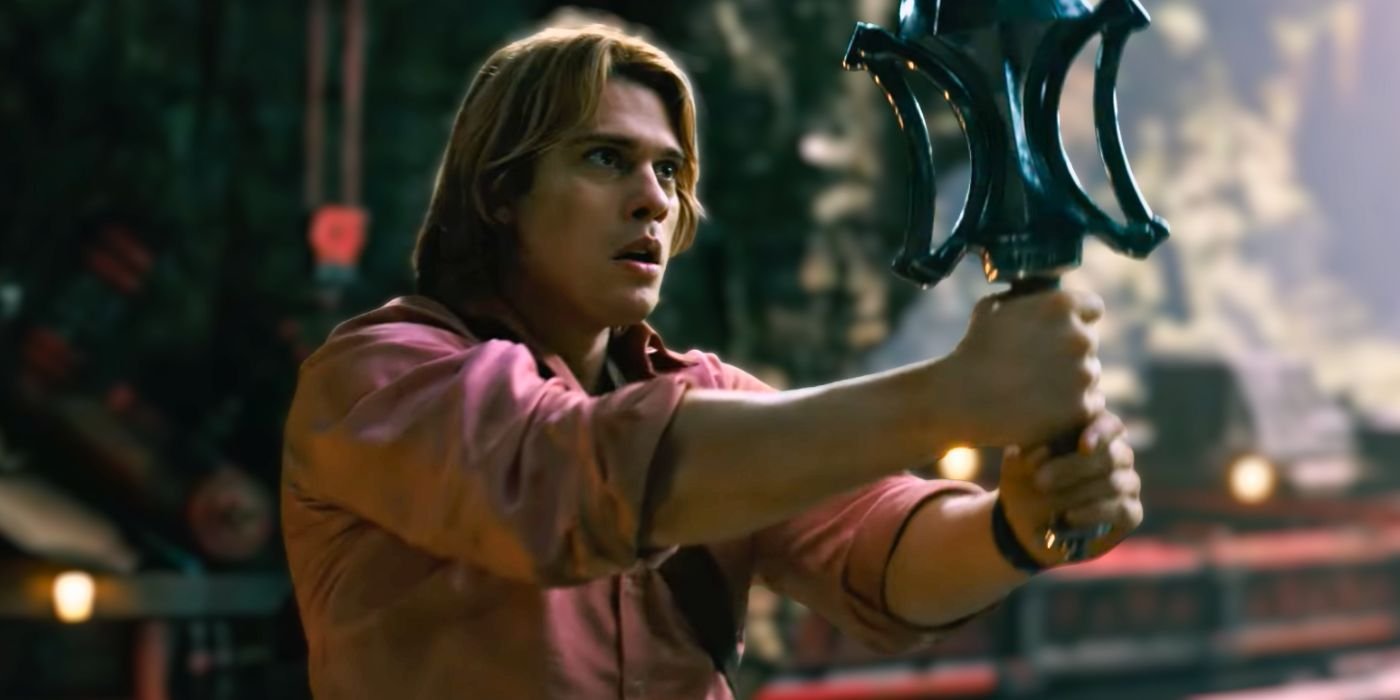
The teaser frames He‑Man — now living as Adam Glenn — not as a triumphant warrior returning to the battlefield but as a man trapped in office routine, distant from the purpose he once embodied. Friends and allies from Eternia, including Teela and Man‑At‑Arms, arrive to pull him back into a conflict against Skeletor, underscoring a fish‑out‑of‑water story that could be played for laughs, for pathos, or both.
What the trailer actually shows
The footage leans into contrast: sweeping, faithful visuals of Eternia and Castle Grayskull sit opposite drab office cubicles and corporate meetings. Key details from the trailer:
- Nicholas Galitzine plays Adam / He‑Man, a hero who appears to have been raised on Earth and is now living a life of corporate ennui.
- Camila Mendes portrays Teela; Idris Elba is Man‑At‑Arms; Jared Leto plays Skeletor; Alison Brie appears as Evil‑Lyn.
- The narrative hook centers less on reclaiming a throne than on rediscovering identity and purpose, prompted by visitors from Eternia.
- Visuals nod to the original cartoon’s iconography while modernizing the design for a contemporary spectacle.
These beats suggest the film is conscious of its legacy and is aiming to balance nostalgia with a contemporary emotional throughline.
How past toy adaptations inform expectations
Masters of the Universe isn’t the first time He‑Man’s been transported from sword‑and‑sorcery into modern contexts. The 1987 live‑action attempt notoriously juxtaposed the mythic hero and suburban America with uneven results; it remains a cult footnote rather than a critical success. That history raises reasonable caution: faithful replication of the source’s look won’t automatically translate into compelling cinema.
Recent toy‑based reboots provide a clearer blueprint. Films that found success treated spectacle and nostalgia as raw material to be shaped around character: readable emotional stakes, coherent tone, and a willingness to interrogate the icon’s place in the present. If Masters leans into that approach, it can avoid becoming mere post‑Barbie pastiche.
Why Travis Knight’s involvement matters
Travis Knight directing is one of the project’s most encouraging elements. His work — especially on Bumblebee and a string of animated films produced through Laika — shows a capacity to blend wonder with grounded feeling. Bumblebee recalibrated a franchise often associated with noisy CGI spectacle into a small, character‑driven story. Knight’s animation background, including production or directorial credits on titles that combine whimsy with melancholy, suggests he’s interested in emotional texture as much as visual flair.
That sensibility could be crucial for Masters of the Universe if the film wants to be more than a cascade of action set pieces. Knight’s past demonstrates an ability to center human (or humanized) stories within genre trappings.
The creative team and what they bring
The screenplay credits include David Callaham, the Nee brothers (Aaron and Adam), and Chris Butler. Together they bring a mix of action instincts and comedic sensibilities, which could help the film balance spectacle and character beats. Producers attached to the project include Jason Blumenthal, Robbie Brenner, Steve Tisch, and Todd Black.
This combination of writers and producers suggests the movie is aiming for a mainstream, crowd‑pleasing tone that still allows room for character work. How those voices align with Knight’s directorial instincts will largely determine whether the film lands emotionally.
Risks: imitation, spectacle over substance
There’s an obvious commercial incentive to emulate elements of Barbie’s cultural victory: self‑aware humor, cultural commentary wrapped in glossy production design, and cross‑generational appeal. But imitation is not the same as mastery. He‑Man’s core mythology is rooted in earnest heroism rather than satirical critique, so a direct copy of Barbie’s tonal playbook would feel mismatched.
Other pitfalls include an overreliance on nostalgia and a flood of set pieces that crowd out the quieter character moments. The trailer hints at a search for meaning rather than a simple reclamation of power — but that promise needs to survive the full movie’s pacing and editing.
Opportunities: carving a distinct identity
If the film trusts its premise and the emotional conflict at its center, it has a clear opportunity to differentiate itself. He‑Man’s journey from corporate malaise back to mythic purpose can be explored as a meditation on manufactured identities, work‑life alienation, and what it means to be heroic in an era that often values productivity over purpose. With thoughtful character beats, the movie could offer a sincere, modern fairy tale beneath the swords and spells.
Final take and release details
The trailer makes Masters of the Universe look like an attempt to fuse high fantasy nostalgia with present‑day emotional stakes — a strategy that paid off for other recent adaptations when handled with care. Whether the film achieves the balance between humor, heart, and spectacle will determine if this is a reinvention for a classic toy property or another entry in the post‑Barbie wave of tentpole mimicry.
Masters of the Universe is scheduled to be released in theaters on June 5, 2026.