
Dunk’s finale: closure, consequences and a new direction
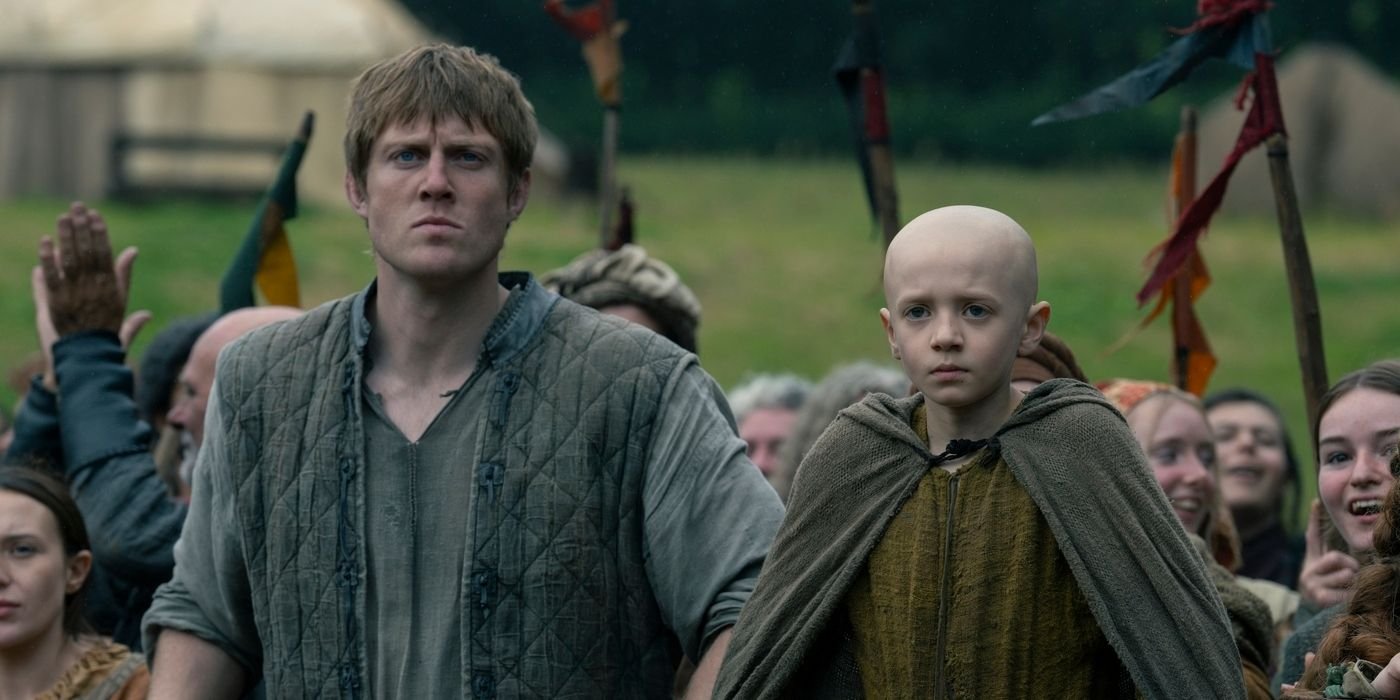
The six-episode first season of A Knight of the Seven Kingdoms closed on a bittersweet note. After the Trial of Seven and the death of Baelor Targaryen, Ser Duncan “Dunk” the Tall (Peter Claffey) confronts the moral and practical fallout of the events he’s been thrust into. Ultimately he accepts Egg (Dexter Sol Ansell) back as his squire, but with one stipulation: they will travel as hedge knights and keep as far from royal courts as possible.
Showrunner Ira Parker framed the finale as both an ending and a beginning — a tidy conclusion to the season’s arc while leaving room for further adventures. In interviews he emphasized the need for a lighter, restorative moment at the end to “cleanse the palate” after heavy developments and reassure viewers that the core Dunk-and-Egg relationship endures.
The ambiguous knighting: what it means for Dunk’s identity
One of the season’s most discussed moments is the ambiguous question of whether Dunk was ever formally knighted by Ser Arlan. Parker confirmed the uncertainty was deliberate and faithful to George R.R. Martin’s guidance: the scene intentionally leaves room for interpretation rather than offering a definitive answer.
Parker explained that the larger dramatic theme is less about a ceremonial title and more about what constitutes a true knight. The narrative tests whether knighthood is a label bestowed by ceremony or a status earned through conduct — and whether Dunk, who often doubts his own worth, can feel deserving even if he attains rank.
The Sweetfoot reunion and Ser Arlan’s last image
A quiet but emotionally resonant beat in the finale reunites Dunk with his horse Sweetfoot and sends Ser Arlan riding off in a different direction. Parker revealed that the shot of Ser Arlan riding away — a moment added late in production and not in the original script — was the last image he wrote for the season. The scene was captured during reshoots and intentionally leaves viewers wondering whether Dunk glances after him on purpose. Parker said that ambiguity was intentional: it gives space for viewers to read Dunk’s emotions as they will and underscores Dunk’s transition from dependent apprentice to a man setting out on his own.
Casting chemistry: why Claffey and Ansell work so well
Parker praised the natural rapport between Peter Claffey and Dexter Sol Ansell, noting that their physical chemistry and off-screen friendship were apparent even during auditions. The pair’s on-screen dynamic — part odd couple, part mentorship — captures George R.R. Martin’s gift for pairing mismatched characters whose bond becomes the heart of the story. Parker credited the actors’ off-camera relationship with helping to translate warmth, teasing, and brotherly affection into lived-in performances.
Changes from the novellas: Rafe and the search for family
One notable adaptation choice was reimagining Dunk’s childhood friend Rafe as a woman, which introduced a different emotional tenor to Dunk’s backstory. Parker stressed that Dunk’s core need — the search for family and belonging as an orphan — drove the change, rather than a desire to manufacture romantic beats. Rafe’s relationship to Dunk mixes filial, sibling, and intimate resonances; that complexity helps explain why Dunk places so much stock in fidelity and loyalty from those he trusts. Parker also noted budget and storytelling constraints pared down other childhood figures that appear in the source material, leaving Rafe as the most narratively important confidante.
The Brienne nod: location, reshoots, and thematic echoes
A small, evocative moment connects Dunk’s journey to an iconic Game of Thrones image — the lane where Brienne and Pod walk. That touch was reintroduced during reshoots when the creative team located a similar stand of trees and reinstated the sequence. Parker said the visual callback fits the season’s motifs of inheritance and legacy: the idea that values, names and examples are passed down from one generation to the next.
Egg’s lie and the cliffhanger for Season 2
The finale ends with Egg apparently lying again so he can keep traveling with Dunk, a twist viewers interpreted as a cliffhanger. Parker acknowledged the ambiguity was present in the novellas and said the adaptation played with that gap: perhaps Egg sneaked off, perhaps events unfolded off-screen, but the TV version leaves the consequences for Season 2 to address. Parker admitted writers are exploring how large an impact that deception should have without allowing it to overshadow the central story they want to tell.
Season 2: production status and storytelling scope
A Knight of the Seven Kingdoms is already well into production on Season 2. Parker said filming is “pretty deep” and that scenes are already being assembled; he’s still tweaking scripts as episodes are shot. Like Season 1, Season 2 is planned as a six-episode run. Parker acknowledged the challenge of telling dramatic, self-contained episodes within a roughly 35–40 minute runtime but argued the single–point-of-view structure — primarily Dunk’s perspective — makes that format viable and keeps the storytelling focused.
Parker also indicated Season 2 will feel different in tone and content from the first season, promising “really cool stuff” and new directions while remaining rooted in the same characters.
Returning cast, crossover potential, and longer-term plans
Parker explained that each Dunk & Egg novella tends to introduce a largely new cast of supporting characters. While George R.R. Martin has provided synopses and notes for future stories — outlining events, marriages, battles and fates — crossover of Season 1 characters into later seasons would likely be light if it happens at all. Parker emphasized the production will only bring back familiar faces if their presence serves the new story without detracting from the central narrative of The Sworn Sword and subsequent novellas.
On the question of how many seasons the show could run, Parker noted discussions with Martin have produced material to cover multiple stories and that they have a reasonably clear timeline for the characters’ lives. Still, he framed continuation as contingent on audience reception and how the second season is received.
George R.R. Martin’s involvement: collaboration, not reinvention
Parker stressed that George R.R. Martin has been consistently collaborative, receiving every script draft and offering input that Parker described as “only been a benefit.” The adaptation process has involved enlarging and filling out the novellas’ compact scope — adding texture, locations and character detail — but not changing the fundamental beats of the stories. Parker described their philosophy as respectful fidelity: the beginning, middle and end of each source tale remain intact while the writers expand scenes and character moments in ways they aim to make feel seamless and authentic to Martin’s world.
What to expect next
Season 2 promises to pick up Dunk and Egg’s roadbound life and explore new challenges, testing themes introduced in the first season: honor versus title, the meaning of knighthood, and the search for belonging. With Parker at the helm, Claffey and Ansell returning, active production under way and Martin involved as a hands-on collaborator, the series is positioning itself as a compact, character-driven complement to the wider Westeros saga — one that blends intimate human drama with the sweep of medieval adventure.
A Knight of the Seven Kingdoms airs on HBO and is available to stream on Max.