
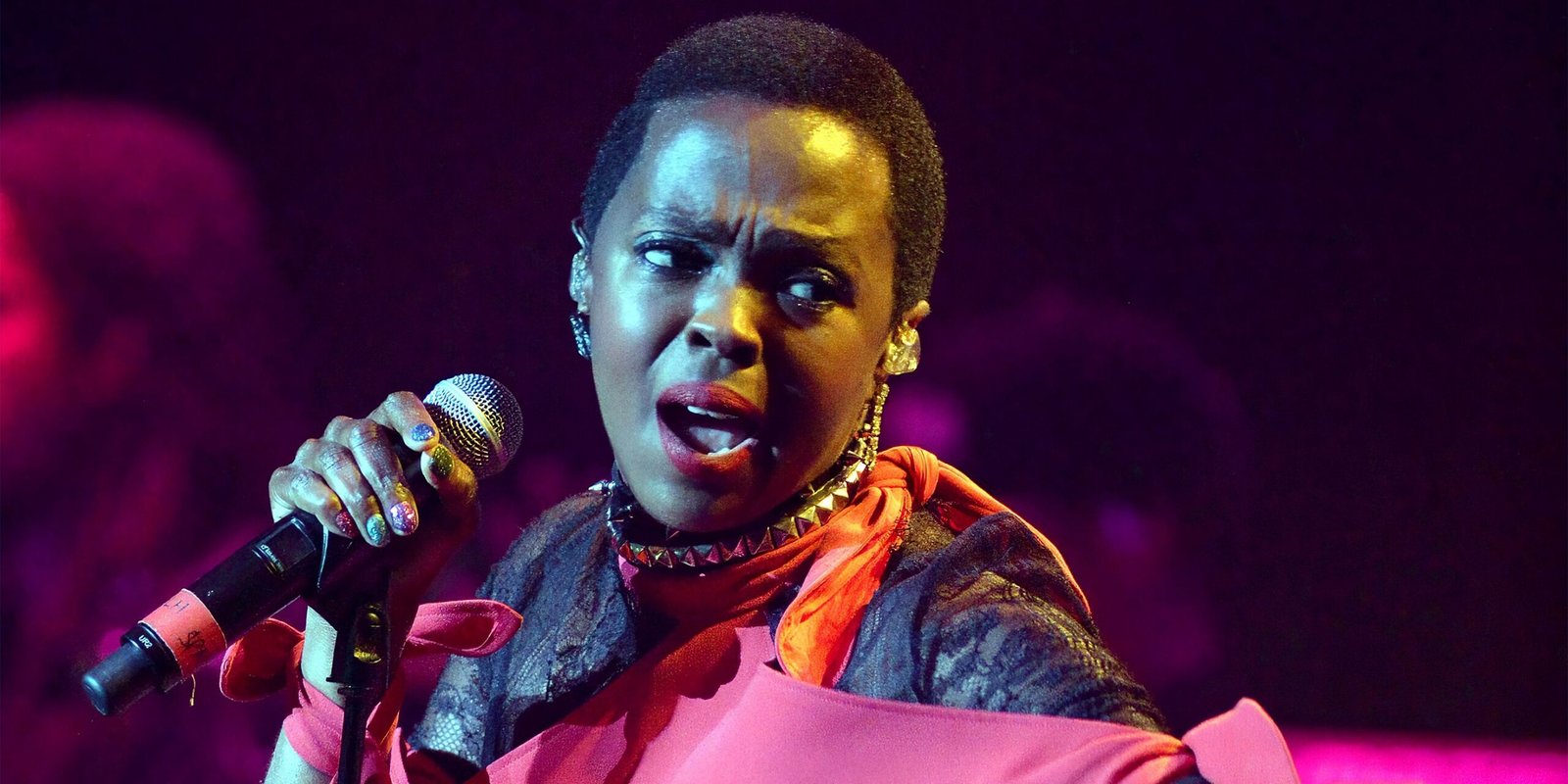
A nomination that reflects a wide-reaching legacy
Lauryn Hill’s nomination to the Rock and Roll Hall of Fame underscores a career that has influenced hip‑hop, R&B, soul and popular music at large. Recognized by outlets such as Rolling Stone, Billboard and NPR as one of the era’s most influential artists, Hill has also accumulated a rare level of peer recognition—most notably eight Grammy Awards, a record-setting total for a female rapper. This year’s Rock Hall ballot places her alongside artists from disparate musical corners—Shakira, Oasis, the Wu‑Tang Clan and Sade—highlighting how Hill’s work crosses stylistic boundaries and resonates across generations.
The Miseducation of Lauryn Hill: a modern classic
Hill’s 1998 solo debut, The Miseducation of Lauryn Hill, remains the centerpiece of her case for Rock Hall induction. The album arrived after Hill’s success with the Fugees and during a moment when hip‑hop was coping with enormous cultural loss; critics and major publications credited The Miseducation with helping to revitalize the genre in the late 1990s. Commercially and critically, the record was a sensation: it registered one of the biggest first weeks for a female artist at the time and swept major categories at the Grammys.
What set the album apart was its blend of candid songwriting, gospel‑tinged vocals, rap, and live instrumentation. Hill wrote and produced much of the material herself, creating an intimate record that spoke to both personal and social themes—love, motherhood, faith, and artistic integrity. Its influence can be heard in the work of countless artists who followed, from neo‑soul and alternative R&B acts to contemporary singer‑songwriters who fuse genres.
Collaborations and cross‑genre influence
Beyond her solo work, Hill’s collaborations amplified her reach. As a founding member of the Fugees she helped merge hip‑hop with reggae, soul and pop, delivering mainstream hits like “Killing Me Softly” and “Fu‑Gee‑La.” Over the years she’s worked with a wide array of artists across musical generations and styles—including Wyclef Jean, Pras, Nas, Whitney Houston and Aretha Franklin—demonstrating a versatility that makes a narrow genre label inadequate.
That breadth of collaboration is part of what the Rock and Roll Hall of Fame often recognizes: not just chart success, but the capacity to shape other artists’ work and the broader musical vocabulary of an era.
Mentorship in action: Lauryn Hill’s role in John Legend’s beginnings
One of the clearest examples of Hill’s influence is her early support of John Legend, then John Roger Stephens, while he was still a student at the University of Pennsylvania. Legend had been playing piano from a young age and performing in church choirs; in 1998 a mutual acquaintance introduced him to Hill. Impressed by his playing, Hill invited the college musician to contribute piano to her solo album.
Legend played on the track “Everything Is Everything” (the thirteenth song on the album’s 16‑track sequence), which was recorded in East Orange, New Jersey. Although his contribution went uncredited as a featured musician, his name—John R. Stephens—appears in the album’s liner notes, and the association quickly raised his profile on campus and beyond. Legend later recalled that the credit became his “claim to fame” at Penn during his senior year.
From a campus piano gig to a global career
That early collaboration helped catalyze Legend’s professional trajectory. After the exposure gained from The Miseducation, Legend connected with Kanye West and joined West’s GOOD Music imprint in 2001, where he crafted his stage name and developed his solo voice. His debut record, Get Lifted (2004), peaked inside the top 10 on the Billboard 200 and helped establish him as a mainstream R&B and pop artist.
Hill and Legend’s musical relationship has been ongoing. They have reunited on stages and in the studio over the years, including a reported collaboration for a Get Lifted anniversary remix. Those continued intersections illustrate an artist-to-artist mentorship that goes beyond a single session—Hill’s support functioned as an early endorsement that helped legitimize a young musician’s prospects.
What an induction could mean—and what to expect
If Lauryn Hill is inducted into the Rock and Roll Hall of Fame, it would be an acknowledgment of her unique position at the crossroads of rap, soul and popular songwriting. Induction would celebrate both her blockbuster achievements—the commercial and critical success of The Miseducation and her Grammy haul—and her quieter, less quantifiable impacts: influence on later artists, genre‑bridging collaborations, and mentorship of emerging talent like John Legend.
There’s also the promise of a memorable induction performance. Given their history, a joint appearance with Legend—perhaps a live take on “Everything Is Everything”—would be a potent reminder of Hill’s artistic reach and the ripple effects of her career.
Legacy beyond awards
Awards and honors capture part of Lauryn Hill’s contribution, but her legacy is most visible in how artists continue to borrow from and respond to her work. She expanded the possibilities for singer‑rappers to be confessional songwriters and producers; she brought live instrumentation and soulful harmonies back to mainstream hip‑hop records; and she helped model a path for artists who insist on creative control.
The Rock and Roll Hall of Fame nomination is another milestone in a career that has shaped the sound of modern music. Whether or not Hill ultimately takes the stage at an induction ceremony, her influence is already woven into the fabric of contemporary music—and into the careers of musicians who trace at least part of their start to a chance piano session in the late 1990s.