

Information
tl;dr
One-line verdict
“The Godfather” is a masterclass in narrative depth and character complexity, solidifying its status as a cinematic cornerstone.
Who will most enjoy this film
Audiences who appreciate nuanced storytelling and rich character arcs will find immense satisfaction here. It resonates powerfully with fans of crime dramas, character studies, and those interested in the moral dilemmas inherent in power dynamics.
Is The Godfather worth watching or skipping?
Will it hold my attention if I do not usually like gangster movies
Even if gangster films aren’t your usual fare, “The Godfather” transcends genre boundaries with its exploration of family loyalty, moral ambiguity, and the impact of one’s choices. It’s not merely about the underworld; it’s a profound examination of human nature and the conflicting desires for power, love, and legacy. Its character-driven focus and rich dialogue engage viewers more than typical genre conventions.
Where to stream or rent it right now
Currently, “The Godfather” is available for streaming on platforms like Paramount+ and can be rented through Amazon Prime Video, Google Play, and Apple TV. Availability may vary, so checking the latest listings is advisable.
Does the story and pacing work?
Is the plot focused or does it wander
The narrative remains sharply focused throughout, weaving intricate threads together that illustrate the Corleone family’s rise and the moral compromises they endure. Each scene is intentionally crafted to build tension and deepen character motivations. While it tackles numerous themes, it never loses sight of its central conflict, making every moment feel significant—even in its quieter scenes that allow for character reflection.
Does the runtime feel necessary or padded
At nearly three hours, the runtime might seem daunting, yet every minute serves a purpose. The pacing, marked by deliberate and rhythmically measured storytelling, feels essential as it allows for an immersive experience. It builds emotional depth that would be sacrificed in a shorter format, confirming that the film’s length is a true asset rather than a hindrance. The gradual unraveling of the story enhances its cumulative impact, inviting viewers to invest in the characters’ journeys.
Are the performances and characters convincing?
Which performances shine and why
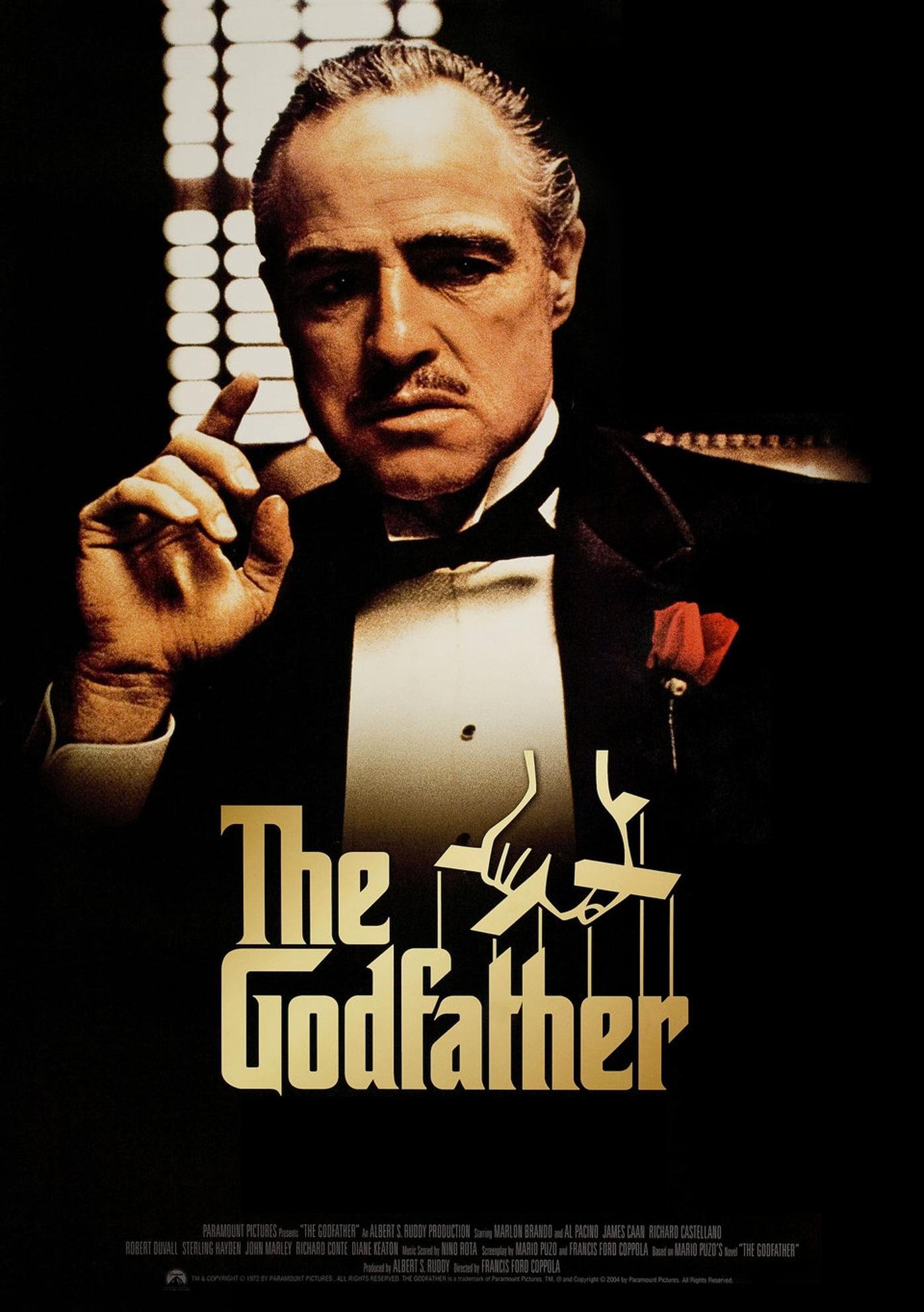
The cast of “The Godfather” delivers performances that elevate the narrative into realms of profound authenticity. Marlon Brando’s portrayal of Vito Corleone is legendary, embodying both the fearsome patriarch and the vulnerable father with a masterful blend of subtlety and raw power. His quiet authority often speaks volumes, resonating with an emotional weight that doesn’t just command the screen but seeps into the viewer’s psyche. Al Pacino’s transformation from the innocent Michael Corleone to a formidable figure within the underworld is nothing short of mesmerizing. It’s a gradual metamorphosis executed with precision, capturing the internal conflict of a man trapped between his family loyalty and moral integrity.
Supporting roles, like those of James Caan as Sonny and Robert Duvall as Tom Hagen, add rich texture to the film. Caan’s performance as the hot-headed Sonny Corleone emphasizes the volatility of the crime world, while Duvall’s understated portrayal of Tom balances the dynamic beautifully, serving as the calm in a storm. Each character is sharply drawn, with performances that complement one another, enhancing the movie’s exploration of flawed humanity within a dysfunctional family.
Are the characters interesting beyond the crime plot
The depth of character in “The Godfather” extends far beyond their roles in organized crime, establishing them as intricate studies of loyalty, ambition, and moral compromise. Vito Corleone is not merely a crime boss; he is a deeply layered figure shaped by his past and his relentless pursuit of protecting his family. His desire for respect and legitimacy turns into a paradox that questions the cost of power. Similarly, Michael’s journey is steeped in irony: initially an outsider to the family business, his arc reveals how the quest for identity and acceptance can lead to inevitable corruption.
Characters like Kay Adams offer a counterpoint to the male-dominated world, representing the moral compass challenged by the brutality of the Corleones’ choices. Her development throughout the film raises critical questions about the price of loyalty and the sacrifices made for love. The complex interplay between ambition, familial ties, and personal ethics keeps these characters engaging well beyond the confines of the crime narrative, making their struggles and transformations relatable and thought-provoking.
How well is it directed and put together?
What the director gets right visually and tonally
Francis Ford Coppola’s direction in “The Godfather” resonates with a meticulousness that captures both the opulence and underlying tension of the story. His choice to use dim lighting, particularly in key scenes, creates an atmosphere thick with suspense and dread, echoing the moral darkness enveloping the characters. These choices, articulated through Gordon Willis’s exceptional cinematography, immerse viewers in a world where danger lurks behind closed doors, artfully aligning visual style with thematic depth.
Coppola’s pacing commands attention, blending moments of explosive violence with quiet, contemplative scenes that develop character and explore emotional landscapes. The expertly crafted transitions and the rhythmic ebb and flow of tension illustrate his strong command of storytelling. The juxtaposition of inevitability in the crime world against the fragility of family ties is suggested visually, enhancing the film’s explorations of power and betrayal. Each shot feels intentional, contributing to the overarching narrative that lingers long after the credits roll.
Any technical issues or standout scenes
While “The Godfather” exhibits remarkable technical craftsmanship, there are minor moments where ambitious choices could have been executed with slightly more finesse. For instance, certain sequences, particularly in the film’s quieter second act, could benefit from tighter editing to maintain the brisk energy established early on. The pacing sometimes falters during prolonged dialogues, although these moments are often forgiven due to the richness of the writing and performances.
Nonetheless, standout scenes, like the iconic wedding opening and the climactic resolution following Vito’s death, showcase Coppola’s directorial prowess. The juxtaposition of familial celebration against the backdrop of impending violence in the wedding scene is especially poignant, setting the tone for the impending tragedy. Moments like these highlight how effectively he captures the juxtaposition between normalcy and chaos, reinforcing the film’s central themes of loyalty and consequence.
Does The Godfather hold up today?
Is any content dated or problematic for modern viewers
While “The Godfather” retains its status as a cultural touchstone, certain elements may feel dated or problematic, particularly regarding gender representation and racial portrayals. Female characters, while pivotal in driving home certain themes, are largely relegated to supporting roles, primarily defined by their relationships to male characters. Kay Adams and Connie Corleone are nuanced but often lack agency, raising questions about gender dynamics in a modern context.
Additionally, the film’s depiction of certain ethnic groups can oscillate between problematic stereotypes and complex portrayals, reflecting the cultural attitudes of its time. Modern viewers might find themselves grappling with these portrayals, necessitating a broader conversation about representation and the evolution of storytelling in cinema.
Does it still influence films we see now
“The Godfather” undeniably casts a long shadow over contemporary cinema. Its intricate character studies and moral dilemmas have become a benchmark for storytelling across genres, influencing a range of films from modern crime dramas like “The Sopranos” to broader narratives examining power dynamics. The film set a standard for how crime narratives can transcend their genre, urging future filmmakers to focus on character depth, moral ambiguity, and narrative complexity rather than just violence or action.
Even today, directors and screenwriters draw from Coppola’s mastery, integrating its themes of family loyalty and betrayal into their work. The film’s core exploration of power, legacy, and human frailty continues to resonate, ensuring that its influence remains palpable in both independent and mainstream cinema. As new voices build upon its legacy, “The Godfather” serves both as inspiration and a historical lens through which we can examine the progression of narrative in film.
How does it compare to The Godfather Part II and the rest of the series?
The comparison between “The Godfather” and its sequel, “The Godfather Part II,” sparks lively debate among cinephiles. While the original is often hailed for its tightly woven narrative and character-focused storytelling, the sequel boldly expands the universe by juxtaposing Vito Corleone’s rise with Michael’s moral descent. Each film serves distinct yet interconnected purposes, with the first establishing the foundation of character dynamics and the second exploring the ramifications of those choices.
For first-time viewers, starting with “The Godfather” is advisable. It immerses audiences in the world of the Corleones, allowing them to appreciate the moral complexities that unfold in Part II. The sequels, particularly the third installment, while not as universally revered, offer layers to the original’s themes and introduce alternate perspectives on power and legacy that can enrich the overall experience of the series.
Which film is better for first-time viewers
For newcomers to the franchise, “The Godfather” stands out as the definitive entry point. Its narrative elegance and emotional depth introduce the viewer to the Corleone family’s world without overwhelming them with the expansive mythology that Part II brings. The foundational experiences of Michael’s transformation—crafted with such precision—set up a more profound appreciation for the stakes and moral intricacies explored in the sequel. Starting with the original ensures that you walk away from the viewing experience with a comprehensive understanding of character motivations, making future viewings of the sequels resonate on a more profound level.
Should you watch the sequels immediately after this
Diving straight into the sequels can be tempting, given the original film’s captivating nature, but taking a breath after “The Godfather” can reinforce the emotional weight of the characters’ arcs. While the second film is a cinematic tour de force in its own right, the distance between the two allows for contemplation of the themes presented. Watching them back-to-back may dilute the impact of the moral quandaries and rich character development spotted in both films. Patience can deepen one’s appreciation for the storytelling craftsmanship, as subsequent viewings often unveil new layers of meaning.
Who is this movie really for?
“The Godfather” is both a compelling narrative for casual viewers and a cornerstone for film students delving into cinematic mastery. Its universal themes of family, loyalty, and power appeal widely, but the film’s depth demands the attention necessary for full appreciation.
Casual viewers — what to expect
Casual viewers can expect an enthralling gateway into a world that balances familial loyalty with the harsh realities of a moral abyss. The film speaks to anyone interested in compelling stories about power struggles and what it means to uphold family ties, all within an immersive setting that may prompt curiosity about the world of organized crime. However, audiences should anticipate slow-burn moments that might test patience, especially in an era where quick pacing dominates mainstream storytelling. Those willing to invest their time will find rewards in the evocative storytelling and richly drawn characters, as the film delivers an emotional journey rather than a high-octane crime saga.
Film fans and students of cinema — what they will get
Film enthusiasts and students will glean insights into narrative structure, character development, and directorial vision that remain relevant to this day. They’ll appreciate Coppola’s innovative storytelling techniques, such as refraining from flashy displays of violence in favor of character-driven conflict that heightens the emotional stakes. The intricacies of the screenplay, adapted from Mario Puzo’s novel, offer a masterclass in dialogue-rich writing that explores moral grey areas. Students can analyze how the film innovates traditional genre conventions, transforming the crime genre into a profound commentary on human nature.
What are the biggest strengths and weaknesses?
While “The Godfather” enjoys a reputation as a timeless classic, it isn’t immune to critique. Its immense artistry and storytelling depth illuminate its strengths, yet certain aspects may alienate modern audiences.
Key strengths that make it a classic
The film’s greatest strengths lie in its seamless narrative construction, masterful performances, and thematic profundity. Brando and Pacino’s performances breathe life into complex characters who navigate a tumultuous interplay of morality and loyalty, elevating the screenplay’s already rich themes. Composition and cinematography reflect Coppola’s adept understanding of visual storytelling; shots linger on character expressions and tension-filled moments that speak just as loudly as the dialogue, efficiently reflecting the film’s darker undercurrents. It’s the ability to invite viewers into the Corleones’ world, resulting in an experience that continues to influence filmmakers, writers, and audiences alike.
Legitimate reasons someone might skip it
Conversely, potential viewers might bypass “The Godfather” due to pacing and length, particularly in an age where swift storytelling is often preferred. Those looking for continuous action may find the film’s quieter moments unremarkable or even tedious. Furthermore, its older ethical dilemmas and primarily male-centric narratives could feel alienating to some modern audiences who prioritize diverse storytelling. Additionally, the film’s nuanced portrayal of violence and organized crime may clash with contemporary sensibilities regarding media representation. Therefore, while it’s an essential watch for many, it may not resonate with those seeking a more immediate narrative connection.
Is The Godfather worth rewatching and what’s the final impression?
How it rewards repeat viewings
Revisiting “The Godfather” reveals layers of meaning that initially escape casual observation. With each viewing, the film’s intricate character dynamics and themes of loyalty, betrayal, and the corrupting nature of power become increasingly pronounced. First-time watchers may be captivated by the narrative arc, but later viewings expose subtleties in performances—how Vito’s stoic facade contrasts sharply with his silent desperation, or how Michael’s external evolution starkly reveals his internal disintegration.
Additionally, the dialogue, rich with subtext, gains new resonance with familiarity. Lines often delivered with casual weight carry fresh implications as viewers reflect on the evolving morality of the characters. The deliberate pacing also allows audiences to savor layers of foreshadowing and thematic threads woven throughout, enhancing the emotional stakes as one revisits pivotal scenes. It’s a film that rewards patience and contemplation, making each return a richer experience.
Final takeaway and simple recommendation
Ultimately, “The Godfather” stands as a touchstone of cinematic artistry that merits both initial viewing and repeated engagement. Its complex characters, masterful direction, and profound narrative depth ensure that it withstands the test of time. For anyone interested in film as an art form, this film is essential viewing, offering lessons in character development and moral complexity that resonate far beyond the screen. As such, if you haven’t seen it yet or are considering a rewatch, do not hesitate. Immerse yourself in this character-driven saga that continues to shape conversations about family, power, and the choices that define us.
FAQs
Is The Godfather a good entry point to classic cinema
Yes, “The Godfather” serves not only as an exceptional film in its own right but also as an excellent gateway to the world of classic cinema. Its narrative structures, character nuances, and thematic depth exemplify the qualities that define great storytelling, making it an indispensable study for newcomers to the medium. The film’s ability to transcend its genre—merging crime with a poignant family drama—offers a well-rounded introduction to the varied language of film. Viewers will grasp how cinematic techniques bolster storytelling, providing a foothold for further exploration into other classics that shaped modern cinema.
Where can I stream or buy The Godfather right now
As of now, “The Godfather” is available for streaming on Paramount+. For those looking to own a copy, it can be purchased through digital platforms like Amazon Prime Video, Google Play, and Apple TV. While physical copies remain available at various retailers, the best approach is often to check these streaming services since availability may fluctuate. It’s worth ensuring that you have access to this seminal film, whether for a first viewing or a cherished rewatch.