
Information
tl;dr
Quick verdict in one line
A masterclass in longing, “In the Mood for Love” exquisitely captures the bittersweet ache of unfulfilled desire.
Who will probably enjoy it
Those who appreciate slow-burning romances, intricate cinematography, and a deliberate exploration of human connections will find this film deeply rewarding.
What is the tone and pace like?
How the story unfolds without spoilers
Wong Kar-wai employs an ethereal tone that envelops viewers, allowing the story to breathe with intention. Rather than relying on fast-paced plot developments, the narrative unfolds like a delicate lotus, revealing layers of emotional complexity. The dialogue is sparse but loaded, often resonating well beyond the immediate exchanges. Each glance, each shared moment becomes a silent expression of the characters’ unvoiced feelings, engaging the viewer in a dance of subtlety that elevates the film’s thematic concerns about love and fidelity.
Is the pacing patient or slow for a reason
The pacing is undeniably patient, yet it never feels tedious. This deliberate tempo serves the film’s exploration of time and memory, emphasizing how longing can stretch and warp our perception. Every scene is a careful construction, allowing the audience to linger in the stillness that encapsulates desires unfulfilled. Rather than racing toward resolution, Wong invites viewers to meditate on the nuances of relationships, making the rare moments of passion all the more impactful. This attention to pacing allows the film to delve into the emotional weight carried by silence and unspoken words.
Are the performances convincing?
The leads and their chemistry
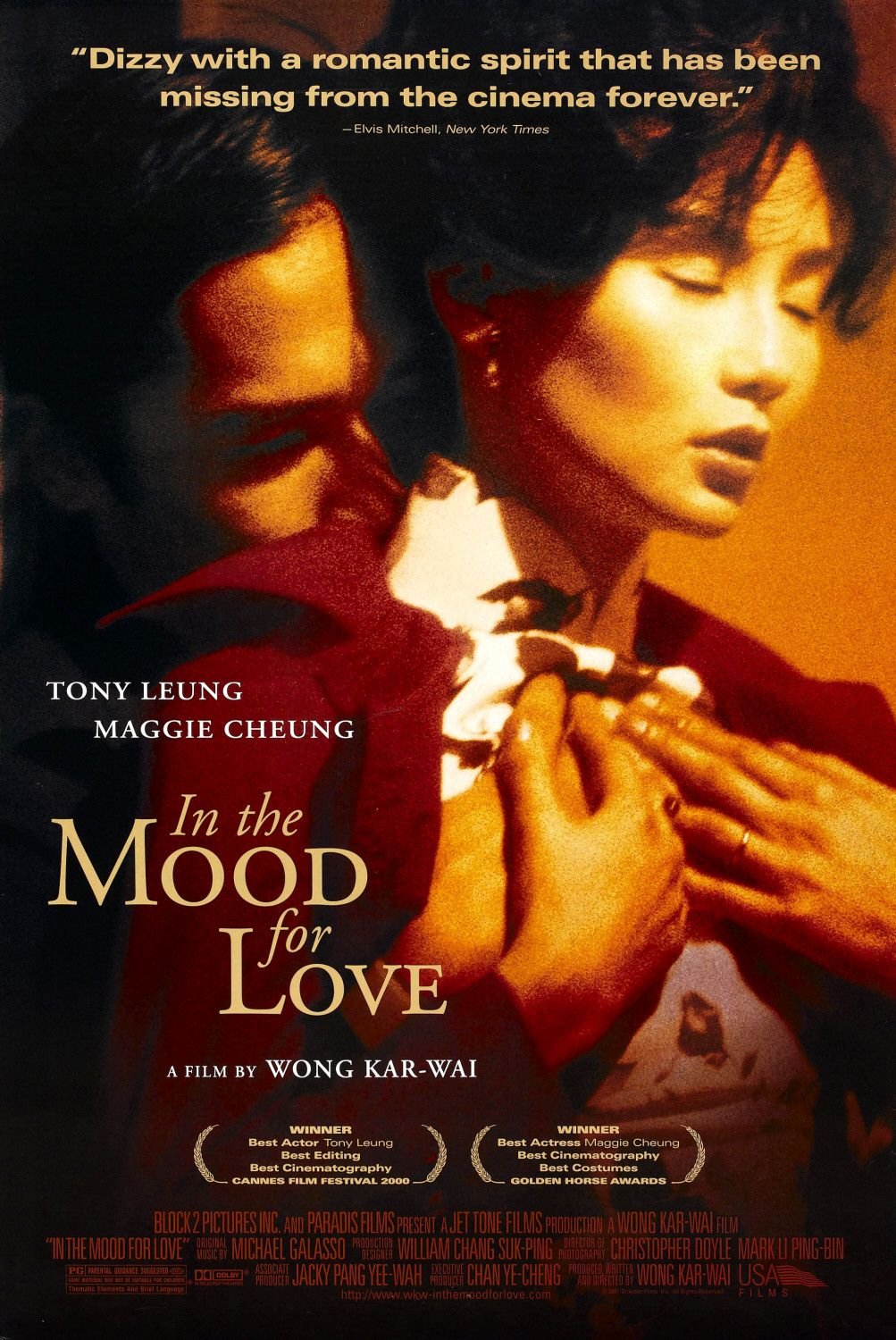
Tony Leung and Maggie Cheung deliver performances that are nothing short of mesmerizing. Their chemistry sparkles with an authenticity that captures the essence of restrained emotion. Each look exchanged and every shy encounter builds an intimacy that feels both fragile and profound. They aren’t just two characters sharing a space; they embody a connection that is rich with history and simmering longing. Leung’s subtlety and Cheung’s poignancy coalesce to create a mesmerizing tapestry of emotional complexity. Their work is a perfect reflection of Wong Kar-wai’s thematic focus on what is held back, effectively making each moment of connection electrifying.
Supporting roles and character detail
The supporting cast plays a critical role in highlighting the leads’ nuances, enriching the world they inhabit. Characters such as the neighbors and the various acquaintances fill the narrative with texture and provide thematic contrast, emphasizing the isolation felt by the protagonists. Each supporting role adds depth and context, allowing viewers to fully grasp the societal restraints and expectations that permeate the world of the film. While the leads are undeniably the focus, these supporting characters contribute to the overarching themes of love, infidelity, and the constraints of social conventions, demonstrating how much can be gleaned from the periphery of the main storyline.
How does the direction and visual style hold up?
Cinematography, color, and production design
Wong Kar-wai’s directional precision is an elemental force in “In the Mood for Love,” creating a sensorial experience that transcends mere visuals to weave emotional narratives. The cinematography by Christopher Doyle perfectly complements Wong’s vision, employing tight framing and lush visuals that delicately capture the ethereal quality of the story. Rich saturation in hues of deep reds and greens serves not only to establish a mood but also to evoke the characters’ burning desires against the backdrop of daily mundanity.
The production design is equally essential, reflecting the era and societal constraints of 1960s Hong Kong. Every detail, from the architecture to the costumes, enhances the film’s sense of place and time, grounded yet hauntingly distant. The tightly controlled mise-en-scène fosters an atmosphere of confinement, underscoring the characters’ emotional solitude despite their proximity to one another. Wong’s aesthetic choices amplify the film’s exploration of love and longing, making the visual storytelling a crucial player in its emotional impact.
Music, sound design, and use of silence
The soundscape of “In the Mood for Love” is meticulously crafted, where every note from the score resonates with poignant subtext. The recurring use of the theme by composer Shigeru Umebayashi accentuates the film’s atmosphere of yearning, imbuing scenes with a melancholic beauty that lingers long after the credits roll. The music isn’t merely background; it acts as an emotional pulse, guiding viewers through the nuanced landscape of the characters’ unfulfilled desires.
Equally important is Wong’s masterful use of silence. Silent moments envelop the narrative, allowing the weight of unspoken feelings to saturate the atmosphere. In a world dominated by noise and distraction, these moments become powerful statements, emphasizing the emotional landscapes of the characters. The careful interplay of music and silence creates a rhythmic flow, a symphony of longing that elevates the film’s emotional stakes. The direction and auditory elements work in tandem, making the entire experience profoundly immersive and evocative.
Does the movie handle its themes clearly?
Main emotional themes and what they mean for viewers
“In the Mood for Love” is essentially an exploration of love’s complexities—intimacy, fidelity, and the ache of longing are interwoven throughout the narrative fabric. Wong Kar-wai probes the subtleties of emotional connection in a world rife with societal constraints, allowing viewers to grapple with the nuances of desire and disappointment. The exploration of infidelity is particularly poignant, raising questions about the implication of choice in love and the often murky waters that accompany it. Viewers are prompted to reflect on their own experiences of love and loss, creating a deeply personal connection to the film’s themes.
Moreover, the film’s engagement with time adds another layer, revealing how memories shape our perceptions of relationships. The distortion of time within the narrative immerses viewers in the characters’ emotional worlds, inviting them to contemplate how moments of joy and sorrow are tinged with the passage of time. This intricate exploration resonates with anyone who has experienced the bittersweet nature of reminiscence, making its thematic handling both universal and achingly poignant.
Is the film subtle to its benefit or detriment
Wong Kar-wai’s penchant for subtlety is one of the film’s greatest assets, though it may challenge some viewers more accustomed to overt storytelling. The restrained dialogue and delicate gestures invite audiences to engage actively with the text, teasing out meaning and emotion from what remains unspoken. This subtle craft fosters a sense of intimacy between the audience and the characters, enabling deeper empathic engagement.
However, the film’s avoidance of explicit exposition could alienate viewers seeking a more straightforward narrative arc. Moments of emotional intensity emerge not from grand gestures but rather from fleeting expressions and half-glances, which might feel underdeveloped to some. That said, Wong’s subtlety ultimately serves the thematic essence, allowing the film to echo in one’s mind long after the credits roll. This balance between implicit storytelling and emotional resonance ensures that the overall impact is far from diluted, instead revealing layers upon layers with each rewatch.
What are the main strengths and weaknesses?
Strengths
- Visual Mastery: The cinematography and production design create an hauntingly beautiful atmosphere that immerses viewers.
- Emotional Depth: The subtle exploration of complex themes surrounding love and fidelity engages the audience on multiple levels.
- Sound Design: The interplay of music and silence enriches the emotional landscape, heightening the feeling of longing and nostalgia.
- Performances: Leung and Cheung deliver nuanced performances that convey deep emotional undercurrents with remarkable authenticity.
Weaknesses
- Pacing: While the slow tempo serves a purpose, it may frustrate viewers looking for a more dynamic narrative flow.
- Subtlety as a Double-Edged Sword: The film’s reliance on subtext can alienate some viewers, leading to potential misunderstandings regarding character motivations.
- Limited Conflict: The narrative may lack traditional dramatic conflict for those accustomed to more conventional storytelling arcs, which could be perceived as a weakness.
- Cultural Specificity: The film’s exploration of its themes is deeply rooted in its cultural context, which could limit resonance for audiences unfamiliar with the societal backdrop.
Is In the Mood for Love worth watching now?
First-time viewers: what to expect
For those sitting down to “In the Mood for Love” for the first time, be prepared for a cinematic experience steeped in atmosphere and emotional nuance. Wong Kar-wai’s storytelling unfolds like a slow waltz, inviting viewers to immerse themselves in the intricate dance of unspoken words and unfulfilled desires. Expect vivid visuals accompanied by a rich soundscape that enhances the emotional stakes. The film doesn’t offer the adrenaline rush of conventional romantic plots; instead, it wraps you in a tapestry of longing and melancholy, pulling you deeper into its world with each scene. The dialogue, minimal yet poignant, encourages contemplation, allowing your own reflections on love, loneliness, and cultural context to shape the viewing experience.
Rewatch value and why it holds up
“In the Mood for Love” possesses a remarkable rewatch value largely due to its layered storytelling and aesthetic brilliance. Each viewing unveils new interpretations and deepens emotional responses, inviting a fresh appreciation of Wong’s precise direction and the deft performances of Leung and Cheung. Elements like the rich cinematography and poignant score resonate differently with each pass, evolving alongside the viewer’s own experiences and understanding of love and longing. The film’s exploration of time and memory also beckons you to rediscover its riches, making it not just a film to watch, but one that invites reflection long after you’ve left its world. This timelessness ensures it holds an influential place in cinematic discourse, remaining relevant in its portrayal of often-unspoken emotional truths.
Who is this film really for?
Types of viewers who should watch it
This film is essential for cinephiles and those who appreciate artful storytelling that prioritizes emotional depth over action. If you enjoy slow-burn narratives and are drawn to the intricacies of human connection, “In the Mood for Love” will resonate profoundly. Fans of Wong Kar-wai’s distinct style, with its emphasis on mood and atmosphere, should make this a priority. Moreover, those interested in exploring cultural contexts through cinema will find the film’s nuanced depiction of 1960s Hong Kong a captivating lens through which to examine societal norms and personal longing. The film speaks to anyone who’s ever felt the weight of unexpressed feelings, making it universally relatable in its exploration of love’s complexities.
Who might want to skip it
Conversely, viewers who prefer fast-paced narratives or explicit romantic entanglements may find “In the Mood for Love” frustratingly vague. Its deliberate pacing and emphasis on subtlety could leave those accustomed to traditional story arcs feeling adrift. If you seek clear-cut resolutions and character developments, this might not be the film for you. Additionally, audiences looking for overt conflict or dramatic crescendos might find the film’s quiet intensity lacking. Those with a low tolerance for minimal dialogue and a preference for more pronounced emotional expressions might want to consider passing on this contemplative exploration of love.
Practical details every viewer wants to know
Year, runtime, language, and director
Released in 2000, “In the Mood for Love” has a runtime of 98 minutes. The film is primarily in Cantonese, adding an authentic layer to its cultural context. Directed by Wong Kar-wai, a master of visual storytelling, the film reflects his unique blend of intricate narrative and rich aesthetics. Wong’s distinctive approach is pivotal to its status as a modern classic, making it a vital piece of cinematic history worth exploring.
Where to look for it and viewing tips
You can find “In the Mood for Love” on various streaming platforms, often available for rental or purchase. For the best experience, seek out a version that maintains the film’s visual fidelity; the meticulous cinematography deserves to be seen in high quality. Consider watching it in a quiet environment, away from distractions, to fully immerse yourself in its rich textures and emotional nuances. Viewing it with someone who shares an appreciation for artful cinema can also enhance discussions about its themes and aesthetics, allowing you to explore the layers of meaning even more deeply. Whether you’re revisiting or experiencing it for the first time, try to settle into its deliberate rhythm and allow yourself to be enveloped by its atmospheric world.
FAQs
Is this a romance or something else
While “In the Mood for Love” is often categorized as a romance, that label only touches the surface of its intricate thematic tapestry. At its core, the film transcends the traditional confines of romantic storytelling to explore the nuances of unfulfilled desire and the weight of societal expectations. Wong Kar-wai meticulously crafts a narrative that emphasizes the emotional distance between characters rather than overt romantic engagement, leading to a meditation on fidelity, loneliness, and the ineffable nature of love. This layered approach might challenge conventional romantic tropes, offering something much deeper and more poignant than a typical love story.
Is it too slow for modern viewers
The pacing of “In the Mood for Love” stands as a deliberate choice rather than a flaw, though it may indeed test the patience of viewers accustomed to more rapid storytelling. Wong Kar-wai invites us to dwell in moments of stillness, emphasizing that the essence of love often resides in what isn’t said or done. However, for modern audiences seeking immediate gratification in their narratives, the film’s patient rhythm can feel painfully slow. The emotional richness that blossoms within these extended scenes necessitates an openness to savoring silence and subtleties, which could be a hurdle for those unprepared for such an immersive experience.
Is it suitable for younger audiences
Given its exploration of complex emotional themes such as infidelity and longing, “In the Mood for Love” may not resonate with younger audiences who are still navigating the nuances of relationships. Its evocative portrayal of adult emotions might be challenging for those without the life experience to appreciate its subtleties fully. While there isn’t explicit content that would warrant a strict age restriction, the film engages with mature themes that could be lost on younger viewers looking for conventional narratives. Parents might consider discussing its themes beforehand if introducing it to a younger audience.
Do I need to know the language or cultural background
Understanding the cultural context of “In the Mood for Love” certainly enhances the viewing experience, but it isn’t strictly necessary to appreciate its emotional core. The film’s themes of longing and societal constraint have a universal quality that transcends language barriers. However, familiarity with 1960s Hong Kong culture, social norms, and the significance of certain customs depicted in the film will deepen your connection to the story. For those who may not be well-versed in Cantonese, watching with subtitles allows for a richer engagement with the film, while lending its poetic dialogue the attention it deserves.
Is it based on a true story or adapted from a book
“In the Mood for Love” is not directly based on a true story nor is it adapted from a specific book. Instead, Wong Kar-wai drew inspiration from a combination of historical context and personal experiences, crafting a fictional narrative that resonates with shades of reality. The film’s exploration of love, longing, and unfulfilled desires strikes familiar chords for many, making it feel authentically autobiographical. Wong’s method of blending personal insight with the broader cultural environment of 1960s Hong Kong results in a film that, while fictional, captures universal truths about the complexities of human relationships, allowing it to transcend mere storytelling and become a commentary on love itself.