
Information
tl;dr
Short verdict
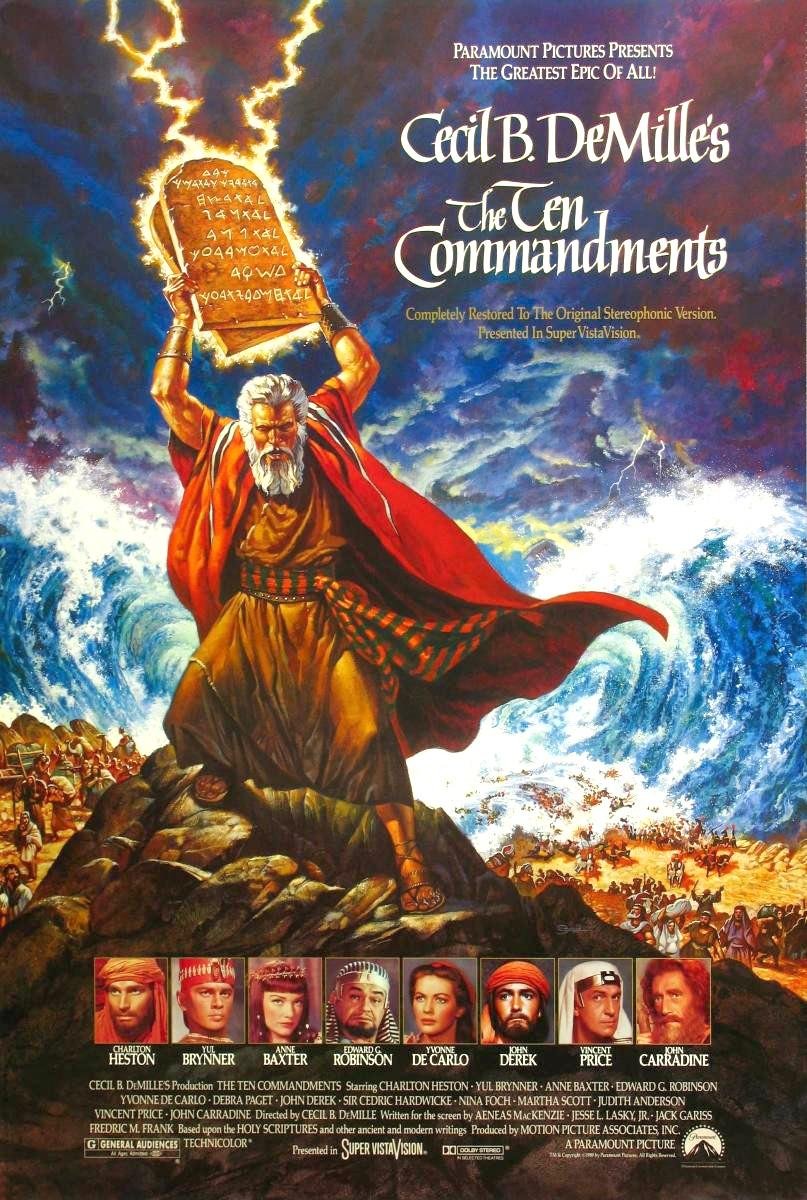
“The Ten Commandments” remains an ambitious cinematic undertaking that, while flawed in pacing and execution, still manages to capture the grandeur of its biblical source material. Its sweeping visuals and iconic performances contribute to a lasting cultural resonance, though modern viewers may find its slower moments testing their patience.
Who will enjoy it and who should skip it
Fans of classic epics and biblical narratives will likely appreciate the film’s ambitious scope and visual splendor. Those who enjoy grand storytelling with a theological underpinning may find it engaging. However, viewers accustomed to faster-paced narratives or looking for nuanced, modern character development might want to skip it; the film’s slower tempo and melodramatic style can feel dated.
Does the story and pacing still work for modern viewers?
How the narrative holds up without retelling the ending
The film’s core narrative, which centers on Moses’ rise and the liberation of the Israelites, offers an emotional depth that still resonates. Yet, its epic length often leads to a drawn-out experience, where subplots and character arcs tend to linger without completely engaging the audience. While the story remains compelling, the pacing risks alienating a contemporary audience that thrives on brisker storytelling. Strong emotional beats shine through, though they occasionally feel buried beneath extended sequences that could benefit from tighter editing.
Where the film drags and where it stays gripping
Certain sequences, especially those depicting the plagues and the parting of the Red Sea, succeed in delivering visual and emotional thrills. These moments achieve a sense of spectacle that grips the viewer’s attention. However, scenes devoted to the minutiae of court intrigue, particularly in the early stages, often undermine momentum. Here, the lavish sets and costumes can’t compensate for the lengthy dialogues that detract from the film’s driving force. Maintaining engagement becomes a balancing act between grand visuals and necessary character development, and not all sections find that equilibrium.
How faithful is The Ten Commandments to the source material and tone?
What it keeps from the original story and what it changes
The film stays mostly true to the biblical account of Exodus, maintaining the principal events while interpreting them through a Hollywood lens. Some liberties are taken, such as embellishing character dynamics, notably the rivalry between Moses and Ramses, which enriches the drama but strays slightly from scriptural accuracy. These alterations can enhance emotional stakes, yet might irk purists hoping for a more literal adaptation.
How the film balances drama, spectacle, and faith
Director Cecil B. DeMille expertly intertwines drama and spectacle, creating a film that strives to inspire awe while conveying a moral lesson. The cinematography offers sweeping vistas and monumental set pieces that remind viewers of the film’s epic nature. Yet, the film’s earnest approach to faith can come across as heavy-handed, occasionally undermining its dramatic impact. The balance tips depending on the scene; some achieve a moving synthesis of spectacle and spirituality, while others might feel contrived. Ultimately, it’s this push and pull that defines “The Ten Commandments,” revealing both its ambitious vision and its inherent limitations.
Are the performances convincing?
Lead performances and star presence
Charlton Heston’s portrayal of Moses is undoubtedly the film’s centerpiece, commanding the screen with a blend of gravitas and intensity. His ability to convey both the weight of divine destiny and the personal turmoil of leadership feels authentic, even amidst some melodramatic dialogue. Heston’s star power not only anchors the film but also breathes life into a character that could easily slide into cliché. He effectively balances Moses’ determination and vulnerability, magnifying the moral dilemmas that define the character’s journey.
However, Heston’s performance occasionally borders on the exaggerated, especially in scenes that demand restraint. While his physicality and robust presence elevate key moments, it can push the emotional beats toward the theatrical, detracting from the more subtle undercurrents of the narrative. It’s a double-edged sword; with Heston, the film possesses an unmistakable charisma, yet the very weight of his performance can cause some suspension of disbelief, particularly for contemporary viewers unaccustomed to this style.
Supporting cast, chemistry, and character clarity
The supporting cast brings a richness that oscillates between captivating and slightly overshadowed. Yul Brynner as Ramses delivers a formidable performance, filled with righteous indignation and nuanced conflict. The chemistry between Heston and Brynner is palpable, underscoring the personal stakes amid their epic clash. Nonetheless, some characters, such as Nefretiri, played by Anne Baxter, struggle with clarity of purpose. Her motivations often appear muddied, with emotional arcs that don’t fully resonate.
The ensemble’s dynamic adds layers to the narrative, yet it seems misaligned at times; the focus on the central rivalry eclipses the nuances of other character arcs. This uneven development occasionally leads to confusion, where intrinsic relationships feel underexplored, leaving viewers wanting more depth from the ensemble. The powerful performances do lend weight to the film’s moral conflicts, yet the lack of character clarity can hinder the emotional impact these dramatic tensions aim to achieve.
Does the direction and production make it worth watching?
Visual scale, set pieces, and special effects
Cecil B. DeMille’s vision manifests through immense visual scale, with set pieces and special effects that are astonishing for their time. The film opens with an impressive grandeur, effectively immersing viewers in the ancient world of Egypt. Iconic scenes, like the plagues and the parting of the Red Sea, exemplify not just innovative special effects but also an ambition that still resonates. The meticulous attention to detail in costumes and set design grounds the film in authenticity while elevating its epic aspirations.
However, the sheer scale sometimes overshadows intimate moments, leading to a spectacle that can feel overwhelming. The grandeur serves as both a visual feast and a narrative distraction, pulling away from quieter, character-driven scenes; this tug-of-war leaves audiences contemplating what’s more important—a stunning visual presentation or deeper storytelling. While the production establishes a mythic quality, one wonders if emotional stakes might have been better served through a slightly more reserved aesthetic approach.
How the director’s choices shape the film’s feel
DeMille’s directorial choices convey a moral weightiness that permeates the film. He wields epic storytelling with a heavy hand, employing techniques that demand viewers’ attention through grand gestures and dramatic framing. The pacing occasionally reflects his theatrical roots, leading to drawn-out sequences that might frustrate modern audiences expecting tighter editing. While his vision aims for an inspiring, almost spiritual journey, it creates an uneven rhythm that shifts focus between spectacle and substance.
At times, this saves the film, making certain moments of revelation or triumph genuinely moving, yet it also leads to tonal inconsistencies. The earnestness can feel didactic, as DeMille leans into the biblical themes with conviction. Yet, this directorial approach lends itself to a kind of dramatic biblical theater, galvanizing certain sequences while undermining others. Overall, the direction exhibits an ambitious spirit, though the execution can sometimes falter; it’s a dichotomy that shapes the film’s lasting impression.
Is The Ten Commandments worth watching or rewatching today?
Rewatch value after several decades
Decades after its release, “The Ten Commandments” retains a certain cultural gravity that makes it a staple of epic filmmaking. Its lasting impact is undeniable, having influenced many films within the biblical epic genre, not to mention the cinematic techniques valued in contemporary filmmaking. For viewers seeking a historical or cultural context, the film serves as a touchstone to the grand storytelling of yesteryears.
Nonetheless, the pacing may deter modern audiences from rewatching, particularly those less inclined toward slow-burn narratives. The slow buildup, dotted with occasional visual brilliance, can feel laborious for viewers accustomed to contemporary pacing and character complexity. Still, for fans of the genre or those interested in cinematic history, revisiting it could yield new insights. Its moral and ethical discussions remain relevant, inviting contemplation on leadership and sacrifice across generations.
Best viewing format and editions to seek out
To truly appreciate the film’s visual splendor and directorial ambition, seeking out a remastered blu-ray edition is essential. The high-definition clarity allows the grand set pieces and intricate details of costumes to shine, enhancing the overall experience. Additionally, special features that delve into the production give context to the film’s place within cinema history.
Watching it on a large screen, where its monumental visuals can envelop the viewer, is the optimal experience. Streaming options may fail to reproduce this immersive quality, making physical formats preferable for a fully involved viewing. Subtle details that build the film’s world and emotional heart can get lost in smaller formats, diminishing the magnitude of themes at play. Rewatching “The Ten Commandments” with a critical eye can yield a renewed appreciation or deeper frustration, depending on where one’s cinematic preferences lie.
What are the biggest strengths that still hold up?
Standout scenes, visuals, and performances
“The Ten Commandments” is a visual spectacle, showcasing an artistic ambition that still dazzles. Iconic scenes, particularly the parting of the Red Sea, highlight the groundbreaking special effects for its time. The immense scale of the sets, combined with vivid cinematography, captures an awe-inspiring depiction of ancient Egypt that feels monumental. The strong direction by Cecil B. DeMille allows these visual elements to complement the film’s epic scope, engaging the audience with sheer wonder.
Charlton Heston’s portrayal of Moses reinforces this visual grandeur with a performance that oscillates between fervor and gravitas. His commanding presence and passionate delivery lend weight to pivotal moments, particularly during the moral and spiritual crises that define his character. Heston’s ability to convey Moses’ internal struggles provides emotional stakes that resonate through the film, contributing to the lasting impact of specific sequences. Despite occasional hints of melodrama, his performance is a driving force, magnifying the narrative’s grand ambitions.
Moments that feel timeless
Certain moments in the film transcend its historical context and resonate with universal themes of sacrifice, leadership, and faith. The trials of the Israelites echo timeless human experiences, tapping into our collective consciousness about oppression and liberation. Scenes where Moses grapples with his destiny serve as poignant reminders of the struggle for identity and purpose—subjects that remain relevant across generations.
Even within the framework of a 1950s epic, the film’s exploration of moral dilemmas feels surprisingly modern. The tension between divine command and personal choice offers a profound commentary on leadership that many can relate to today. DeMille’s insistence on embedding these timeless themes within an epic narrative ensures that “The Ten Commandments” speaks to audiences long after its initial release. The film’s capacity to bridge temporal gaps through its emotional core is one of its undeniable strengths.
What are the main weaknesses to be aware of?
Dated elements, melodrama, and historical problems
While “The Ten Commandments” boasts impressive storytelling, it is not without its dated elements. The melodramatic dialogue and theatrical performances may feel jarring for contemporary viewers accustomed to subtlety. Characters occasionally exhibit broad emotional strokes, making it difficult to engage fully with their journeys. This approach pulls the narrative into a realm that may seem overly earnest or exaggerated, detracting from the complexity of the themes it’s tackling.
Furthermore, historical accuracy can be an issue for those seeking a more authentic representation of biblical events. Although the film captures the spirit of the Exodus story, its embellishments can feel anachronistic, potentially frustrating viewers who are knowledgeable about the broader narrative. The romanticization of character dynamics, particularly in the rivalry between Moses and Ramses, sometimes overshadows the more nuanced aspects of the source material. This mixture of melodrama and historical liberties hampers the film’s credibility, posing a challenge for discerning audiences.
Pacing issues, length, and accessibility for new viewers
The sheer length of the film—over three and a half hours—poses significant pacing issues that can test the patience of modern viewers. Drawing out certain plot lines leads to a drag that detracts from the engaging aspects of the story. While epic storytelling often requires a careful buildup, “The Ten Commandments” occasionally loses momentum, particularly in its early acts, where court intrigue can feel tedious.
This pacing may render the film less accessible for newcomers who might expect a brisk narrative style. The slow unfolding of events can leave a contemporary audience struggling to find hooks into the characters or story. Without established patience for the rhythm of classic epics, many may find themselves disengaged, leading to missed opportunities to appreciate the film’s grander themes and emotional depth. In a cinematic landscape defined by quicker beats and sharper editing, this work demands a level of commitment that can alienate casual viewers.
Who is this really for?
Viewers who will get the most out of it
“The Ten Commandments” is particularly suited for fans of classic cinema, epic storytelling, or biblical narratives seeking a heightened experience. Viewers who appreciate grand, sweeping visuals and emotional stakes can find a lot to admire within its frames. Those with an interest in historical cinema or those drawn to the moral complexities of leadership and faith will find rich themes worthy of exploration.
Additionally, the film serves as a cultural artifact, valuable for anyone interested in how the epic genre evolved and influenced subsequent works. Those willing to embrace the melodramatic style and lengthy runtime may uncover nuances that breathe life into its biblical retelling. For cinephiles, rewatching this film can deepen appreciation for its place within cinematic history, offering insights into the larger themes of sacrifice and redemption.
Viewers who are likely to be disappointed
Conversely, viewers who thrive on modern storytelling techniques or nuanced character development may find “The Ten Commandments” lacking. The film’s slow pacing and melodramatic performances can come off as tedious or dated, especially for those who prefer contemporary films’ tighter narratives. A younger audience with expectations shaped by fast-paced blockbusters might struggle to engage with a film that demands patience and contemplation.
Moreover, those with a focus on historical accuracy may be disappointed by the film’s embellishments and romantic portrayals. A discerning viewer could find the film’s melding of spectacle and narrative to fall short, leading to a disconnection from the emotional arcs presented. Thus, for viewers seeking a more restrained approach to storytelling or looking for psychological depth in characters, “The Ten Commandments” may ultimately prove disappointing, presenting challenges that overshadow its ambitions.
How does this compare to other biblical epics and big classics?
Where it sits among DeMille’s work and classic epics
Cecil B. DeMille’s “The Ten Commandments” occupies a unique position in the pantheon of biblical epics, serving as both a culmination of his directorial vision and a benchmark for subsequent films within the genre. DeMille, known for his opulent style and grand themes, crafts a film that embodies both the spectacular and the moral, aiming to capture the very essence of faith and divine intervention. This ambition places “The Ten Commandments” alongside other classics like “Ben-Hur” and “Spartacus,” which also grapple with themes of oppression and redemption through human endeavor and divine guidance.
While not without its flaws—lengthy pacing and occasional melodrama—it achieves an impact that resonates through its iconic imagery and powerful performances, particularly Heston’s Moses. The film successfully marries spectacle and substance, a hallmark of classic epics, making it a cornerstone for understanding the development of the genre. It remains a reference point in discussions of cinematic storytelling, embodying both the artistic aspirations and the limitations of its time, thus solidifying its place in cinematic history.
How it compares to modern takes on similar material
When contrasted with contemporary interpretations of similar biblical narratives, “The Ten Commandments” appears somewhat antiquated yet still resonates on a foundational level. Modern adaptations, such as Ridley Scott’s “Exodus: Gods and Kings” or Darren Aronofsky’s “Noah,” often take creative liberties to explore moral complexities or offer modern sensibilities that can feel more relatable to today’s audiences. These films tend to favor a nuanced character-driven approach, which “The Ten Commandments” sometimes lacks, preferring grand, sweeping gestures over psychological depth.
Yet, while newer entries might engage in more detailed character studies, they often miss the awe-inspiring visual spectacle that DeMille’s film delivers. The sheer scale and operatic grandeur of “The Ten Commandments” provide a visceral experience that many modern films struggle to replicate, focusing instead on realism and subtleties. For viewers willing to embrace a slower, melodramatic narrative style, DeMille’s work offers a kind of cinematic immersion in biblical themes that remains unmatched in sheer visual ambition.
Any content warnings or sensitive issues to know before watching?
Violence, religious themes, and emotional intensity
“The Ten Commandments” is laden with themes of religious conflict, divine judgement, and violence that can evoke strong reactions. The film depicts several intense scenes, including plagues and mass deaths that unfold in a dramatic fashion. Such sequences may be unsettling for viewers sensitive to graphic depictions of violence, even when presented through a biblical lens. The emotional weight of these themes also runs high, as characters grapple with existential dilemmas and serious moral questions concerning faith, leadership, and sacrifice.
The film’s portrayal of divine wrath can feel particularly heavy-handed, with its moral absolutism providing little room for ambiguity. This intensity, while arguably central to its narrative impact, may resonate differently with viewers based on their personal beliefs or emotional thresholds. Viewers should prepare for a film that challenges not only the senses but also invokes a degree of introspection regarding moral and spiritual themes.
Cultural depictions and dated portrayals
DeMille’s film is a product of its time, and as such, it features depictions of culture that can feel dated or overly simplistic by today’s standards. The representation of characters, particularly those from non-Western cultures, often leans heavily into caricature, lacking the nuance and depth expected in modern storytelling. This simplification can result in reinforcement of stereotypes that might be discomforting for contemporary audiences who prioritize authenticity in character portrayals.
Moreover, the film’s handling of gender dynamics can feel particularly outmoded, with female characters often relegated to subordinate roles that lack agency beyond their relationships with male leads. Such depictions may strike modern viewers as not only clichéd but also detract from the potential richness of the narrative. Awareness of these cultural limitations is vital for a complete viewing experience, as they can alter one’s engagement with the film’s themes and emotional stakes.
FAQs
Is The Ten Commandments historically accurate?
While “The Ten Commandments” strives for historical authenticity in its portrayal of the Exodus narrative, significant creative liberties are taken that compromise its accuracy. DeMille’s adaptation emphasizes dramatic storytelling over strict adherence to historical timelines or details. Events are often depicted in a way that enhances emotional or moral stakes rather than faithfully representing biblical texts.
This interpretation can frustrate purists or those seeking an academic understanding of the biblical story, as embellishments in character relationships—such as the dramatized rivalry between Moses and Ramses—serve to heighten the film’s dramatic tension but stray from scriptural accounts. While the film captures the zeitgeist of its biblical source, viewers should approach it with the understanding that it is more a cinematic interpretation than a historical document.
How long is the film and which version should I watch?
The film runs for a staggering 220 minutes, making it one of the longest major films ever produced. The sheer length can be daunting, particularly for modern viewers accustomed to tighter narratives. As for which version to watch, the 1956 theatrical release remains the most famous and widely acclaimed.
Opting for the remastered Blu-ray edition is advisable, as it offers improved visuals and sound quality, enhancing the epic’s visual splendor and emotional depth. Exploring the various special features available in these editions can provide valuable insight into the film’s production and historical context, ultimately contributing to a more rewarding viewing experience. For those willing to invest time, the film can yield both visual and thematic treasures, although it demands patience and an appreciation for the epic storytelling tradition.