
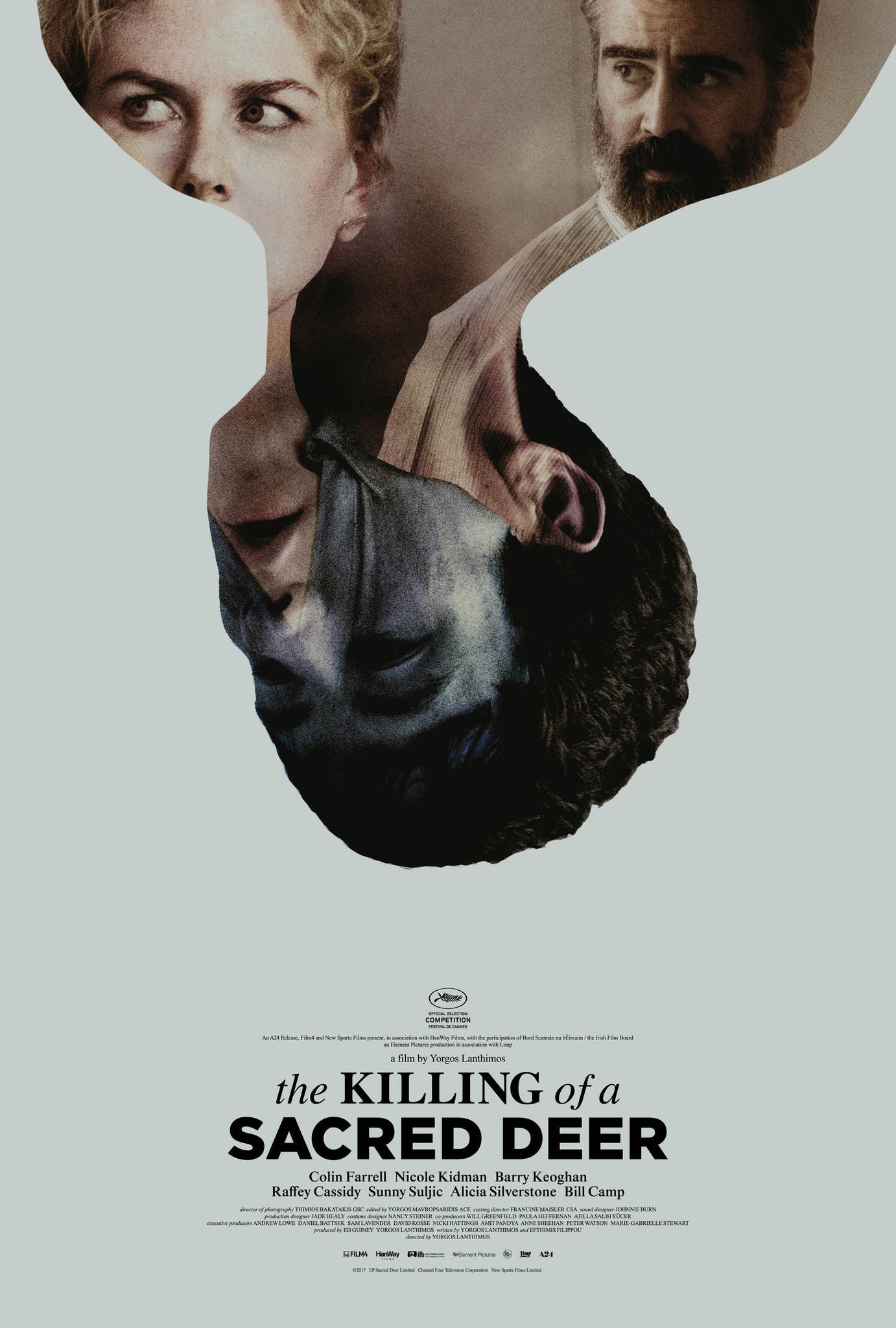
Information
tl;dr
Quick verdict
“The Killing of a Sacred Deer” leaves you shuddering long after the credits roll, crafting an unsettling tale that explores themes of guilt and moral ambiguity. Yorgos Lanthimos’s direction is both masterful and disconcerting, with the tension often erupting in moments that leave the audience feeling trapped in a moral conundrum. It’s a film intent on probing the boundaries of human conduct, wrapped in a veneer of sleek, clinical aesthetics. Prepare for a cerebral experience that won’t cater to every viewer’s palate.
Who should watch and who should skip
This film is a must-watch for those who appreciate psychological thrillers that question ethical boundaries and parental dilemmas. If you’re drawn to the sinister hues of Lanthimos’s previous works like “The Lobster” or “Dogtooth,” this will resonate. Conversely, casual viewers looking for a straightforward narrative or lighter fare may find themselves alienated. The discomforting nature of the film demands a viewer ready to engage with its existential questions, not one seeking mere entertainment.
How tense and well-paced is the story?
Does the plot keep you engaged from start to finish?
The tension is palpable throughout “The Killing of a Sacred Deer,” with each scene meticulously crafted to evoke discomfort. Lanthimos layers the dread with surgical precision, gradually revealing the moral stakes at play. Yet, this intensity serves a dual purpose—it both captivates and alienates. The dialogue, delivered in a disconcerting, almost robotic cadence, keeps an emotional distance that might frustrate some, but for others, it amplifies the horror of the unfolding narrative. Understanding this blend of tension and disconnection is key to fully engaging with the film.
Does the slow burn feel purposeful or just dragging?
The pacing leans decidedly towards the slow burn, an approach that either immerses the viewer in its discomfort or stretches their patience. Each drawn-out scene lingers, challenging the audience to sit with their unease. This deliberate pace is purposeful, emphasizing the internal struggles of the characters and imbuing the narrative with a sense of inevitability. However, some might argue that certain segments tip into tedium, losing momentum. The film rewards those who embrace its unhurried unraveling, but it demands a level of commitment that not everyone will be willing to sustain.
Are the performances convincing?
How do Colin Farrell and Nicole Kidman carry the film?
Colin Farrell and Nicole Kidman deliver performances that are both haunting and chilling, perfectly fitting the film’s existential dread. Farrell’s portrayal of a father caught in moral turmoil is layered with vulnerability and restraint, enhancing his character’s internal conflict. Kidman complements this with a nuanced performance, embodying a mother who oscillates between strength and fragility. Their portrayal of a couple under siege is not just convincing—it’s unsettlingly real, capturing the film’s overarching themes of power, sacrifice, and parental responsibility. Their dynamic showcases how deeply personal dilemmas can permeate familial bonds.
Do the younger cast and supporting roles add depth?
The younger cast, particularly Barry Keoghan as the enigmatic Martin, amplifies the film’s unease. His performance is an unsettling mix of charm and menace, serving as a catalyst for the family’s unraveling. Keoghan’s character is an embodiment of fate imposing itself on choice, pushing the narrative into deeper moral territory. Supporting roles, including those from the children, enhance the film’s exploration of innocence interwoven with impending doom. Collectively, they serve not just to support the leads, but to reinforce the thematic currents of responsibility and consequences, creating an intricate tapestry that deepens the film’s emotional impact.
How does the director handle tone and style?
Is Lanthimos’s trademark deadpan effective here?
Yorgos Lanthimos’s deadpan style permeates “The Killing of a Sacred Deer,” acting as both a shield and a weapon. The characters deliver lines with an emotional detachment that heightens the film’s unsettling atmosphere. This clinical approach to dialogue creates tension, luring viewers deeper into an uncomfortable reality where human emotions become exaggerated yet paradoxically suppressed. The absurdity within the mundane is a recurrent theme in Lanthimos’s films, and here, it amplifies the moral dilemmas faced by the characters, allowing the audience to question not just the actions on screen, but their own responses to such actions. While this tonality may be invigorating for long-time fans, it risks alienating those less inclined toward such stylized austerity.
Does the cinematography and soundtrack build the mood?
The cinematography in “The Killing of a Sacred Deer,” crafted by frequent collaborator Thimios Bakatakis, is integral to its unnerving ambiance. The use of symmetrical framing and stark lighting creates a sterile visual landscape that mirrors the emotional barrenness of the characters’ lives. Close-ups intensify the psychological stakes, forcing the audience to confront the characters’ paranoia and perpetual tension. Paired with the minimalist score from composer Macdara Vallely, which often feels discordant and haunting, the film’s mood is meticulously cultivated. The sound design itself amplifies the discomfort, using silence and subtle sounds to evoke a sense of dread. Together, they deliver an unsettling sensory experience that plays a crucial role in establishing the film’s moral ambiguity.
Does The Killing of a Sacred Deer succeed as a thriller or a fable?
Is the premise satisfying or too abstract?
The premise of “The Killing of a Sacred Deer” teeters in the realm of abstraction, blurring the lines between thriller and fable. This ambiguity often feels intentional, as Lanthimos challenges audiences to confront deeply moral quandaries with little to no clear resolution. The ethical implications of sacrifice and responsibility weigh heavily, but the surrealism might leave some viewers grasping for a foothold in reality. While the film’s elements may initially bewilder, they serve to provoke thought rather than simply entertain, prompting discussions about the nature of guilt and punishment. Those willing to engage with its erratic narrative might find satisfaction in its thematic depth, while others may view the lack of definitive answers as frustrating and unfulfilling.
Does the film balance moral themes with suspense?
Lanthimos skillfully entwines moral themes with suspense, crafting a narrative where unease is a driving force. The filmmakers wield ethical dilemmas as expertly as plot mechanics, effectively elevating suspense beyond traditional thriller tropes. The stakes are heightened by the characters’ moral decisions—each choice presents a heavier burden of responsibility, creating a palpable tension throughout. However, the film’s heavy reliance on abstract themes may detract from a feeling of urgency for some viewers. The suspense hinges not only on physical threat but on psychological turmoil, producing a complex interplay where the intricacies of human nature take center stage. This ambitious balancing act pays off, inviting viewers to continuously grapple with their own moral compass.
What are the film’s biggest strengths and weaknesses?
Where the movie really shines
The film’s primary strength lies in its unsettling atmosphere, meticulously crafted through striking visuals and powerful performances. Lanthimos constructs a world that feels simultaneously familiar and alien, a perfect breeding ground for unease. The performances, particularly by Colin Farrell and Barry Keoghan, elevate the film’s unsettling nature, anchoring the moral dilemmas in personal stakes. The script’s precision and the characters’ moral conflicts resonate long after the film concludes, provoking contemplation about the choices individuals face when confronted with sinister forces. It serves not just as a story about guilt and punishment, but also as a microcosm of the broader human condition, making its thematic ambitions resonate on multiple levels.
What may turn viewers off
Despite its strengths, “The Killing of a Sacred Deer” risks alienating viewers due to its deliberately paced storytelling and its highly specific tonal choices. The deadpan delivery and abstract plot might feel tedious or opaque for those unfamiliar with Lanthimos’s unique style. The unsettling subject matter and emotionally distant characters can create barriers that may frustrate viewers expecting a more conventional thriller. Additionally, the moral ambiguity can leave some feeling unfulfilled, searching for a clearer narrative resolution or emotional catharsis. Those seeking traditional thrills or clear character arcs might struggle to appreciate the film’s values, making its cult-like status a reflection of its polarizing nature.
Is it worth watching or rewatching?
First time watch value
Watching “The Killing of a Sacred Deer” for the first time is akin to stepping into an intricate labyrinth where every corner presents a new tension. Lanthimos’s unique storytelling demands your full attention and rewards those willing to dive into its murky depths of moral ambiguity. The film grips you immediately with its disconcerting tone and meticulously crafted performances. As you navigate the dark alleys of sacrifice and ethics, the experience is not just engaging, but profoundly unsettling. It’s an invitation to ponder, wrestle with your discomfort, and question the very nature of consequence.
Yet, this visceral engagement isn’t universally compelling. Those unaccustomed to Lanthimos’s peculiar style may find themselves disoriented, grappling with the film’s emotional detachment and surreal narrative choices. For some, it would be a journey worth taking; for others, it might feel cumbersome. Ultimately, its value lies in the questions it raises rather than the comfort it offers.
Rewatchability and lasting impact
As for rewatchability, “The Killing of a Sacred Deer” morphs into a different experience upon revisiting. Armed with the knowledge of the film’s layers, subsequent viewings unveil subtleties previously overlooked. Each character’s interaction and choice gains fresh meaning, reshaping your understanding of the narrative’s moral landscape. The cinematic craft—particularly the cinematography and sound—speaks even louder with greater familiarity, amplifying the unease embedded in its aesthetic.
However, the very qualities that may draw some viewers back might deter others. The film’s dense atmosphere and relentless discomfort can feel suffocating upon a second viewing, prompting questions about whether the experience is enriching or simply an exercise in endurance. Its lasting impact is undeniable, yet whether one chooses to engage with this emotionally taxing maze again is largely contingent upon their appetite for navigating such unsettling waters repeatedly.
Who is this film really for?
Ideal audience and viewing mindset
“The Killing of a Sacred Deer” is crafted for an audience that revels in psychological inquiry and moral complexity. Those who appreciate the shifts in tone and style found in Lanthimos’s previous works will find familiarity in its unsettling embrace. Ideal viewers are keen on dissecting the film’s intricate themes of guilt, sacrifice, and the boundaries of familial love. A willingness to engage with ambiguity enhances the viewing experience, as does an openness to unconventional storytelling methods.
This film does not serve as casual entertainment; it’s a psychological puzzle demanding a critical eye and an introspective mind. Ideal viewers won’t shy away from discomfort, instead embracing it as part of the narrative adventure. If you’re looking for an experience that lingers, prompting discussions that challenge your moral compass, this film is tailor-made for you.
Viewers who should avoid it
Conversely, viewers seeking light-hearted entertainment or straightforward narratives will likely find “The Killing of a Sacred Deer” a frustrating endeavor. Its slow, deliberate pacing, combined with surreal dialogue and emotionally detached characters, presents a barrier that can alienate more traditional audiences. Those who prefer films that deliver clear-cut resolutions, character redemption arcs, or even a modicum of emotional warmth might feel exasperated by the bleak and claustrophobic themes that permeate the film.
If you’re not prepared to dig deeply into the darker aspects of human nature or to wrestle with moral dilemmas devoid of easy answers, you might be better off skipping this disquieting journey. There’s a world of cinema that caters to lighter tastes, and this film intentionally operates on the opposite end of that spectrum, demanding a higher level of engagement that not all viewers may be willing to offer.
How intense or disturbing is the film?
Content warnings and triggers to know
“The Killing of a Sacred Deer” is intent on unsettling its audience, and as such, it features content that demands caution. Themes of child endangerment, medical horror, and ethical sacrifice permeate the narrative, creating an environment fraught with anxiety and moral tension. Graphic imagery may also surface, challenging viewers’ tolerance for visceral depictions of violence and body horror.
The psychological implications of watching a family face an untenable choice could act as triggers for those grappling with themes of guilt, parental responsibility, or loss. For individuals sensitive to these topics, forewarned is forearmed. Lanthimos does not shy away from showing the dire consequences of inaction and moral failure, ensuring the film’s psychological weight lingers long after the credits roll.
How upsetting are the themes and visuals?
The themes explored in “The Killing of a Sacred Deer” are undeniably distressing, probing uncomfortable questions about the nature of punishment, justice, and familial bonds. The film doesn’t merely present these themes; it immerses the viewer in a world where decisions have dire and often horrific consequences. The tension builds with each scene, creating a sense of dread that feels both immediate and existential.
Visually, the cinematography conveys a disquieting atmosphere that reflects the internal chaos of the characters. The film’s sterile aesthetic enhances its unsettling nature, amplifying feelings of isolation. With its haunting score and jarring sound design, every element works in concert to evoke discomfort. While some may praise this stylistic choice for its ability to create a lasting impression, others might find it overwhelmingly bleak and harrowing. This aesthetic aligns with the film’s thematic incline, leaving viewers grappling with the tumultuous moral landscape long after they’ve turned off the screen.
Practical details before you press play
Runtime, rating, and release year
“The Killing of a Sacred Deer” runs for a taut 121 minutes, a duration that feels meticulously calculated to keep viewers on edge without overstaying its welcome. Released in 2017, the film carries a rating of R, a designation earned through its intense thematic content and moments of graphic violence. This runtime, paired with its stark subject matter, serves the film’s immersive experience, ensuring that every minute is steeped in moral ambiguity and philosophical inquiry. Lanthimos’s precision in pacing underlines the urgency and inevitability of the characters’ plight, crafting an experience that feels both calculated and poignant.
Where to stream or rent it now
Currently, “The Killing of a Sacred Deer” can be found on several streaming platforms, catering to a variety of viewer preferences. It is available for rent or purchase on services like Amazon Prime Video, Apple TV, and Google Play. For those interested in diving deeper into Lanthimos’s world or engaging with the unsettling themes of the film, these platforms offer accessible routes for viewing. The availability on subscription services can shift, so seasonally checking platforms like Hulu or HBO Max could also yield fruit. Regardless of the medium, prepare yourself for a film that lingers in your mind long after you’ve pressed play.
FAQs
Is The Killing of a Sacred Deer based on a true story?
No, “The Killing of a Sacred Deer” is not based on a true story, but it operates within a framework deeply rooted in philosophical inquiry and mythological allusion. Yorgos Lanthimos crafts an intricately woven narrative that hints at universal moral dilemmas rather than recounting real events. Drawing more from the essence of myth—specifically the tale of Iphigenia—this film transcends empirical reality, using its narrative as a vehicle to explore the complexities of guilt, sacrifice, and the existential burdens facing its characters. The broader themes resonate with an inherent truth about human nature, making it feel disturbingly plausible without needing a factual basis.
Do you need to have seen other Lanthimos films to understand it?
While familiarity with Yorgos Lanthimos’s previous works, such as “Dogtooth” or “The Lobster,” can enhance one’s appreciation of his style, it is not strictly necessary to grasp the core themes of “The Killing of a Sacred Deer.” The film stands on its own as an unsettling exploration of morality, familial bonds, and the weight of consequences. However, those acquainted with Lanthimos’s deadpan humor and abstract narrative techniques may find themselves more adept at navigating the film’s uniquely challenging terrain. For newcomers, the experience can be both alienating and intriguing; the film demands engagement regardless of prior exposure, pushing the viewer to confront the disquieting questions it raises without relying on the comfort of familiarity.