
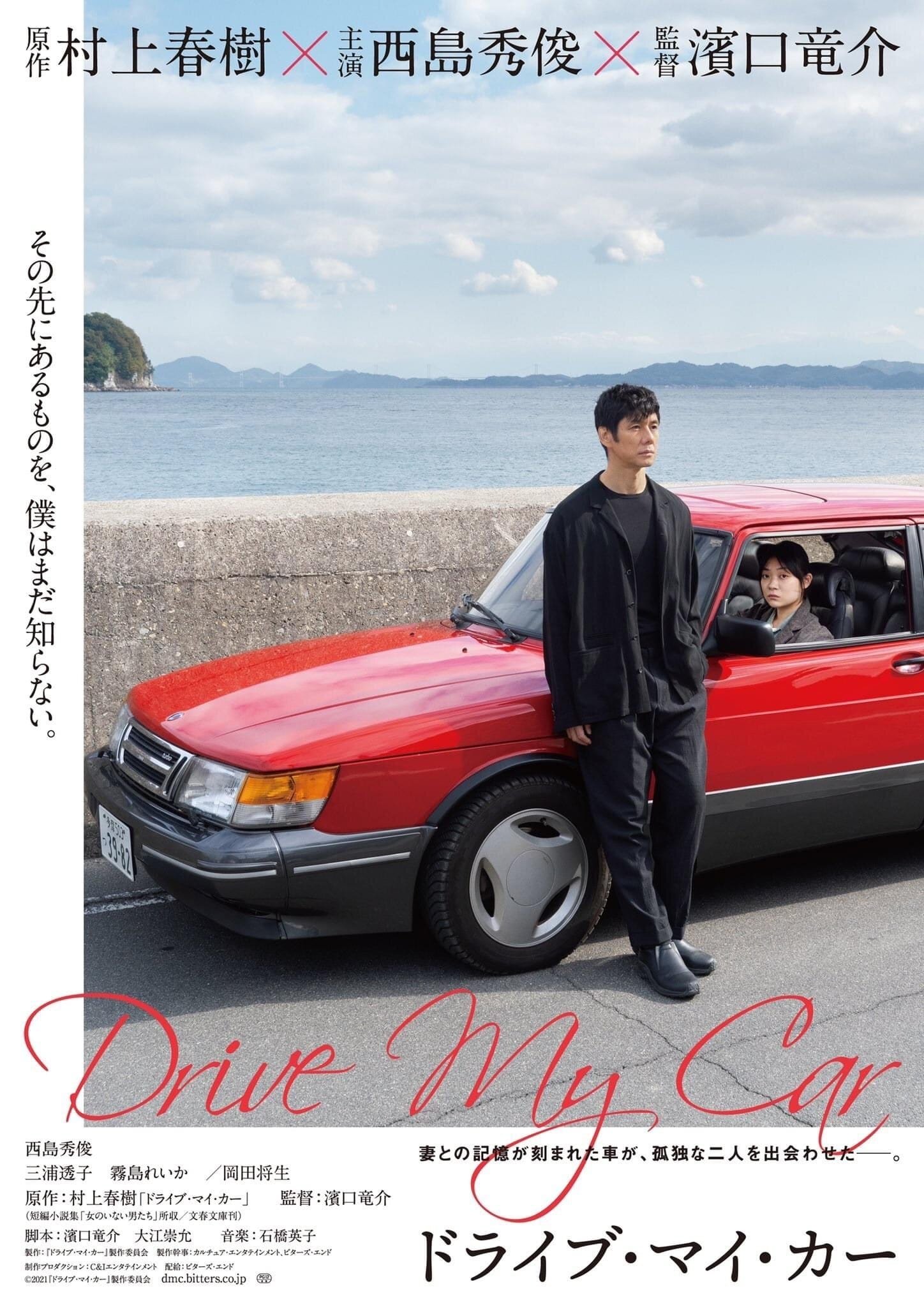
Information
tl;dr
Quick verdict
“Drive My Car” is a contemplative exploration of grief, communication, and human connection, articulated through a meditative road trip encapsulated in the confines of a theater. While its pacing may challenge some viewers, the emotive performances and nuanced storytelling deliver a profound experience that transcends its runtime.
Who will like this film
This film will resonate deeply with audiences who appreciate character-driven narratives, subtle emotional arcs, and slow cinema reminiscent of works by directors such as Hiroshi Šinkai or even the nuanced storytelling of Richard Linklater. If you’re drawn to introspection and the complexities of relationships, “Drive My Car” is likely to find a warm spot in your cinematic heart. However, viewers who prefer action-packed plots or rapid-fire narratives may find it testing.
What kind of movie is Drive My Car?
Year, runtime, and basic facts
Released in 2021, “Drive My Car” runs for a contemplative 179 minutes, a testament to director Ryusuke Hamaguchi’s ambition to immerse audiences in a layered narrative. Based on Haruki Murakami’s short story, it elegantly adapts literary textures to film, enriching its thematic depth and allowing time for its characters to breathe. The lengthy runtime invites viewers to grapple with each character’s emotional journey as it unfolds, ultimately crafting a multi-dimensional experience.
Genre and overall tone
At first glance, “Drive My Car” may appear as a straightforward drama. Yet, it deftly straddles multiple genres, incorporating elements of road movie, psychological exploration, and even hints of existentialism. The tone is one of contemplative melancholy, where silences and pauses are just as critical as spoken dialogue. This allows for a slow revelation of character motivations, establishing an atmosphere that encourages reflection on personal grief and connection.
Does the story and pacing work?
How the plot unfolds without spoilers
The plot unfolds with a delicate precision, presenting a series of encounters that reveal layers of loss, forgiveness, and the intricacies of communication. The nuanced structure allows for intersections between characters that feel both organic and poignant. Instead of quick resolutions, it embraces ambiguity and the messiness of human experiences. Each dialogue and interaction is meticulously crafted, leading audiences to reflect rather than merely observe.
Is the pacing a strength or a barrier
The pacing is undoubtedly a double-edged sword. For those attuned to the rhythm of introspective cinema, it enhances the narrative’s emotional weight, allowing moments of silence to resonate. However, this languid approach may feel disorienting or tedious for viewers seeking a more conventional narrative propulsion. It’s a bold choice that aligns with the film’s themes of patience and understanding but risks alienating those who prefer a more action-oriented experience. Ultimately, the film earns its deliberate pace, providing a space for emotional resonance and viewer reflection.
Are the performances and characters convincing?
Lead performances and chemistry
The lead performances in “Drive My Car” are nothing short of revelatory. Hidetoshi Nishijima embodies the character of Yūsuke Kafuku with a quiet intensity that captivates from the start. His portrayal of a man grappling with profound grief feels authentic and deeply human. There’s a palpable chemistry between Nishijima and his co-star, Toko Miura, who plays Misaki, the woman assigned to drive him. Their interactions, laden with unspoken tension and emotional weight, explore the delicate balance of companionship and isolation. The moments of silence between them are as telling as their dialogue, creating a rich, complex interplay that underscores the film’s themes of connection and understanding. This dynamic makes both characters’ emotional arcs resonate powerfully, allowing the audience to invest in their journeys.
Memorable supporting roles
The supporting cast is equally compelling, enriching the narrative tapestry with nuanced portrayals that linger in the viewer’s mind. In particular, the other actors playing the theater group offer varied dimensions to the story, showcasing a spectrum of relationships and personal struggles. Their performances, while not in the spotlight, round out the thematic exploration of grief and human connection, contributing to the overall emotional landscape. Each character represents different facets of love, loss, and the complexities of communication, which amplifies the protagonist’s own journey. These roles, particularly those infused with humor and warmth, provide necessary contrast to the heavier themes, creating a tapestry that feels both realistic and relatable. The ensemble cast doesn’t just serve plot functions; they enhance the emotional resonance of the film, making its quiet moments even more impactful.
How does the direction and overall execution hold up?
Visual style, sound, and staging
Director Ryusuke Hamaguchi demonstrates exceptional control over his visual narrative, crafting a film that is as much about what’s left unsaid as it is about dialogue. The cinematography, marked by long takes and carefully framed compositions, invites viewers into the contemplative spaces where the characters exist. Hamaguchi’s use of color and light mirrors the characters’ emotional states, making even mundane settings feel infused with significance. The sound design complements this visual aesthetic, using silence and ambient sounds to heighten emotional moments. The car, both a literal and metaphorical space of transition, becomes a character in its own right, representing the journey through grief and healing. Each element of the framing, sound, and staging works synergistically to pull the audience deeper into the richly layered storytelling.
Script, adaptation choices, and scene construction
The film’s script makes discerning choices in adapting Haruki Murakami’s work, striking a balance between maintaining the source material’s introspective quality while crafting a compelling cinematic narrative. Hamaguchi’s scene construction often prioritizes mood and atmosphere over conventional plot devices, allowing emotions to unfold gradually. This can be both an asset and a challenge; the adaptation draws on Murakami’s penchant for existential inquiry while shaping the dialogue to suit a visual medium. Moments of poignancy are interwoven with humor and everyday life, giving a sense of authenticity to the characters’ experiences. However, some viewers may find the script’s deliberately languid pace and philosophical dialogues a hurdle, which can feel more suited to a literary context than a cinematic one. Still, when done well, these choices enrich the narrative tapestry, inviting profound engagement with the themes at play.
What are the biggest strengths and weaknesses?
What stands out in a positive way
One of the film’s most striking strengths lies in its ability to evoke deep emotional responses through subtlety. The deliberate pacing, while potentially alienating for some, deeply enhances the themes of patience, understanding, and the complexity of interpersonal relationships. The emotional beats are earned rather than forced, allowing viewers to resonate with the characters’ journeys organically. The film’s marriage of intimate performances and thoughtful visual framing creates an intimate space that fosters reflection, resulting in moments that linger long after viewing. Furthermore, the exploration of grief and communication is handled with such tenderness that it transcends cultural boundaries, making the story universally relatable.
What may frustrate or bore some viewers
Conversely, the very pacing that gives the film its emotional weight may also frustrate those accustomed to more dynamic storytelling. The extended silences and slower narrative progression can create a sense of stasis that might deter viewers seeking briskly paced entertainment. Some might find certain philosophical conversations meandering, questioning whether they contribute meaningfully to character development or merely serve as artistic flourishes. Moreover, the film’s preference for ambiguity can leave some viewers craving closure or resolution, which may undermine the depth of engagement for those looking for conventional storytelling tropes. While these elements are essential to the film’s thematic exploration, they may ultimately create a divide between audiences who appreciate artistic risk and those who prefer a cleaner narrative arc.
Who is Drive My Car really for?
Ideal audience and viewing mindset
“Drive My Car” is crafted for viewers who thrive in introspective spaces—those willing to linger in emotional landscapes and engage deeply with characters navigating their intricacies. Fans of slow cinema, reminiscent of the works of Chantal Akerman or Aki Kaurismäki, will find solace in its meditative pacing and thematic depths. It’s a film demanding patience, ideal for those prepared to let moments unfold and reflect on the human experience through subdued dialogue and shared silences. If you appreciate narratives that require active participation and contemplation rather than passive consumption, this film speaks to you.
The ideal audience approaches “Drive My Car” with an understanding that the emotional journey is nuanced and complex—one that may require a commitment to grapple with uncomfortable truths about grief, connection, and forgiveness. This film rewards those who celebrate storytelling as an art form, where every glance and pause carries weight, enriching the experience significantly.
Who should probably skip it
Conversely, “Drive My Car” will likely frustrate viewers who lean toward fast-paced narratives or require plot-driven storytelling. If you gravitate toward films with clear-cut resolutions and immediate emotional payoffs, you might find this work tedious. Its languorous rhythm and philosophical musings could feel like an endurance test rather than a rewarding exploration of complex topics. Additionally, those who prefer overt melodrama and heightened stakes will likely dismiss the subtlety of its emotional beats as underwhelming. In short, if you’re in search of conventional cinema filled with action, quick dialogue, and easily digestible themes, this film isn’t likely to resonate.
What to expect while watching: mood, language, and content
Emotional beats and content warnings
“Drive My Car” guides viewers through a potent emotional terrain marked by profound grief, complicated relationships, and the challenges of communication. Its narrative is intertwined with themes of loss, which could be triggering for those navigating similar personal experiences. While the film approaches these issues with sensitivity, the depth of grief and existential inquiry may prove heavy for some. Audiences should be prepared for moments that may evoke uncomfortable feelings as characters confront their pain and loss.
The film displays a nuanced understanding of human emotion, allowing for moments of levity amidst dark themes. Despite the weightiness, there are scattered instances of humor that bring a sense of balance, drawing attention to life’s absurdities even in our sorrowful moments. Overall, while the emotional beats are earned, it’s essential for viewers to engage with an awareness of their own emotional landscape and mental readiness.
Language, subtitles, and accessibility notes
As a Japanese film with a deliberate narrative style, “Drive My Car” requires viewers’ full attention to its language and subtleties—elements that can be easily lost if distracted. The dialogue, although at times philosophical, is laced with poetic undertones, demanding careful consideration of what is expressed both through spoken word and silence. Subtitles serve as a tool for bridging cultural gaps, but they also necessitate careful reading, as much of the film’s emotional resonance is embedded in the weight of language.
From an accessibility standpoint, viewers unfamiliar with subtitled films may find the experience daunting, particularly with the slow pacing necessitating alertness. While the visual storytelling complements the dialogue effectively, the reliance on complex character interactions means that missing nuances in the translation could dilute the intended emotional impact. Therefore, potential viewers should approach the film with readiness for a contemplative viewing experience that emphasizes both sound and imagery as integral storytelling components.
Is Drive My Car worth rewatching?
How it holds up on repeat viewings
“Drive My Car” presents a rich tapestry that rewards repeat viewings. The film’s layered narratives and complex character arcs invite deeper exploration upon familiarization with the storyline. Each rewatch reveals nuances previously overlooked—be it subtle shifts in performances, foreshadowing in dialogue, or the visual motifs interspersed throughout the film. The emotional cadences feel distinctly different when viewed through a fresh lens after contemplation, invigorating discussions around the film’s core themes.
Moreover, the long runtime becomes less daunting with familiarity, translating into an enduring engagement with the stored memories and associations developed in the first viewing. There’s an intimacy that grows with each encounter; knowing the characters’ journeys allows viewers to appreciate the unfolding relationships from a new perspective, emphasizing how growth and transformation manifest not just in plot, but in the viewer’s empathy and understanding.
Lasting impressions and discussion value
The film leaves a profound imprint, serving as a catalyst for dialogue about grief, art, and the nuances of human connection. It raises questions that linger in the consciousness long after the credits roll, making it an ideal springboard for discussion. Viewers may find themselves reflecting on their own experiences of love and loss, making personal connections to the protagonists’ journeys. The thematic richness—wrapped in existential inquiry—adds depth, inviting discourse on broader principles of understanding and empathy against the backdrop of art and life.
This makes “Drive My Car” not just a film but also a conversation starter, sparking diverse interpretations depending on individual experiences. Its lasting impressions are undeniably powerful, ensuring that even after multiple viewings, each session in the theater of your mind will evoke new reflections on what it means to communicate and connect amidst the silence that often defines our existential experiences.
FAQs
Is Drive My Car based on a book or short story
Yes, “Drive My Car” is based on a short story by renowned Japanese author Haruki Murakami. The film translates Murakami’s signature intricacies into a visual medium, maintaining the emotive depth and existential themes characteristic of his work. What sets this adaptation apart is its ability to expand on the source material, creating a narrative space that allows for greater exploration of its characters’ internal landscapes. This thoughtful approach results in a film that stands as both a tribute to Murakami’s storytelling and an original cinematic experience, capturing the essence of his profound inquiry into love, loss, and the complexities of human relationships.
How long is Drive My Car and is it slow
Clocking in at 179 minutes, “Drive My Car” certainly qualifies as a long film, inviting contemplation over its deliberate pacing. While some may perceive this as sluggishness, it can also be seen as a careful sculpting of emotional depth and character nuance. The extended runtime allows for an immersive experience that gradually unfolds the story and its themes. Each minute is intentionally crafted, encouraging viewers to savor moments of silence and nuance that often evoke the greatest reflections. Whether this pacing works in the film’s favor or becomes a barrier largely depends on one’s affinity for slow cinema, making it critical for viewers to align their expectations with the film’s contemplative nature.
Do I need to see anything before watching
A prior familiarity with Murakami’s work could enhance one’s appreciation of “Drive My Car,” though it is not a prerequisite. Newcomers can still engage with the film’s emotional currents without any previous exposure. However, understanding the thematic concerns often present in Murakami’s narratives—such as introspection, loss, and the complexities of communication—can deepen the viewing experience. There’s an inherent richness to the film that resonates with those attuned to these motifs, yet it retains enough clarity to captivate those approaching it without a literary context. If one is prepared for a meditative exploration, they will undoubtedly find value in immersing themselves in this vivid cinematic journey.
Has Drive My Car won any major awards
“Drive My Car” has indeed garnered significant acclaim within the film community, including prestigious awards such as the Best International Feature Film at the 94th Academy Awards. This recognition speaks not only to its artistic merit but also to its resonance with audiences and critics around the globe. Awards aside, the film’s impact lies in its thought-provoking themes and masterful execution, championing the art of subtle storytelling. This accolade serves as a validation of director Ryusuke Hamaguchi’s vision and the collective effort of the cast and crew, although the true measure of its success rests on how it lingers in the minds and hearts of its viewers long after the credits roll.