
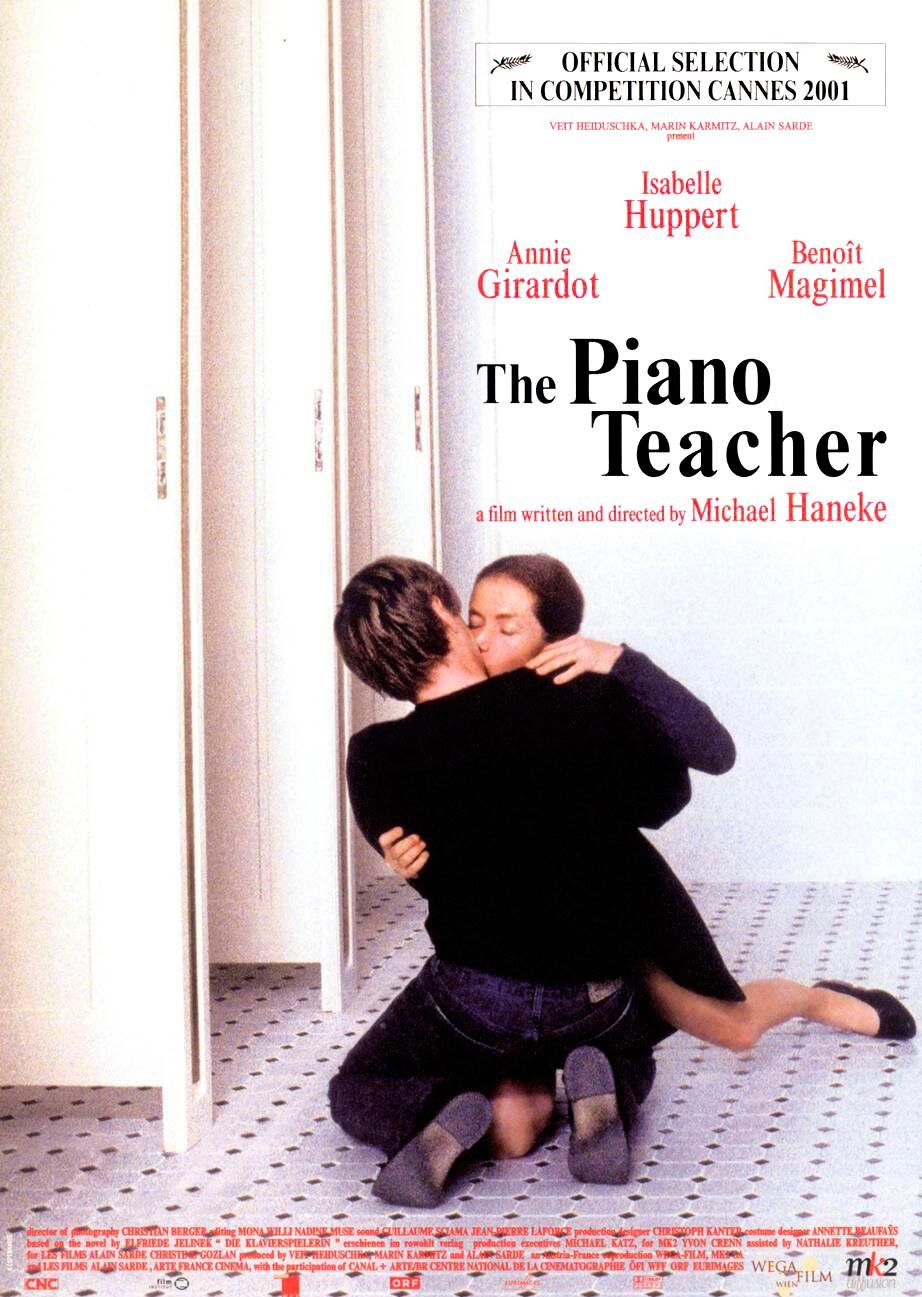
Information
tl;dr
One-line verdict and who will like it
“The Piano Teacher” is a disquieting exploration of repression and desire, likely to resonate with viewers who appreciate cerebral cinema and unsettling narratives.
Major content warning to know before watching
The film delves into themes of sexual violence, psychological manipulation, and self-harm, making it a challenging experience for sensitive viewers.
Quick note on pacing and length
Clocking in at just over two hours, the film’s pacing can feel deliberate, with stretches that cultivate tension but may test the patience of those expecting a conventional narrative rhythm.
How does the story hold up and does the pacing work?
Main narrative drive without spoiling key beats
At its core, “The Piano Teacher” navigates the fraught relationship between artistic ambition and personal trauma, a journey reflected through the tense interactions between the protagonist and her student. The internal struggles of the lead not only propel the narrative forward but build an unsettling sense of anticipation that lingers throughout. It deftly intertwines her psychological unraveling with themes of control and vulnerability, sparking questions about the elasticity of desire.
Where the film slows down or loses momentum
While the film’s meticulous character development is a strength, there are moments that risk alienating the audience. Extended scenes focusing on the protagonist’s internal conflicts can feel drawn out, particularly where they venture into abstract territory. Such pacing may frustrate viewers hoping for more plot-driven engagement, especially in the mid-section where the tension occasionally dissipates, creating a lull that stalls the intricate dance of desire and power.
Is the ending satisfying or deliberately ambiguous
The film’s conclusion leans towards ambiguity, leaving many questions tantalizingly unanswered. This choice may initially feel unsatisfying to those who crave resolution. However, it ultimately aligns with the film’s exploration of uncertainty in human behavior and emotions. The ending encourages a personal reflection on the complex interplay of the characters, inviting viewers to grapple with lingering themes long after the credits roll.
Are the performances convincing and memorable?
Lead actor performance and emotional range
The lead performance is both haunting and layered, capturing the character’s turmoil with striking authenticity. She navigates the spectrum of emotions—from quiet repression to explosive vulnerability—with skill that leaves a lasting impression. Her ability to convey internal conflict allows viewers to empathize, even as her actions challenge moral boundaries. This nuanced portrayal elevates the film, grounding its more theatrical elements in realism.
Supporting cast and important character dynamics
The supporting cast contributes significantly to the film’s emotional landscape. Each character, especially the rebellious student, serves as a reflection of the lead’s psyche, creating a dialogue that deepens the narrative. The interactions often oscillate between tenderness and intimidation, underscoring the power dynamics at play. However, some secondary characters could benefit from deeper development, at times feeling like devices rather than fully-rounded individuals.
Which characters feel fully realized and which do not
The lead and her primary student emerge as vividly constructed characters, their arcs intricately woven into the film’s thematic fabric. The complexities of their relationship reveal layers of meaning, particularly around themes of ambition and desire. In contrast, a few peripheral characters remain somewhat underdeveloped, lacking the depth that would enhance the film’s exploration of its central themes. These omissions create gaps that could have enriched the narrative, leaving the emotional stakes a tad lopsided.
How well is the movie directed and put together?
Director choices that define the film’s mood
The direction in “The Piano Teacher” is a testament to an unwavering vision that influences every aspect of its storytelling. The director establishes a tone teetering on the edge of discomfort and introspection, a choice that mirrors the protagonist’s internal struggles. The meticulous framing of scenes enhances this mood, with a focus on close-ups that capture fleeting expressions of vulnerability and self-loathing. This attentiveness to detail resonates throughout the film, turning mundane moments into reflections of larger existential crises. There’s an observant quality in the direction that invites viewers into the character’s psyche, allowing the unsettling atmosphere to build organically rather than relying on overt dramatization.
Cinematography, sound design and music impact
Visually, the film employs a muted color palette that complements the emotional barrenness of the protagonist’s world. Cinematographer’s choices feature tight framing and strategic use of light and shadow to heighten feelings of claustrophobia and isolation. The interplay of sound design further amplifies this ambience; the silence often feels as oppressive as the music scores that intermittently evoke classical beauty while also suggesting underlying tensions. This duality in sound — where haunting melodies contrast with jarring moments — propels the film’s emotional depth, allowing the music not only to narrate but to shape the audience’s reactions. The layers of sensory experience work in tandem, constructing a world that feels simultaneously familiar and alien.
Editing, tone control, and production values
Editing in “The Piano Teacher” plays a crucial role in managing the film’s deliberate pacing and complex emotional landscape. The cuts are often sharp, reflecting the protagonist’s psychological disarray, yet there are instances where lingering shots create a sense of discomfort that is almost palpable. This control over tone keeps the audience engaged while also introducing moments of tension that mirror the character’s internal conflicts. Production values are commendable, with meticulous attention to set design that reinforces the themes of repression and confinement. Everything from the austere interiors to the sparse, clinical environments contributes to a cohesive atmosphere, rendering the visuals deeply intertwined with emotional weight.
Awards, critical reception, or notable controversy
Upon its release, “The Piano Teacher” garnered considerable critical acclaim, lauded for its bold exploration of taboo subjects and psychological nuance. The film’s provocative nature sparked discussions about the boundaries of cinematic storytelling, drawing both admiration and controversy. Critics highlighted the compelling performances and the director’s unflinching approach to difficult topics, labeling it a challenging yet rewarding viewing experience. Some audience members, however, found the material distasteful, questioning whether it glamorized unhealthy relationships or reinforced stereotypes. This dichotomy of reception illustrates the film’s potential to divide opinions while also ensuring its place in discussions of bold, art-house cinema.
Will viewers understand the themes and emotional core?
Main themes and how directly they are presented
At the heart of “The Piano Teacher” lies a probing examination of power dynamics within relationships, specifically how repression can morph into desire. The film does not shy away from portraying the psychological battle between control and vulnerability; instead, it lays these themes bare through intricate character interactions and haunting imagery. The approach to these themes, however, is not straightforward. Viewers may find themselves facing a labyrinth of emotions that challenges preconceptions about love, obsession, and personal freedom. The film’s refusal to provide clear answers compels an intellectual engagement with its ideas, encouraging various interpretations that reflect personal experiences and biases.
Whether the film asks the audience to interpret or react
The film’s layered narrative invites viewers to interpret rather than simply react, with each scene prompting introspection about the nature of desire and the consequences of authoritarianism in intimate settings. Rather than spoon-feeding emotion, it calibrates its impact through subtlety. Audiences are left with a sense of ambiguity that challenges them to examine not just the characters’ actions but their own perceptions of morality, power, and autonomy. This demand for engagement elevates “The Piano Teacher” from mere spectacle to a thought-provoking experience, although some may find its lack of explicit messages disconcerting or frustrating.
Emotional honesty versus melodrama
Emotional honesty reigns in “The Piano Teacher,” allowing raw feelings to surface without slipping into melodrama. The protagonist’s struggles resonate on a deeply personal level, driven by a performance that elicits genuine empathy even within the chaos of her choices. Rather than succumbing to hyperbole, the film achieves weight through its restraint, asking viewers to confront complex emotional truths rather than relying on exaggerated plot devices. This balance creates a more authentic experience that feels impactful for its willingness to engage with uncomfortable realities, challenging the viewer to reflect on societal norms surrounding mental health and sexual ethics.
Is the movie disturbing or hard to watch?
Types of upsetting content to expect
One of the defining characteristics of “The Piano Teacher” is its unflinching portrayal of disturbing subject matter. The film delves into themes of sexual power dynamics, psychological manipulation, self-harm, and the effects of repressed desires. Expect scenes that unearth the darker aspects of human relationships, presenting the protagonist’s internal battles in stark, unsettling clarity. The film doesn’t shy away from the complexities of these themes, forcing the audience to confront the uncomfortable realities that often dwell beneath the surface of conventional narratives.
How graphic or explicit the material is
While the film doesn’t dwell on graphic violence, it features moments that could be deeply unsettling for many viewers. The depiction of psychological torment is visceral and, at times, harrowing, leaving little to the imagination regarding the toll on the characters’ mental states. Such scenes linger in memory—not through explicit gore, but rather through their emotional impact and stark realism. This approach may evoke discomfort, as the film navigates the fine line between art and provocation, asking viewers to witness rather than turn away.
Who should avoid it and why
Sensitive viewers or those uncomfortable with themes of sexual violence or psychological distress should approach “The Piano Teacher” cautiously. The film’s exploration of taboo subjects is laid bare without glossing over the ramifications, making it less suitable for audiences seeking light entertainment or conventional storytelling. Its relentless honesty demands an openness to grappling with complex emotional landscapes, which might not sit well with everyone. Those unprepared for a challenging viewing experience may find themselves overwhelmed by the film’s intensity, highlighting the necessity of viewer discretion.
What are the biggest strengths and weaknesses?
Top 3 strengths that sell the movie
“The Piano Teacher” shines in its unsettling exploration of the psychological conflicts that underpin human relationships. First, the lead performance is extraordinary, offering a raw and profound portrayal that captures the character’s complexities and internal struggles. This authenticity resonates deeply, allowing viewers to connect with her despite the morally ambiguous choices she makes.
Second, the film’s direction employs a meticulous approach to mood and atmosphere that enhances its themes. By favoring discomfort over conventional storytelling, the director establishes a languorous rhythm that evokes tension, pushing viewers into a space of introspection rather than entertainment. Such choices create a singular cinematic experience marked by emotional depth.
Lastly, the cinematography works in tandem with the narrative, crafting visual storytelling that is both striking and symbolic. The tight framing and subdued color palette reflect the protagonist’s emotional isolation, while rhythmic montages of music and silence encapsulate the film’s thematic intricacies, allowing viewers to feel the weight of repression and desire.
Top 3 weaknesses or moments that frustrate
Despite its strengths, “The Piano Teacher” is not without its pitfalls. The pacing can become a hurdle, particularly in scenes that dwell excessively on the lead’s inner turmoil. While character development is crucial, some dramatic pauses stretch into tedium, potentially alienating viewers who yearn for more action or progression.
Additionally, certain secondary characters feel underwritten, serving primarily as reflections of the lead rather than fully realized individuals. This lack of depth deprives key moments of emotional resonance, making the film’s exploration of power dynamics feel uneven.
Moreover, the film’s ambiguous ending, while artistically valid, may leave audiences unsatisfied. As it deliberately refrains from wrapping up narratives, the lack of closure could frustrate viewers seeking a more definitive resolution, ultimately overshadowing the film’s achievements.
Overall balance between what works and what does not
In summation, “The Piano Teacher” showcases a compelling interplay of strengths and weaknesses. While its gripping performances, bold direction, and evocative cinematography elevate the experience, pacing issues and underdeveloped characters detract from its overall impact. However, the film’s ability to evoke thought and discussion outweighs its shortcomings, making it an essential, albeit challenging, viewing experience that invites audiences to grapple with the human condition.
Who is this really for?
Viewer tastes and moods that match the film
This film is best suited for viewers who enjoy cerebral, art-house cinema that challenges conventional storytelling. Those in the mood for an emotional and psychological deep dive will find its unsettling themes and complex character dynamics engaging. If you’re inclined toward narratives that probe the darker aspects of human desire and relational power, this film offers a rich tapestry that invites introspection and debate.
If you like X directors or films you’ll probably enjoy this
If you appreciate the works of directors like Michael Haneke or Lars von Trier, you’re likely to find “The Piano Teacher” resonates with your sensibilities. The film’s exploration of taboo subjects and its commitment to psychological realism is reminiscent of Haneke’s unflinching narratives. You might also enjoy films like “Blue is the Warmest Color” for their exploration of complex relationships or “Requiem for a Dream” for their intense emotional landscapes.
When and how to watch for the best experience
For optimal viewing, consider watching “The Piano Teacher” in a quiet, dimly lit environment where you can immerse yourself in its atmosphere. This film demands your full attention, so it’s best reserved for a time when you’re prepared for an emotionally charged experience. Ideally, approach it alone or with a like-minded friend who can engage in meaningful discussions afterward; the questions it raises about morality and desire linger long after the credits roll.
Is The Piano Teacher worth watching or rewatching?
Should you watch it now or skip it
If you’re intrigued by psychological explorations of complex characters and are comfortable with challenging themes, “The Piano Teacher” is definitely worth watching. However, if you prefer lighter fare or straightforward narratives that offer clear resolutions, it may be best to skip this film, as it demands patience and deep engagement to appreciate its artistry.
Rewatch value and what you might notice on repeat viewings
Rewatching “The Piano Teacher” can reveal deeper layers of meaning that may have been missed on the first viewing. Subsequent watches could unveil subtleties in the performances or narrative structure, allowing for a richer understanding of character motivations and the thematic nuances surrounding repression and desire. Each viewing can prompt fresh interpretations and discussions, making it a thought-provoking piece that benefits from deeper analysis.
Final recommendation in one sentence
“The Piano Teacher” is a haunting and complex film that challenges viewers to confront uncomfortable truths about desire and power, making it a rewarding experience for those ready to engage with its unsettling themes.
FAQs
Is The Piano Teacher based on a true story
While “The Piano Teacher” is not directly rooted in a true story, it draws from themes and experiences that resonate with real psychological complexities found in human relationships. Adapted from a novel by Elfriede Jelinek, the film engages with universal struggles around power dynamics, sexual repression, and emotional turmoil. Its narrative feels grounded in reality, exploring the darker facets of desire that many would recognize, even if the specific events are fictional. This emotional authenticity allows the film to evoke genuine empathy, prompting viewers to reflect on the nuances of personal trauma and interpersonal conflict.
Is the movie available to stream or rent right now
As of now, “The Piano Teacher” is available on select streaming platforms, where viewers can either rent or purchase it for an intimate viewing experience. Availability may vary depending on geographic location and current licensing agreements, so prospective viewers might need to check platforms like Amazon Prime, iTunes, or specialized art-house streaming services. Engaging with this film in the right setting is crucial; its atmosphere is best appreciated when you can immerse yourself without distractions.
How long is the film and is the runtime justified
Clocking in at approximately two hours, the runtime of “The Piano Teacher” is indeed a topic for discussion. While some scenes feel deliberately paced to develop the psychological nuances of the characters, this length can test the patience of viewers looking for traditional narrative structures. The film wades deep into themes of repression and desire, which justifies its slower moments as they cultivate a profound sense of unease. However, this is a double-edged sword; while many may find the extended character exploration enriching, others might find it dragging and frustratingly lacking in conventional pacing.
Does it have explicit sexual or violent content
Yes, “The Piano Teacher” contains explicit sexual and violent content that might disturb some viewers. The film does not shy away from portraying the complexities and consequences of unhealthy relationships, grappling with themes of sexual violence and manipulation. While these scenes are integral to its psychological explorations, they can be visually and emotionally intense, inviting careful consideration of the impact on the audience. This confrontational approach to disturbing content encapsulates the film’s essence but also serves as a warning for those more sensitive to such themes, highlighting the necessity of viewer discretion.