
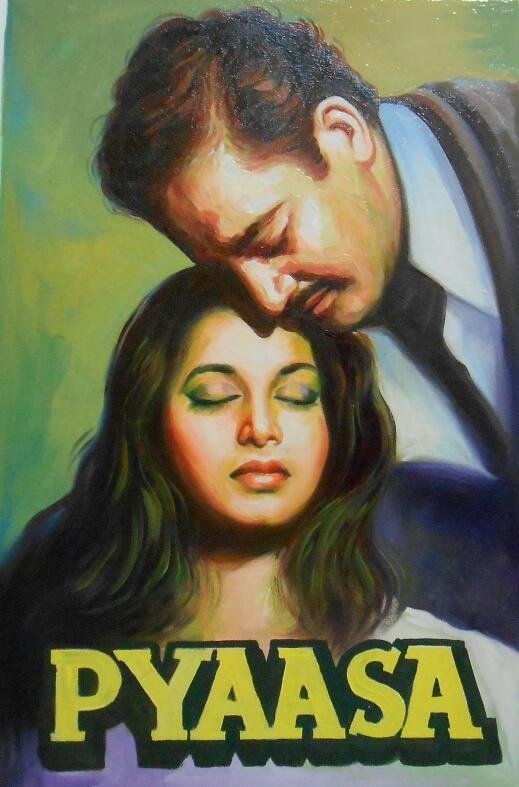

Information
tl;dr
Quick verdict
“Pyaasa” weaves a poignant critique of societal expectations and artistic struggle, masterfully exploring existential themes with an emotional resonance that lingers long after the credits roll. Its depth lies not only in its narrative but also in how it invites audiences to introspect on their own lives and ambitions.
Best takeaway for viewers
Viewers can expect a visceral journey through the highs and lows of creativity, as “Pyaasa” captures the duality of hope and despair. The film challenges its audience to reflect on their dreams and societal norms, making it a timeless piece that remains relevant across generations.
Does the story and pacing hold up?
How the themes and plot connect without spoilers
At its core, “Pyaasa” serves as a mirror, reflecting not just the life of its protagonist but also the aspirations, failures, and dreams of everyone navigating an unforgiving society. The film’s exploration of love, betrayal, and the quest for artistic integrity seamlessly intertwines, creating a rich tapestry of human emotion that feels both personal and universal. The narrative resonates, beautifully unearthing the struggle between individual desires and societal pressures, allowing the audience to empathize deeply with the characters without revealing too much.
Is the pacing comfortable for modern audiences?
The pacing of “Pyaasa” may feel deliberate, yet it often complements its thematic weight. While contemporary audiences, accustomed to brisk storytelling, might initially find certain sequences languorous, they ultimately serve to heighten the intensity of the emotional payoffs. This careful rhythm ensures that key moments land powerfully, allowing viewers to absorb the profound questions raised about art and existence. The slower tempo lends a meditative quality, inviting reflection rather than providing easy answers.
How are the performances and characters in Pyaasa?
Standout performances and memorable moments
The cast elevates “Pyaasa” into a realm of authenticity. The lead performance captures an aching vulnerability that resonates throughout the film, effortlessly portraying the character’s internalized struggles and relentless pursuit of meaning. Supporting performances add layers of complexity; particularly memorable are scenes that highlight the tension between ambition and disillusionment. These moments linger in the viewer’s mind, emphasizing the film’s emotional depth and resonance.
Are the characters layered or one-note?
“Pyaasa” thrives on its richly drawn characters who defy simple categorization. Each individual navigates their own spectrum of light and dark, making choices that are both relatable and, at times, frustrating. This complexity means viewers can experience their journeys on multiple levels. Rather than existing as mere plot devices, these characters invite audiences to ponder the intricacies of human nature, leaving them feeling both understood and unsettled. The film eschews the one-dimensional for a more nuanced exploration of what it means to chase dreams against overwhelming odds.
How is the direction and overall execution?
Visual style, cinematography and music
“Bardot’s” direction is a meticulous dance between the visual and the auditory, crafting an atmosphere that envelops the viewer in its melancholic beauty. The cinematography plays a pivotal role, utilizing stark contrasts between light and dark to symbolize the internal battles of the protagonist. Each frame is carefully composed, often reminiscent of classic noir films, but infused with a distinctly Indian sensibility. The use of shadows not only enhances the visual depth but also mirrors the despair and yearning found in the narrative.
The film’s score deserves particular mention, as it entwines seamlessly with the visuals to evoke an emotional response. Melodic yet haunting, the music amplifies the characters’ struggles and triumphs. In moments of despair, the haunting compositions serve as an aural backdrop that underscores the film’s themes of isolation and longing. This interplay of sound and imagery not only enhances the story but also elevates the overall emotional experience, creating a tapestry of sensations that lingers in the mind.
Editing, tone and how scenes land emotionally
The editing of “Pyaasa” maintains a rhythm that reflects its thematic undertones, often interspersing longer takes with brisk, impactful transitions that heighten emotional moments. This juxtaposition supports the narrative’s ebb and flow, allowing viewers to sit with the characters’ melancholy while also propelling the story forward during moments of revelation.
The tone is consistently somber yet poignant, creating a space where the audience can fully engage with the emotional gravity of each scene. The film doesn’t shy away from moments of discomfort; rather, it leans into them, encouraging viewers to confront the harsh realities faced by the characters. Each scene lands with intentionality, providing a cathartic release that feels earned rather than forced. The emotional payload resonates well beyond the screen, ensuring these moments stay with the viewer long after the film concludes.
What are the main strengths and weaknesses?
What works best (acting, music, visuals, themes)
The film’s most compelling strength lies in its ability to tackle profound themes with a delicate touch. The exploration of artistic integrity, societal pressures, and the quest for identity is handled with a nuanced approach that results in meaningful discourse. The standout performances anchor these themes, bringing visceral authenticity to each character’s journey.
Visually, “Pyaasa” is a feast, with every shot meticulously crafted to evoke emotions that complement the narrative arc. The music weaves throughout the film as an integral character in itself, enhancing the emotional landscapes and adding layers to the storytelling. This cohesive blend of acting, music, visuals, and themes creates a rich tapestry that immerses the audience in a world that feels both critical and compassionate.
What might put some viewers off (length, dated elements, pacing)
Despite its strengths, “Pyaasa” is not without its challenges, particularly for modern audiences who might struggle with its deliberate pacing and length. The film’s runtime, though justified by its thematic depth, may test the patience of viewers used to tighter narratives and quicker resolutions. Certain elements might feel dated, especially in a cinematic landscape increasingly focused on faster, more digestible storytelling.
Additionally, some thematic aspects might not resonate with those unfamiliar with the socio-cultural context of the time, leading to a disconnect. The film’s heavy emphasis on melancholy and introspection could also deter viewers looking for more conventional entertainment, particularly when moments of hope are interspersed within the prevailing despair.
Is Pyaasa worth watching or rewatching?
Reasons to watch it now
“Pyaasa” holds an enduring relevance that speaks to both contemporary and historical issues surrounding art, ambition, and societal constraints. Watching it now offers a thoughtful exploration of how far we’ve come in these discussions, while also showcasing the timeless nature of its themes. The film invites viewers to reflect on their own aspirations and disillusionments, making it a resonant piece for anyone grappling with the nuances of creativity in a demanding world.
Moreover, the artistry of its direction, the beauty of its storytelling, and the strength of its performances make for a significant cinematic experience. Engaging with “Pyaasa” now can provide fresh insights and provoke discussions about the role of art in our lives, enhancing the viewing experience in ways that extend beyond mere entertainment.
Rewatch value and what you may notice later viewings
The rewatch value of “Pyaasa” is substantial, as each viewing uncovers new layers of meaning that might initially go unnoticed. With each engagement, viewers may find themselves tuning into the subtle details of character interactions, the significance of visual motifs, or the intricacies of the score that complement the unfolding narrative.
Returning to the film allows for a deeper appreciation of its craftsmanship, especially regarding the character arcs that evolve throughout the story. One might begin to see parallels in their own lives and the struggles depicted on screen, fostering a greater emotional connection and understanding. The richness of “Pyaasa” ensures it continues to reveal fresh insights with each viewing, making it a worthwhile investment for those willing to delve into its depths multiple times.
Who is this film really for?
Viewer types who will appreciate it most
“Pyaasa” strikes a chord with viewers who resonate with artistic ambition and the existential struggle that accompanies it. Audiences attuned to introspective cinema will find themselves reflecting on the characters’ journeys with empathy and understanding. Those who have grappled with dreams unfulfilled or considered the societal constructs surrounding success will likely appreciate its poignant commentary. Furthermore, film enthusiasts who enjoy rich, layered narratives that demand attention and invite contemplation will derive significant value from a viewing of this classic.
The film also holds particular resonance for those curious about the histories and cultural landscapes that shaped Indian cinema. Its evocative portrayal of mid-20th-century India serves as both a time capsule and a universal exploration of human experience, appealing to cinephiles with an appetite for historical context in storytelling.
Viewer types who might skip it
Conversely, viewers seeking fast-paced narratives or straightforward entertainment may find “Pyaasa” slow and meandering. Those unfamiliar with its cultural and historical context might feel alienated, as the film’s subtleties require a certain level of engagement that some may be unwilling to invest. Its heavy themes of disillusionment and melancholy might deter casual viewers hoping for lighter fare, as the film demands emotional labor and attention. Audiences preferring more conventional character arcs or neatly wrapped conclusions might find themselves frustrated with its open-ended inquiries rather than satisfied by the experience.
When and where can I watch it?
Release year, runtime, language and format notes
Originally released in 1957, “Pyaasa” runs for approximately 139 minutes. The film is presented in Hindi, delivered through poetic dialogues that infuse the narrative with a lyrical quality. This choice of language adds to the film’s artistic authenticity, capturing the vibrancy and complexities of its era. The cinematography echoes the struggles of the protagonist and the time period, utilizing framing and shadows that are pivotal to understanding the core themes. Despite its vintage, the film’s artistry remains unblemished, inviting viewers to immerse themselves fully in its world.
Where to stream, buy or rent and subtitle availability
Currently, “Pyaasa” can be streamed on various platforms depending on regional availability. For viewers looking to purchase or rent, it is often available through digital retailers, offering options in both high definition and standard definition. Subtitles are typically available in English and various languages, making the film accessible to a broader audience. However, it’s advisable to check the quality and accuracy of subtitles, as some platforms might provide translations that don’t capture the poetic nuances of the original dialogues. Engaging with well-subtitled versions will enrich the viewing experience, allowing viewers to appreciate the intricacies woven into the screenplay.
How does the film feel to a modern viewer?
Timeless qualities versus dated elements
“Pyaasa” presents a rich blend of timeless qualities and elements that may feel dated to modern audiences. The film’s exploration of the artist’s struggle against societal norms and the quest for authenticity resonates strongly even today, tapping into perennial themes of identity and ambition. Its emotional depth fosters a sense of connection, particularly among those familiar with the agonies related to self-expression and creative pursuit. However, certain stylistic choices—such as lengthier dialogues and slower pacing—may challenge today’s viewers, who often favor rapid storytelling and immediate gratification. The moral dilemmas presented, while undeniably profound, are delivered in a novel cinematic language that could feel foreign to contemporary sensibilities.
Context that helps enjoy it more
Understanding the socio-political landscape of 1950s India enhances the viewing experience significantly. “Pyaasa” is a product of its time, reflecting the struggles of an emerging middle class grappling with post-colonial realities. Familiarity with the era lends context to the characters’ motivations and the film’s overarching themes. Additionally, those versed in the evolution of Indian cinema will appreciate how “Pyaasa” laid the groundwork for future films, often referenced in discussions of artistic integrity and societal critiques in Indian storytelling. For modern viewers, approaching the film with an open mind and a willingness to engage with its cultural backdrop can transform their experience into a rewarding journey through time, where echoes of the past resonate within today’s artistic and existential conversations.
FAQs
Is Pyaasa a romance or a social drama?
“Pyaasa” defies easy categorization, straddling the line between romance and social drama in a way that enriches its narrative complexity. At its heart, the film is a poignant exploration of artistic ambition and societal expectation, with romantic threads woven throughout, reflecting the protagonist’s internal conflict. The love story serves both as a personal journey and a lens through which social issues are examined. This duality offers viewers a nuanced view of relationships that are as much about personal desire as they are about navigating societal constraints. Here, love is not merely a subplot; it’s intertwined with existential despair and the struggle for artistic integrity, allowing the film to comment on broader societal issues while also depicting intimate connections. This layering elevates the film beyond a traditional romance or drama, making it a rich text that speaks to multiple aspects of the human experience.
Do I need to know Hindi to enjoy Pyaasa?
While a knowledge of Hindi certainly enhances the experience of “Pyaasa,” as the film’s lyrical dialogue is integral to its emotional depth, understanding the language is not strictly necessary. The cinematography and performances convey a visceral sense of longing and despair that transcends words. However, viewers should be mindful of the subtleties in the poetic dialogue, which includes cultural references and emotional nuances that could be lost in translation. High-quality subtitles can bridge this gap, but they may not fully capture the film’s lyrical beauty. Engaging with the film from a visual and emotional standpoint offers insight even without fluency in Hindi, yet having even a basic understanding can deepen one’s appreciation of the intricate storytelling. Ultimately, “Pyaasa” stands as a testament to universal human experiences, making it accessible yet richly rewarding for those willing to explore its layers, regardless of language barriers.