
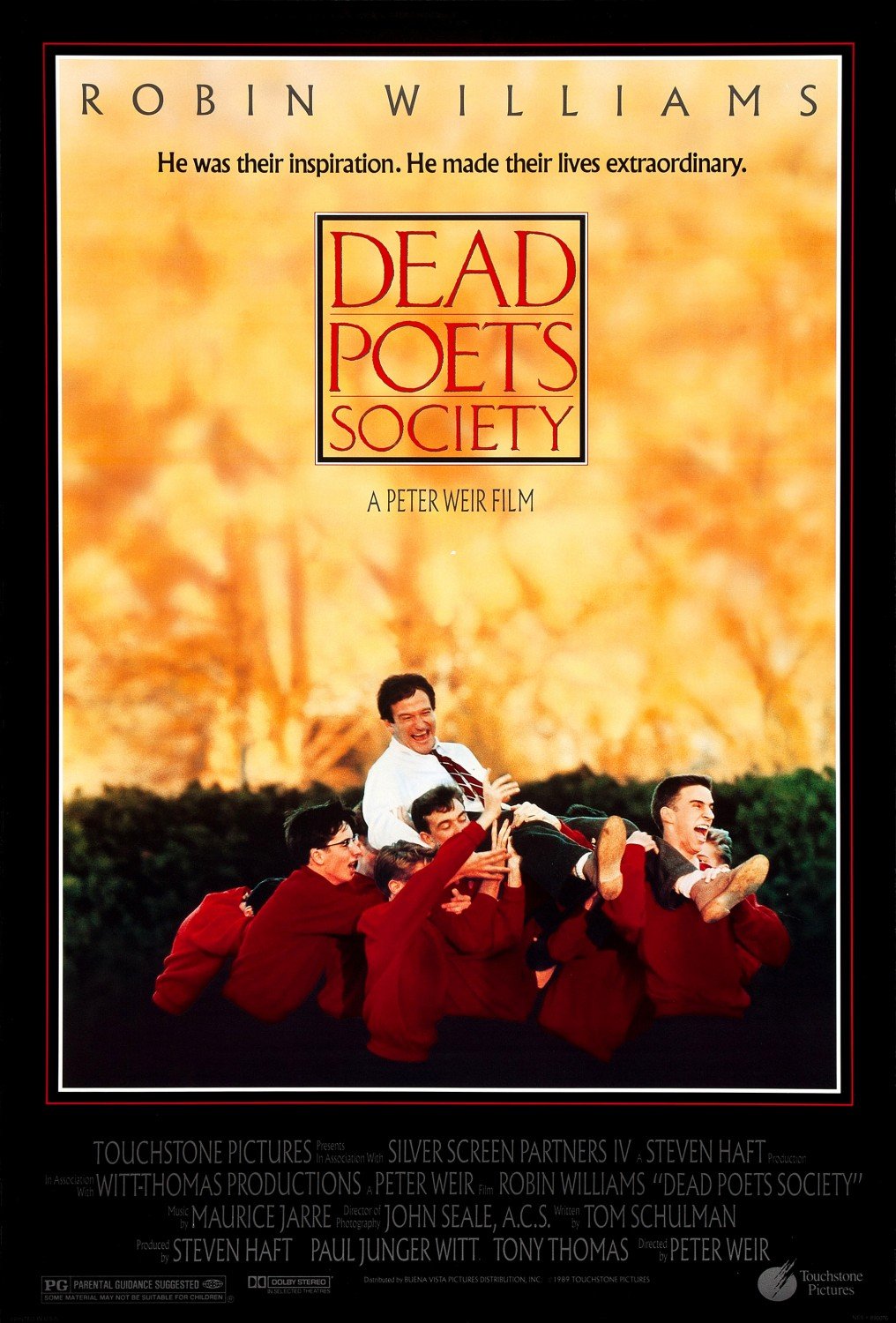
Information
tl;dr
Quick verdict on whether to watch
“Dead Poets Society” deserves a place in your watchlist, especially if you appreciate films that grapple with the complexities of individuality and societal expectations. Its poignant messages about the importance of seizing the day resonate as powerfully today as they did upon release. Yet, be prepared for emotional intensity that can linger long after the credits roll.
Who will most enjoy this film
Students and educators will find much to reflect on within its layers. Those who’ve felt the tension between personal ambition and institutional pressure may connect deeply with its themes. Additionally, fans of Robin Williams will revel in his unique delivery and the profound literary connections that permeate the narrative. However, those who prefer straightforward storytelling may find its path meandering.
Does the story actually work and is the pacing a problem?
What the film focuses on and how the plot moves
At its core, “Dead Poets Society” examines the conflict between tradition and personal expression. The story unfolds primarily through the lens of a group of students grappling with the suffocating expectations of their elite prep school. The pacing ebbs and flows, mirroring the students’ emotional journeys—moments of rapid inspiration punctuated by weighted contemplation. This interplay captures the youth’s desire for freedom while remaining tethered to rigorous academic pressures.
Any scenes that drag or feel rushed
Though the film generally maintains a compelling rhythm, some moments, particularly during scenes that deal with the bureaucratic response to the teachers’ unconventional methods, feel overcrowded and constrained. These instances risk dampening the emotional impact rather than enhancing it. Conversely, the resolution can feel rushed—a narrative leap that, while emotionally charged, may lack the careful build-up you’d expect after investing in the characters’ struggles.
Are the performances convincing?
Robin Williams and the lead performances
Robin Williams delivers a captivating performance that balances charisma with depth. He avoids caricature, embodying John Keating as a mentor whose eccentricities serve to awaken dormant passions within his students. His infamous “Carpe Diem” mantra doesn’t just serve as a catchphrase; it morphs into a call to action that Williams communicates with earnest optimism. The lead group of students, including Ethan Hawke and Robert Sean Leonard, effectively channel their respective characters’ struggles, alternating between youthful exuberance and poignant despair in a way that feels genuine.
Supporting cast and character development
The supporting cast enriches the narrative landscape, though some characters can feel underdeveloped amidst the film’s broader themes. While players like Josh Charles and Gale Hansen provide solid performances, their arcs sometimes lack the depth of their central counterparts. The contrast is stark with characters like Neil, whose evolution is heartbreaking and serves as a catalyst for the film’s ultimate tragedy. This uneven character focus can leave viewers yearning for more nuanced explorations of the rest of the boys, diluting the robust themes of rebellion and individuality that anchor the narrative.
How well is the film directed and executed?
Director’s tone, staging, and visual choices
Peter Weir’s direction in “Dead Poets Society” deftly balances the weight of the film’s themes with moments of intimate beauty. He establishes a tone that oscillates between reverent and rebellious, crafting a world that feels both restrictive and full of yearning. The contrast between the austere environment of Welton Academy and the vibrant bursts of creativity encouraged by John Keating is palpable. Weir stages pivotal moments with an acute awareness of space; the classroom scenes are often tightly framed, suggesting confinement, while outdoor sequences burst with openness, visually representing freedom.
His use of mise-en-scène reinforces the narrative—candid shots of the students in natural settings highlight their internal conflicts, while the strict geometries of the school amplify their emotional entrapment. This deliberate orchestration of visuals shapes the viewer’s experience, inviting them deeper into the emotional landscapes of the characters. Moments like the students gathering under the iconic oak tree or reciting poetry in secret chambers carry an authenticity that resonates.
Music, cinematography, and editing contributions
The film’s score, composed by Maurice Jarre, skillfully underscores the emotional highs and lows while remaining unobtrusive. The melodies evoke nostalgia and reflection, effectively enhancing the film’s thematic core without overshadowing the dialogue. The soundtrack’s subtle shifts accompany the characters’ arcs—transformative scenes pulse with vitality, contrasting the somber backdrop of their ultimate struggles.
Cinematographer John Seale’s work is striking; he captures the dichotomy of the lush, natural world against the starkness of the academic institution. His choice of warm tones and soft light during tender moments adds to the richness of the narrative’s emotional landscape. Editing, too, plays a crucial role—transitions between scenes are fluid, allowing for a reflection on actions and reactions that feel interconnected. The pacing of edits reflects the emotional weight of moments; slower cuts invite contemplation, while quicker transitions heighten the urgency and passion prevalent in the students’ journey.
What are the biggest strengths and weaknesses?
Key strengths that make it memorable
“Dead Poets Society” is indelibly marked by its profound exploration of themes such as individuality, the struggle against societal expectations, and the transformative power of art. Williams’ performance as Keating stands as a beacon of inspiration with his ability to ignite a fervor for life and the arts among his students. His character serves as a foil to the institution’s rigidity, compelling viewers to reflect on the potential of self-expression against a backdrop of conformity.
The film’s writing resonates with authenticity, weaving poetry throughout dialogue and imbuing mundane moments with a lingering sense of purpose. Several scenes—such as the students reading poems or engaging in spirited discussions—become not just plot devices but thematic explorations of empowerment and freedom. This layered approach transforms simple interactions into profound revelations, leaving an emotional imprint long after viewing.
Main flaws that may bother some viewers
While the film excels in many areas, it occasionally stumbles with pacing and clarity. Certain secondary characters, while played with earnestness, remain underdeveloped, diluting the overall impact of the central themes. The swift transitions between pivotal moments can leave some viewers feeling bereft of the depth this narrative craves. The climactic resolutions, particularly concerning Neil’s arc, can feel abrupt or even implausible, potentially alienating viewers who seek a more cohesive narrative payoff.
Additionally, the film’s romanticized portrayal of rebellion might come across as overly idealistic to some audience members, prompting critiques about the film’s handling of real-life consequences. This tendency toward idealism, while compelling, may ring hollow for those attuned to the complexities of such struggles. The balance between authenticity and dramatization can sometimes tip toward the latter, leaving an impression that could frustrate viewers looking for a more grounded take.
Who is this film really for?
Types of viewers who will connect most with it
“Dead Poets Society” will resonate particularly with those who have grappled with the pressures of academic and societal expectations, especially students and educators. Its nuanced portrayal of the struggle for self-expression and the importance of pursuing one’s passions will strike a chord with anyone who’s felt stifled by convention. Literature enthusiasts will also appreciate the film’s rich engagement with poetry, offering an exploration of its relevance in understanding life’s complexities.
Fans of character-driven dramas will find much to appreciate in the emotional depth of the students’ journeys, which depict the universal quest for identity and belonging. The stirring performances, especially from Williams, will captivate those who appreciate actors who delve into their roles with passion and authenticity.
Who might not enjoy it and why
Viewers seeking straightforward narratives or clear-cut resolution may find frustration within “Dead Poets Society’s” more abstract explorations. The film’s pacing can be uneven, with certain stretches feeling drawn out or disjointed, which may dissuade audiences looking for a tighter narrative arc. Additionally, the emotional weight carried by the film can be overwhelming, particularly for those who prefer lighter fare or less intense subject matter.
Those less inclined toward character studies may view the film’s leisurely approach as meandering, as it often prioritizes emotional resonance over plot progression. Consequently, critics of the film’s romanticized viewpoint on rebellion might take issue with its presentation of life-altering decisions made in the heat of youthful passion, leaving them feeling detached from the film’s core messages.
Is Dead Poets Society worth watching or rewatching?
When a rewatch makes sense
Rewatching “Dead Poets Society” offers a rich opportunity to glean deeper insights into its intricate layers. Each viewing allows audiences to catch nuances in Williams’ performance, suggesting a duality in Keating’s character—both inspiring and profoundly flawed within the constraints of his environment. Those familiar with the film might find new resonances in the dialogues or visual motifs that initially passed unnoticed, illuminating how the characters’ struggles reflect our own experiences with societal pressures. It’s particularly rewarding for educators and students who can revisit the film as they navigate their own paths, potentially viewing it through a more mature lens.
How well it holds up over time
“Dead Poets Society” remains relevant to contemporary viewers, with its themes of individuality versus conformity and the transformative power of inspiration echoing in today’s educational landscape. While some cultural references may feel dated, the core messages resonate with modern audiences who grapple with similar tensions. The film’s emotional weight remains compelling, showcasing universal feelings of longing and rebellion that continue to evoke empathy. Despite the advancements in cinematic storytelling techniques since its release, the raw authenticity embedded in its performances and cinematography holds steadfast, ensuring that it’s not just a product of its time but rather a timeless reflection on human experience.
What should you expect emotionally and thematically?
The emotional highs and lows to prepare for
Expect an emotional rollercoaster as “Dead Poets Society” takes you from moments of joyous liberation to profound heartbreak. Viewers are invited to share in the euphoric highs of artistic expression, highlighted by scenes of passionate poetry recitation and the exhilaration of newfound self-identity. Yet, this film isn’t shy about showcasing emotional lows, rooted in the harsh realities of parental pressure and tragic outcomes that unveil the cost of unpursued dreams. Its capacity to oscillate between hope and despair means it’s a film that challenges viewers to confront the sincerity of their own lives and aspirations, making moments of emotional impact feel both earned and deeply relatable.
Major themes and takeaways without spoilers
At the forefront of “Dead Poets Society” are themes of self-identity, the friction between tradition and personal passion, and the often painful pursuit of authenticity. The narrative leads viewers to contemplate the weight of societal expectations, as it explores how creativity can flourish in opposition to oppressive structures. The film encourages introspection about the choices made in adolescence and their enduring consequences, pushing the idea that the pursuit of passion can be both liberating and perilous. You’ll find that teetering between rebellion and responsibility echoes poignant questions about the paths we choose or leave untraveled, enriching the viewing experience with reflections that linger long after the credits roll.
Any content warnings or things to be aware of?
Sensitive topics and triggering moments
Viewers should be prepared for scenes that delve into sensitive territory, including mental health struggles, the pressure of academic expectations, and familial conflict. The film addresses the impact of these themes with a raw honesty that can resonate deeply, especially for those who’ve experienced similar pressures or have wrestled with ideas of suicide and self-worth. Certain emotional arcs are intense, resonating with real-life consequences that may be triggering for some viewers. Understanding this context can help audiences approach the film with the awareness it demands, preparing for the emotional weight it carries.
Scenes that might be intense for younger viewers
Younger viewers, while potentially captivated by the film’s inspirational message, might struggle with its heavier themes. Key scenes involving mental distress and the film’s climactic tragic events can be particularly difficult for a younger audience to digest. The film doesn’t shy away from portraying the dire consequences that can stem from a repression of individuality, which can prompt distressing reflections on failure and loss. Careful consideration and guidance may be beneficial for young audiences, ensuring that the film’s powerful themes are conveyed in a way that acknowledges both its artistic intentions and its emotional realities.
FAQs
Is Dead Poets Society appropriate for teens or families?
“Dead Poets Society” walks a fine line in terms of its appropriateness for younger audiences. While the film carries an enriching message about personal expression and the importance of seizing opportunities, its portrayal of intense academic pressure and its ultimately tragic narrative presents themes that may resonate differently across generations. The film does delve into topics such as mental health and societal expectations, which can evoke strong emotional reactions. Families considering this film should be prepared to discuss its heavier themes with younger viewers, as the portrayal of existential struggles might be difficult for them to grasp fully. Nevertheless, the film’s philosophical elements can spark meaningful conversations, creating an opportunity for shared reflection.
Do you need to like poetry to appreciate the film?
Understanding and appreciating poetry enhances the viewing experience, but it’s not a prerequisite for engaging with “Dead Poets Society.” The film effectively conveys the essence and emotional power of poetry through its narrative without requiring viewers to have a deep prior knowledge or affection for the subject matter. The characters’ exploration of poetry acts as a vehicle for larger themes of emotion and freedom, and even those who might not usually engage with literary art can find elements to resonate with. Essentially, the film succeeds in portraying poetry as a means of self-discovery and rebellion, allowing it to stand on its own for viewers less inclined toward the art form.
Is the story based on a true story?
While “Dead Poets Society” is not a direct retelling of real events, it is steeped in the authentic ambiance of an elite academic environment. The fictional setting of Welton Academy draws on the broader realities of educational institutions that prioritize conformity over creativity. Many elements within the film, such as the immense pressure students face to excel and the conflicts between educators and administration, reflect real experiences faced by many young people. Ultimately, the story speaks to universal themes and struggles that echo throughout the lives of students navigating their aspirations against the backdrop of societal expectations, even if the characters themselves are products of fiction.
How long is the movie and is it good for a first-time viewer?
Clocking in at approximately 128 minutes, “Dead Poets Society” allows enough time to develop its characters and themes without feeling bloated, though first-time viewers should be prepared for emotional intensity that might linger beyond the viewing. The film rewards patience, unfolding at a deliberate pace that offers ample opportunity for character development amidst emotional crescendos. While some viewers might initially feel the length during slower segments, the payoff in emotional resonance is significant. For those who appreciate character-driven dramas that explore deeper philosophical questions, this film is a rewarding experience, making it worthwhile for first-time watchers eager to delve into a narrative rich with meaning.