
Why the Oscar nod feels historic
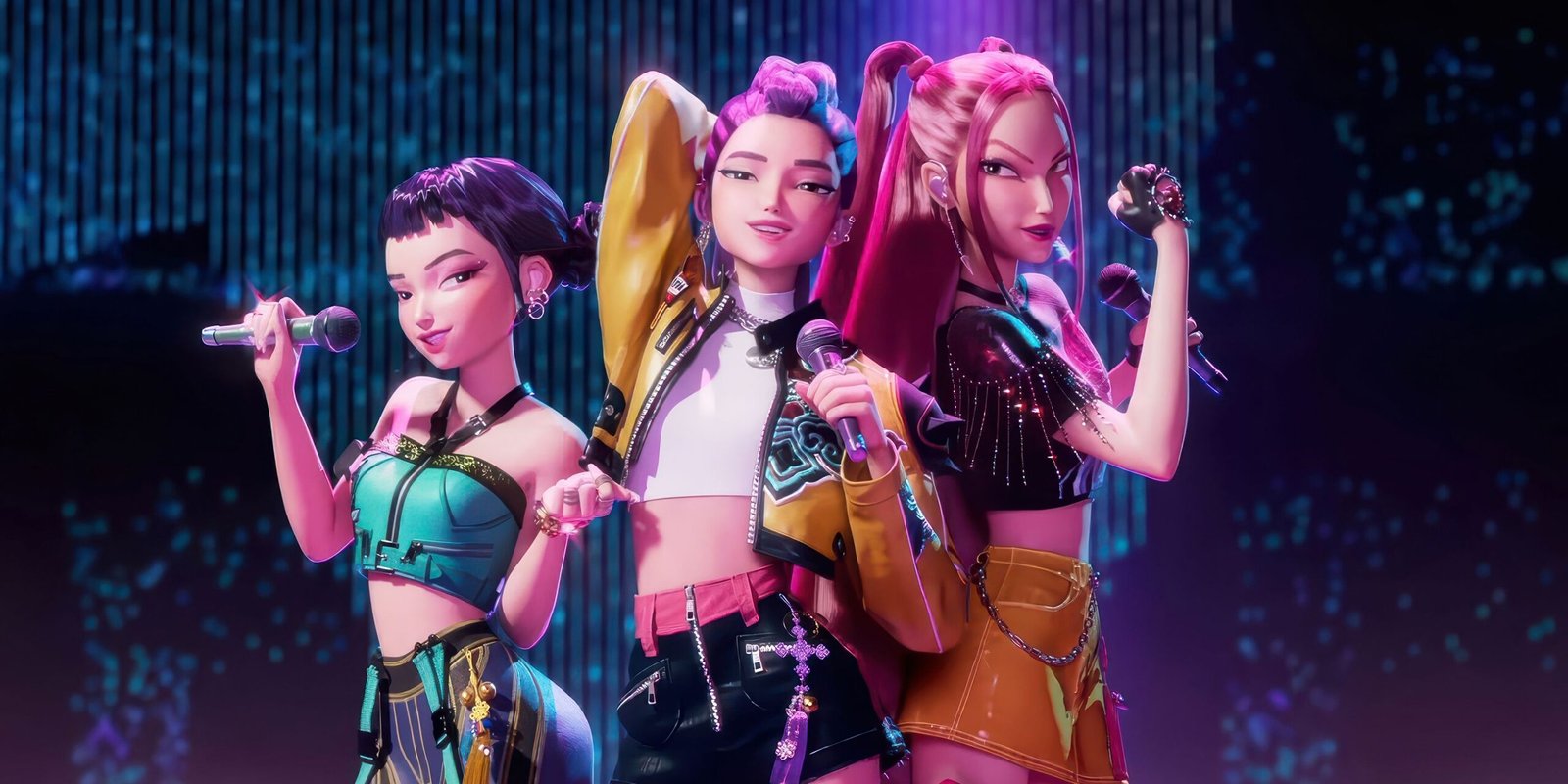
KPop Demon Hunters arrived on Netflix in the summer of 2025 and quickly became a cultural phenomenon — topping Netflix’s global charts, breaking viewing records, and sparking a fan movement that turned an animated concept into a real-world pop phenomenon. The film’s momentum translated to awards recognition: its soundtrack went platinum, it earned a Grammy, drew Golden Globe and Critics’ Choice attention, and secured Academy Award nominations for Best Animated Feature and Best Original Song for “Golden.”
For co-writer-director Maggie Kang, that kind of industry recognition carries a personal resonance. Raised on cinema by a cinephile father, Kang points to moments like Parasite’s Best Picture win as cultural milestones; seeing a film rooted in Korean identity reach the Oscars is, she says, an “epic” moment for Korean filmmaking. Her co-director Chris Appelhans echoes the pride — noting that animation is an enormous collaborative feat and that it’s gratifying to see a risky, unconventional film land among awards contenders.
From a private idea to a global pop brand
Kang conceived the story as an ode to her younger self — a tale about three K‑pop idols who secretly hunt demons. Early development conversations with key music and animation executives (including Sony Animation and Sony Music leadership) explored many routes: a fully fictional supergroup, a Gorillaz-style virtual band, and a range of casting strategies. The finished film landed as an original property that combined bold animation, K‑pop aesthetics and an emotional core built around found family.
Releasing on a global streaming platform helped the movie reach audiences simultaneously around the world. The directors point out that the film’s instant international availability — via dubbed and localized versions — allowed fans everywhere to discover and amplify it. That grassroots enthusiasm spread across social platforms, fueling everything from handmade fan art to viral edits and sing‑along screenings.
Bringing HUNTR/X off the screen and onto the stage
One of the movie’s most unusual successes was turning its fictional K‑pop act, HUNTR/X, into a live‑performing entity. Vocalists who recorded separately eventually met and embodied the characters in concert‑style performances, creating the rare loop from animation to real-world idol group.
Kang remembers the early conversations about whether to cast established K‑pop stars or build something new. In the end, the music transcended the film — fans immediately picked favorites and identified with specific members (Rumi, Mira, Zoey). Appelhans stresses how meaningful it was seeing performers recognize themselves in the characters and telling stories about representation for younger audiences who might find role models in these “weird, goofy, glamorous” heroines.
A partnership forged in creative risk
Kang and Appelhans co-directed a project that required a high tolerance for uncertainty. They worked closely for years, iterating scripts, storyboards and musical sequences. Both describe a relationship built on mutual trust: Kang defended cultural specifics and particular visual choices; Appelhans brought musical structure and staging expertise that elevated the film’s set pieces.
That collaboration also involved continual self-scrutiny. The team revisited early scenes dozens of times — reportedly running many versions of the opening and the film’s first five minutes — trying to strike a balance between necessary exposition and the film’s kinetic momentum. The lesson they landed on: allow the film’s world to reveal itself through character and tone rather than heavy-handed backstory.
Designing Gwi‑ma and the demon world
One of the film’s strongest elements is its imaginative approach to villainy. Gwi‑ma, the film’s main supernatural antagonist, evolved dramatically during development. Early design experiments tried human, monstrous and hybrid forms, but the creative team ultimately distilled Gwi‑ma into something more psychological — a flaming, mouth‑like manifestation of the toxic inner voice. That choice made the character both eerie and symbolic, and Lee Byung‑hun’s voice casting reinforced the figure’s charisma and menace.
The demon ensemble reflects a deep engagement with Korean folkloric motifs and a stylized theatricality. From the Saja Boys — demon idol figures inspired by Korean grief and reaper imagery — to water demons and goblin‑like creatures, character designers drew on traditional masks, temple color palettes and cinematic archetypes. The brief was specific: demons had to be threatening without becoming relentlessly grotesque, and movement design played as much a role as silhouette in making each creature distinct.
Crafting the musical climax: the challenge of “Golden”
The film’s finale, anchored by the song “Golden,” was a particularly thorny problem. Appelhans describes the sequence as a multilayered challenge: it had to function as a musical anthem, provide emotional closure for the characters, contain plot beats (sacrifice, reconciliation, and a final showdown), and still feel vivid and surprising. The team likened the task to staging a condensed Super Bowl halftime show — choreography, lighting, song structure and cinematic pacing all needed to align. Ultimately, the sequence’s success helped make the film’s emotional beats land and contributed to the song’s awards traction.
A fandom that co‑authored the film’s meaning
One of the most rewarding creative surprises for the directors was how fans actively interpreted and expanded the film. Appelhans describes encountering social clips that distilled key emotional moments into poignant montages — sometimes capturing the team’s original intentions with uncanny clarity. Kang and Appelhans both speak affectionately about fan edits, supercuts and social discourse, noting that audiences often picked up on subtle cues the filmmakers worried might be too quiet. That shared reading, they say, is a testament to the film’s resonant themes.
The sequel: bigger risks, bolder visuals, and yes, more clavicles
A sequel is officially in the works, and Kang and Appelhans promise it will push their creative boundaries further. Both directors stress they’ll approach the follow‑up with the same ethos: be true to what they want to see, challenge themselves technically and thematically, and not shy away from the elements that made the first film unique. Appelhans lightened the room with a joking tease about emphasizing “sexy clavicles” — a playful nod to the team’s appetite for finding new visual flourishes — while Kang emphasized that the next film will be harder, edgier and “up for the challenge.”
What this means for animation and cultural representation
KPop Demon Hunters’ trajectory — from a risky original IP to a record‑breaking, award‑nominated global hit — illustrates a few broader trends. Streaming can deliver immediate, worldwide exposure for culturally specific stories; fans can become active collaborators in meaning‑making; and animation continues to be a space where creators can blend genre, music and cultural specificity to reach broad audiences. For Kang and Appelhans, the film’s success is confirmation that taking creative risks and centering distinct voices can pay off both artistically and commercially.
KPop Demon Hunters is available to stream on Netflix. The film’s original soundtrack, the live performances by the vocalists, and its announced sequel are fueling continued conversation and anticipation among fans worldwide.