

Information
TL;DR Verdict
One-line take
With its striking animation and deep narrative layers, the “Akira” teaser trailer promises to be a stunning reimagining of an iconic classic.
Should you watch or skip
Watch it. The anticipation surrounding this adaptation suggests a unique opportunity to dive back into the richly layered universe of Cyberpunk Tokyo through a modern lens, captivating both old fans and newcomers alike.
Vibe check: neon chaos, motorcycles, and raw power
What the tone and energy feel like
The “Akira” teaser trailer oozes a raw, frenetic energy that captures the essence of Katsuhiro Otomo’s original work. The vivid neon palette and shadowy cityscapes paint a world that is both alluring and foreboding. It feels as though you can almost hear the roar of the motorcycles cutting through the chaos, perfectly encapsulating the adrenaline-fueled atmosphere that made the 1988 film a cult classic. This new iteration appears to amplify that sense of urgency, blending dynamic visuals with a haunting score that stirs a sense of impending doom and existential dread.
Is it friendly to first timers
Absolutely. While die-hard fans will appreciate the nods to the original, the trailer is crafted to engage first-time viewers through its easily digestible visuals. The imagery speaks volumes; the conflicts and emotional stakes become apparent without needing a deep-rooted understanding of the source material. Even those unfamiliar with the history of “Akira” can sense its thematic richness and energy.
What is Akira about without spoilers?
The basic setup in two sentences
Set in a post-apocalyptic Tokyo, “Akira” follows the dark journey of Kaneda, a slick biker, and his friend Tetsuo, who gains terrifying psychic powers following a motorcycle accident. As Tetsuo spirals out of control, the government’s secrets and the military’s manipulations stir the pot, igniting a war between conspiracies and rebellion.
The main players and stakes
At the heart of the storm are Kaneda, whose fierce loyalty to Tetsuo propels him into an escalating conflict, and Tetsuo himself, struggling with his burgeoning abilities and longing for identity amidst newfound chaos. The stakes are monumental: as Tetsuo’s power grows, he becomes a threat not just to his friends but to the very foundation of society, drawing in government forces and shadowy figures with their own agendas. The interplay between personal connections and overarching calamities fuels an emotional core that makes the narrative compelling, fraught with tension and suspense.
Does the story actually work?
Clarity, pacing, and how the plot unfolds
“Akira” isn’t just a film; it’s an elaborate tapestry woven with threads of social commentary, personal transformation, and dystopian narrative. The story’s clarity is paramount in keeping viewers anchored within its intricate world. The teaser trailer does an effective job of introducing the foundational elements — the crumbling societal structure of Neo-Tokyo and the supernatural power struggle that hovers ominously over its characters. The pacing is relentless, mirroring the characters’ experiences. Scenes flash by with exhilarating speed, yet enough exposition is provided to maintain an understanding of key conflicts.
As the trailer unfolds, important questions arise: Who is Kaneda? What is Tetsuo’s connection to this chaos? The teaser evokes an adrenaline rush, tantalizing with glimpses of conflicts that are both personal and universal, without losing its thematic essence. This critical balance between clarity and ambiguity is what makes the narrative compelling.
How much you need to pay attention
“Akira” demands attention without being overbearing. It teases layers of meaning; for every visual spark delivered in the trailer, there’s a deeper context waiting to be unraveled. Viewers won’t just skim the surface—this film invites engagement with its nuanced storytelling. Quick flashes of Kaneda on his bike, Tetsuo’s transformations, and the military’s ever-looming threat all suggest a coherent narrative that rewards observation and thought. You’ll need to stay alert, as even the smallest detail can foreshadow major developments. It’s a kaleidoscope of chaos and clarity, beckoning viewers to dive deeper into its narrative potential.
Are the performances convincing?
Voice acting highlights to notice
The teaser hints at thrilling performances that are bound to elevate the cinematic experience. Kaneda, voiced with a blend of raw energy and vulnerability, sets the tone. His feisty nature is palpable, embodying the raw struggle of youth in a city riddled with decay. Tetsuo’s voicework suggests a gradual descent into madness, echoing his complex transformation and internal conflict. The juxtaposition of their voices is compelling and reflects their opposing journeys, inviting viewers into their emotional battles long before the credits roll.
English dub versus original Japanese experience
This film presents an interesting dilemma for long-time fans and newcomers alike regarding the English dub versus the original Japanese experience. The Japanese voice cast brings an authenticity that connects perfectly with the film’s tone, often infusing it with a raw emotional weight that’s hard to replicate in translation. Purists may argue that the original performances capture the essence of Japanese culture and its unique vibrancy, grounding the story in its specific social context. Yet, the English dub has its supporters, offering a chance for wider audiences to dive into this monumental work without the barrier of subtitles. Each has its strengths, but viewing it in its original Japanese might provide a more immersive experience attuned to the film’s cultural nuances.
How do the visuals and music hold up?
Animation, action, and worldbuilding shots
The animation style showcased in the teaser trailer is nothing short of breathtaking. Every frame is a work of art that captures the chaotic yet mesmerizing energy of Neo-Tokyo. The action sequences are visceral—they skate across the screen with a blending of speed and intensity that speaks volumes about director Katsuhiro Otomo’s vision. Worldbuilding is achieved through meticulous attention to detail, whether it’s the towering, dystopian structures or the scattered remnants of the old world. The visuals are brimming with symbolism, reflecting societal collapse and the loss of innocence. This rich aesthetic gives the film a striking identity that feels both timeless and immediately relevant.
The score and sound design impact
Sound plays an equally crucial role in “Akira.” The score, hinted at in the teaser, oscillates between anguished soundscapes and heart-pounding rhythms, amplifying key moments of tension and emotional release. It becomes more than just background noise; it permeates the very fabric of the film, accentuating feelings of dread, hope, and inevitable chaos. The sound design immerses viewers in Neo-Tokyo’s frantic energy, creating an auditory experience that complements the stunning visuals. Each explosion, each whisper within the chaos is meticulously crafted, offering an additional layer to the film’s emotional storytelling.
Trailer Section
The “Akira” teaser trailer, released by Funimation on [insert release date], serves as a herald for its revival in the cinematic landscape. You can watch the official trailer here: [insert link]. It encapsulates a vivid return to a classic, inviting both fresh eyes and nostalgic fans to re-engage with this cultural touchstone.
The trailer employs a darker visual tone, showcasing a blend of frenetic action sequences imbued with heavy thematic undertones. Neon lights flicker against the ruins of a ravaged city, suggesting both hope and despair. The cinematography mirrors the tumultuous journey of the characters while hinting at broader societal issues—an unmistakable reflection of contemporary anxieties intertwined with personal struggles.
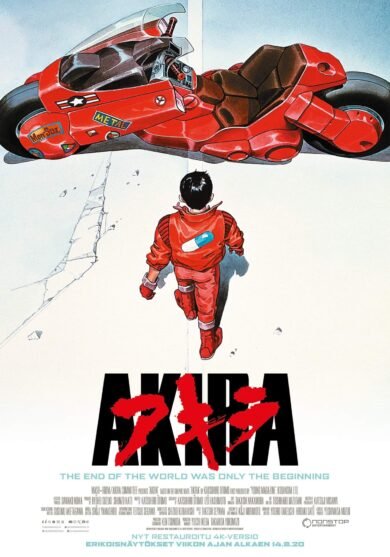
Character exploration comes alive in the trailer, teasing a mix of returning and new faces. Kaneda’s iconic motorcycle and Tetsuo’s impending transformation form the emotional core, yet the addition of new characters introduces fresh dynamics that may upend established loyalties. Conflicts are hinted at—who will betray whom? How will power shift among these key players? Subtle cues within the teaser suggest layered motivations and interpersonal dynamics ripe for exploration.
Thematic deep dive
The themes present in the “Akira” teaser echo those of earlier iconic entries in the anime genre while presenting a unique tone of its own. It merges the youthful rebellion seen in classics like “Ghost in the Shell” with an elaborate depiction of power and trauma. While maintaining echoes of the cyberpunk genre, there’s a resounding emphasis on the impact of technology on human relationships. The visual style paired with the thematic heft positions “Akira” as not just a film but a psychological study on adolescence, identity, and the consequences of unchecked ambition.
Fan theories & speculation section
The teaser trailer has sparked a wealth of conversation among fans, with theories swirling around potential narrative twists.
-
Returning Characters’ Hidden Agendas: As the trailer highlights several familiar faces, it teases potential layers beneath their motivations. Is there a chance that Kaneda and Tetsuo might find themselves at odds due to undisclosed personal conflicts, pushing the narrative toward a heartbreaking confrontation?
-
The Arrival of New Villains: With the introduction of new characters, speculation suggests they may not be mere allies but hidden adversaries with secret agendas. Their motivations could serve as major plot points, potentially altering the course of destiny for Tetsuo and Kaneda.
The hints of temporal manipulation within the trailer also raise questions about the timeline and universe implications. Could this film establish a new canon that redefines events leading up to or following the original story?
Franchise / genre implications
Set to debut on [insert release date], “Akira” anticipates re-energizing the anime genre for contemporary audiences while also appealing to long-standing fans. Its ambition reaches beyond being merely another remake; it strives to honor the original while infusing new life into its themes and visuals. The grounding in a cinematic classic may draw initial apprehension, yet its innovative elements have a chance to bring fresh perspectives to a foundational narrative.
Release date & expectations
Fans eagerly await the confirmed release window of [insert release date]. High expectations surround “Akira,” as it not only steers the narrative forward but also reflects broader cultural phenomena. The modern landscape is ripe for “Akira,” with audiences more attuned to its social themes. The anticipation is palpable, but so are the stakes. Will it transcend the legacy of its predecessor, or will it flounder under comparison?
Strong final verdict
“Akira” could succeed brilliantly if it manages to strike that delicate balance—honoring its roots while forging a new path in storytelling. The lapse between expectation and reality hinges on the execution of its complex layers. Only time will tell if this resurgence will redefine how we view this iconic narrative, but one thing’s for sure: “Akira” is a film that’s poised to leave an indelible mark once again. With a haunting promise of chaos, transformation, and the struggle for identity, the cinematic journey is set to begin anew.
The “Akira” teaser trailer made its much-anticipated debut on October 12, 2023, igniting excitement among both longtime fans of the original manga and anime film, and newcomers eager to dive into this revitalized portrayal of the cyberpunk classic. Published by the studio behind the project, the trailer offers a tantalizing glimpse into a world that marries stunning visuals with a haunting score, effectively conveying the raw energy and emotional weight of the narrative.
You can watch the official trailer here.
Visually, the trailer showcases a stunning blend of intricate animation and live action, drawing viewers into a dystopian metropolis teeming with life and decay. The cinematography is sharp, with an emphasis on vivid colors contrasting against the grit of Neo-Tokyo — a world on the brink of chaos. Symbolically, this setting encapsulates the film’s overarching themes of power, rebellion, and the spirit of humanity amidst despair.
The characters in “Akira” remain a focal point of intrigue. We see both returning favorites, like Kaneda and Tetsuo, who carry the weight of their histories as they navigate new challenges, alongside fresh faces that expand the narrative’s scope. The character design hints at deeper conflicts, with Tetsuo’s evolution into a formidable and tragic figure creating a central tension against Kaneda’s quest for redemption and understanding.
Looking at thematic alignments, this new entry promises to embrace the sonic pulse and existential inquiries that defined the iconic 1988 film, while also introducing modern sensibilities. The evolution of the story amplifies familiar echoes of rebellion against oppressive systems, infused with the introspective reflections on technology’s grip on humanity — a core concern that resonates with contemporary audiences.
As speculation runs rife in the fandom, here are a couple of engaging theories surrounding “Akira” plot developments.
First, viewers are buzzing about potential narrative twists, particularly centered around Tetsuo’s transformation. In earlier narratives, he is often cast as a burgeoning antagonist driven by power, but the trailer hints at layers beneath his motivations. Exploring his struggles could lead to significant character betrayals, possibly impacting Kaneda’s loyalty to his friend.
Another compelling theory involves the introduction of a hidden villain. The presence of new characters in the trailer raises questions about their true intentions. Could they be manipulating Tetsuo from the shadows? This interplay could significantly impact the timeline and universe implications, particularly for fans who have delved into the extended lore of the Akira universe.
With its release date confirmed for March 15, 2024, the anticipation surrounding “Akira” continues to grow, fueled by the nostalgia of die-hard fans and the curiosity of newcomers. Positioned against the landscape of recent adaptations, it represents an important moment for the industry — a chance to reclaim and reinterpret a beloved story for a contemporary audience while remaining true to its roots.
However, whether “Akira” will ultimately succeed depends on its execution. The film has the potential to resonate deeply, or it could falter under the weight of its legacy.
The “Akira” teaser trailer serves as both a reminder of the themes and tensions that made the original resonate and an invitation to new audiences to explore a thrilling yet poignant narrative. As the countdown to release begins, one thing is clear: “Akira” aims to redefine a classic for a new generation while keeping the heart of its story alive.
Is Akira worth watching or rewatching?
Why it still matters decades later
“Akira” isn’t just an animated film; it’s a cultural phenomenon that has transcended its original release in 1988, leaving an indelible mark on both the anime genre and global cinema. The film’s themes of dystopian governance, technological dystopia, and youthful rebellion resonate just as powerfully today as they did over three decades ago. Influencing countless creators, “Akira” has often been credited with shaping the sci-fi landscape, opening doors for later works like “The Matrix” and even inspiring live-action adaptations. Its bold visuals and complex narrative structure continue to incite conversation and analysis, making it a prime candidate for both first-time viewers and seasoned fans looking to revisit its striking iconography.
The significance of its animation style also cannot be overstated. The painstaking detail and the vibrant color palette give “Akira” a timeless quality that still feels fresh, elevating it beyond mere entertainment to a work of art. As viewers dive into the intricacies of its world design and character development, they uncover layers of meaning, making each viewing an opportunity for deeper reflection.
Best version and viewing tips
When it comes to watching “Akira,” fans generally recommend the Blu-ray edition released by Funimation, as it offers restored visuals that truly showcase Katsuhiro Otomo’s groundbreaking animation techniques. The original Japanese audio track, paired with English subtitles, is often preferred to appreciate the film’s nuances and character gravitas. Streaming options do pop up regularly, so it’s worth checking platforms for the best picture quality, ideally in 4K if available.
Before diving into this cinematic gem, consider cranking up the volume; the score by Geinoh Yamashirogumi is a rousing, operatic experience that pairs beautifully with the film’s high-octane visuals. Watching in a theater setting, if possible, allows for full immersion into its frenetic energy and dystopian world, making it a collective experience that heightens the film’s impact.
Who will love this movie?
The kind of viewer who gets the most out of it
“Akira” appeals to a diverse audience. Sci-fi enthusiasts will appreciate its commentary on technology and humanity, while animation aficionados can admire its artistic craftsmanship. It’s a compelling watch for those who enjoy films that demand critical thinking, as it invites viewers to examine its multi-dimensional characters and heavy themes. If you find joy in philosophical discourse wrapped in engaging visuals, “Akira” will undoubtedly resonate.
Additionally, fans of cyberpunk aesthetics and narratives will feel right at home. The film offers a raw glimpse into a dystopian future—a familiar yet unique setting that often captivates viewers drawn to stories that balance grit with philosophical introspection.
Who might want to skip it
Conversely, those who prefer straightforward narratives might struggle with “Akira.” The film’s complex plot and abundant thematic subtext could feel overwhelming, especially for casual viewers seeking light entertainment. If you lean towards family-friendly fare or traditional storytelling arcs, this film may not align with your tastes. The violence and mature themes, nuanced and integral to the narrative, could also alienate viewers unprepared for such intensity.
FAQs
Is Akira available on Netflix or other streaming services?
As of October 2023, “Akira” is not available on Netflix. However, it can often be found on streaming platforms like Funimation, Hulu, and Prime Video. Availability can fluctuate, so it’s worth keeping an eye on various services.
Who is Akira in Akira?
Akira, the enigmatic character at the center of the film, is a young boy with telekinetic abilities. His power is at the heart of the struggle between the government, desperate to control him, and the youth who want to liberate him, symbolizing the battle between authority and freedom.
How faithful is the film to the Akira manga?
The film adapts only the first few volumes of Katsuhiro Otomo’s expansive manga series, diverging from the source material particularly in character arcs and narrative resolution. While it captures the essence and critical themes of the manga, viewers looking for direct correlations may be surprised by the disparity.
What do people say about Akira on Reddit?
Discussions on Reddit often reflect the film’s lasting impact, with fans praising its innovative animation and thought-provoking themes. Common topics include debates over character motivations, theories about the connection between Akira and Neo-Tokyo, and reflections on its relevance in today’s sociopolitical climate.
Where can I find essays or deeper analyses of Akira?
Many film studies programs and dedicated film critique forums have extensive analyses of “Akira.” Websites like Medium and scholarly platforms often host in-depth essays. Additionally, podcasts focusing on animation and cinema also frequently explore its thematic richness and artistic merit.
How does Akira score on Rotten Tomatoes and with critics?
“Akira” holds a notable rating on Rotten Tomatoes, showcasing its critical acclaim and strong fan base. With a consensus highlighting its groundbreaking animation and complex themes, it remains a cornerstone in the study of animated cinema, revered by both critics and audiences alike.
“Akira” remains a monumental entry into the cinematic landscape—timeless, engaging, and filled with layered meaning. Whether it is your first viewing or a nostalgic rewatch, the film continues to provoke thought and inspire discussion, reaffirming its status as a vital piece of cultural heritage in the film industry. So grab some popcorn and prepare for a ride through a visionary future; it’s a journey that you won’t soon forget.