
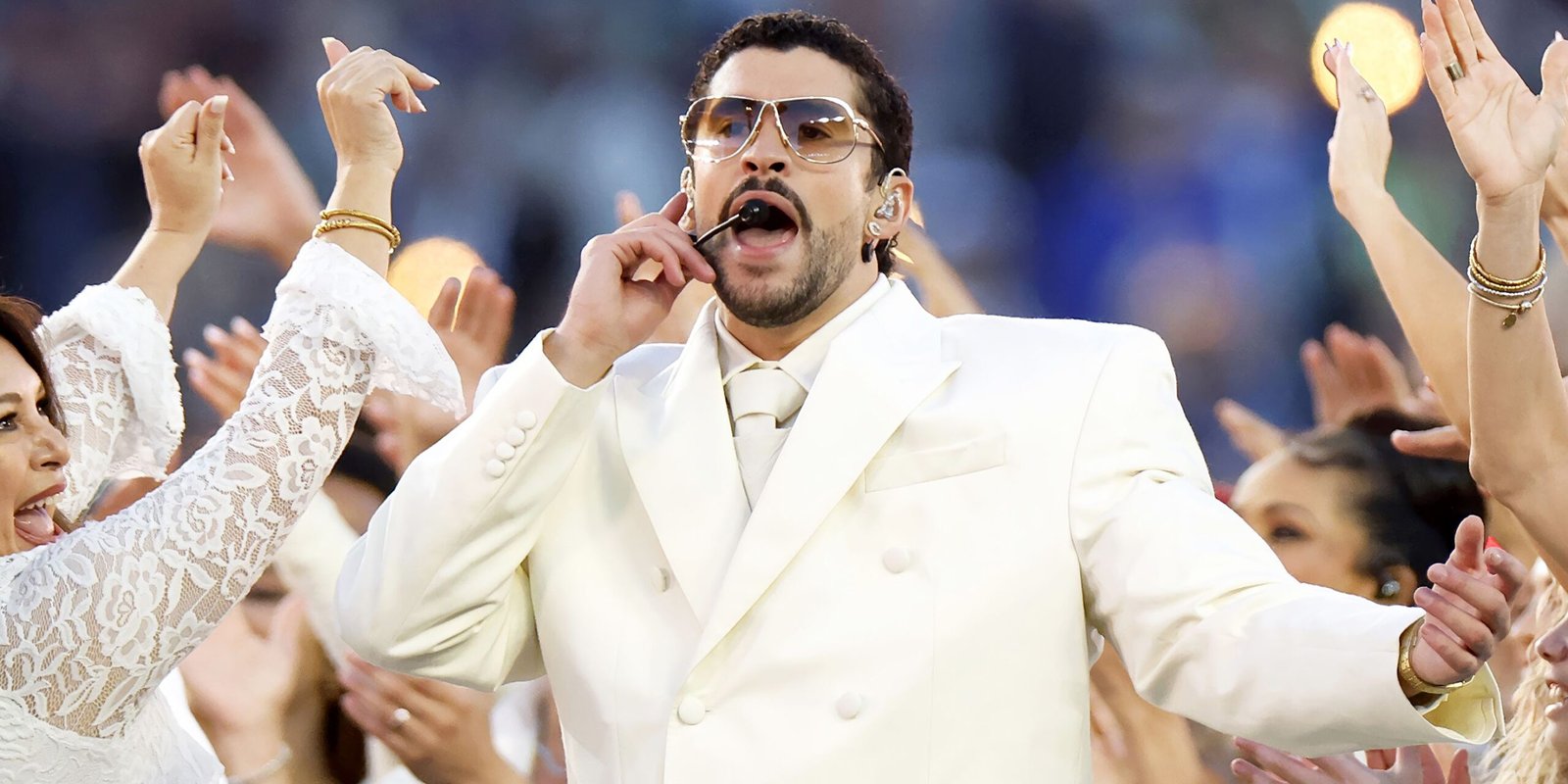
Two halftime shows, one clear winner
Sunday’s championship game between the Seattle Seahawks and the New England Patriots gave viewers two competing halftime spectacles: the NFL’s official Super Bowl halftime headlined by Bad Bunny, and a parallel “All‑American Halftime Show” presented by Turning Point USA featuring Kid Rock and several country acts. On the field, the Seahawks beat the Patriots 29–13 and brought the trophy back to the Pacific Northwest. In the broader cultural skirmish around the halftime moment, audience numbers and reception made one thing plain—Bad Bunny’s production captured far more attention.
Bad Bunny’s halftime: Puerto Rican roots, big production, broad reach
Bad Bunny’s halftime set leaned into his Puerto Rican heritage and a celebratory, multicultural vision of America. The performance combined choreography, theatrical staging and a sprawling audience configuration that helped transform the stadium into a series of intimate concert vignettes. Highlights included a high-profile duet with Lady Gaga and a surprise wedding held onstage—moments that reinforced the show’s themes of love and inclusion.
The halftime production also registered as a major television and streaming event. It became the most‑watched halftime show in Spanish‑language television history, drawing 4.8 million viewers on Telemundo. Across English‑language and streaming audiences, the performance drew enormous numbers, finishing very near the record set by last year’s halftime headliner.
Turning Point USA’s All‑American Halftime Show: country acts and late‑night streaming
Turning Point USA organized an alternative halftime broadcast that leaned into country and patriotic imagery. Acts on that stage included Kid Rock, Brantley Gilbert, Lee Brice and Gabby Barrett; performers appeared in blue suits and cowboy hats, and Kid Rock closed the program. The TPUSA stream launched later than the network halftime broadcast, which helped drive viewers to its online feed.
That stream found a sizable online audience: early tallies reported roughly 5 million concurrent viewers on Turning Point USA’s YouTube stream during the live release, with later totals climbing to about 6.1 million as people tuned in after the game.
Head‑to‑head viewership: mainstream dominance and niche footholds
When comparing reach, Bad Bunny’s performance dominated across mainstream broadcast and Spanish‑language outlets, while the Turning Point USA stream carved out a significant but much smaller online audience. Key figures:
- Bad Bunny’s halftime reached very large audiences across broadcast and streaming platforms and set the record for Spanish‑language halftime viewership on Telemundo (4.8 million).
- Turning Point USA’s YouTube stream drew roughly 5 million viewers during the live release and later rose to about 6.1 million.
Those numbers underscore the gulf between a network-backed, globally marketed halftime production and a politically oriented, online‑first alternative: the latter can engage meaningful audiences, but it still trails the commercial and cross‑platform reach of the official show.
Other performers who shaped the evening
Beyond the two halftime offerings, the Super Bowl’s musical lineup included a number of prominent performers who bookended or punctuated the broadcast:
- Green Day opened the event with a set of hits spanning their career.
- Charlie Puth performed the National Anthem.
- Brandi Carlile offered a rendition of “America the Beautiful.”
- Coco Jones sang “Lift Every Voice and Sing,” evoking the spirit of past Super Bowl tributes.
These segments reinforced the evening’s mix of rock, pop and ceremonial music without the political framing of the Turning Point broadcast.
What the split halftime moment reveals
This weekend’s dual-halftime phenomena highlighted a few clear trends in live television and culture:
- The official halftime, backed by the NFL and major networks, still commands unrivaled reach and the ability to generate mainstream cultural moments.
- Niche or partisan feeds can attract millions online, demonstrating appetite for alternative programming, but they currently lack parity with broadcast distribution.
- The Spanish‑language audience continues to be a crucial and growing segment for live-event programming.
Where to watch
Full versions of the official halftime performance are available through network and streaming archives for viewers who missed the live broadcast. The Turning Point USA stream remains accessible on its YouTube channel for those who want to revisit the alternate show.