
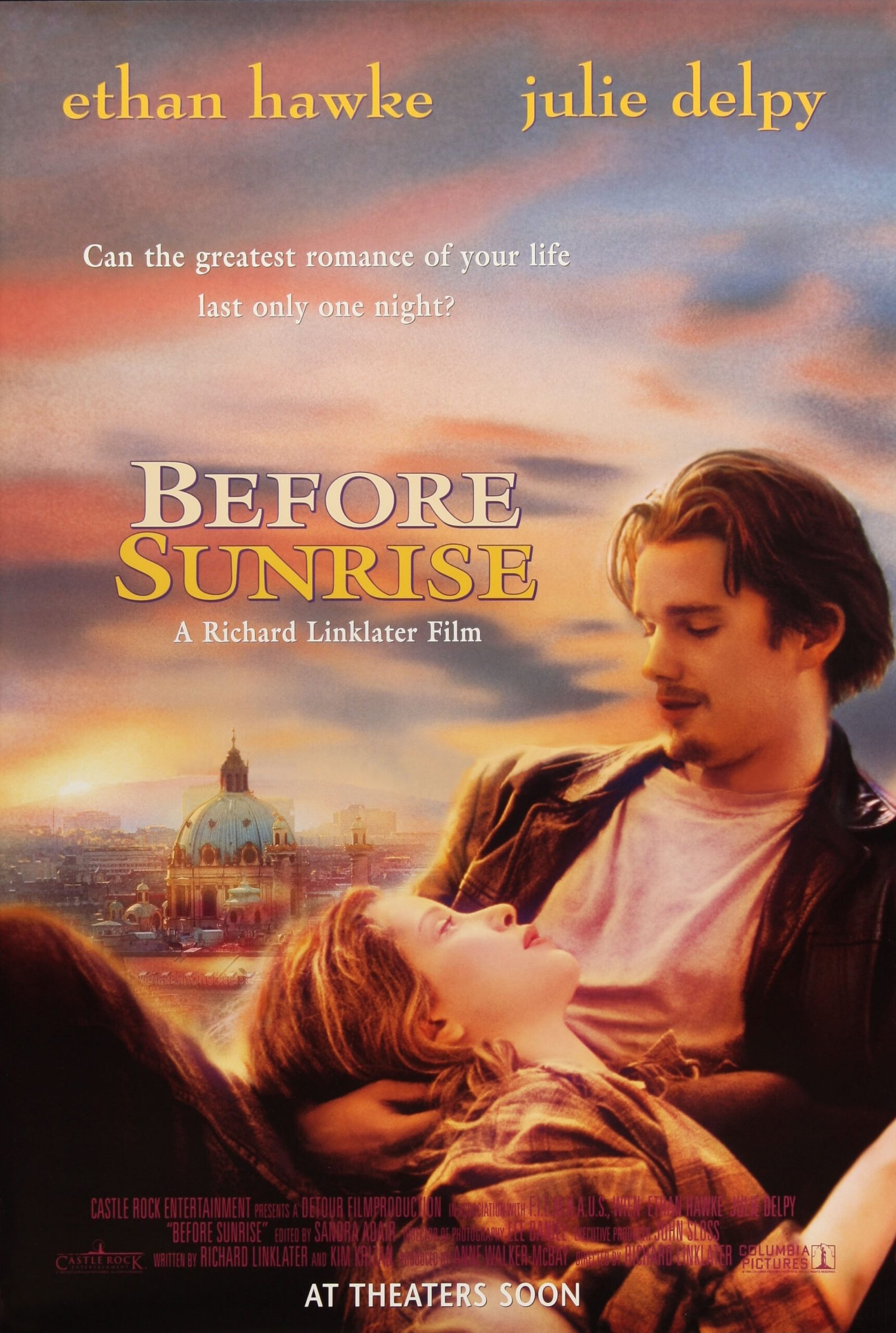
Information
tl;dr
Short verdict in one sentence
“Before Sunrise” transcends conventional romance through its intimate, authentic dialogue and an exploration of fleeting connections.
Quick reasons to watch or skip
Watch if: you appreciate character-driven narratives, enjoy philosophical conversations, or are a fan of realistic portrayals of love.
Skip if: you’re looking for high stakes, action-driven plots, or prefer traditional romantic tropes over genuine emotional exploration.
What is the setup and tone so I know what to expect?
The basic premise without spoilers
Set against the backdrop of a vibrant European landscape, the film introduces us to Jesse and Celine, two strangers who share a night that alters the course of their lives. It serves less as a conventional narrative and more as a tapestry of ideas, aspirations, and dreams expressed through a series of deep, often meandering conversations. It’s less about what happens and more about how two individuals connect in the limited time they have.
Mood, pacing, and how intimate the film feels
The tone is inherently conversational, almost like eavesdropping on a private moment between two souls. The pacing is languid, encouraging viewers to savor each discussion rather than rushing toward a resolution. This intimate approach makes the viewer feel complicit in their burgeoning relationship, as if we’re sharing in their thoughts and emotions. The film balances moments of joy with profound reflection, encapsulating the ephemeral nature of love and connection.
Does the story and pacing hold up across the film?
How the conversation-driven structure works
The film thrives on its conversational structure, where each exchange between Jesse and Celine feels both organic and strategically crafted. These discussions explore themes of love, existence, and the difficulties of communication, revealing character depth and creating emotional resonance. The dialogues are neither preordained nor periodic; they evolve logically, reflecting the spontaneity of real-life interactions. This format invites viewers to engage actively, making them ponder their own perceptions of intimacy.
Where the film drags and where it sings
While most of the dialogue captivates, occasional passages meander without adding value, causing the film to momentarily stumble. Some philosophical digressions can feel overly self-indulgent, testing patience even within the context of its slow-burn narrative. However, these lull periods are often followed by exhilarating bursts of connection, where the chemistry between the leads ignites the screen. It’s in these moments of shared vulnerability that the film truly sings, pushing viewers to reflect on their own life choices, loves lost, and moments of serendipity. The contrast highlights the film’s overarching message about the significance of fleeting experiences, leaving an indelible mark that lingers long after the credits roll.
Are the performances and characters convincing?
The leads chemistry and emotional realism
Ethan Hawke and Julie Delpy bring a palpable chemistry that feels both spontaneous and meticulously crafted. Their interactions resonate with authenticity, grounded in the nuances of fresh attraction and self-revelation. Every laugh, every moment of hesitation, reveals layers of intimacy that draw viewers in without the need for overt dramatics. It’s not merely about their characters being believable; it’s how Hawke and Delpy breathe life into the dialogue, making it feel like a genuine exchange rather than scripted lines. This emotional realism elevates their connection from simple flirtation to something profoundly relatable, allowing the audience to feel the weight of both joy and uncertainty that comes with blossoming love.
Character depth and how relatable they feel
Jesse and Celine embody the complexities of youthful idealism mixed with the pulse of reality. Their conversations delve into personal philosophies, offering insights without shrouding them in pretense. Each character represents a different facet of love and desire, yet they remain grounded enough for viewers to reflect on their own experiences. The film cleverly avoids caricature, instead crafting multifaceted individuals who, even in their quirks and vulnerabilities, feel familiar. Celine’s introspective nature juxtaposed with Jesse’s more impulsive approach invites an exploration of how relationships often navigate between recklessness and introspection. This relatability enhances the film’s emotional foundation, allowing audiences to invest in their fleeting connection on a deeper level.
How does the direction and overall execution affect the experience?
Directing choices that shape the night and the dialogue
Richard Linklater’s direction is a masterclass in creating an immersive, intimate atmosphere. His choice to favor long takes allows conversations to evolve organically, mirroring the fluidity of real-life interactions. This approach challenges the audience to engage with the dialogue without the usual cinematic interruptions of quick cuts and scene changes. Linklater’s nuanced control over pacing ensures that each philosophical reflection, whether profound or trivial, feels intentional and necessary. The director’s ability to balance moments of light-hearted banter with heavier themes also showcases his understanding of emotional cadence, allowing viewers to navigate the complexity of affection and connection seamlessly throughout the film’s runtime.
Cinematography, sound, and editing that support the story
The cinematography by Frank Griebe complements the narrative’s intimacy through its deft use of lighting and framing. The soft, warm hues create an inviting ambiance, mirroring the enchantment of a Parisian night that captivates both characters and viewers alike. Subtle yet impactful sound design further enhances the setting; the ambient sounds of the city become almost like a character in their own right, enriching the film’s atmosphere. Editing is unobtrusive, allowing the dialogue to unfold naturally. This choice reinforces the spontaneity of their experience, making each moment feel earned rather than forced. Together, these elements coalesce into a sensory canvas that reflects the themes of love and existential connection perfectly.
What are the biggest strengths and weaknesses?
Clear strengths that make the film memorable
The film’s biggest strength lies in its exploration of raw, unfiltered communication between two strangers, capturing the essence of transient connections in a world obsessed with permanence. The script, deeply interwoven with philosophical musings, isn’t just dialogue; it’s a tapestry of human experience that speaks to our deepest desires and fears. Hawke and Delpy’s performances breathe authenticity into this exploration, making each moment resonate. Furthermore, Linklater’s direction and the film’s visual style coalesce to create an immersive experience, inviting viewers to reflect on their own romantic histories and the fleeting nature of human connection.
Weaknesses or moments that may turn viewers off
However, the film is not without its pitfalls. Some viewers may find certain philosophical digressions excessive or pretentious, veering into territory that stretches believability regarding what two characters could reasonably discuss in one night. These moments can disrupt the otherwise organic flow of the narrative, potentially distancing audiences craving more structured storytelling or action. Furthermore, the lack of conventional conflict or clear resolution could leave some feeling unsatisfied, as the film deliberately subverts typical romantic arcs. This intentional deviation might alienate viewers expecting a traditional conclusion, making “Before Sunrise” a polarizing experience that challenges what romance can encapsulate.
Who will actually enjoy Before Sunrise?
Audiences most likely to connect with this film
“Before Sunrise” invites an audience that’s attuned to the subtleties of human connection. Those who appreciate character-driven narratives, where dialogue reigns supreme, will find much to love in Hawke and Delpy’s exchanges. The film’s contemplative themes—about fleeting moments and the ephemeral nature of relationships—speak to individuals who favor reflection over action. It resonates deeply with romantics and introspective viewers who have navigated the complexities of love and existence, especially those within the tumultuous age of young adulthood. Fans of films such as “Lost in Translation” or “The Before Trilogy’s” subsequent entries will also find familiar terrain in this exploration of accidental intimacy.
Viewers who might not get much out of it
Conversely, viewers seeking traditional storytelling might find “Before Sunrise” challenging. Its lack of conventional narrative structure, along with the absence of dramatic arcs or high stakes, may frustrate those accustomed to mainstream rom-com formulas. Action seekers or fans of fast-paced plots might perceive the film’s slower rhythms as tedious, leading them to disengage during lengthy conversations. Additionally, those who are uncomfortable with ambiguity might struggle with the film’s unresolved conclusion, potentially leaving them feeling unsatisfied. In short, if you’re drawn to narratives with clear conflicts and resolutions, this film might not offer the emotional payoff you desire.
Is it worth rewatching and how will it age?
Rewatch value and scenes that reward repeat viewings
“Before Sunrise” possesses inherent rewatch value, largely due to its rich dialogue and character exploration. Each viewing reveals new layers in Jesse and Celine’s conversations, showcasing how different life experiences can shift one’s perception of love and connection. Moments of vulnerability or philosophical insight lead to rich discussions that can feel different each time, depending on the viewer’s current emotional landscape. Scenes like their candid exchange at the park or the candid remarks about their life choices become more resonant upon reflection. Thus, the film encourages audiences to return, allowing them to plumb its depths in increasingly nuanced ways.
How the film holds up over time and its cultural staying power
In terms of longevity, “Before Sunrise” has solidified its place as a beloved classic that continues to resonate with newer generations. Its exploration of fleeting connections reflects a universal truth about love that remains relevant across time. Unlike many romance films which may feel dated or overly reliant on tropes, Linklater’s work captures an authenticity that transcends the era of its release. The cultural conversations it encouraged around relationships, intimacy, and existentialism have only gained traction in a society increasingly drawn to the concept of temporary connections in an ever-accelerating world. Its timeless themes and relatable portrayals ensure that it will be revisited and rediscovered as viewers grapple with the same questions Celine and Jesse once pondered in a single night.
FAQs
Is Before Sunrise worth watching?
Absolutely, “Before Sunrise” is worth watching, particularly for those who find beauty in dialogue and character exploration. Its ability to capture the nuances of human connection elevates it above standard romantic fare. While it may not satisfy viewers looking for conventional storytelling, its philosophical underpinnings and authentic performances make it a rich experience for introspective audiences. If you’re drawn to films that prioritize emotional truth over plot mechanics, you’ll likely find this film not only enjoyable but profoundly moving.
Do Ethan Hawke and Julie Delpy improvise their dialogue?
Yes, a significant portion of the dialogue is improvised. Richard Linklater’s unique approach to the film allowed Hawke and Delpy to infuse their characters with authenticity by incorporating their own thoughts and emotions into the conversation. This method enhances the realism of their relationship and provides a sense of spontaneity that makes their connection feel genuine. The actors collaborated closely with Linklater on the script, leading to a fluidity that captures the essence of their characters—and the fleeting nature of human connections—beautifully. This improvisational aspect is a testament to the film’s organic and heartfelt quality, setting it apart from conventional scripting methods.